



Tea tree oil is probably the most confidently recommended natural disinfectant in eco cleaning content. A few drops in your cleaning spray. A splash in your laundry. It kills everything apparently.
The reality is more interesting and more nuanced than that. Tea tree oil does have genuine antimicrobial activity. The chemistry behind it is real. The problem is that the evidence for specific cleaning applications varies enormously and most content on this topic does not make those distinctions clearly.
Let me show you what the science actually says so you can use it where it works and stop relying on it where it does not.
What Tea Tree Oil Is and Where the Chemistry Comes From
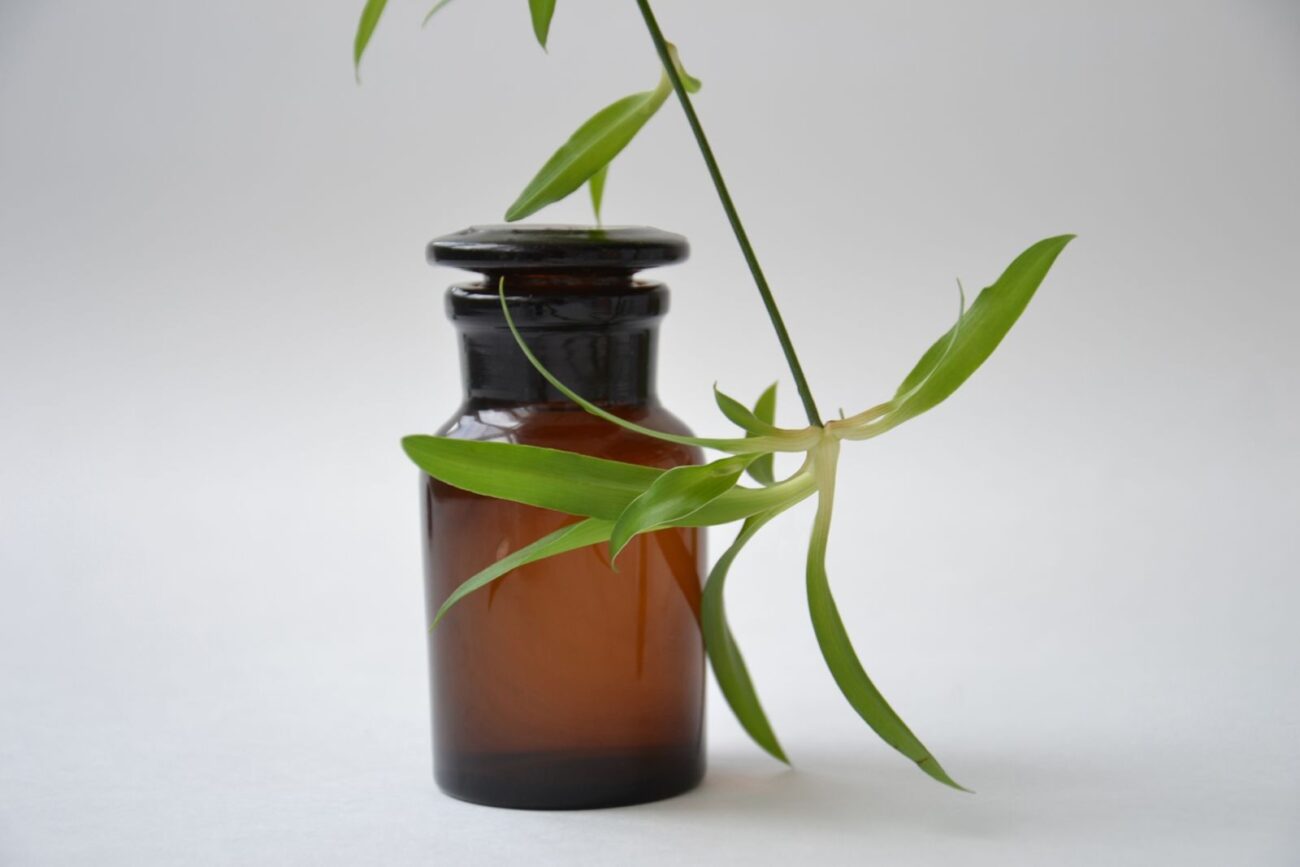
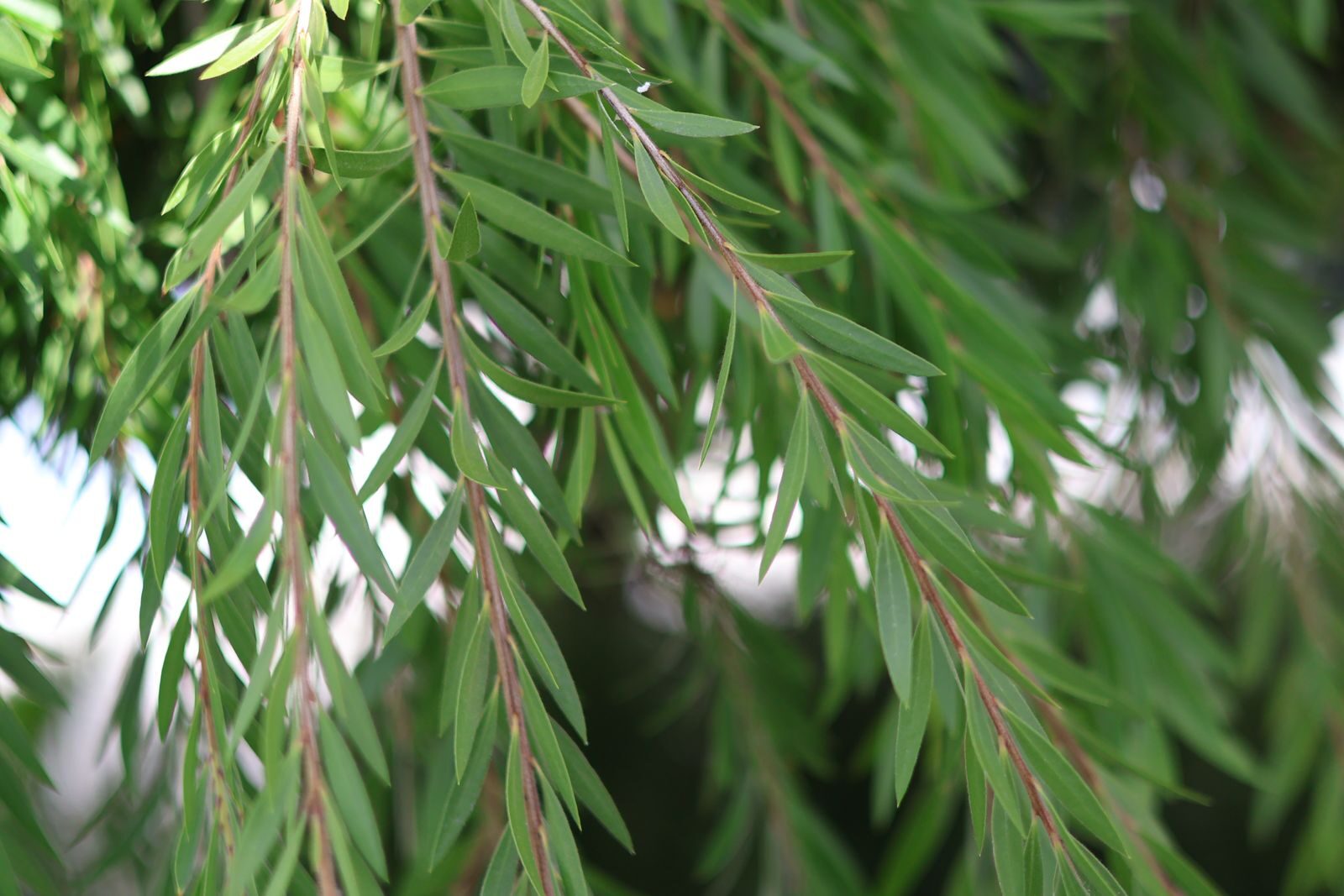
Tea tree oil is steam distilled from the leaves of Melaleuca alternifolia a small tree native to coastal New South Wales in Australia. The plant produces terpinen-4-ol and around 100 other volatile compounds as secondary metabolites.
From the plant’s perspective these compounds serve multiple ecological functions. Deterring herbivores. Protecting against fungal infection. Reducing competition from surrounding vegetation through allelopathic effects on seed germination.
Understanding that these compounds evolved as biological defence systems helps me read the antimicrobial evidence more carefully. A compound that disrupts bacterial membranes as a plant defence mechanism can do the same in a cleaning context. The mechanism is real. The question is always about concentration and application conditions.
The Active Compound: What Terpinen-4-ol Actually Does
Terpinen-4-ol is the primary active compound in tea tree oil typically making up 30 to 48 percent of the oil by composition. It is a monoterpenoid alcohol belonging to the terpene family of plant secondary metabolites.
The antimicrobial mechanism is primarily membrane disruption. Terpinen-4-ol is lipophilic meaning it has an affinity for lipid structures. Bacterial cell membranes are lipid bilayers. Terpinen-4-ol inserts into those membranes disrupting their integrity, increasing permeability, and interfering with cellular respiration and ion transport. At sufficient concentrations this leads to cell death.
What I find interesting about this mechanism is how different it is from antibiotic mechanisms that target specific bacterial enzymes or cell wall synthesis pathways. Membrane disruption is broader and less specific. That has implications for both the spectrum of antimicrobial activity and the resistance potential.
The concentration of terpinen-4-ol in your tea tree oil matters enormously. The Australian standard for tea tree oil requires a minimum of 30 percent terpinen-4-ol. Products below that threshold are using lower quality oil regardless of what the front label says. I always check this before recommending any tea tree oil cleaning application because the antimicrobial activity is directly tied to that terpinen-4-ol content.
What the Evidence Shows for Antimicrobial Activity
The evidence for tea tree oil antimicrobial activity is genuine and reasonably well documented in laboratory conditions.
Studies have demonstrated activity against a range of bacteria including Staphylococcus aureus, Escherichia coli, Pseudomonas aeruginosa, and Streptococcus species. Activity against Candida species and some dermatophyte fungi is also documented. A comprehensive review of tea tree oil antimicrobial properties confirmed broad spectrum antibacterial and antifungal activity across multiple organism types (Carson et al., 2006).
Minimum inhibitory concentrations for terpinen-4-ol against common bacteria typically fall in the range of 0.25 to 0.5 percent by volume in laboratory conditions. A study specifically measuring terpinen-4-ol against multiple Staphylococcus aureus strains confirmed a minimum inhibitory concentration of 0.25 percent and bactericidal action at 0.5 percent across all tested strains (Cordeiro et al., 2020). That sounds low but it has important implications for how you use the oil in cleaning applications.
The critical word throughout all of this is laboratory. Most of the evidence comes from in vitro studies using controlled conditions, specific bacterial strains, and precise concentrations. Real surface cleaning and laundry applications involve very different conditions.
Can Tea Tree Oil Disinfect Surfaces
This is where the gap between laboratory evidence and practical application is widest and where I want you to pay close attention.
Disinfection in the regulatory sense means reducing a specific microbial population by a specific amount under standardised test conditions. Registered disinfectants are tested on real surfaces with soil loads mimicking real contamination, specific contact times, and validated reduction in target organisms.
Tea tree oil has not been through that regulatory testing process for surface disinfection. It does not carry a disinfectant registration. That does not mean it has no antimicrobial activity on surfaces. It means the evidence for real surface disinfection at practical concentrations has not been validated to the same standard as registered disinfectants.
For general household cleaning where the goal is reducing surface microbial loads rather than achieving regulatory disinfection tea tree oil at one to two percent concentration in a water based spray has reasonable evidence behind it.
For situations requiring genuine disinfection such as after raw meat contact or when someone in the household is immunocompromised I would not rely on tea tree oil. That is not what the evidence supports.
The distinction between cleaning and disinfecting is one I find important to make clearly. Cleaning reduces microbial loads through physical removal and some antimicrobial activity. Disinfecting achieves guaranteed reduction of specific pathogens. Tea tree oil can contribute to the first. It does not reliably achieve the second.
Does Tea Tree Oil Disinfect Laundry
This application has more supportive evidence than surface disinfection and is worth understanding properly.
Several studies have examined tea tree oil in laundry contexts and found meaningful reduction in bacterial loads on fabrics at concentrations of around one percent or higher. The washing process itself physically removes microorganisms and tea tree oil adds an antimicrobial component that improves outcomes compared to washing alone.
The practical limitation is concentration. Adding a few drops to a full washing machine drum dilutes the oil to concentrations well below the effective range. To achieve one percent concentration in a standard 50 to 60 litre drum you would need roughly 500 to 600 millilitres of tea tree oil per wash. That is not what the five drops recommendation produces.
A more practical approach is adding tea tree oil to the fabric conditioner drawer or using it in a pre-soak for specific items rather than adding drops to a full drum wash. That way the oil contacts fabric at a meaningful concentration before dilution in the main wash.
Does Tea Tree Oil Disinfect the Air When Diffused
No. Not in any meaningful sense and this claim connects directly to my understanding of VOC dynamics in indoor environments.
Diffusing tea tree oil into indoor air does add volatile terpene compounds including terpinen-4-ol. These compounds do have antimicrobial properties at direct contact concentrations in laboratory conditions. The concentration achievable through diffusion in a normal room with ventilation is many orders of magnitude below the minimum inhibitory concentrations demonstrated in those studies.
Volatile compounds disperse rapidly in ventilated spaces. The dilution chemistry makes antimicrobial air concentrations from a diffuser essentially impossible in any real room. What diffusing tea tree oil does reliably is add a scent to the air and increase your indoor VOC load. The antimicrobial air purification claim is not supported by the evidence.
Can Tea Tree Oil Cause Antibiotic Resistance
This is a genuinely interesting question from a microbiology perspective and the answer matters for how you use tea tree oil in your home.
The membrane disruption mechanism of terpinen-4-ol is less prone to generating specific resistance mutations than antibiotic mechanisms targeting specific bacterial enzymes. Bacteria cannot easily mutate their membrane lipid bilayer composition to completely resist a membrane active compound.
However some studies have found that sub-inhibitory concentrations of tea tree oil can select for bacteria with reduced susceptibility over time. This is most concerning when tea tree oil is used at concentrations too low to be effectively antimicrobial but high enough to exert selection pressure.
The practical implication is important. Using tea tree oil at concentrations well below the effective antimicrobial range repeatedly is potentially more problematic from a resistance standpoint than using it at concentrations that produce meaningful antimicrobial activity. This is another reason that concentration matters more than most natural cleaning content acknowledges.
How to Make a Tea Tree Oil Cleaning Spray That Actually Works
Based on all of this here is what an effective tea tree oil cleaning spray looks like in practice.
Use a tea tree oil with at least 30 percent terpinen-4-ol content. Check whether the brand provides a certificate of analysis. The Australian standard AS 2782 sets the minimum terpinen-4-ol threshold and is the quality benchmark worth looking for.
Target a one to two percent concentration of tea tree oil in your spray. For a 500ml spray bottle that means 5 to 10ml of tea tree oil. Most recipes online suggest far lower amounts that produce concentrations well below the effective antimicrobial range.
Add a small amount of solubiliser to help the oil disperse in water. Tea tree oil does not mix well with plain water. A small amount of castile soap or a food grade solubiliser helps distribute the oil evenly through the solution rather than having it float on the surface.
Use on bathroom surfaces, kitchen counters between deep cleans, and similar applications where reducing microbial loads is the goal. Not as a substitute for registered disinfectants where genuine pathogen reduction is required.
Before You Reach for the Tea Tree Oil
Tea tree oil has real antimicrobial activity through a well understood mechanism. The terpinen-4-ol chemistry is documented and the evidence for surface cleaning applications at appropriate concentrations is reasonable.
The gap between what the evidence supports and what most natural cleaning content claims is in three specific areas. Concentration requirements are higher than most recipes suggest. Surface disinfection in the regulatory sense is not supported. Air purification through diffusion is not supported.
Use it where it works. At appropriate concentrations for surface cleaning and laundry pre-soaks. Check the terpinen-4-ol content of what you are buying. And do not rely on it where genuine disinfection is required.
Summary
Tea tree oil antimicrobial activity is driven primarily by terpinen-4-ol which disrupts bacterial cell membranes. The evidence for antimicrobial activity in laboratory conditions is genuine and well documented.
For surface cleaning at one to two percent concentration the evidence is reasonable though it does not meet regulatory disinfection standards. For laundry applications meaningful concentrations require significantly more oil than typical recipes suggest. Diffusing tea tree oil does not produce antimicrobial air concentrations.
Sub-inhibitory concentrations used repeatedly may select for reduced bacterial susceptibility over time. Terpinen-4-ol content of at least 30 percent is the quality threshold worth checking before buying.
FAQs
Is tea tree oil a disinfectant or antiseptic?
Neither in the regulatory sense. It has documented antimicrobial activity through terpinen-4-ol membrane disruption but has not been through the regulatory testing required for a registered disinfectant. It is more accurately described as an antimicrobial cleaning ingredient with evidence for reducing microbial loads at appropriate concentrations.
Can tea tree oil disinfect surfaces?
It can reduce surface microbial loads at one to two percent concentration in a cleaning context. It does not meet regulatory disinfection standards and should not be relied on where guaranteed pathogen reduction is needed such as after raw meat contact.
Does tea tree oil disinfect laundry?
At sufficient concentrations yes. The evidence suggests meaningful antimicrobial activity at around one percent concentration. Most recipes add far too little oil to a full washing machine drum to reach that concentration. A pre-soak or fabric conditioner drawer application is more practical.
Does tea tree oil disinfect the air when diffused?
No. Diffusion in a ventilated room produces terpene concentrations many orders of magnitude below minimum inhibitory concentrations documented in laboratory studies. Diffusing tea tree oil adds VOCs to indoor air and produces a scent. It does not produce antimicrobial air concentrations.
What concentration of tea tree oil is effective for cleaning?
One to two percent tea tree oil concentration in a water based spray is supported by the evidence for surface cleaning applications. Most natural cleaning recipes suggest far lower amounts that produce concentrations below the effective antimicrobial range.
Can tea tree oil cause antibiotic resistance?
The membrane disruption mechanism is less prone to generating specific resistance than antibiotic mechanisms targeting specific bacterial enzymes. However sub-inhibitory concentrations used repeatedly may select for reduced susceptibility over time. Using tea tree oil at effective concentrations is less problematic from a resistance standpoint than using it at very low concentrations repeatedly.
Is tea tree oil a good natural disinfectant?
For general surface cleaning at appropriate concentrations it is a reasonable natural antimicrobial ingredient. For genuine disinfection where specific pathogen reduction is required registered disinfectants have stronger evidence. Understanding that distinction helps you use tea tree oil where it adds value and choose alternatives where it does not.