





Indoor Air Quality
Most indoor air quality content tells you what products claim to do. This section looks at what they actually do, based on the chemistry and the evidence.
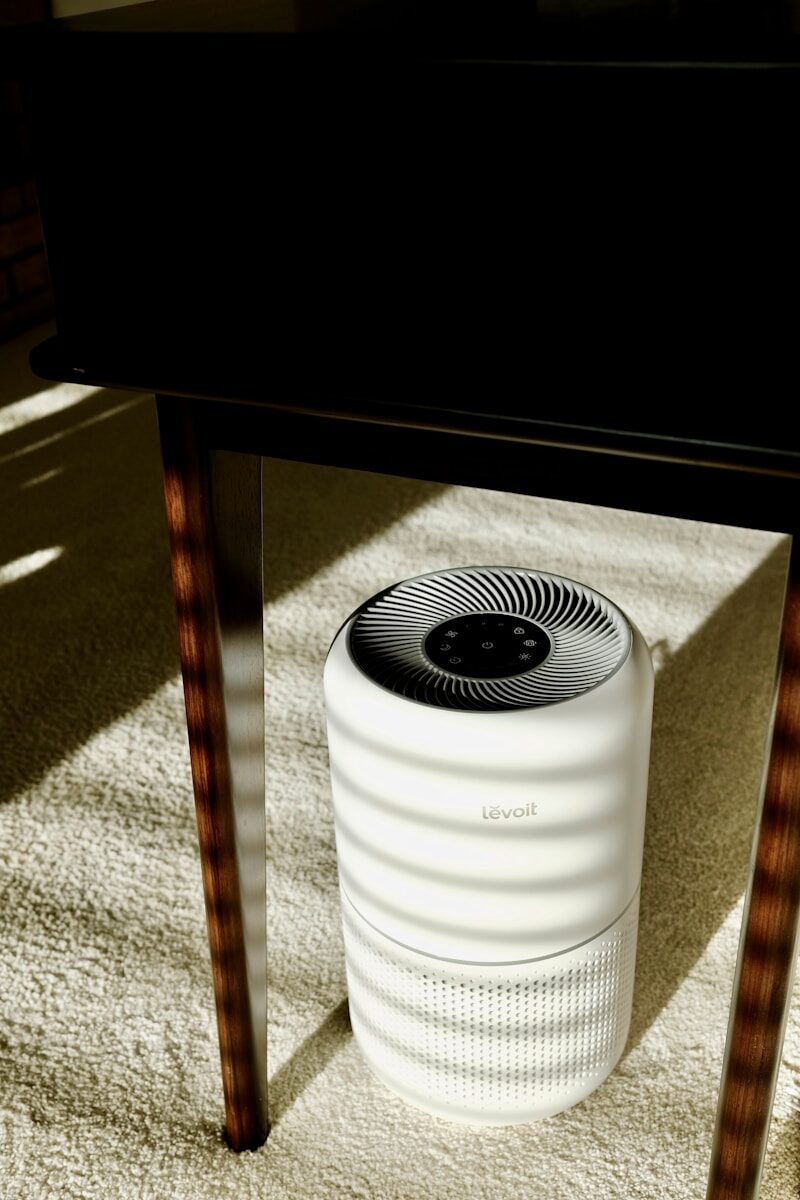
I look at air purifiers, VOC sources and removal, indoor plants and air quality claims, mould biology, and natural ventilation. If a product claims to clean your air, I want to know exactly what it removes, by what mechanism, and what the evidence actually shows.
The indoor air quality product market is large, and the claims vary enormously. Some air purifiers genuinely remove specific pollutants through well understood mechanisms. Others rely on technologies with thin or contradictory evidence.
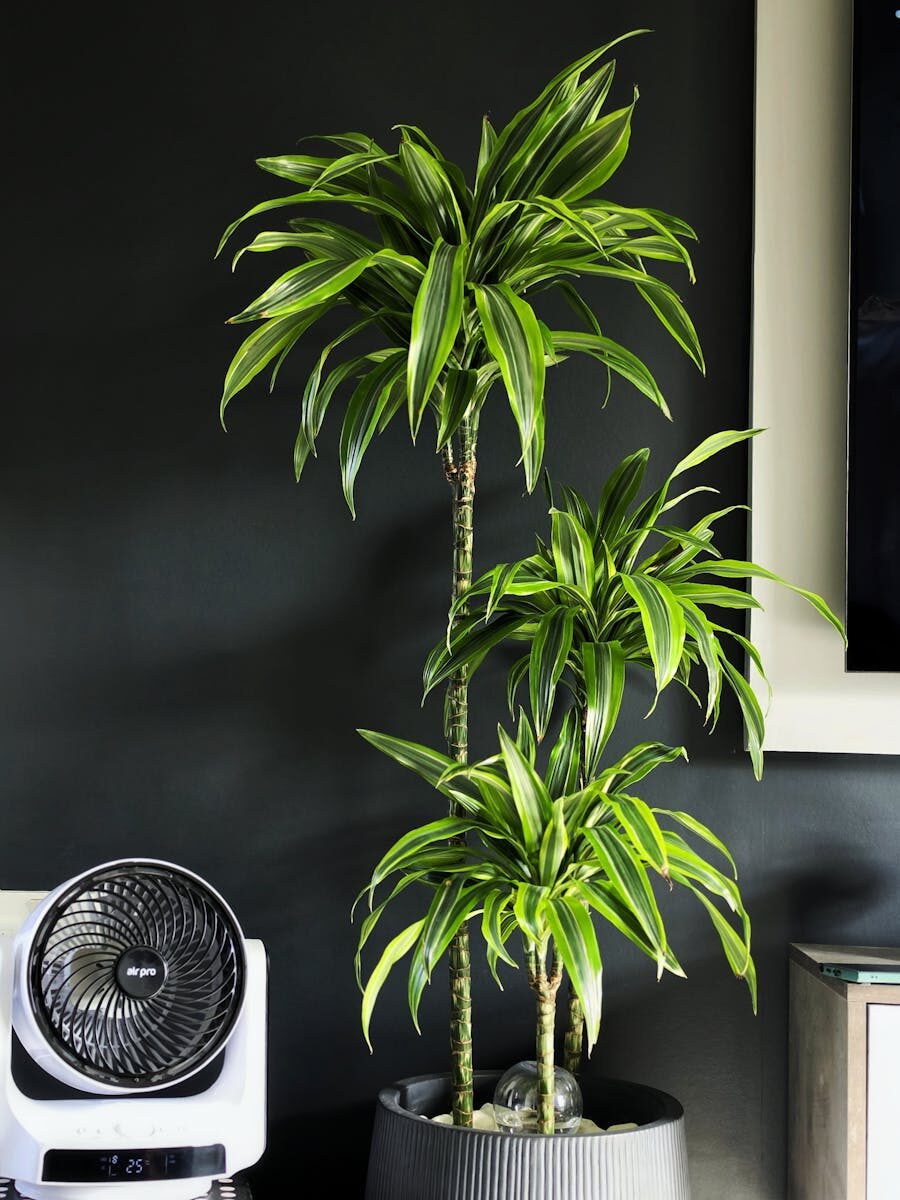
The same is true for natural ventilation solutions, bamboo charcoal bags, and indoor plants marketed as air cleaners. This section works through each category methodically: what the chemistry shows, what the evidence shows, and where the two align and where they don’t.
Explore by topic