





This calculator was built by Serge (MSc) using government standards (AHAM, ASHRAE, EPA, ISO). My academic background covers Plant Biochemistry, Environmental Biology, Biogeochemistry, and Ecotoxicology. This is an estimation tool for educational purposes, not professional advice, medical diagnosis, or assessment.
Ingredient Concentration Estimator
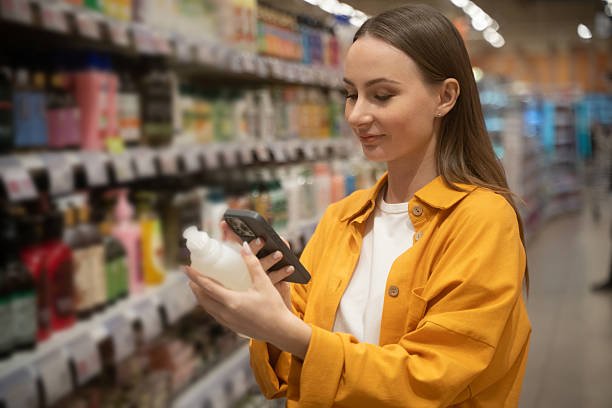
You flip a bottle and see “lavender extract” listed on the label. Sounds good. But how much lavender is actually in there? Is it a significant amount or just enough to claim it on the marketing?
I studied plant biochemistry. That taught me that dose matters. The amount of an ingredient is what determines whether it actually works or whether it is just window dressing.
This calculator helps you read an INCI list and estimate whether key botanical ingredients are present in meaningful amounts or just listed for show.
Check Ingredient Concentration
How This Works
The INCI (International Nomenclature of Cosmetic Ingredients) list tells you what is in a product. The order matters.
Ingredients are listed by concentration from highest to lowest. Water comes first because it is usually the most abundant ingredient. The last ingredients are present in the smallest amounts.
But there is a catch. Ingredients below 1% can be listed in any order. So you cannot know exactly how much of those minor ingredients is present.
This calculator estimates whether a botanical ingredient is likely present in a meaningful amount or whether it is just listed for marketing appeal.
Understanding Your Result
The calculator gives you an estimate based on where the ingredient sits in the list:
Top 3 to 5 ingredients. Major ingredient. Likely 5% to 50% or higher of the formula. This ingredient is a core part of the product.
Middle of the list (positions 6 to 15). Moderate amount. Probably 0.5% to 5%. Present enough to be functional, but not the star ingredient.
Bottom of the list (positions 16 and beyond). Trace amount. Likely below 1%, possibly well below 0.1%. Present mostly for label appeal or marketing.
Not found in the list. Not present at all, despite marketing claims. This is a red flag for misleading marketing.
Important Limitations
This is an estimation tool, not exact analysis. INCI order tells you relative concentration, not exact percentages. The calculator cannot tell you precisely how much of an ingredient is present.
✗ Does not give exact percentage concentrations
✗ Does not tell you whether an ingredient is safe
✗ Does not tell you whether it actually works
✗ Does not replace laboratory analysis
Scientific Basis
Based on:
ISO 16128 Standards. International standards for cosmetic ingredient labeling. The INCI system requires ingredients to be listed by concentration, highest to lowest (except those below 1%).
Learn about ISO 16128 →
CosIng Database. The European Commission’s Cosmetic Ingredients Database. Official reference for INCI names.
Browse CosIng →
Related Reading
Are Natural Cleaning Products Safe. Reading labels and understanding ingredient safety.
Greenwashing Score Calculator. Spotting marketing spin on product labels.