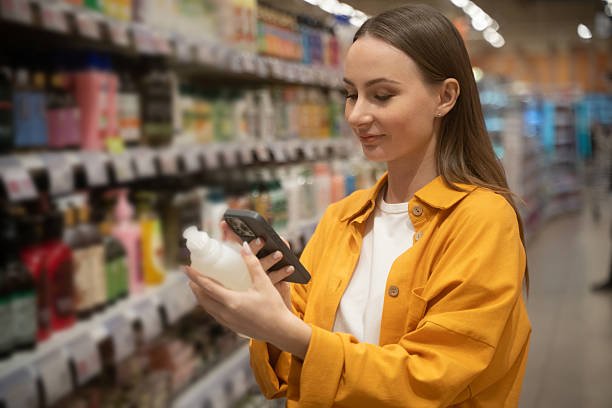



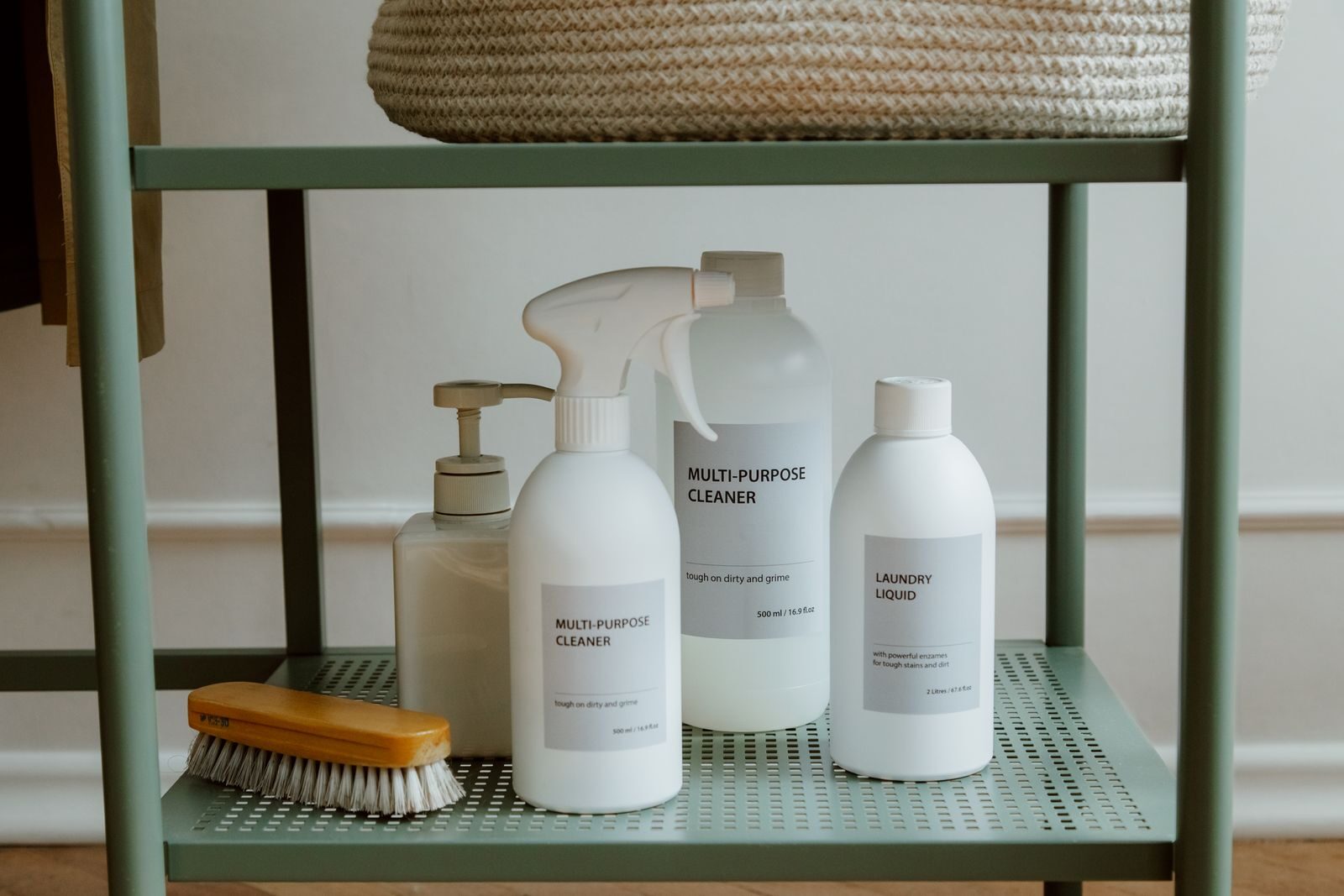
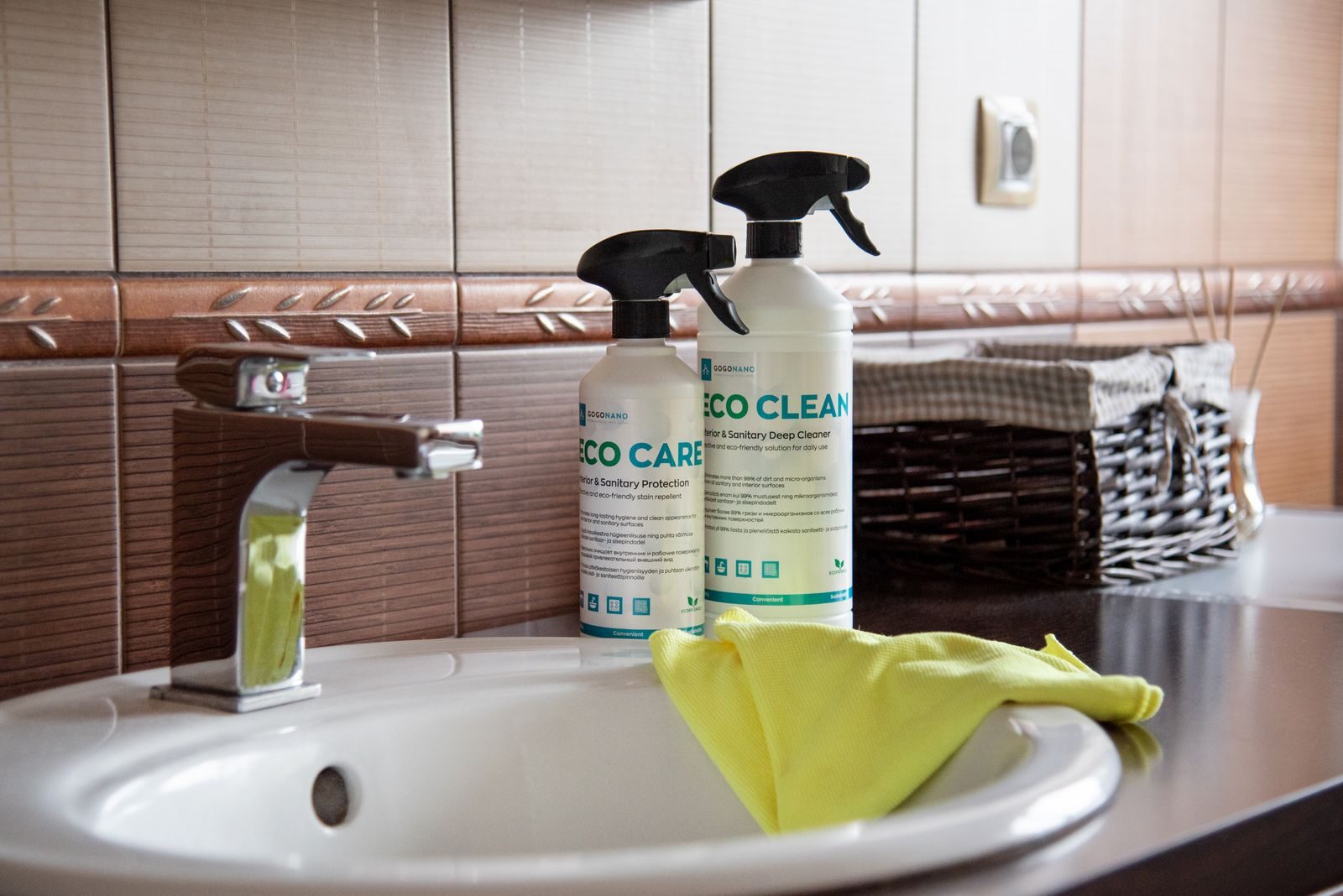





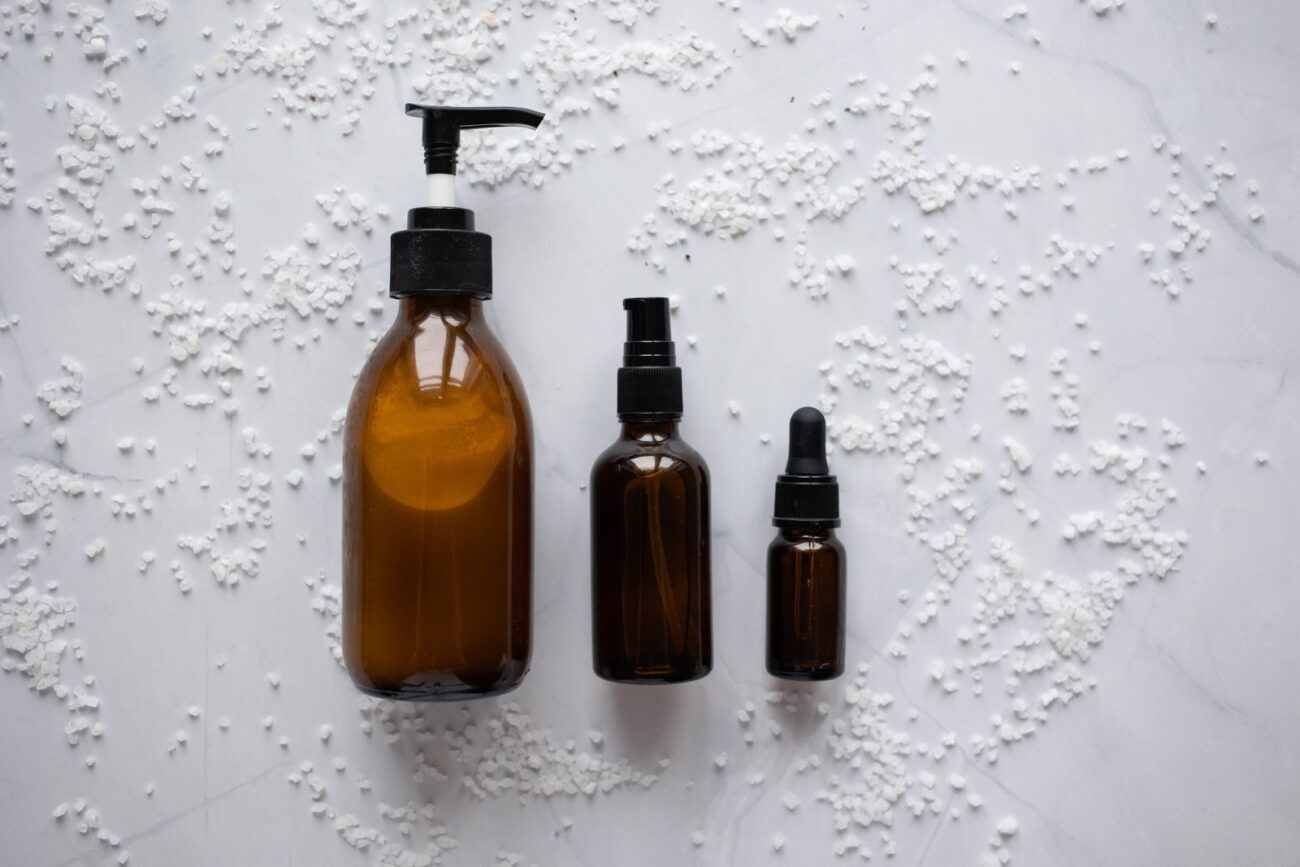
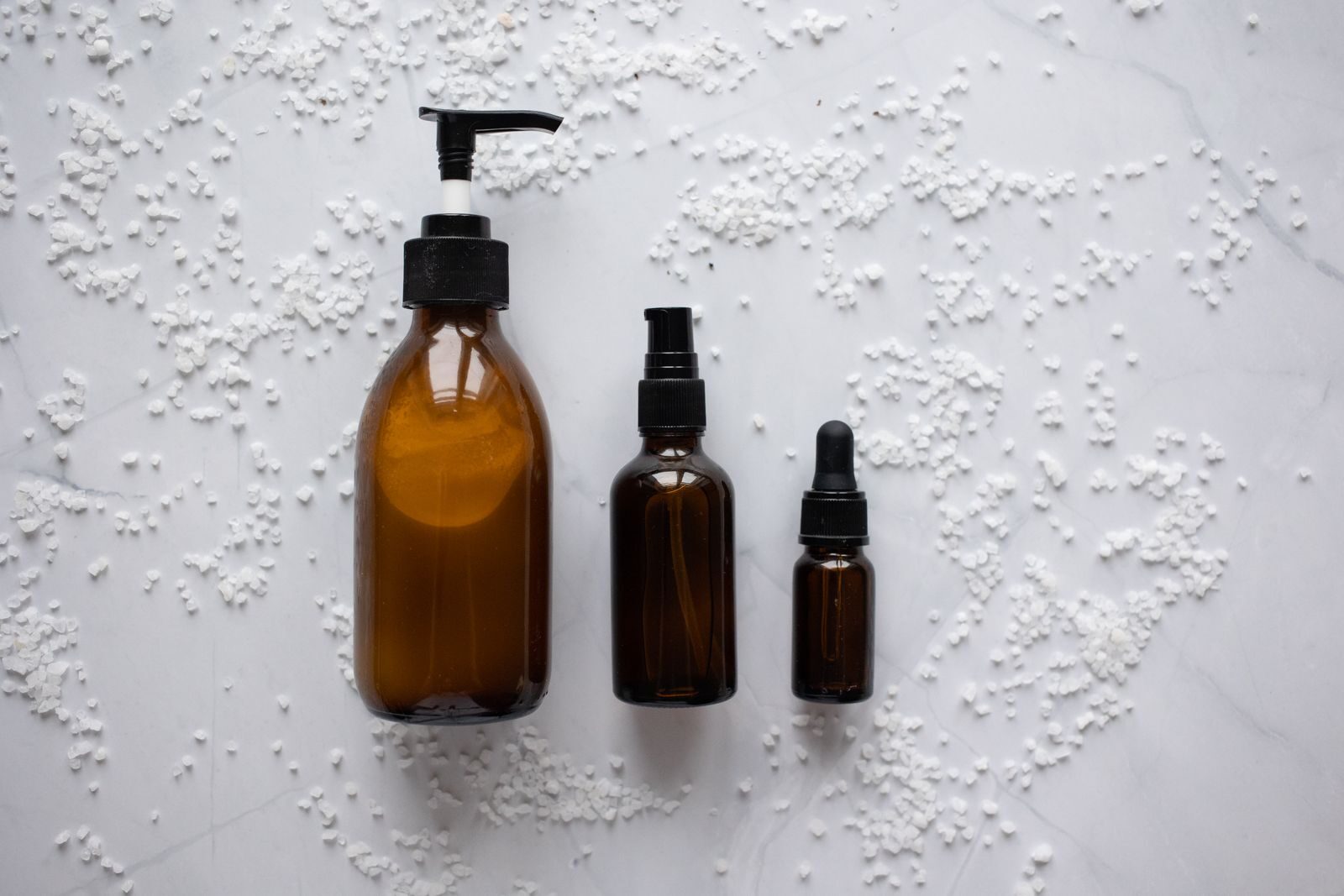
You picked up a natural cleaning product. The label says plant based surfactants. Coconut derived. Biodegradable. Better for the environment.
But what does any of that actually mean at a molecular level? And does plant derived make something genuinely different from a conventional surfactant or is it marketing language wrapped around the same chemistry?
I find this topic fascinating because it sits right at the intersection of plant biochemistry and environmental science. Two areas I have spent a significant amount of time in. Let me show you what is actually going on inside that bottle.
What a Surfactant Does and Why You Need One
Before we get into plant versus conventional the basic chemistry is worth understanding because it is genuinely elegant.
Surfactant stands for surface active agent. A surfactant molecule has two distinct ends. One end is hydrophilic meaning it is attracted to water. The other end is hydrophobic meaning it is repelled by water and attracted to oils and fats. That dual nature is the whole trick.
When you add a surfactant to water and agitate it the hydrophobic tails of the surfactant molecules surround oil and grease particles, pointing inward toward the oil, while the hydrophilic heads point outward toward the water. The result is a tiny sphere called a micelle with oil trapped inside and water compatible chemistry on the outside. The micelle gets rinsed away with the water taking the grease with it.
Without a surfactant water and oil simply do not mix. Water beads off greasy surfaces. The surfactant molecule is what makes cleaning with water possible.
Where Plant Based Surfactants Come From
This is where my plant biochemistry background becomes directly relevant and where the story gets interesting.
Plants produce a range of compounds with surfactant properties naturally. Saponins are the most well known class. The word saponin comes from the Latin sapo meaning soap. Plants including soapwort, horse chestnut, and quinoa produce saponins as secondary metabolites. These compounds have a hydrophilic sugar component attached to a hydrophobic steroid or triterpenoid backbone. That structure gives them natural surfactant activity.
Plants produce saponins as defence compounds. They deter insects and microorganisms. Some create foam when agitated in water which is why soapwort was historically used for washing. The same molecular property that makes them ecologically useful to the plant makes them chemically useful as surfactants.
The plant derived surfactants you find in modern natural cleaning products are mostly not raw saponins though. They are synthesised using plant derived starting materials. Alkyl polyglucosides for example are made by combining glucose from corn or wheat starch with fatty alcohols from coconut or palm oil. The resulting molecule has a glucose head group that is water soluble and a fatty alcohol tail that is oil soluble. Classic surfactant architecture built from plant components.
Lauryl glucoside, decyl glucoside, and coco glucoside are all alkyl polyglucosides that appear in natural cleaning and personal care products. The names tell you the chain length of the fatty alcohol component. Lauryl means a twelve carbon chain typically from coconut. Decyl means a ten carbon chain.
Are Plant Based Surfactants Actually Better
Here is where I want to give you a more precise answer than you usually get.
At a molecular level doing the same job a surfactant molecule is a surfactant molecule. The cleaning mechanism is the same whether the fatty alcohol component came from a coconut or from a petrochemical process. Micelle formation works identically regardless of the origin of the hydrophobic tail.
Where plant derived surfactants genuinely differ is in their environmental behaviour after they go down the drain. This is where my ecotoxicology training is directly relevant because I understand what happens to these molecules in aquatic environments.
Alkyl polyglucosides biodegrade rapidly and completely in aquatic environments. The glucose head group is broken down by microorganisms quickly. The fatty alcohol tail is also readily biodegradable. Ecotoxicological studies consistently show low aquatic toxicity for alkyl polyglucosides compared to many conventional surfactants.
Linear alkylbenzene sulfonates which are the most common conventional synthetic surfactants have a benzene ring in their structure. That aromatic ring makes them more resistant to biodegradation than the sugar based plant derived alternatives. They also have higher aquatic toxicity endpoints in standard ecotoxicological testing.
That difference is real and meaningful. Not because the cleaning is better but because what happens after cleaning matters. Understanding that distinction took me through ecotoxicological testing methodology in detail during my postgraduate training. Most content on this topic does not make that distinction clearly enough.
What Biodegradable Actually Means for Surfactants
I want to spend a moment on this because biodegradable is one of the most misused claims in natural cleaning product marketing and understanding it properly is genuinely useful.
Biodegradability is not a yes or no property. It is measured on a scale and under specific test conditions. The standard tests used in Europe are the OECD 301 series. Ready biodegradability is the most stringent category. It requires 60 percent or more of the theoretical oxygen demand to be consumed within 28 days under standardised conditions.
Most alkyl polyglucosides pass ready biodegradability tests. That is a genuine distinction from some conventional surfactants. But ultimate biodegradability meaning complete breakdown to carbon dioxide, water, and mineral salts is a higher bar. And biodegradation rate in real world conditions including cold water, sediment environments, and low oxygen systems is different from the standardised test conditions.
When a cleaning product says biodegradable without specifying the test method or the timeframe that claim can mean almost anything. My quality control training in chemical and environmental measurements gives me a specific lens for reading these claims. A company that cites OECD 301B or 301F with a pass result is telling you something meaningful. A company that just says biodegradable is not.
Do Plant Based Surfactants Kill Bacteria
This is one of the most searched questions about natural cleaning products and it deserves a precise answer.
Standard surfactants both plant derived and conventional have some antimicrobial activity. The mechanism is membrane disruption. Surfactant molecules can insert into bacterial cell membranes and disrupt their integrity at sufficient concentrations. This is why soap and water removes bacteria effectively from hands even without added antimicrobial agents.
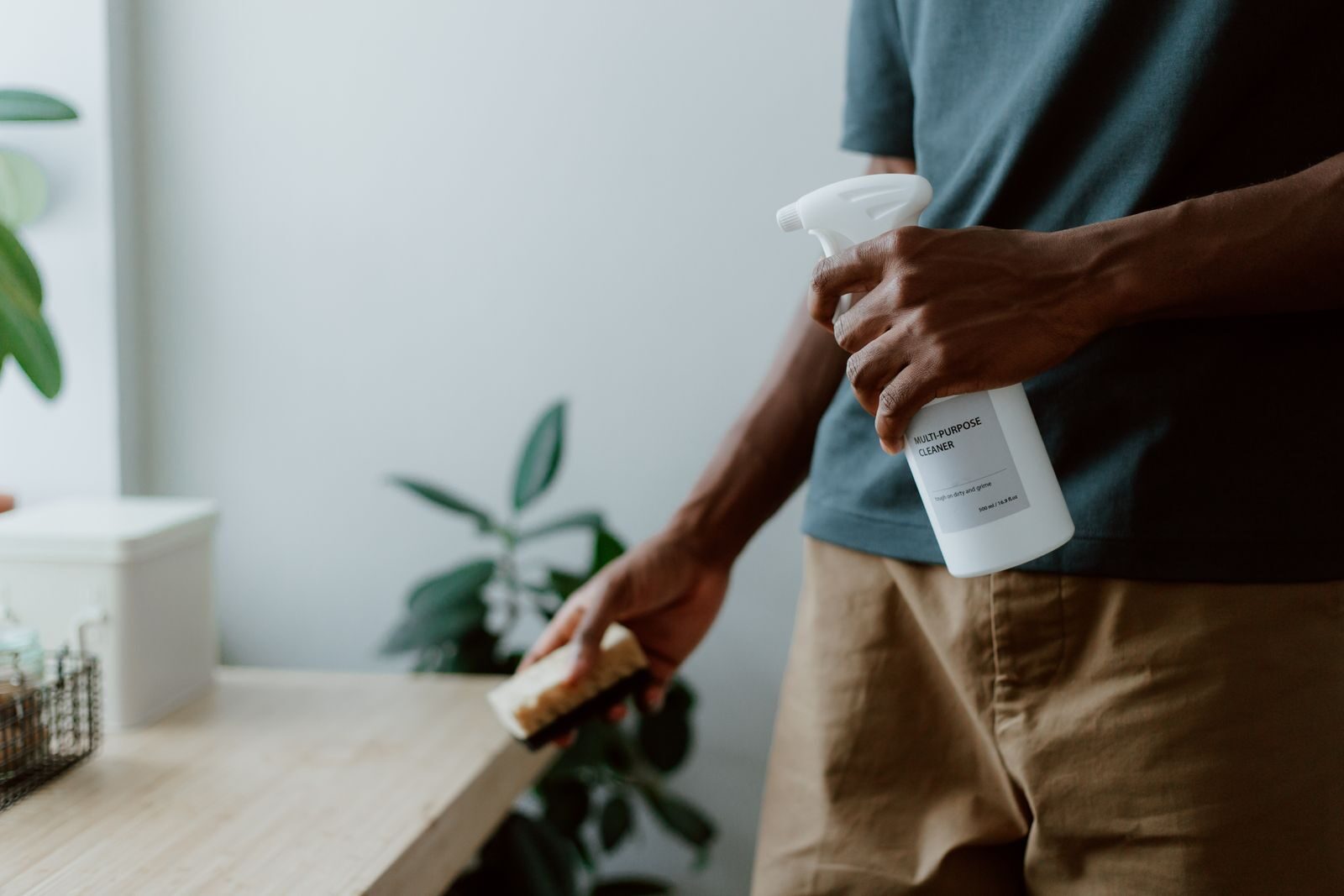
But surfactant based cleaning is not the same as disinfection. Disinfection requires reducing a specific bacterial population by a specific amount under standardised test conditions. General purpose cleaning with a surfactant based cleaner removes bacteria by physically lifting them from surfaces and rinsing them away. That is different from killing them chemically.
Plant based surfactant cleaners without added antimicrobial ingredients like tea tree oil or thymol are not disinfectants in the regulatory sense. They clean effectively. They reduce surface bacterial loads through physical removal. They are not appropriate substitutes for disinfectants where genuine pathogen reduction is required.
Understanding the difference between cleaning and disinfecting is one of the most practically important things I can tell you about natural cleaning products.
Are Plant Based Surfactants Safe
For human use alkyl polyglucosides have an excellent safety profile. They are non-irritating to skin at typical use concentrations, non-toxic if ingested in small amounts, and non-sensitising for most people. They appear in baby products and sensitive skin formulations precisely because of this profile.
For aquatic environments the picture is generally positive but worth reading carefully. A review of alkyl polyglucoside environmental fate confirmed readily biodegradable status in laboratory settings with low toxicity to aquatic organisms for both parent compounds and metabolites (Rastogi, 2021). Low toxicity to fish, daphnia, and algae in standard tests. Rapid biodegradation under aerobic conditions. Minimal bioaccumulation potential due to their hydrophilic character.
The same review noted that field data on real world aquatic environment effects remains limited beyond laboratory conditions. That is an important honest caveat. Laboratory biodegradation results and behaviour in cold water, sediment environments, or low oxygen systems are not always identical. The environmental story for APGs is positive but not fully complete.
The one further nuance worth knowing is that manufacturing plant derived surfactants is not impact free. Palm oil derived fatty alcohols carry the environmental burden of palm oil production. Coconut derived fatty alcohols have a better environmental origin story but coconut production has its own land use considerations. The surfactant molecule itself may be benign but the supply chain behind the plant raw materials is worth being aware of.
What to Look for on a Natural Cleaning Product Label
Given all of this here is what tells you whether a plant based surfactant claim is meaningful.
Look for specific ingredient names rather than vague claims. Coco glucoside, decyl glucoside, lauryl glucoside, and sodium coco-sulfate are specific plant derived surfactants you can evaluate. Plant based surfactants as a general claim tells you nothing about which compounds are actually in the formula.
Check the surfactant position in the ingredient list. A cleaning product where the surfactant appears at position 8 of 10 after multiple fragrances and preservatives is not primarily a surfactant based cleaner regardless of how natural the label sounds.
For biodegradability claims look for specific test method references. OECD 301 series pass results are the meaningful standard. Biodegradable without qualification is marketing language.
Before You Reach for the Natural Cleaner
Plant based surfactants clean through exactly the same mechanism as conventional surfactants. The difference is not in how they clean your surfaces. It is in what happens after they go down the drain.
If environmental impact after use matters to you and you are choosing between a product formulated with alkyl polyglucosides and one formulated with linear alkylbenzene sulfonates the plant derived option has genuinely better environmental credentials based on the ecotoxicological evidence.
If you are looking for a disinfectant to kill bacteria on surfaces a plant based surfactant cleaner without specific antimicrobial ingredients is not what you need regardless of how natural it is.
Understanding those two things puts you in a much better position to evaluate any natural cleaning product claim than reading the marketing on the front of the bottle.
Summary
Surfactants clean by forming micelles that trap oil and grease allowing water to rinse them away. Plant derived surfactants like alkyl polyglucosides use glucose from corn or wheat and fatty alcohols from coconut or palm as starting materials. They clean through the same mechanism as conventional surfactants. Their genuine advantage is environmental.
Alkyl polyglucosides biodegrade rapidly and have low aquatic toxicity compared to many conventional surfactants. Biodegradable claims are only meaningful when specific test method results are cited. Plant based surfactant cleaners without antimicrobial ingredients are not disinfectants and do not replace disinfection where pathogen reduction is required.
FAQs
What are plant based surfactants?
Surfactant molecules with plant derived components. The most common are alkyl polyglucosides made from glucose derived from corn or wheat starch combined with fatty alcohols from coconut or palm oil. They have the same dual hydrophilic hydrophobic structure as all surfactants but with better environmental biodegradation profiles than many conventional alternatives.
Are plant based surfactants safe?
Yes for human use and for aquatic environments. Alkyl polyglucosides have low skin irritation potential, low aquatic toxicity in ecotoxicological testing, and rapid biodegradation under standard test conditions. They appear in sensitive skin and baby product formulations because of their mild safety profile.
Do plant based cleaning products kill bacteria?
Surfactant based cleaners remove bacteria from surfaces through physical lifting and rinsing rather than chemical killing. This reduces surface bacterial loads effectively but is not the same as disinfection. Plant based cleaners without specific antimicrobial ingredients do not meet disinfection standards and should not substitute for disinfectants where pathogen reduction is required.
Are plant based surfactants biodegradable?
Most alkyl polyglucosides pass ready biodegradability tests under OECD 301 series standards. That is a meaningful distinction from some conventional surfactants. Biodegradable claims on cleaning products without specific test method references are not reliably meaningful.
What is the most natural surfactant?
Saponins produced directly by plants like soapwort and horse chestnut are the most naturally occurring surfactants. In commercial cleaning products alkyl polyglucosides are the most common plant derived surfactants with the best combination of cleaning performance, skin safety, and environmental profile.
Are plant based detergents better than conventional ones?
For cleaning performance they are comparable. For environmental impact after use the evidence supports better aquatic biodegradation and lower toxicity for alkyl polyglucosides compared to some conventional surfactant classes. The environmental advantage is real. The cleaning advantage is not significant.
What does coconut derived mean on a cleaning product?
It typically means the fatty alcohol component of the surfactant molecule was sourced from coconut oil rather than petrochemical processes. Coco glucoside and lauryl glucoside are common coconut derived surfactants. The cleaning mechanism is identical to petrochemical derived equivalents but the biodegradation profile is generally better.