



Eco Home Science
Natural Products. Follow the Evidence
The eco and natural home product market is full of claims. Plant-based. Non-toxic. Air-purifying. Biodegradable. Scientifically proven.
Most of those claims are either accurate, exaggerated, or meaningless depending on the specific product and the specific context. The problem is that most content reviewing eco products cannot tell the difference because it is written by people without the scientific background to evaluate the chemistry.
This site is different.
I am a plant biologist and environmental scientist with an MSc in Environmental Biology and Biogeochemistry, field research experience measuring real ecosystem processes, and postgraduate specialist training in indoor air quality, particulate pollution, and chemical measurement quality control.
I evaluate eco and natural home products the way an environmental scientist would. That means looking at the ingredient chemistry, the environmental evidence, and the scientific literature behind the claims rather than the packaging and the marketing.
“The chemistry does not lie. The marketing often does”
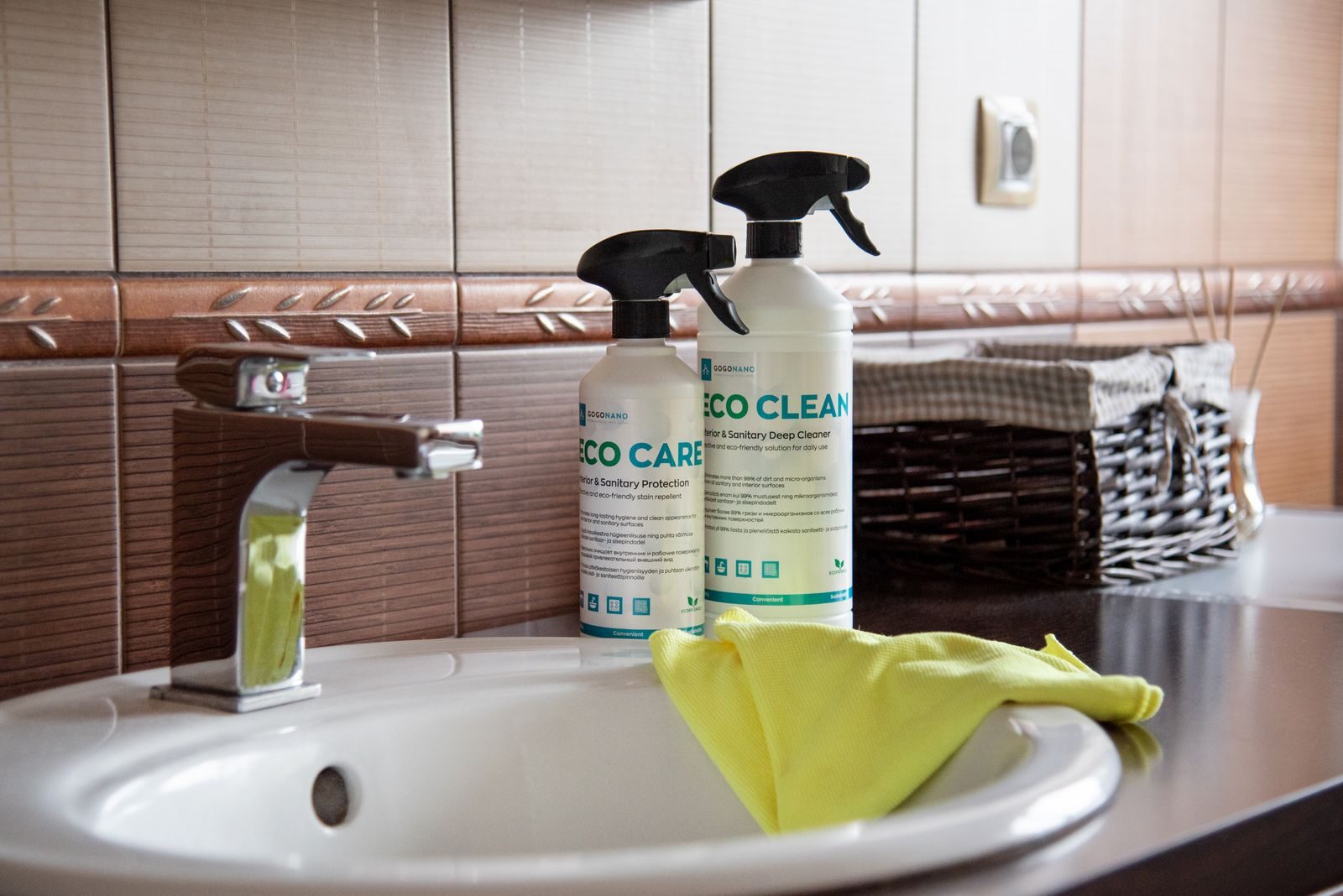
Explore by section
Four areas, one approach: follow the chemistry and the evidence, not the marketing. Here is where to start.

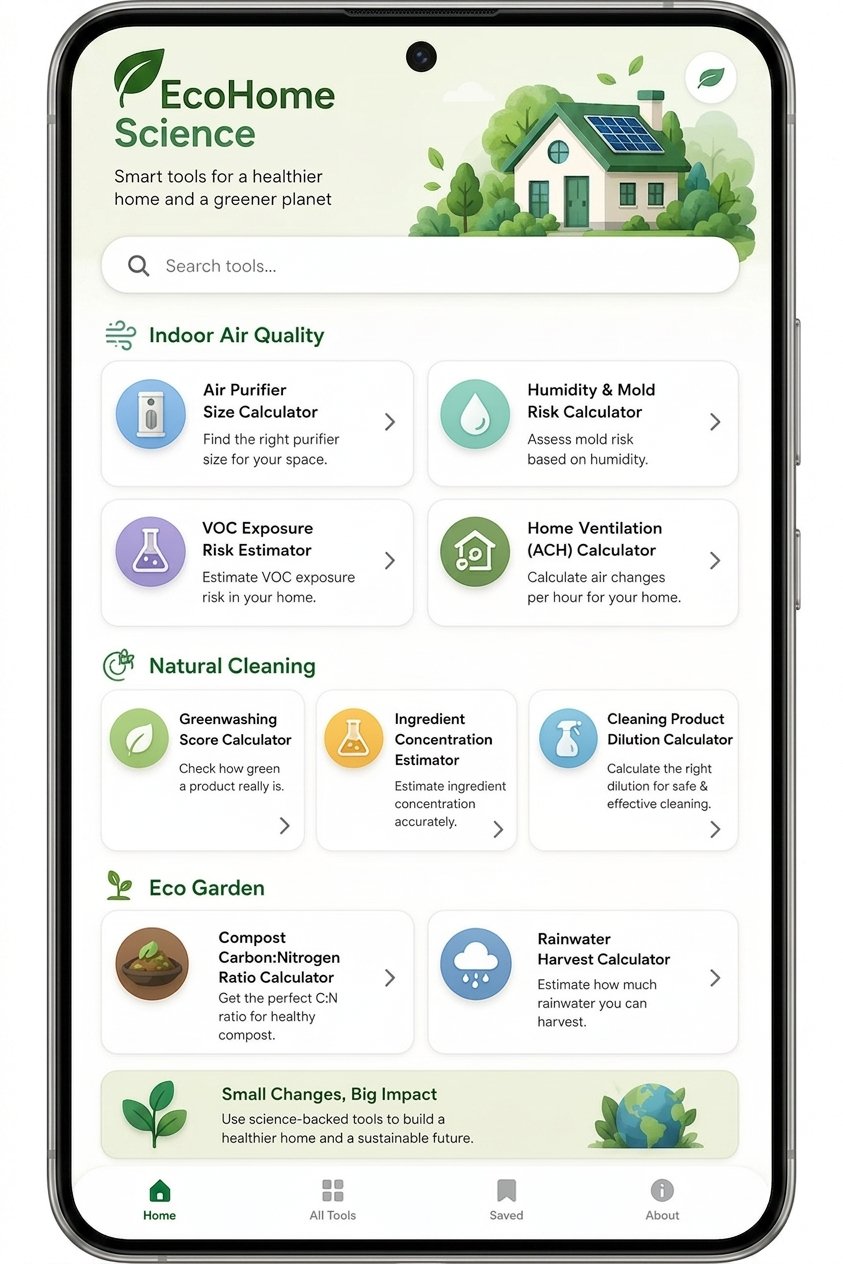
Try My Free Tools
Check the claims yourself. Free, science-backed calculators for cleaner air, effective cleaning, and healthier soil.