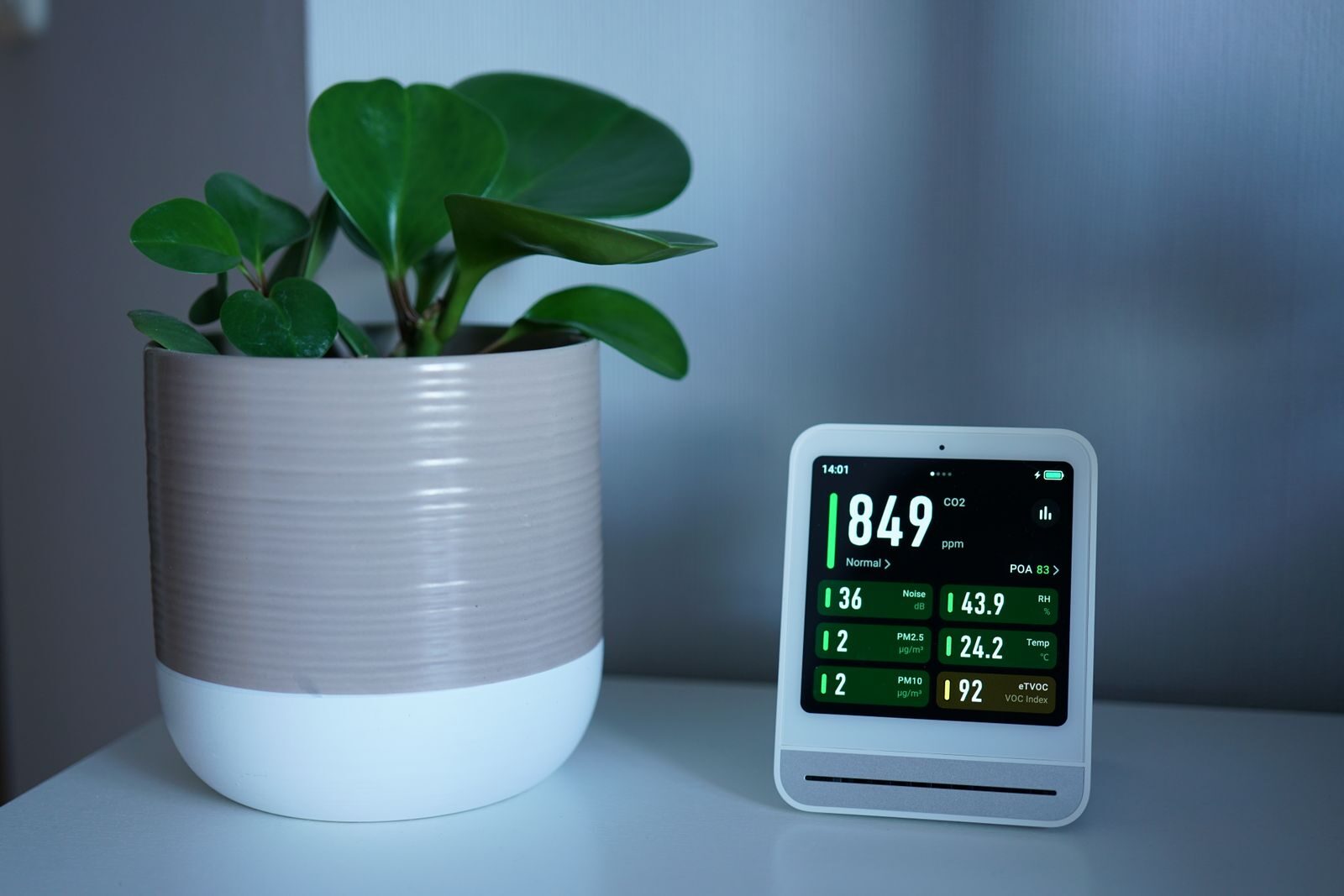
Indoor air quality monitor displaying CO2 VOC and particulate readings next to a houseplant
vocs-in-home-air-quality-monitor-display
Reduce the Hidden Pollutants in Your Home
previous arrow
next arrow

Natural Cleaning

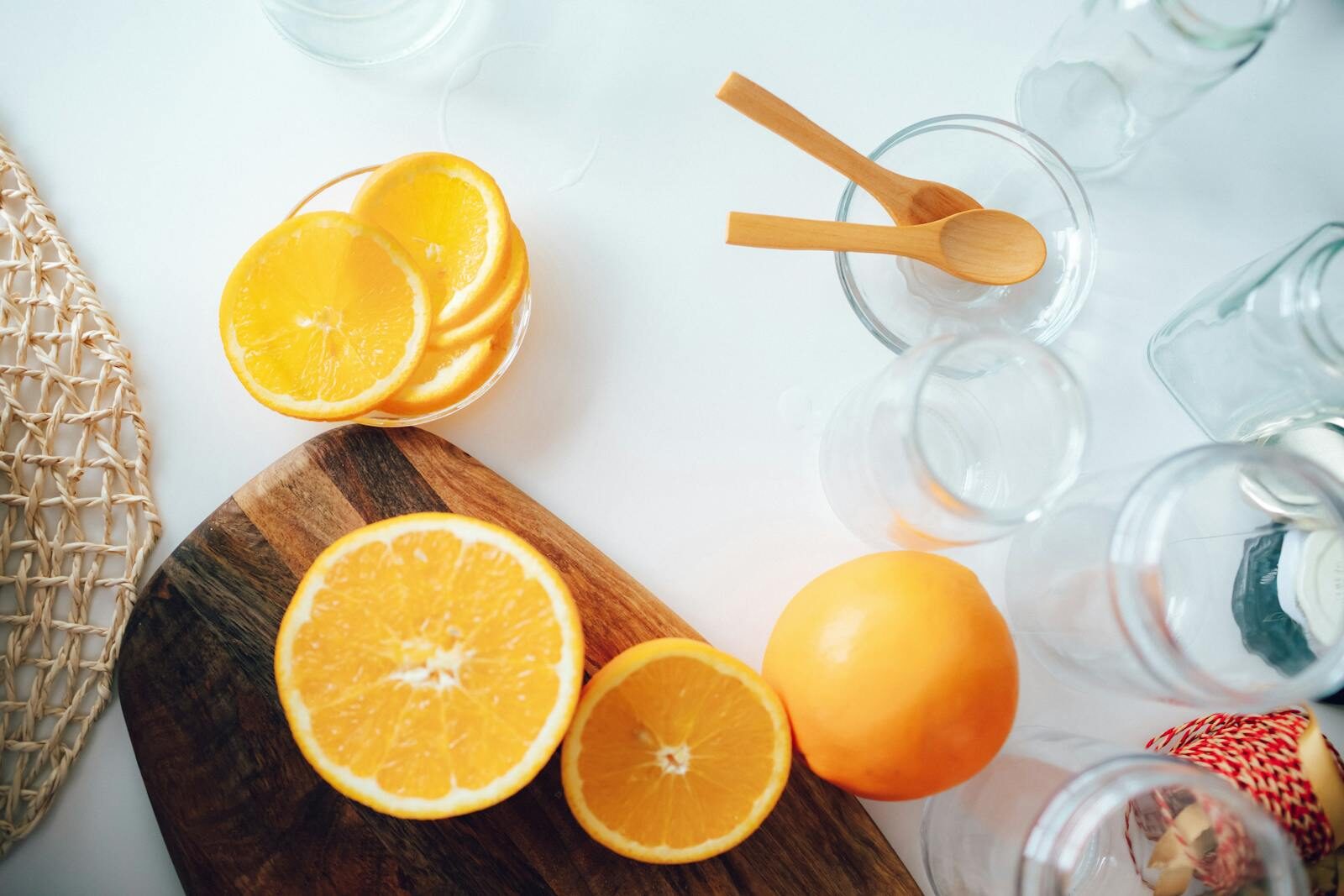
Sliced oranges and glass jars on a white surface for natural cleaning


Natural Cleaning

Natural cleaning products make a lot of claims. Plant-based. Non-toxic. Biodegradable. Some of those claims are accurate. Some are marketing language with no chemical substance behind them.

This section evaluates natural cleaning ingredients and products through chemistry. I look at how surfactants actually work, what antimicrobial ingredients have genuine evidence behind them, and what biodegradable actually means once you trace it through environmental chemistry.

Plant-based cleaning products range from genuinely effective formulations with solid evidence behind them, to products that are mostly water with token natural ingredients and a green label. The difference is usually in the chemistry: what surfactant is actually doing the cleaning, what concentration of antimicrobial compound is present, and whether a biodegradability claim reflects real environmental testing or just marketing language. This section works through those questions ingredient by ingredient.


Explore by topic
Plant-Based Surfactants

Surfactants are the part of a cleaning product that actually lifts dirt and grease off a surface. Plant-derived versions, like those made from coconut or corn, can work just as well as synthetic ones, but not all of them do, and concentration matters as much as origin. I look at which plant-based surfactants have real cleaning power behind them, and where a formula is leaning on the word “plant-based” to do work the chemistry doesn’t back up.

Read the posts →


Natural Antimicrobial Ingredients

Tea tree oil, thyme, vinegar, and a handful of other natural ingredients get sold as antimicrobial actives, but the evidence for each varies enormously, and so does the concentration needed to actually matter. I go through what’s genuinely been shown to reduce microbes, at what strength, and where a natural antimicrobial claim on a bottle isn’t backed by anything close to that.

Read the posts →


Biodegradability, What It Actually Means

“Biodegradable” sounds like a simple promise, but the real definition depends on the testing standard used, how long full breakdown actually takes, and what conditions it happens under. A product can be technically biodegradable and still take years to break down in the wrong environment. I trace these claims back to the actual environmental chemistry and testing standards behind them.

Read the posts →


Greenwashing in Cleaning Products

Words like “natural,” “non-toxic,” and “eco-friendly” have no legal definition on a cleaning product label, which means any brand can use them freely. I break down which claims and certifications are actually regulated and checkable, and which ones are just well-designed marketing language sitting on an otherwise ordinary formula.

Read the posts →


ecohomescience logo serge Msc