






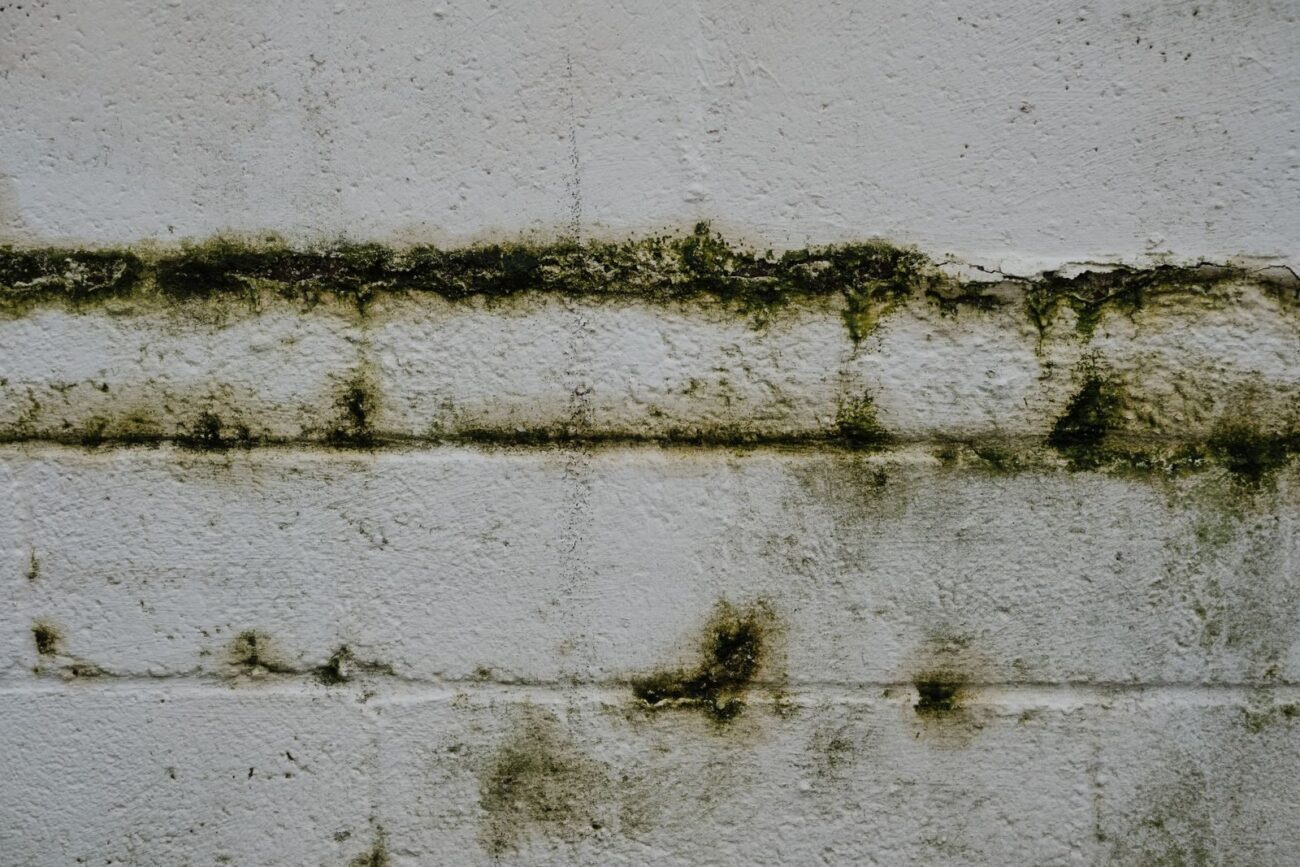
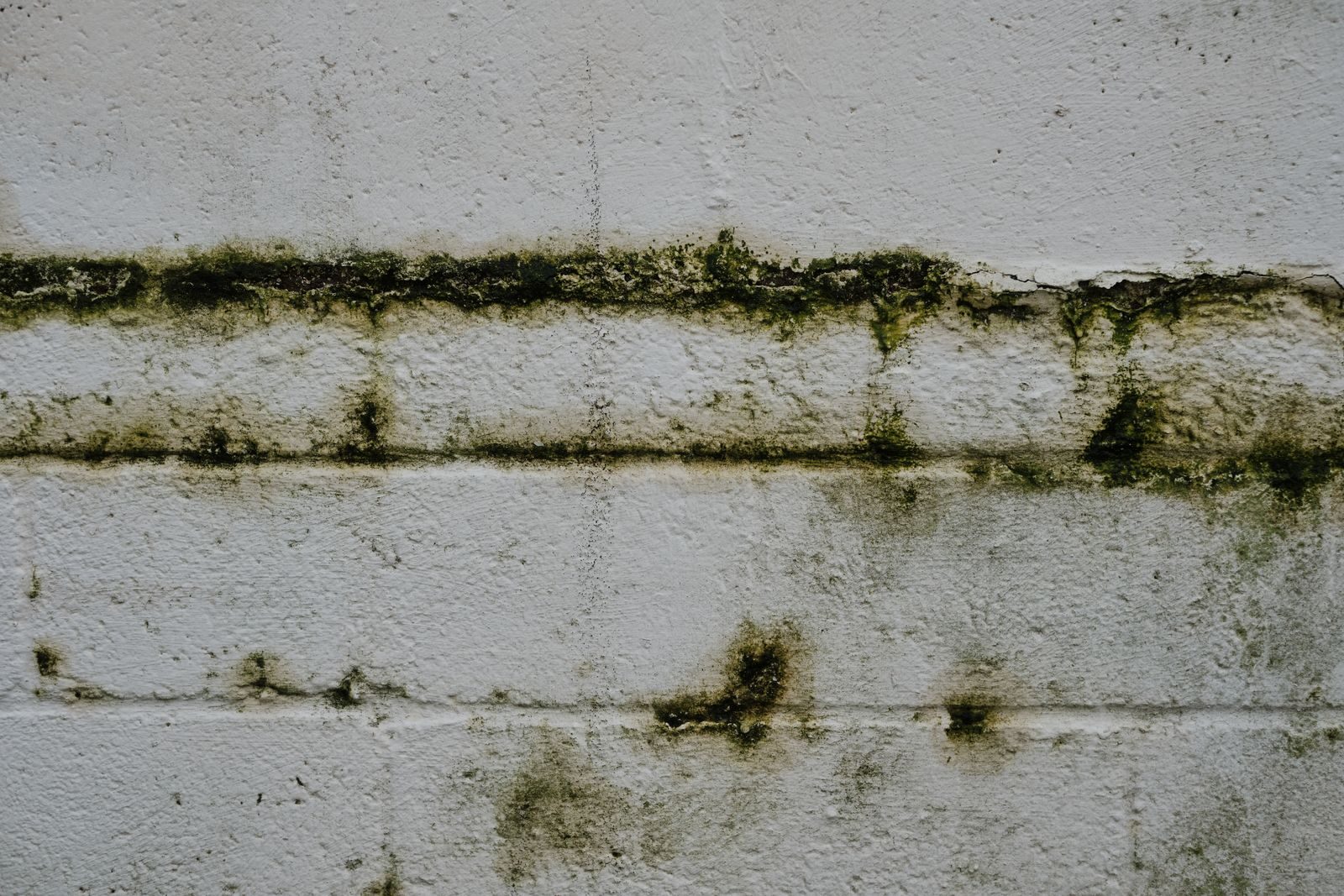
You spotted it in the corner of the bathroom. Or behind the wardrobe. Or on the bedroom ceiling. Dark patches. A musty smell you cannot quite place.
And now you are wondering whether you should be worried.
I want to give you a clear, evidence based answer to that question. My postgraduate specialist training in indoor microbes, exposure assessment, and health effects gives me a specific framework for evaluating what household mould actually is, what it does, and what the evidence shows about managing it.
Let me walk you through it properly.
What Mould Is
Mould is not a single organism. It is a broad category of fungi that reproduce by releasing microscopic spores into the air. Those spores are everywhere. In every home. In every room. Right now as you read this.
That is not alarming. It is normal biology. Fungal spores are a permanent feature of indoor and outdoor air. The question is not whether spores are present but whether conditions in your home allow them to germinate and grow into visible mould colonies.
For germination and growth mould needs moisture. That is the single most important factor. Temperature matters too but moisture is the primary driver. Most common indoor moulds grow well between 15 and 30 degrees Celsius which covers most home environments. What separates a home with a mould problem from one without is almost always moisture availability rather than temperature.
The moulds you are most likely to encounter in homes belong to a relatively small group of genera. Cladosporium, Penicillium, Aspergillus, and Stachybotrys are the most commonly discussed in indoor air quality contexts. Each has different moisture requirements, growth rates, and health significance.
What Causes Mould in Homes
Understanding the cause is more useful than any remediation product because it tells you where to direct your effort.
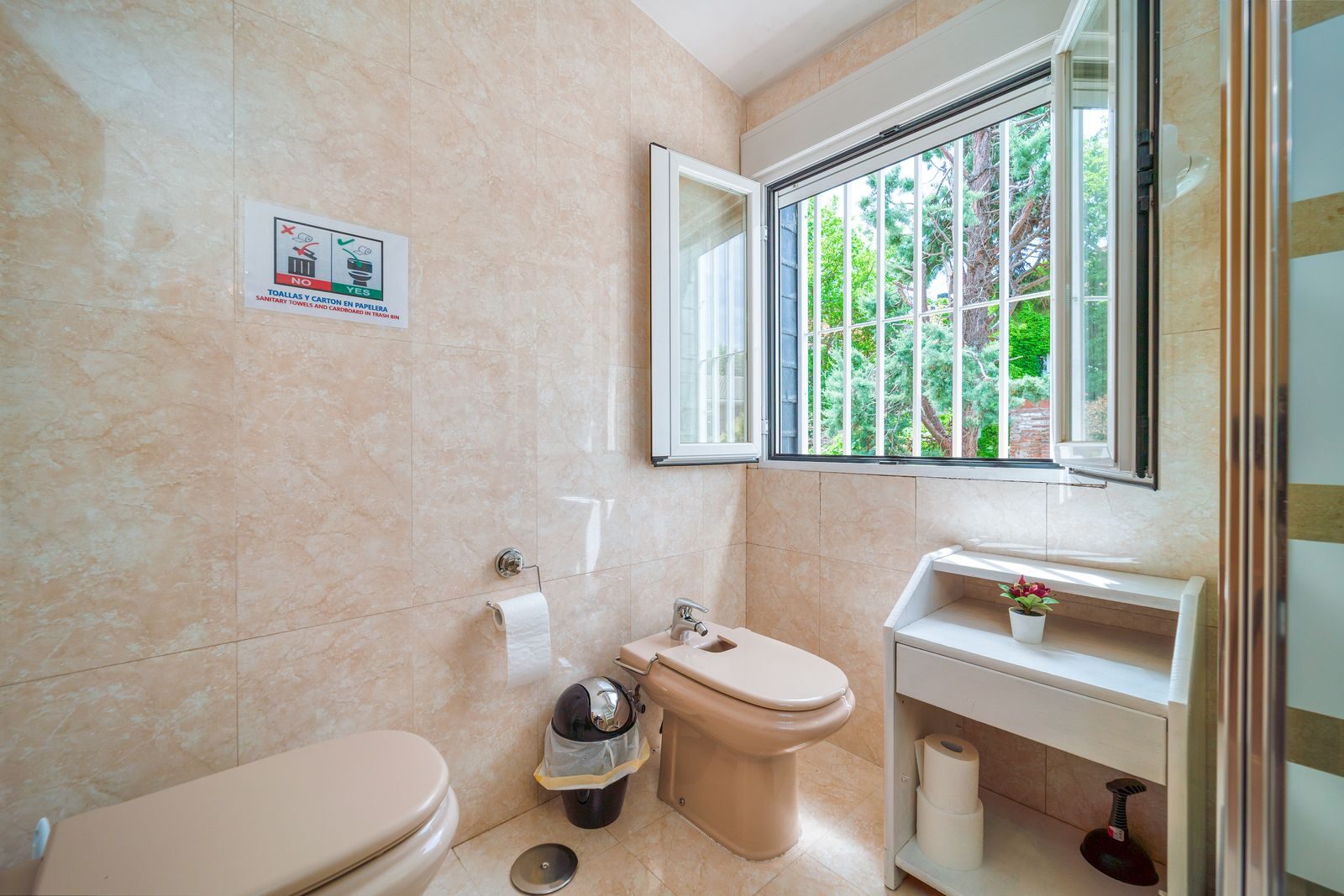
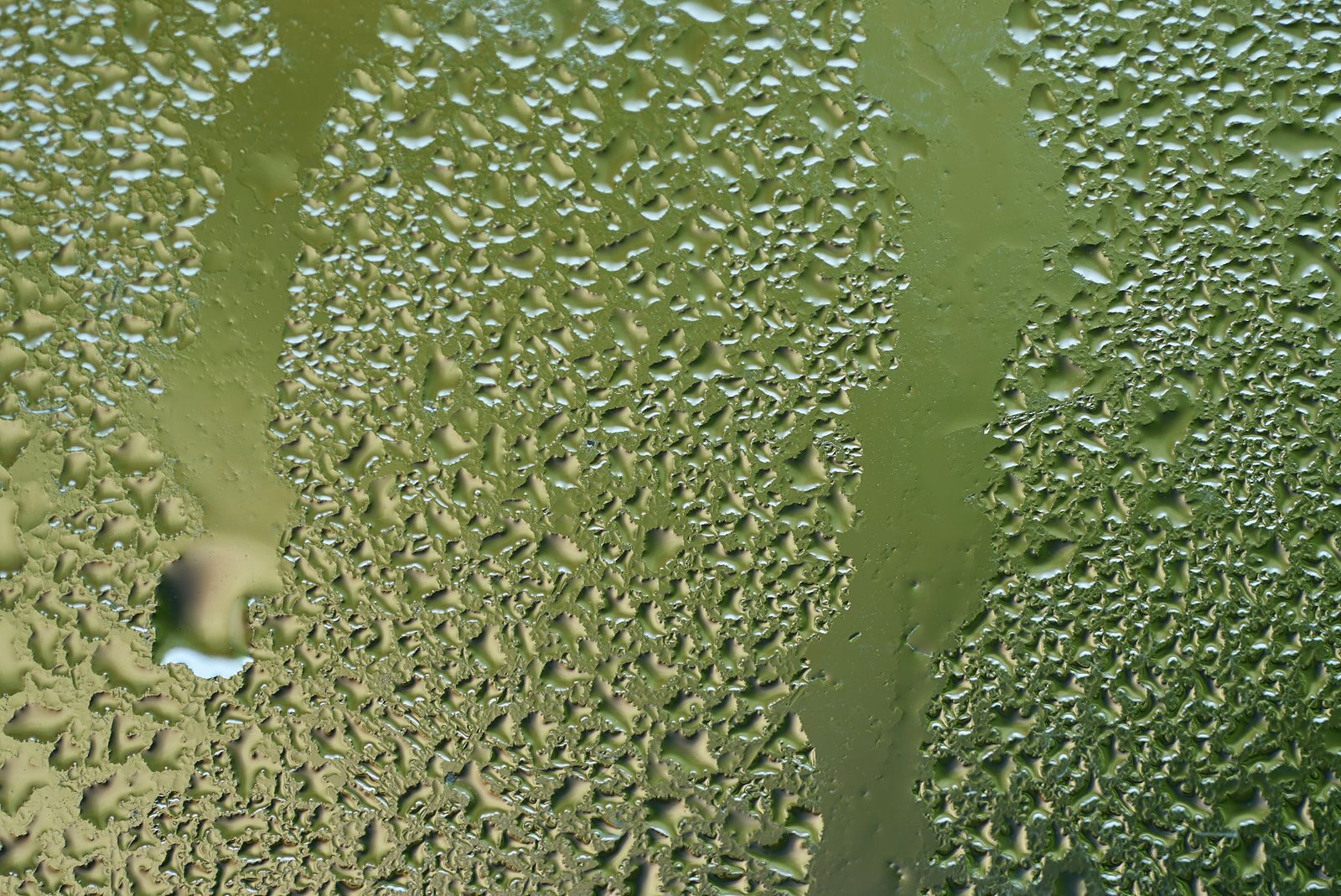
Condensation is the most common cause of household mould in temperate climates. When warm moist air from cooking, showering, or breathing contacts a cold surface like an exterior wall, window frame, or poorly insulated ceiling the water vapour condenses. That surface moisture creates the conditions mould needs. Bathrooms, kitchens, and bedrooms with poor ventilation are the most common sites for condensation related mould.
Building defects allow external moisture to penetrate. Leaking roofs, blocked gutters, damaged pointing, and poor damp proofing all introduce moisture from outside. This type of mould problem does not respond to ventilation improvements alone because the moisture source is structural.
Lifestyle factors affect indoor humidity significantly. Drying laundry indoors, keeping many houseplants, cooking without extraction, and having many occupants in a small space all increase indoor humidity. In a well ventilated home these factors are manageable. In a poorly ventilated home they can push humidity to levels that support mould growth consistently.
Poor insulation creates cold surfaces where condensation forms even with normal indoor humidity. A single cold bridge where insulation is absent or inadequate can produce persistent surface condensation and mould growth regardless of how much you ventilate the space.
Is Mould in the Home Dangerous
This is the question most people actually want answered and it deserves a precise response rather than a simple yes or no.
The health effects of indoor mould exposure depend on several factors. The species of mould present. The concentration of spores in the air. The duration of exposure. And critically the health status of the person being exposed.
For most healthy adults living with typical household mould at low to moderate levels the evidence suggests that symptoms if they occur are likely to be upper respiratory irritation, nasal congestion, coughing, and eye irritation. These are real effects but they are generally reversible when exposure ends.
For people with asthma, allergic conditions, or compromised immune function the picture is more concerning. The CDC notes that exposure to damp and mouldy environments may cause respiratory symptoms including stuffy nose, coughing, wheezing, and sore throat, with more severe reactions in people with asthma or compromised immune function (CDC Mould Resources).
In 2009 the World Health Organization also issued guidelines specifically on indoor air quality and dampness, further establishing the association between indoor mould and respiratory health effects. That association is well established in the epidemiological literature.
My postgraduate specialist training in indoor microbes and exposure assessment covered how fungal exposure is assessed, what the dose response evidence shows, and where the science is strong versus uncertain. The honest position is that the health evidence for mould at typical residential concentrations is clearer for respiratory effects and allergic sensitisation than for the more dramatic claims that circulate online about mould toxicity and neurological damage.
I am not in a position to give medical advice and this article is not a substitute for professional assessment if you have health concerns related to mould exposure. What I can do is help you understand the biology and the evidence.
What About Black Mould
Black mould gets a great deal of attention online and the claims made about it are often significantly more alarming than the evidence supports.
The term black mould most commonly refers to Stachybotrys chartarum. It is genuinely distinctive and does produce mycotoxins including trichothecenes under certain conditions. It requires very high and sustained moisture levels to grow, significantly wetter conditions than most indoor moulds need. Chronically damp materials like water damaged drywall and ceiling tiles are its typical habitat.
The concern about Stachybotrys is real but often overstated for typical residential situations. The CDC has stated that while Stachybotrys can cause health problems the scientific evidence for the dramatic neurological and systemic effects sometimes attributed to black mould exposure is not as strong as commonly portrayed in media and online content.
Not every dark coloured mould is Stachybotrys. Cladosporium and Aspergillus species also appear dark and are far more common in typical homes. Visual identification of mould species is not reliable. Laboratory testing of samples is required for species identification.
The practical implication is that all visible indoor mould warrants attention and remediation regardless of colour. Focusing specifically on whether mould is black as the determining factor for how seriously to take it is not the most useful framework.
Will Mould Go Away on Its Own
No. Not in any meaningful sense.
Mould colonies do not spontaneously disappear. If the moisture conditions that allowed them to develop persist the mould will continue to grow. If moisture conditions improve and the surface dries out surface mould may become dormant and less visually prominent but the fungal material remains and spores remain viable.
Painting over mould without addressing the moisture source is one of the most common and least effective approaches. The mould continues to grow behind or through the paint. The surface looks cleaner temporarily but the underlying biology is unchanged.
The only effective approach combines moisture source reduction with physical removal of mould growth and appropriate surface treatment.
How to Remove Mould in the Home
For surface mould on non-porous surfaces like tiles, glass, and sealed paintwork physical removal with an appropriate cleaning agent followed by drying is effective.
White vinegar at undiluted or minimal dilution has some antimicrobial activity against common household moulds through its acetic acid content and pH lowering effect. It is not a registered disinfectant but for surface mould on bathroom tiles and similar surfaces it is a reasonable first option with low environmental impact.
Sodium hypochlorite bleach at appropriate dilution is more reliably antimicrobial against moulds than vinegar. The standard recommendation for non-porous surface mould is a dilution of around one part bleach to ten parts water. Adequate ventilation during use is important as bleach vapour is itself an irritant.
For porous materials like plasterboard, grout, and soft furnishings that have visible mould growth the situation is more complex. These materials cannot be reliably decontaminated by surface treatment because the fungal hyphae penetrate into the material. In these cases removal and replacement of the affected material is often the only genuinely effective approach.
For significant mould problems particularly those involving large areas or porous structural materials professional assessment and remediation is worth considering. A professional can identify whether the moisture source is structural, assess the extent of contamination, and remediate safely.
How to Prevent Mould in the Home
Ventilation is the primary preventive measure. Opening windows regularly, using extraction fans in bathrooms and kitchens during and after moisture generating activities, and ensuring tumble dryers vent externally all reduce indoor humidity.
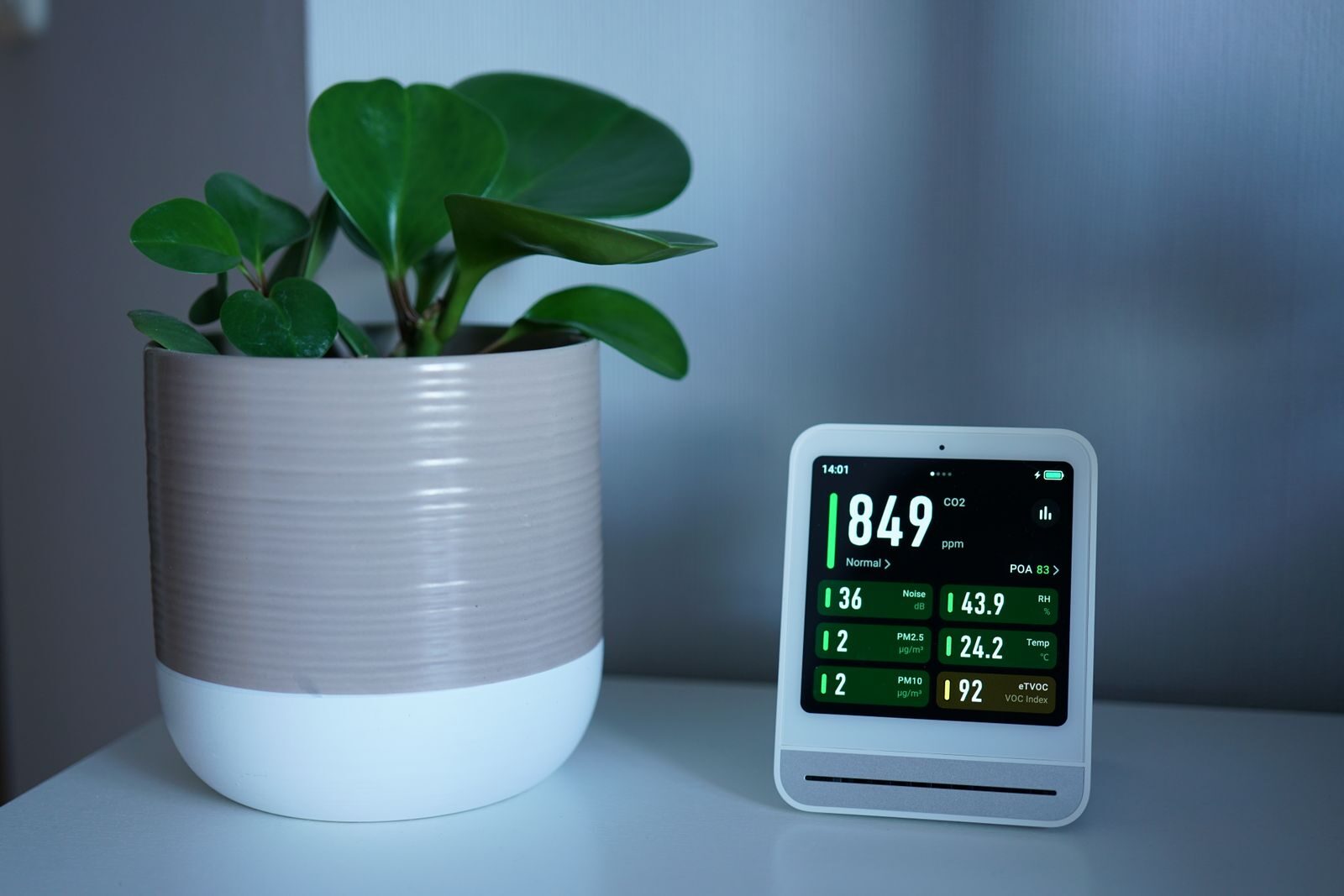
Maintaining indoor relative humidity below 60 percent reduces the conditions that support mould growth. A basic hygrometer is inexpensive and gives you real data about your indoor humidity rather than guessing. If your home consistently runs above 70 percent relative humidity mould risk is elevated and you need to address the moisture balance.
Improving insulation reduces cold surfaces where condensation forms. Thermal bridging at window frames, roof junctions, and uninsulated external walls creates persistent cold spots. Addressing these through insulation improvements reduces condensation risk significantly.
Addressing structural moisture sources promptly matters. A small roof leak or blocked gutter that is ignored for months creates the chronic high moisture conditions that support the most problematic indoor moulds including Stachybotrys.
What Does Mould in the Home Smell Like
The musty smell associated with mould comes from microbial volatile organic compounds or MVOCs. These are metabolic byproducts of fungal growth that are released into the air as gases.
MVOCs have a characteristic earthy, damp, musty odour that most people find unpleasant and can detect at low concentrations. Detecting that smell in a room without obvious visible mould is often a reliable indicator that mould is growing somewhere in the space, possibly hidden behind walls, under flooring, or inside wall cavities where it is not visible.
The presence of that smell without visible mould is a reason to investigate further rather than ignore. Hidden mould in wall cavities or under flooring can represent a more significant problem than surface mould because it is harder to address and may involve larger affected areas.
The Natural Remediation Claims Worth Questioning
I want to address some of the natural mould remediation claims that circulate widely because my indoor microbes training gives me a specific perspective on them.
Tea tree oil is frequently promoted as a natural mould killer. Terpinen-4-ol the primary active compound in tea tree oil does have documented antifungal activity in laboratory conditions. The practical question is whether the concentrations achievable through typical household application are sufficient for meaningful mould remediation on real surfaces. The evidence for tea tree oil as a reliable household mould remediator at practical concentrations is weaker than the marketing suggests.
Grapefruit seed extract is promoted with similar claims. The antimicrobial activity attributed to commercial grapefruit seed extract preparations has been shown in multiple studies to be largely attributable to synthetic preservative contamination rather than the grapefruit compounds themselves. I would not rely on this product for mould remediation.
Clove oil contains eugenol which has documented antifungal activity. Like tea tree oil the evidence at practical household concentrations is limited. It also contains compounds that are skin and respiratory irritants and should be used with caution in enclosed spaces.
The practical conclusion is that for significant mould problems the evidence base for conventional approaches including physical removal, bleach at appropriate dilution, and moisture control is considerably stronger than for natural alternatives.
Before You Reach for Any Product
The most important thing I want you to take from this article is that mould remediation products of any kind are a secondary consideration. The moisture source is the primary one.
Spraying any product on visible mould without addressing the reason the mould is there will produce temporary improvement at best. The mould will return because the conditions that support it have not changed.
Identify your moisture source first. Is it condensation from inadequate ventilation. Is it a structural defect allowing water ingress. Is it a lifestyle factor like indoor laundry drying. Is it a combination.
Address the moisture. Then remove the visible mould. Then monitor to confirm the problem does not return. That sequence is the only one that actually works.
Summary
Mould grows where moisture is available. Condensation from poor ventilation is the most common cause of household mould in temperate climates. Health effects at typical residential exposure levels are most clearly supported for respiratory irritation and allergic sensitisation particularly in vulnerable individuals.
Black mould specifically Stachybotrys chartarum requires very high sustained moisture and its health effects are often overstated relative to the evidence. Mould does not go away on its own while moisture conditions persist. Physical removal combined with moisture source reduction is the only effective approach.
Ventilation is the primary preventive measure. Natural remediation products have weaker evidence than physical removal and moisture control for significant mould problems.
FAQs
Is mould in the home dangerous?
It depends on the species, concentration, duration of exposure, and the health of the person exposed. For most healthy adults typical residential mould causes respiratory irritation at most. For people with asthma, allergies, or compromised immunity the WHO associates indoor dampness and mould with increased respiratory risk. If you have health concerns related to mould exposure consult a healthcare professional.
Can mould in the home make you sick?
It can cause respiratory irritation, nasal congestion, coughing, and allergic symptoms in susceptible individuals. People with asthma or compromised immune function are more vulnerable. The evidence for dramatic systemic or neurological effects from typical residential mould exposure is weaker than often portrayed online.
What does mould in the home look like?
Visible mould appears as patches of discolouration typically dark green, black, grey, or brown on walls, ceilings, and around window frames. It often appears first in corners, on cold exterior walls, and in bathrooms and kitchens with poor ventilation.
Will mould go away on its own?
No. While moisture conditions that support mould growth persist the colony will continue to grow. If surfaces dry out mould may become dormant but does not disappear. Addressing the moisture source and physically removing the mould are both necessary.
What kills mould in the home?
Physical removal combined with diluted sodium hypochlorite bleach is the most evidence supported approach for non-porous surfaces. For porous materials like plasterboard removal and replacement of affected material is often necessary. Addressing the moisture source is more important than any cleaning product.
Is black mould more dangerous than other household moulds?
Stachybotrys chartarum the most commonly referenced black mould does produce mycotoxins and requires attention. However not all dark mould is Stachybotrys and the dramatic health effects attributed to black mould are often overstated relative to the evidence. All visible indoor mould warrants remediation regardless of colour.
How do I prevent mould in my home?
Ventilate during and after moisture generating activities. Maintain indoor relative humidity below 60 percent. Address structural moisture sources promptly. Improve insulation at cold surfaces where condensation forms. Use extraction fans in bathrooms and kitchens.
What does mould in the home smell like?
A musty earthy damp odour caused by microbial volatile organic compounds produced during fungal growth. Detecting that smell without visible mould suggests hidden mould growth that warrants further investigation.