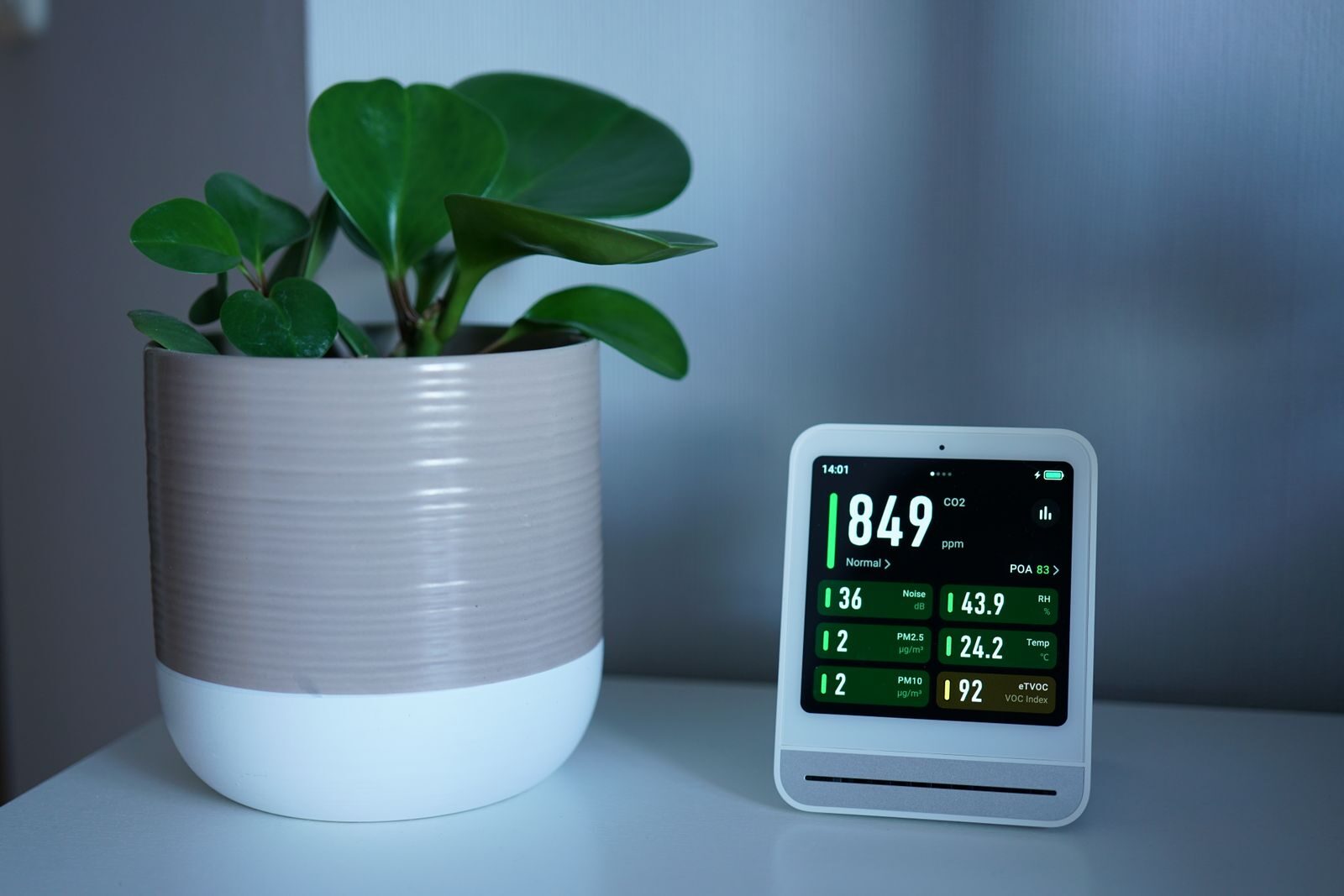

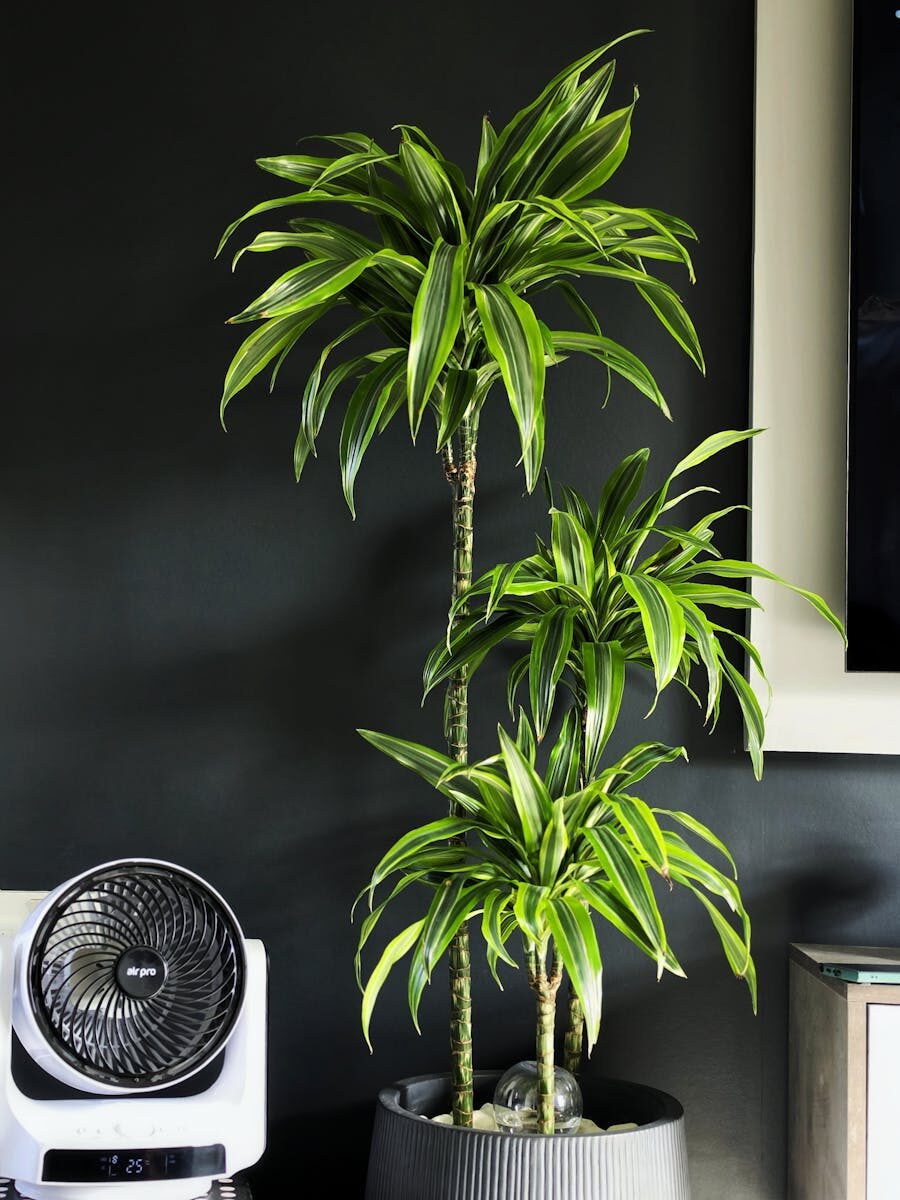

Indoor air quality monitor displaying CO2 VOC and particulate readings next to a houseplant
vocs-in-home-air-quality-monitor-display
Reduce the Hidden Pollutants in Your Home
previous arrow
next arrow

Eco Garden

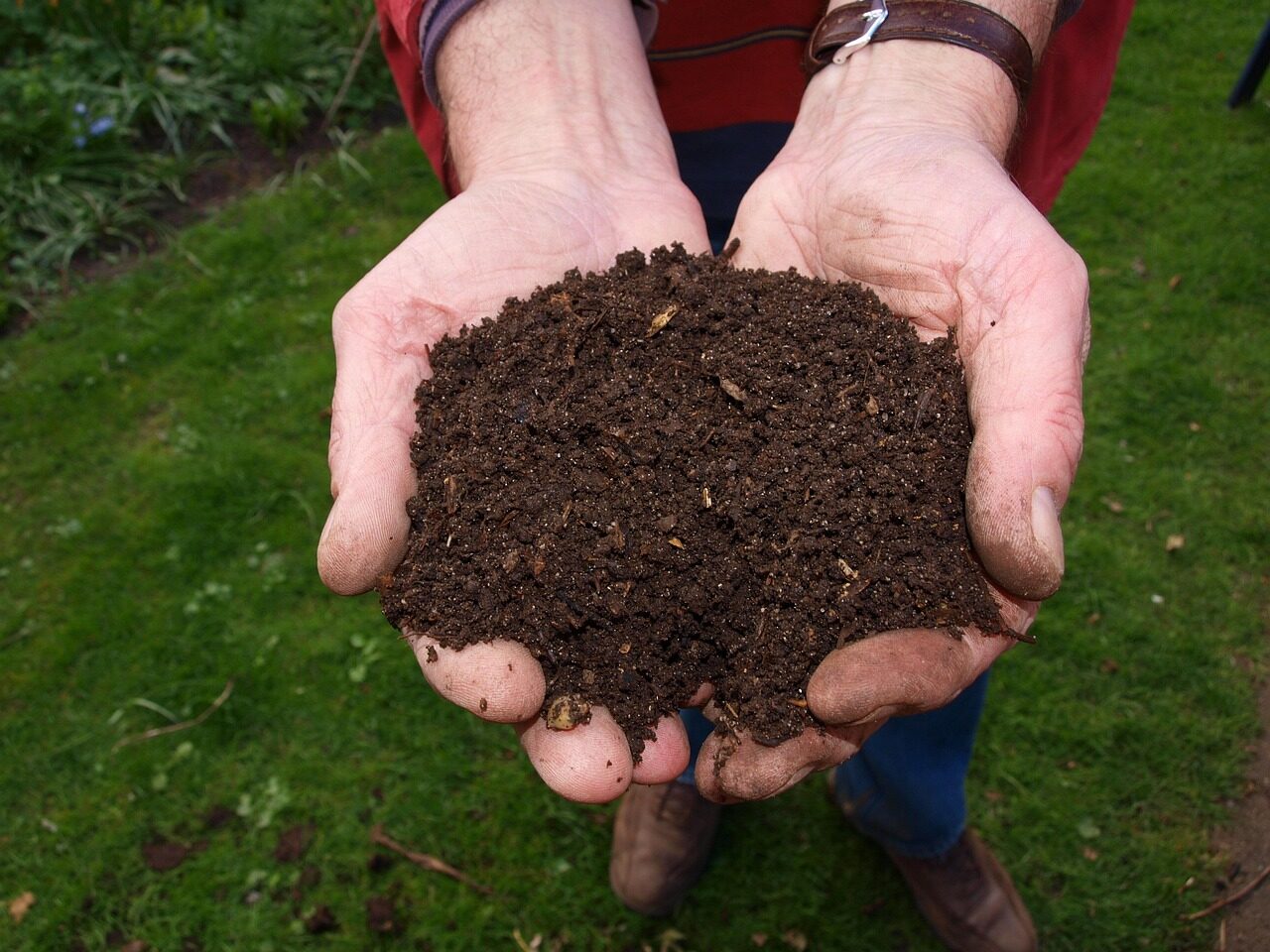
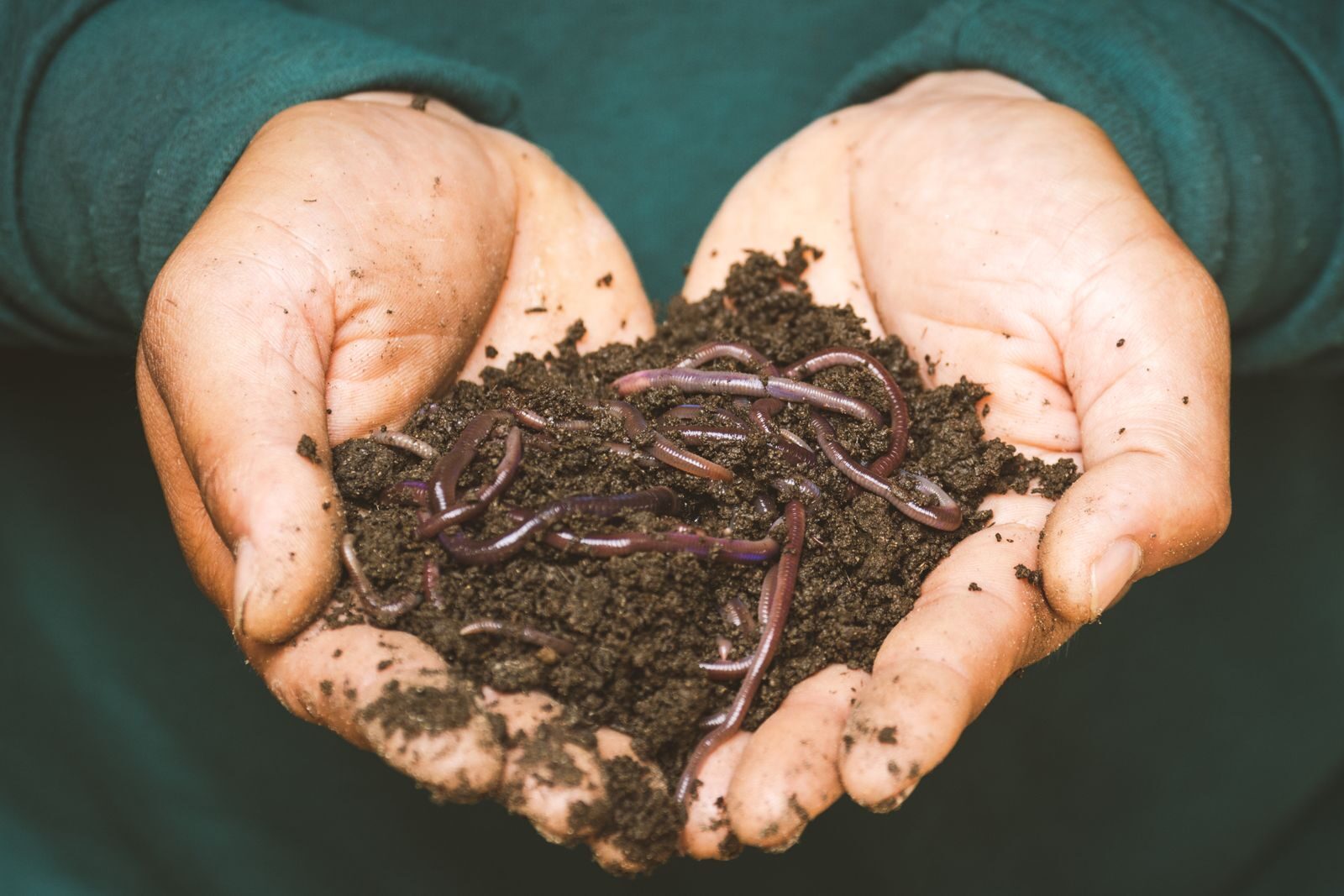
Hands holding dark garden soil with earthworms


Eco Garden

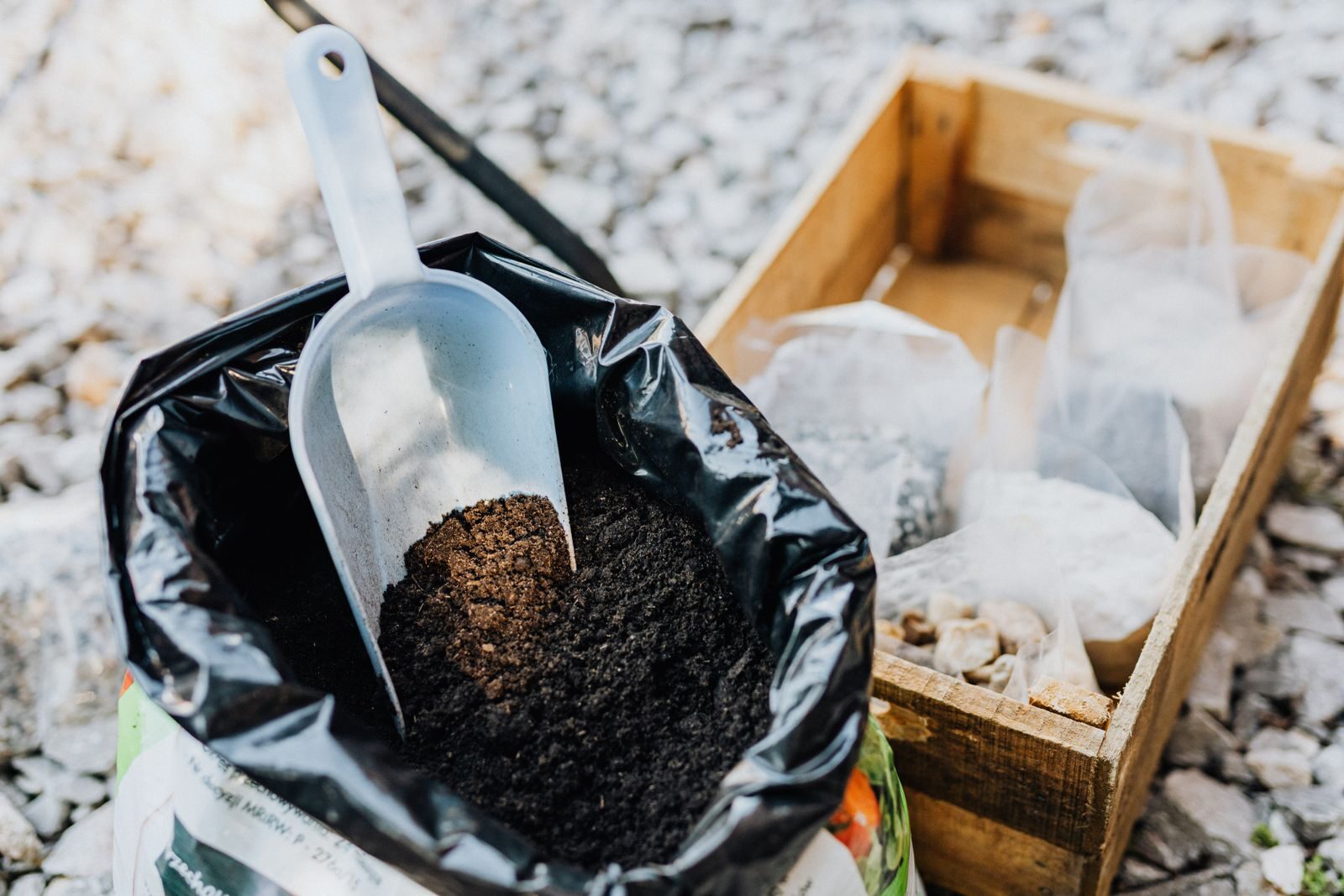
Eco garden products are one of the most marketing-heavy categories in the natural home market. Mycorrhizal inoculants, compost activators, seaweed fertilisers, biochar. The claims are often big, and the evidence is often thin.

This section evaluates eco garden products through soil biology and biogeochemistry. I look at what the chemistry and the field evidence actually show behind the most popular soil health product claims.

Healthy soil is genuinely complex. Carbon cycling, nitrogen transformation, microbial communities, fungal networks. The science behind soil health is real and fascinating. The problem is that many eco garden products borrow that scientific language without delivering what the label implies.

Whether a mycorrhizal inoculant product actually contains viable fungal propagules. Whether a compost activator does anything a well managed compost pile wouldn’t do on its own. Whether biochar products justify their cost with real soil chemistry benefits. This section works through the evidence.


Explore by topic
Mycorrhizal Inoculant Products

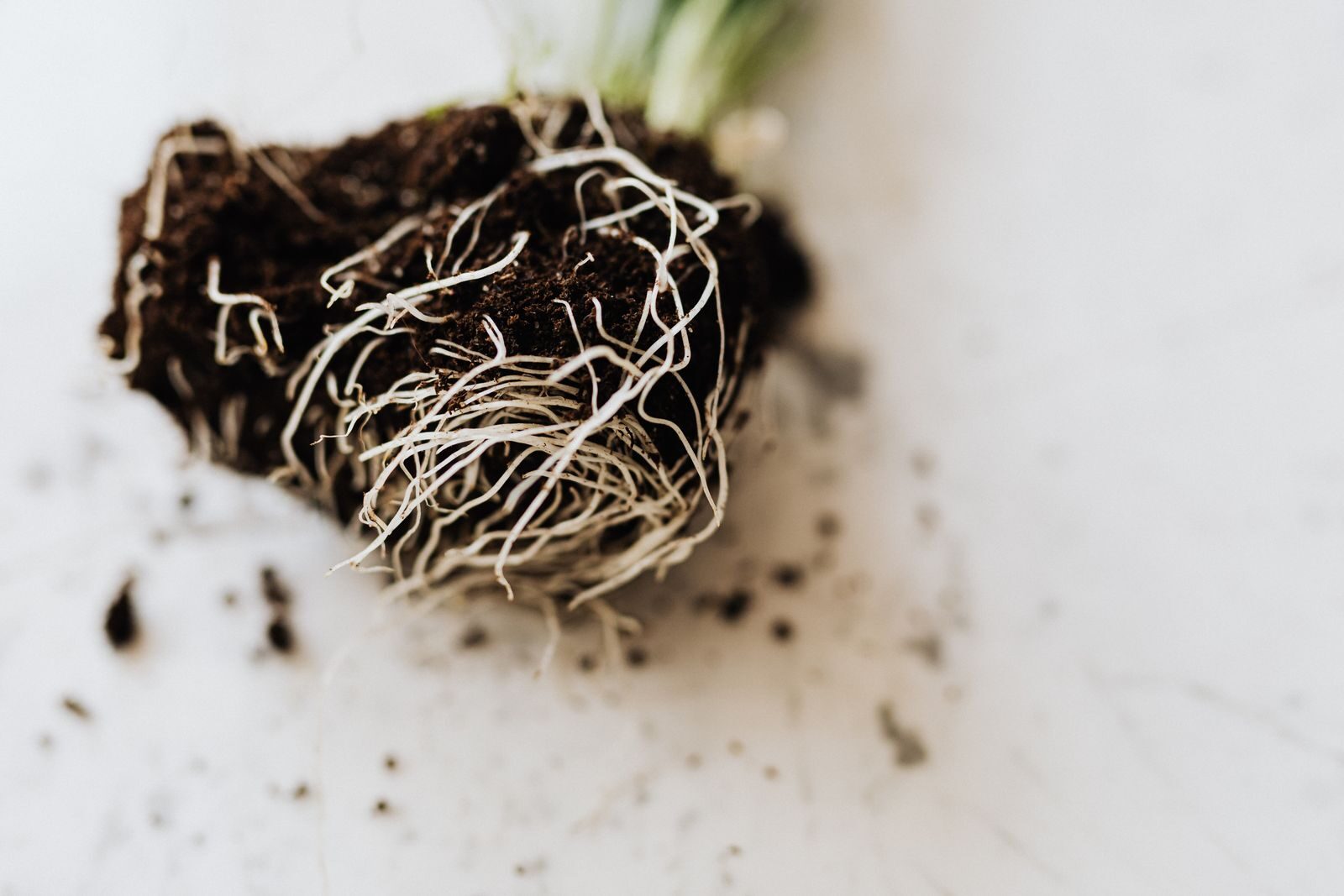
Mycorrhizal fungi form genuine, well documented partnerships with plant roots, but most soil already contains them, and a bagged inoculant product only helps under specific conditions. I look at whether these products actually contain viable, living propagules, what soil conditions make them worth using, and when a fungal partnership your soil already has makes the product redundant.

Read the posts →


Compost Activators and Soil Biology

Compost activators promise to speed up decomposition, but a well balanced compost pile already has the microbial life it needs to break down. I go through what these products actually add, whether they measurably speed anything up compared to a properly managed pile, and what actually controls composting speed at the level of the biology and chemistry involved.

Read the posts →


Organic Fertiliser Chemistry

Organic fertilisers work through mineralisation, a microbial process that has to break nutrients down before a plant can use them, and that process depends on things like soil temperature and moisture that most labels never mention. I explain the actual chemistry behind common organic fertilisers, what nutrients they really deliver, and why timing and soil conditions often matter more than which product you buy.

Read the posts →


Native Plants and Biodiversity

Planting native species is genuinely one of the better choices for local biodiversity, but not every plant labelled “native” behaves the same way in every garden, and the reasons come down to real ecological differences, not just origin. I look at how native plants actually support local ecosystems, and what makes some native planting choices work better than others.

Read the posts →


ecohomescience logo serge Msc