





I want to tell you something that took me a while to fully appreciate even with a background in plant biochemistry and VOC dynamics.
The most cited piece of evidence for indoor plants cleaning the air was never designed to answer that question.
That matters a lot. And I am going to explain exactly why.
What the 1989 NASA Study Actually Measured
The study everyone references was conducted by NASA researcher Bill Wolverton and published in 1989 (NASA Technical Report, 1989). The research tested whether plants could remove volatile organic compounds including benzene, trichloroethylene, and formaldehyde from sealed chamber environments.
The results were real. Plants did remove measurable quantities of those compounds over 24 hour periods in the test chambers.
Here is what almost nobody mentions. Those chambers were small, completely sealed, and had zero air exchange. The entire experimental design was built to investigate whether plants could help maintain air quality on space stations. Enclosed environments with no outside air whatsoever.
Your home is not a space station.
I do not say that to be dismissive. I say it because understanding what conditions produced those results is the only way to evaluate whether they apply to your living room.
The Ventilation Problem That Changes Everything
This is where my VOC research background becomes directly relevant and where the real misunderstanding lives.
In a sealed chamber with no air movement a plant has time to absorb VOCs at a rate that produces measurable reductions in concentration. The VOC molecules stay in contact with the leaf surfaces and root zone long enough for absorption to occur.
In a normal room the situation is completely different. Air moves. Windows open and close. People move through spaces. HVAC systems run. Even in a relatively still room the natural air exchange rate is many times higher than in a sealed experimental chamber.
A 2019 analysis in the Journal of Exposure Science and Environmental Epidemiology (Cummings and Waring, 2019) did the maths on this directly. Reviewing 12 chamber studies and 196 experimental results, their calculation estimated you would need somewhere between 10 and 1000 plants per square metre of floor space for the combined VOC removal ability of potted plants to match the air exchange rate that normal ventilation already provides in typical buildings.
I want to sit with that number for a moment. Per square metre. Not per room. Per square metre of floor space.
That is not a greenhouse. That is something beyond a greenhouse.
What Plants Actually Do in Your Home
Here is where I want to be careful because the answer is not simply that plants do nothing.
Plants do absorb VOCs through their leaves and through microbial activity in the rhizosphere, which is the soil and root zone area around the plant. That mechanism is real and documented across multiple studies. The absorption rates are just too low relative to normal indoor air dynamics to produce meaningful reductions in VOC concentration at the scale of a real room.
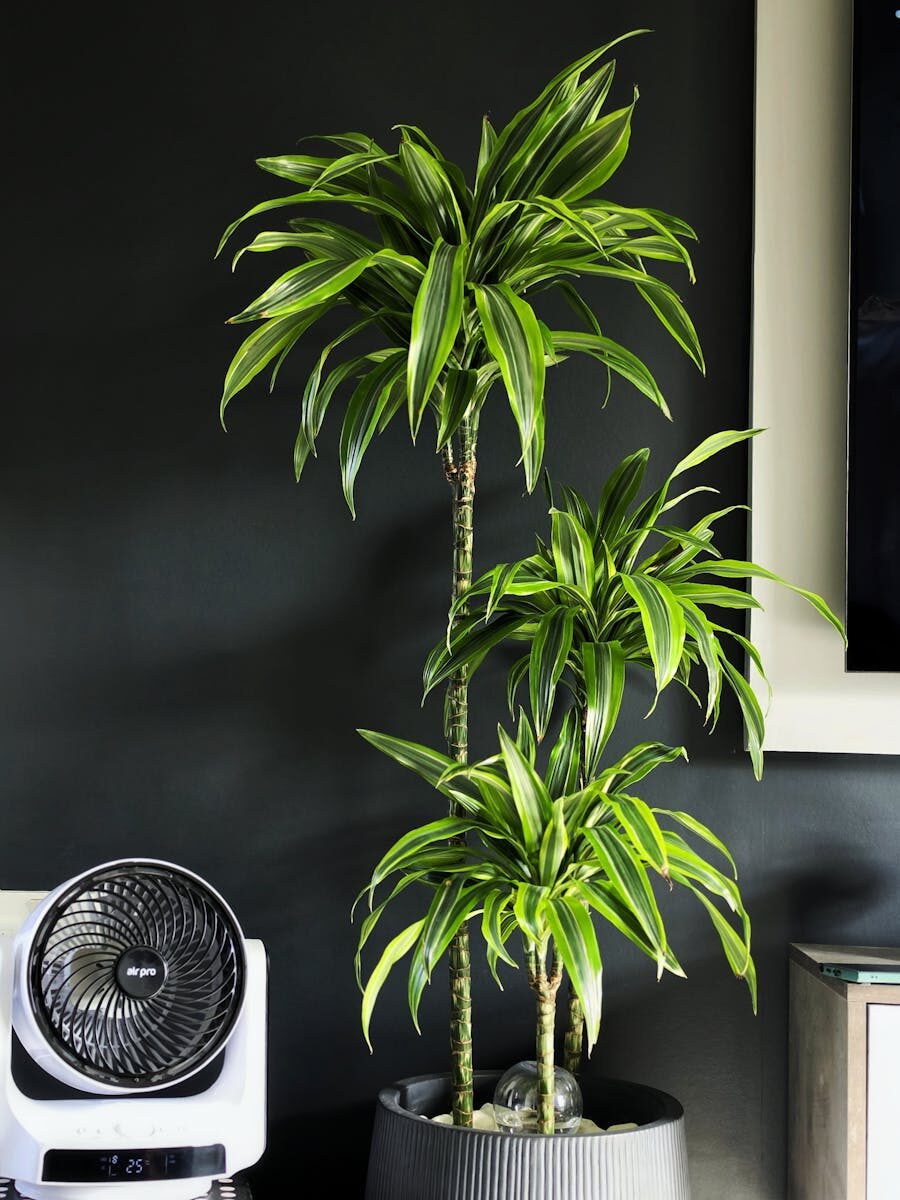
What plants contribute in indoor environments includes transpiration effects on local humidity, some evidence for modest effects on airborne particulate levels in very still conditions, and reasonably well documented psychological benefits from exposure to greenery.
Those are real effects. They are just different from air purification in any chemically meaningful sense.
How Many Indoor Plants Would You Actually Need
This is one of the most searched questions on this topic and the answer is uncomfortable.
For a meaningful effect on VOC concentrations in a normally ventilated room the numbers from the research suggest hundreds of plants in a typical sized room. That is not practical for any home environment.
If you have a very small, poorly ventilated space with minimal air exchange the plant to room ratio improves. But that specific scenario is also the one where you should be addressing ventilation directly rather than adding plants.
Which Plants Perform Best in the Research
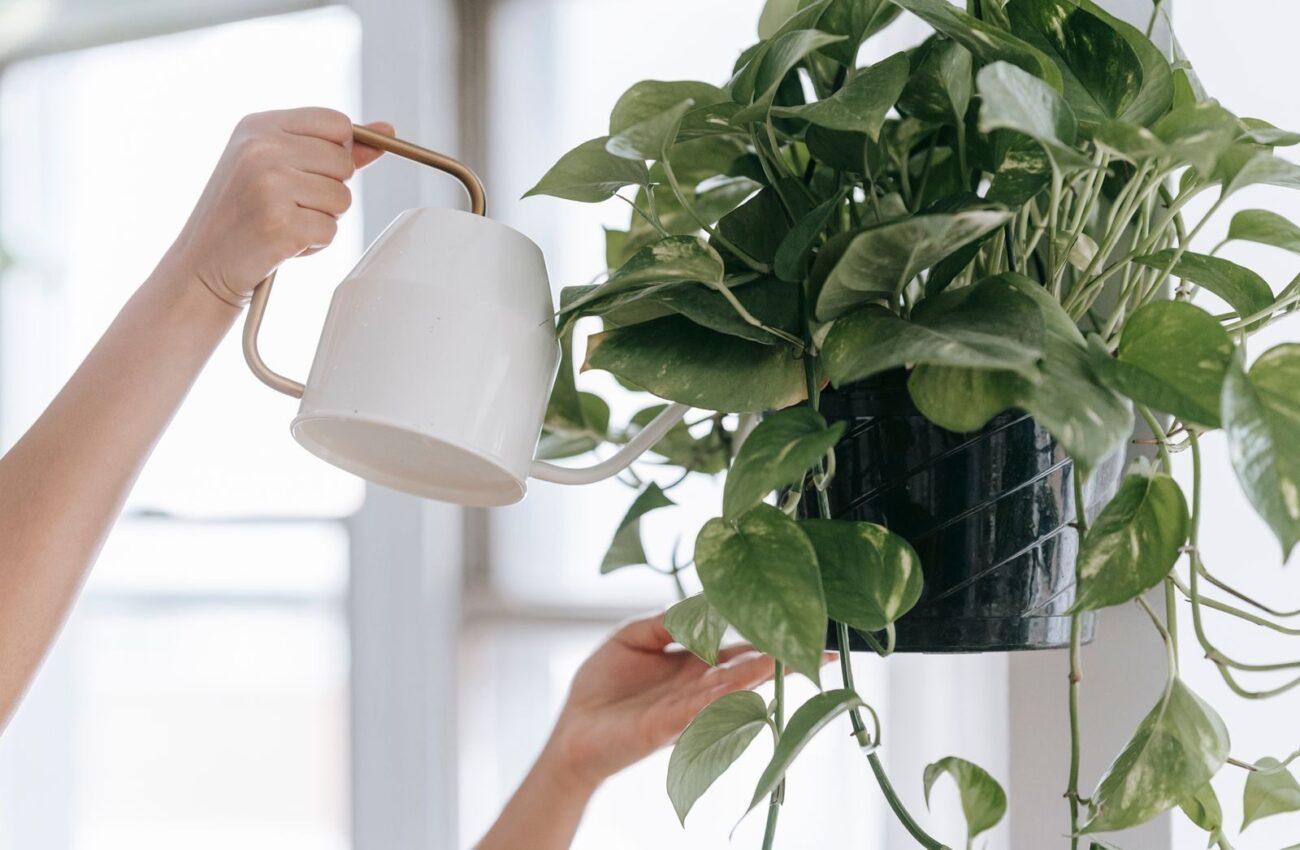
In controlled chamber studies the species that show up most consistently for VOC removal include pothos, spider plant, peace lily, snake plant, and Boston fern.
I want to be precise about what that means. Those species showed higher absorption rates in sealed chamber conditions than other plants tested. That does not translate directly into a recommendation that they will clean your air at home. It just means they were the stronger performers in the experimental conditions available.
For low light situations pothos and snake plant are the most practical options from this list and both have decent representation in the published research.
What Actually Works for Indoor Air Quality
If indoor air quality is a real concern for you the evidence is clear on what actually moves the needle.
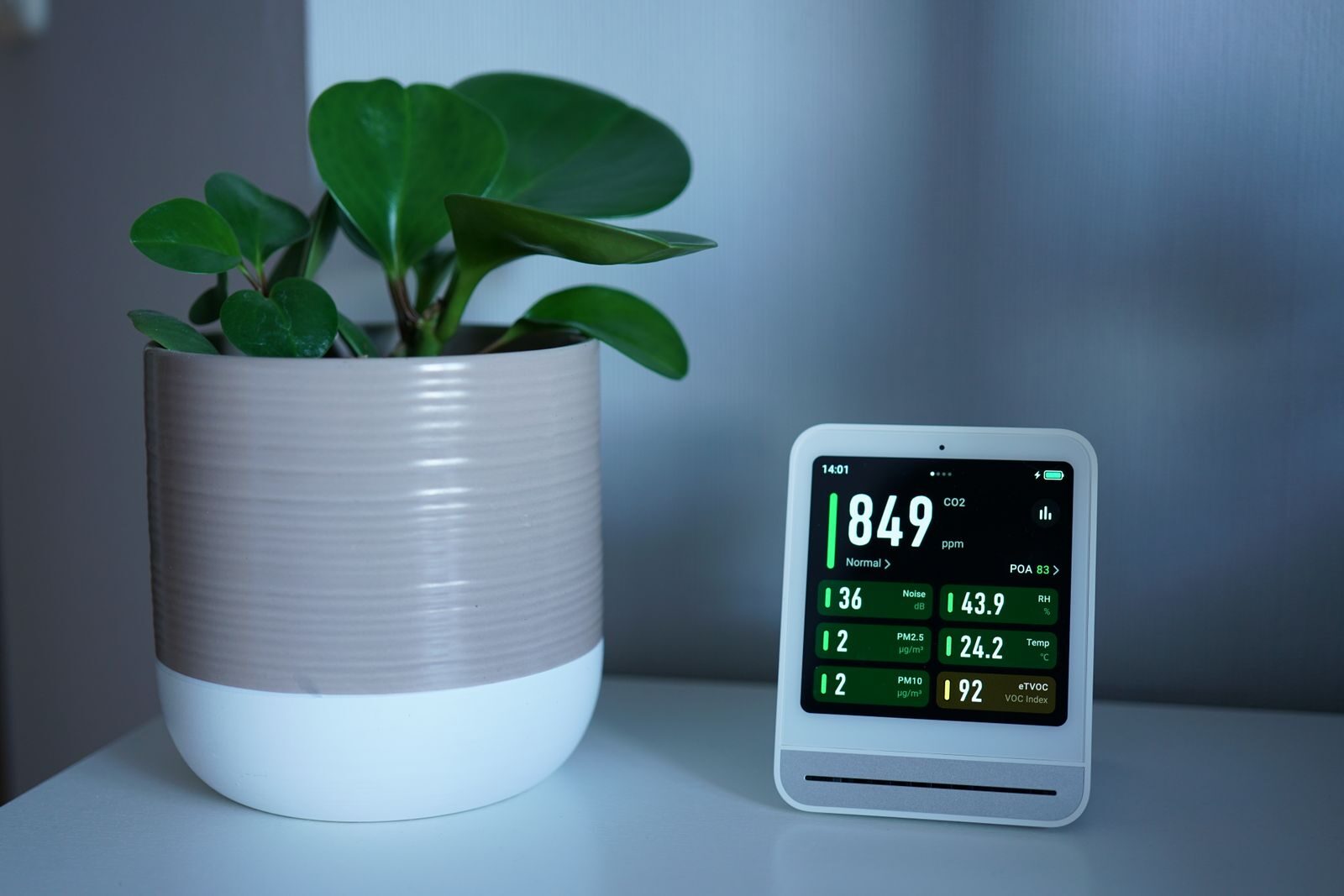
Ventilation is the primary lever. Opening windows, running extraction fans, and reducing VOC sources inside your home produces measurable results in a way that plants simply cannot match at realistic plant numbers.
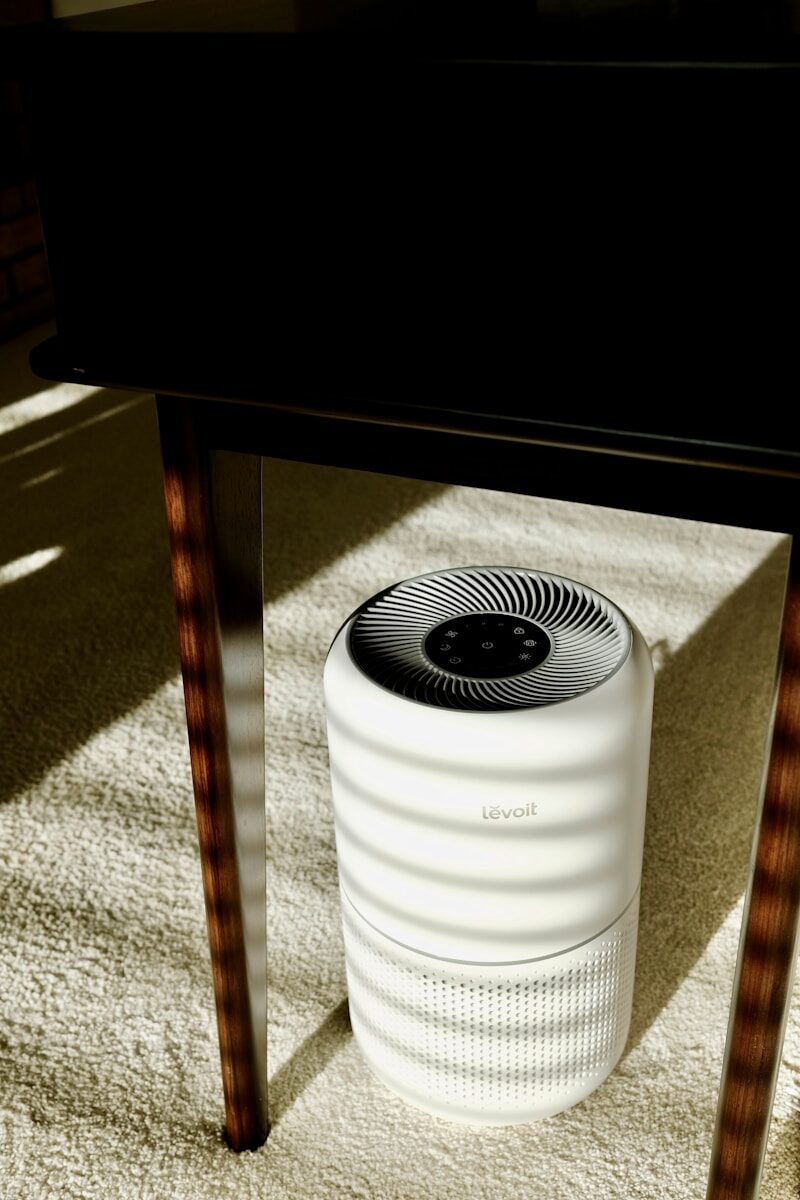
Activated carbon air purifiers remove VOCs through adsorption at rates that actually compete with normal indoor VOC concentrations. HEPA filtration removes particulate matter effectively. Both technologies have documented efficacy at the scale of real rooms with real ventilation.
Plants are not competitors to those approaches. They are just doing something different at a different scale.
Plants and air circulation devices serve different functions in indoor air quality. The evidence points clearly toward ventilation and filtration for meaningful VOC removal.
My Take
I have indoor plants. I think they are worth having. The transpiration effects, the psychological benefit of greenery, and the real if modest effects on local air chemistry are all worth something.
But I evaluated the NASA study carefully and I cannot tell you that putting a peace lily in your bedroom will clean your air in any meaningful sense. The chemistry and the maths do not support that claim at normal home conditions.
What I can tell you is that understanding what plants actually do is more interesting than the simplified marketing version. The rhizosphere VOC absorption mechanisms are interesting plant chemistry. The study just never translated the way it got repeated.
FAQs
Do indoor plants really clean the air?
Plants do absorb some VOCs through leaves and root zone microbial activity. The absorption rates documented in research are too low to produce meaningful air quality improvements in normally ventilated homes. The original NASA study that most claims are based on was conducted in sealed chambers with no air exchange, which does not reflect real home conditions.
How many indoor plants do you need to clean the air?
Research analysis estimates you would need between 10 and 1000 plants per square metre of floor space to match the VOC removal rates from the original NASA chamber study in a normally ventilated room. That makes meaningful air purification through plants impractical for any normal home.
Which indoor plants purify air the most?
In controlled chamber studies pothos, spider plant, peace lily, snake plant, and Boston fern show the highest VOC absorption rates. This reflects their performance in sealed experimental conditions rather than in real ventilated homes.
Do indoor plants improve air quality at all?
Plants contribute to local humidity through transpiration and may have modest effects on airborne particulates in very still air conditions. These are real effects but different from meaningful air purification.
What actually cleans indoor air effectively?
Ventilation is the primary evidence-based approach. Activated carbon air purifiers remove VOCs through adsorption at rates that work in real room conditions. HEPA filters remove particulate matter effectively. Reducing VOC sources inside the home also makes a measurable difference.
Are indoor plants safe for dogs?
Some common air quality plants including peace lily and pothos are toxic to dogs if ingested. Spider plant and Boston fern are generally considered safe. Always check individual plant toxicity before bringing plants into a home with pets.