







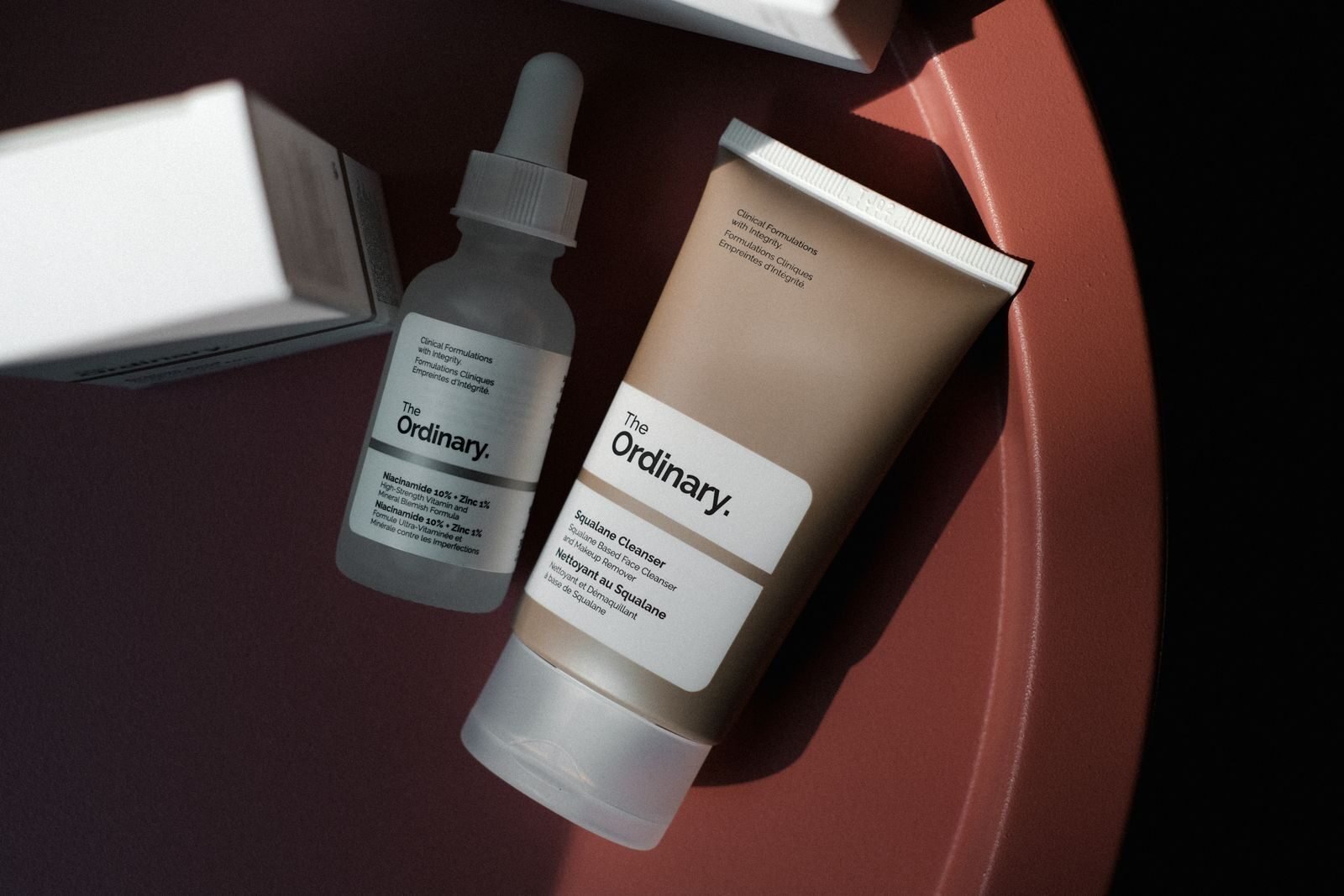
Ever wonder why “hypoallergenic” is allowed to sit on a bottle with zero proof behind it?
I found the answer, and it’s not just “it’s unregulated.” There’s a real court case behind it, and once you know the story, you read the word completely differently.
I already went through a similar gap when I checked what skincare certification logos actually verify. Some badges hold up under scrutiny, some don’t. “Hypoallergenic” isn’t even a badge, it’s a plain word with an even worse story behind it.
The court case that killed the word
In 1975, the FDA actually tried to fix this. They issued a real regulation, if a brand wanted to call a product hypoallergenic, they had to run comparative tests proving it caused fewer reactions than similar products. A real bar to clear, not just a word to slap on a label.
Two companies, Almay and Clinique, sued to stop it.
They lost the first round in district court. Then they appealed, and won. The U.S. Court of Appeals for the District of Columbia struck the regulation down in 1977, ruling the FDA hadn’t proven consumers actually understood the word the way the regulation assumed (FDA).
Since that ruling, there has been no regulation defining “hypoallergenic,” at all, for almost fifty years. Not “loosely defined.” Not “guidelines exist but aren’t enforced.” Nothing. Any company can print it on any bottle, with any ingredients, and nobody checks.
So what happens when nobody’s checking
Here’s where it gets real. A 2025 study looked at the actual top-selling body moisturizers on Amazon, Walmart, and Target, not a theoretical worst case, the products people are actually buying right now.
83 percent of the ones marketed as “hypoallergenic” contained at least one ingredient known to cause allergic contact dermatitis (Practical Dermatology, 2025).
Read that again. Not “some.” Eighty-three out of a hundred. The word on the front of the bottle and what’s actually inside are, more often than not, unrelated.
And it’s not just hypoallergenic. The same study found 45 percent of products labeled “fragrance-free” still contained fragrance ingredients with known allergen potential, hidden behind botanical or plant-derived names instead.
What about “dermatologist tested”
Same story, different word. “Dermatologist tested” only means a dermatologist was involved in testing at some point. It says nothing about how many people were tested, whether there was a control group, or what the actual results were. A product can fail its own dermatologist’s test and still legally carry the label.
No court case behind this one, it was just never regulated in the first place. But the effect is the same: a phrase that sounds like oversight, and isn’t one.
What I actually check now
I stopped trusting either word on its own. Here’s what I do instead.
I check the ingredient list for known contact allergens myself, fragrance, certain preservatives, specific botanical extracts. That’s the same list dermatologists use in patch testing, and it’s public.
If a product claims “fragrance-free,” I still check for fragrance-adjacent ingredient names, since the study above shows that claim gets stretched too.
I stopped treating “hypoallergenic” as a filter at all. Given that court case, and given what the data actually shows about what’s inside these products, the word tells me the marketing department made a choice, not that a scientist checked anything.
It’s the same lesson I keep coming back to across this whole site, a claim on a label is a starting point for checking, not an answer, the same thing I found going through what plant extract concentration actually means for a completely different word.
FAQs
Is “hypoallergenic” a legally regulated term?
No. The FDA tried to regulate it in 1975, requiring comparative testing before a brand could use the claim. Two cosmetics companies, Almay and Clinique, sued and won on appeal in 1977, and the regulation was struck down. There has been no legal definition of the word since.
Do hypoallergenic products actually contain fewer allergens?
Not reliably. A 2025 study of top-selling body moisturizers found 83 percent of products marketed as hypoallergenic contained at least one ingredient known to cause allergic contact dermatitis.
What does “dermatologist tested” actually mean?
Only that a dermatologist was involved in testing the product at some stage. It says nothing about sample size, whether there was a control group, or the actual results. A product can carry the label even if the testing showed problems.
Are fragrance-free products actually free of fragrance?
Not always. The same 2025 study found 45 percent of products labeled fragrance-free still contained fragrance ingredients with known allergen potential, often listed under botanical or plant-derived names rather than the word “fragrance.”
Where this leaves your next purchase
The word “hypoallergenic” has had no legal meaning since 1977, when two cosmetics brands sued the FDA and won. What replaced actual testing was nothing, and a 2025 study of real bestselling products shows exactly what that gap produces: most “hypoallergenic” products on shelves right now contain a known allergen anyway.
I check the ingredient list myself now. It’s the only part of the label a court can’t strike down.