







This calculator was built by Serge (MSc) using published standards (FTC Green Guides, ISO 14000). My academic background covers Plant Biochemistry, Environmental Biology, Biogeochemistry, and Ecotoxicology. This is an estimation tool for educational purposes, not professional advice, medical diagnosis, or assessment.
Greenwashing Score Calculator
Greenwashing is marketing dressed as environmentalism. A product says “eco-friendly” and “natural,” so you assume it is better. But what is the evidence, and what is just spin?
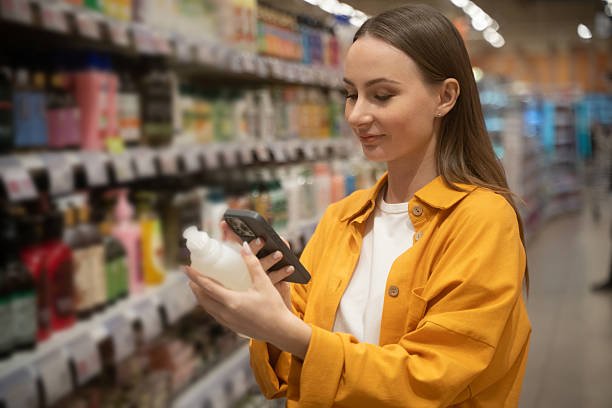
I studied quality control of measurements. That taught me how to read a label critically. Not just what a product claims, but how it backs up what it says.
This calculator scores a product’s label on transparency, certification, and evidence, so you can see how much of its green image is substance and how much is marketing.
Score a Product
How This Works
Greenwashing happens when a company makes a product look more environmentally friendly than the evidence supports. The label leans on green imagery and feel-good words while avoiding hard detail.
This calculator scores five things a trustworthy eco-product should have: a full ingredient list, independent certification, specific rather than vague claims, evidence for those claims, and transparency about sourcing and manufacturing.
Each answer adds points. A higher total means more substance behind the green image. A lower total means the marketing is doing most of the work.
Understanding Your Result
The calculator gives you a score out of 12 and a category:
10 to 12 — Low Greenwashing. Transparent, certified, and evidence-backed. The green claims are supported by real detail.
6 to 9 — Moderate Greenwashing. Some solid points, but gaps remain. The marketing is doing part of the work. Worth a closer look.
3 to 5 — High Greenwashing. Weak transparency and little evidence. The green image rests mostly on marketing language.
0 to 2 — Extreme Greenwashing. Eco-branding with almost nothing behind it. Treat the environmental claims with strong scepticism.
Important Limitations
This is a screening tool, not proof. It scores what the label tells you, not the product itself. A high score does not guarantee a product is truly green, and a low score does not prove it is harmful.
✗ Does not test the product or its performance
✗ Does not independently verify certifications
✗ Does not assess safety or health effects
✗ Does not account for regional labelling regulations
Always verify third-party certifications independently. Check the certifying body’s own database rather than trusting a logo on the packaging.
Scientific Basis
Based on:
FTC Green Guides. The US Federal Trade Commission’s guidance on environmental marketing claims. It sets out what makes a green claim substantiated versus deceptive.
Read the FTC Green Guides →
ISO 14000 Environmental Management Standards. International standards covering environmental labelling and self-declared environmental claims, including the criteria for credible certification.
Learn about ISO 14000 →
Related Reading
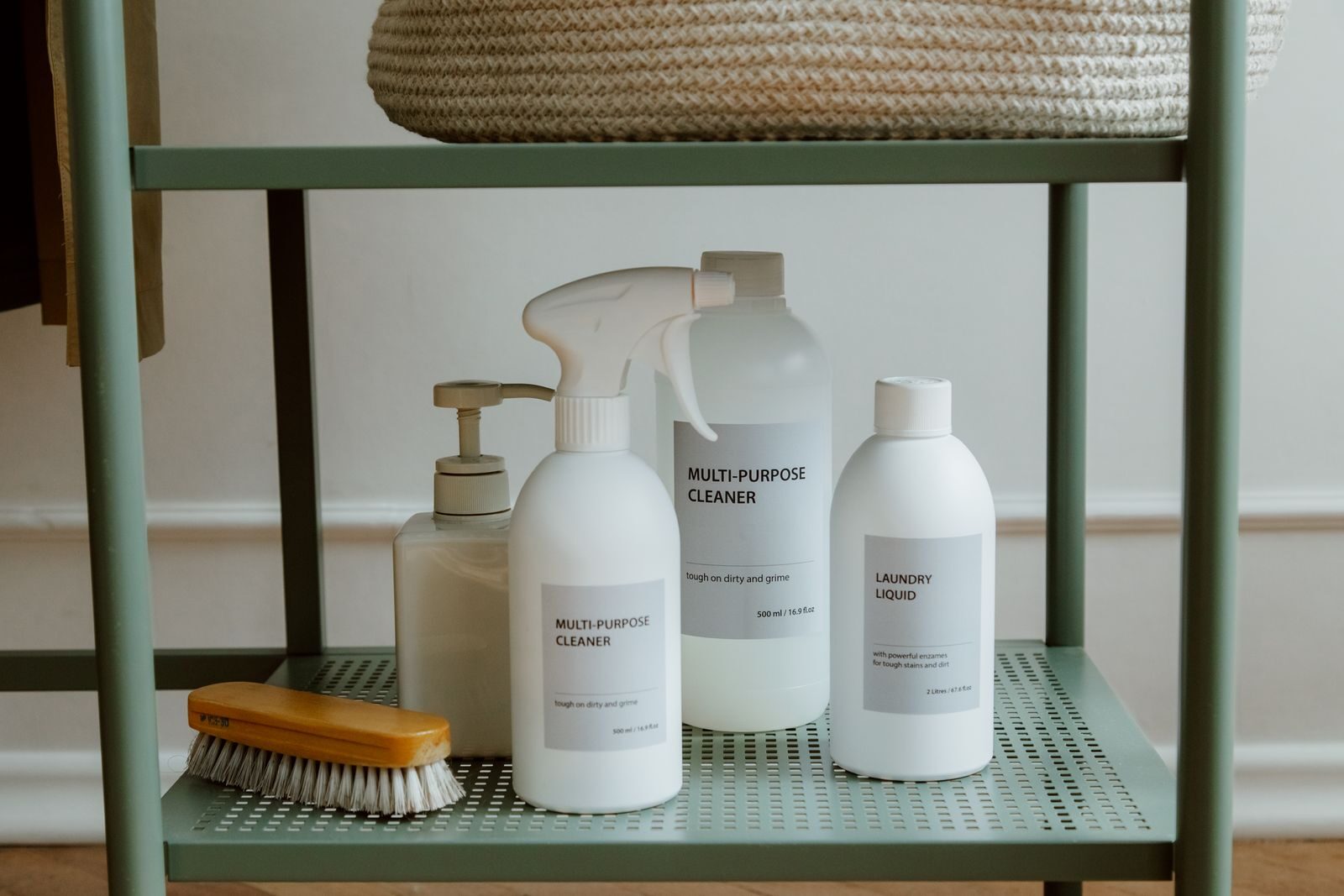
Are Natural Cleaning Products Safe. Reading labels and understanding ingredient safety.
Ingredient Concentration Estimator. Check whether a headline ingredient is present in a meaningful amount.