








This calculator was built by Serge (MSc) using government standards (AHAM, ASHRAE, EPA, ISO). My academic background covers Plant Biochemistry, Environmental Biology, Biogeochemistry, and Ecotoxicology. This is an estimation tool for educational purposes, not professional advice, medical diagnosis, or assessment.
VOC Exposure Risk Estimator
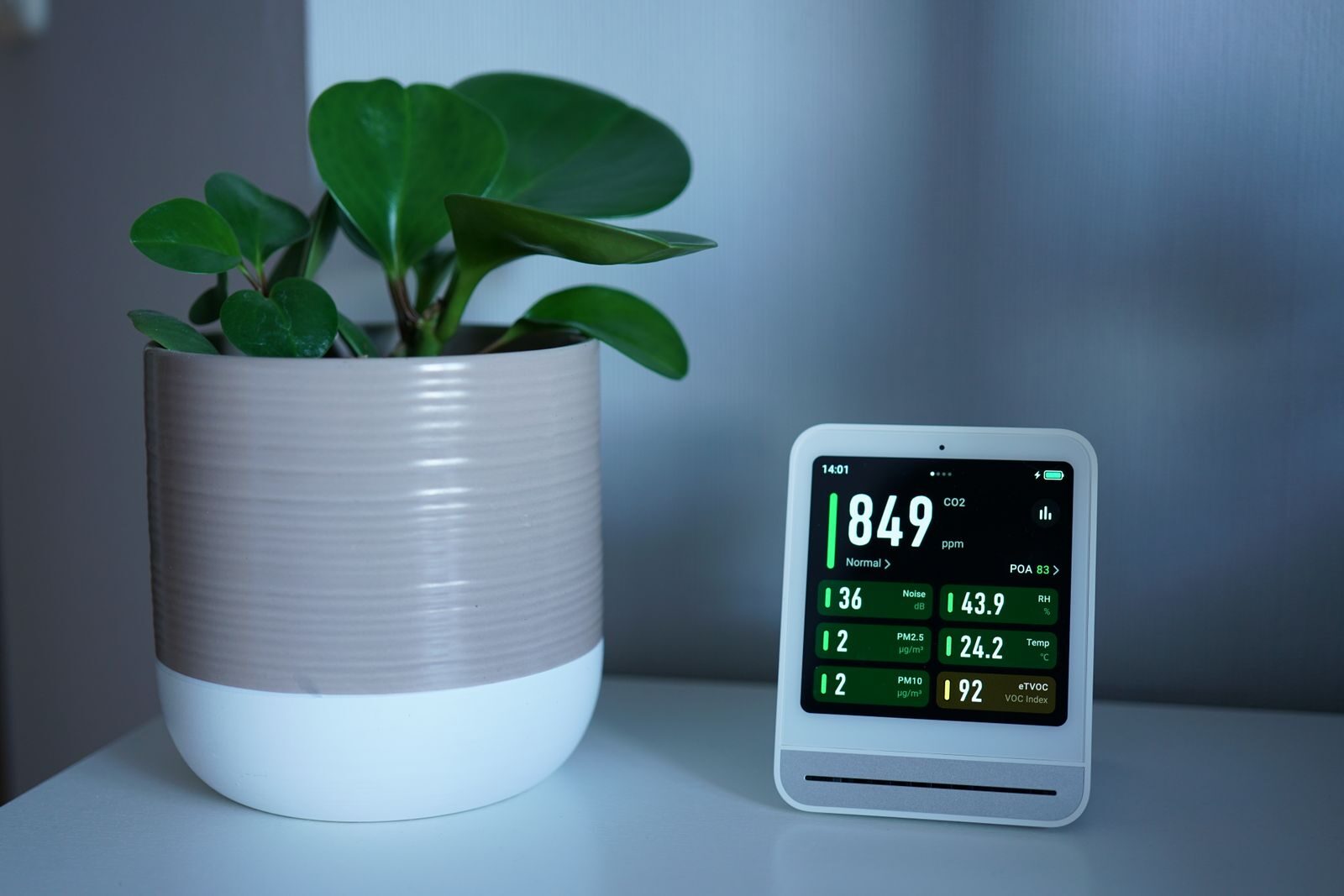
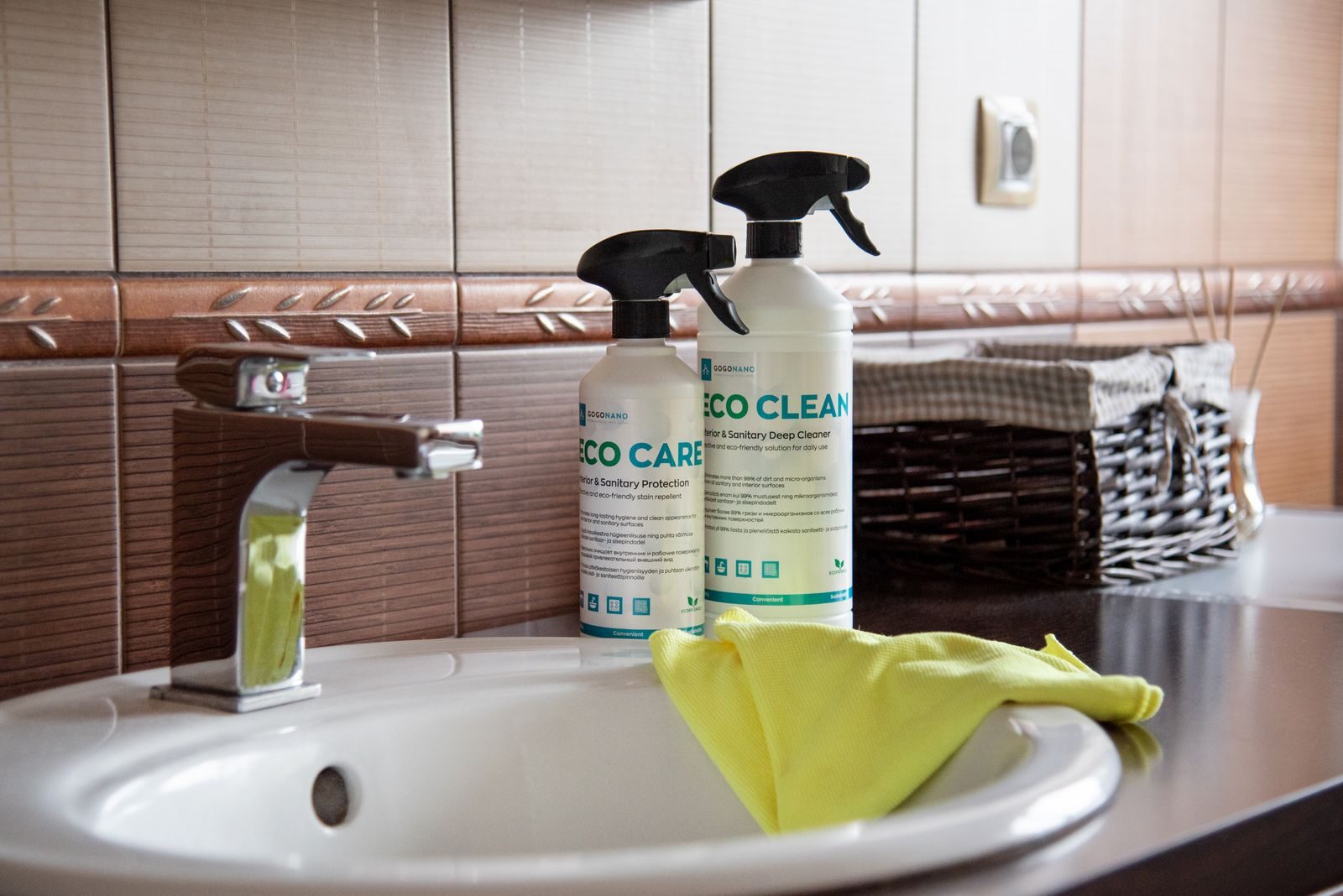
Volatile organic compounds (VOCs) are gases released from paints, furniture, cleaning products, and new materials. They hang in your air, especially when your home is sealed tight.
I studied particulate air pollution and how substances move through indoor air. That taught me that VOC exposure depends on sources, ventilation, and time. You can estimate your conditions without equipment.
This calculator assesses your VOC exposure conditions based on common household sources. It helps you understand whether your home likely has higher or lower VOC levels.
Estimate Your VOC Exposure
How This Works
VOCs are emitted from many household sources. The more sources you have active, and the worse your ventilation, the higher your VOC exposure conditions.
This calculator adds up your VOC sources and accounts for ventilation. Higher scores indicate conditions where VOCs are more likely to accumulate in your home.
Understanding Your Result
0 to 5: Low exposure conditions. Few active VOC sources and reasonable ventilation.
6 to 12: Moderate exposure conditions. Some VOC sources and moderate ventilation.
13 to 20: Higher exposure conditions. Multiple active VOC sources and limited ventilation.
Above 20: Very high exposure conditions. Many active VOC sources and poor ventilation.
Important Limitations
This is an estimation tool only. It cannot detect actual VOC concentrations or identify specific compounds. Only laboratory analysis can measure real VOC levels.
✗ Does not measure actual air quality
✗ Does not diagnose health effects
✗ Does not identify specific VOCs
✗ Does not replace professional air quality testing
Scientific Basis
Based on:
EPA Indoor Air Quality Guidelines. The US Environmental Protection Agency identifies common household VOC sources and recommends ventilation strategies.
Read EPA guidance →
ASHRAE 62.1 Ventilation Standard. Ventilation rates recommended for indoor air quality and pollutant removal, including VOCs.
Learn about ASHRAE →
Related Reading
How Air Purifiers Actually Work. Understanding particle vs gas removal.
Do PIV Units Work for Condensation and Damp. Ventilation solutions for indoor air quality.