









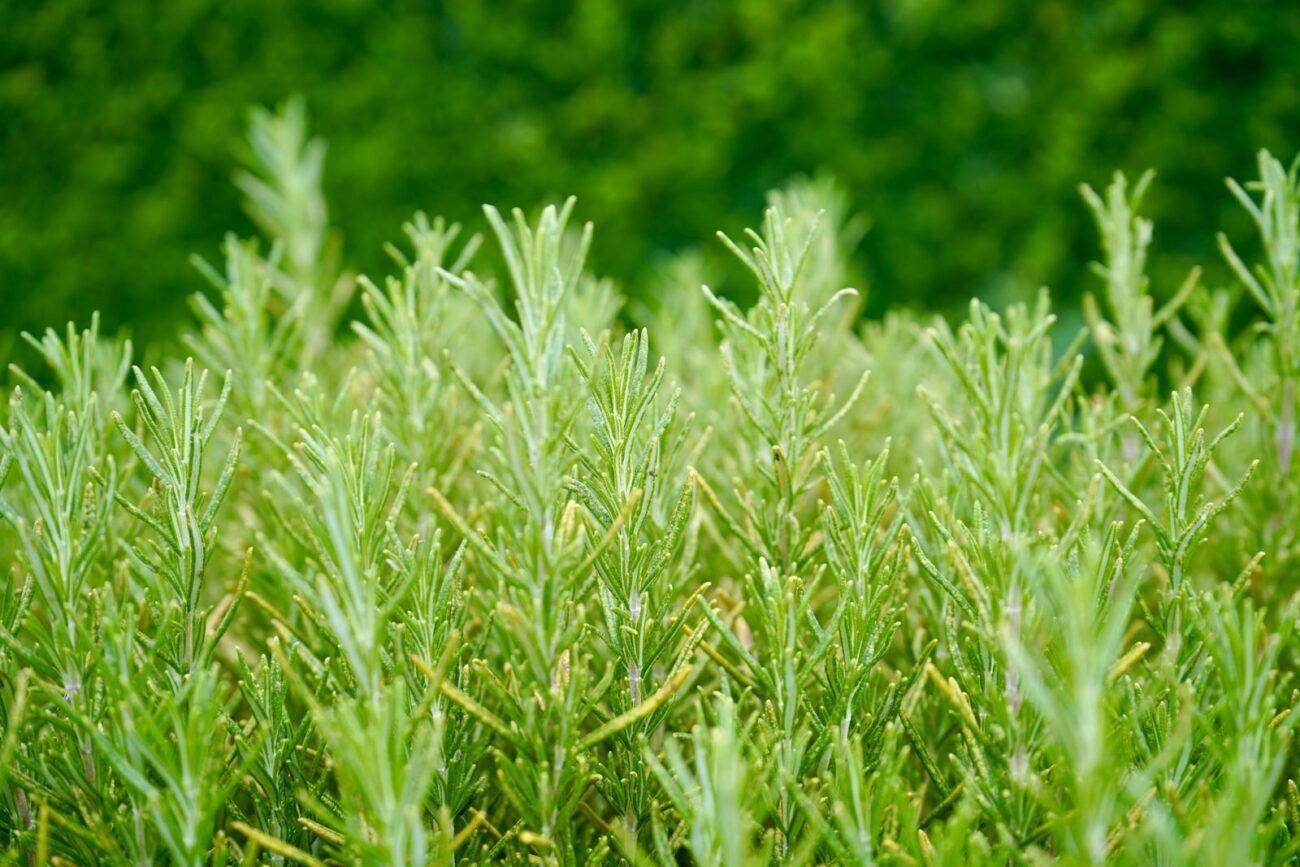
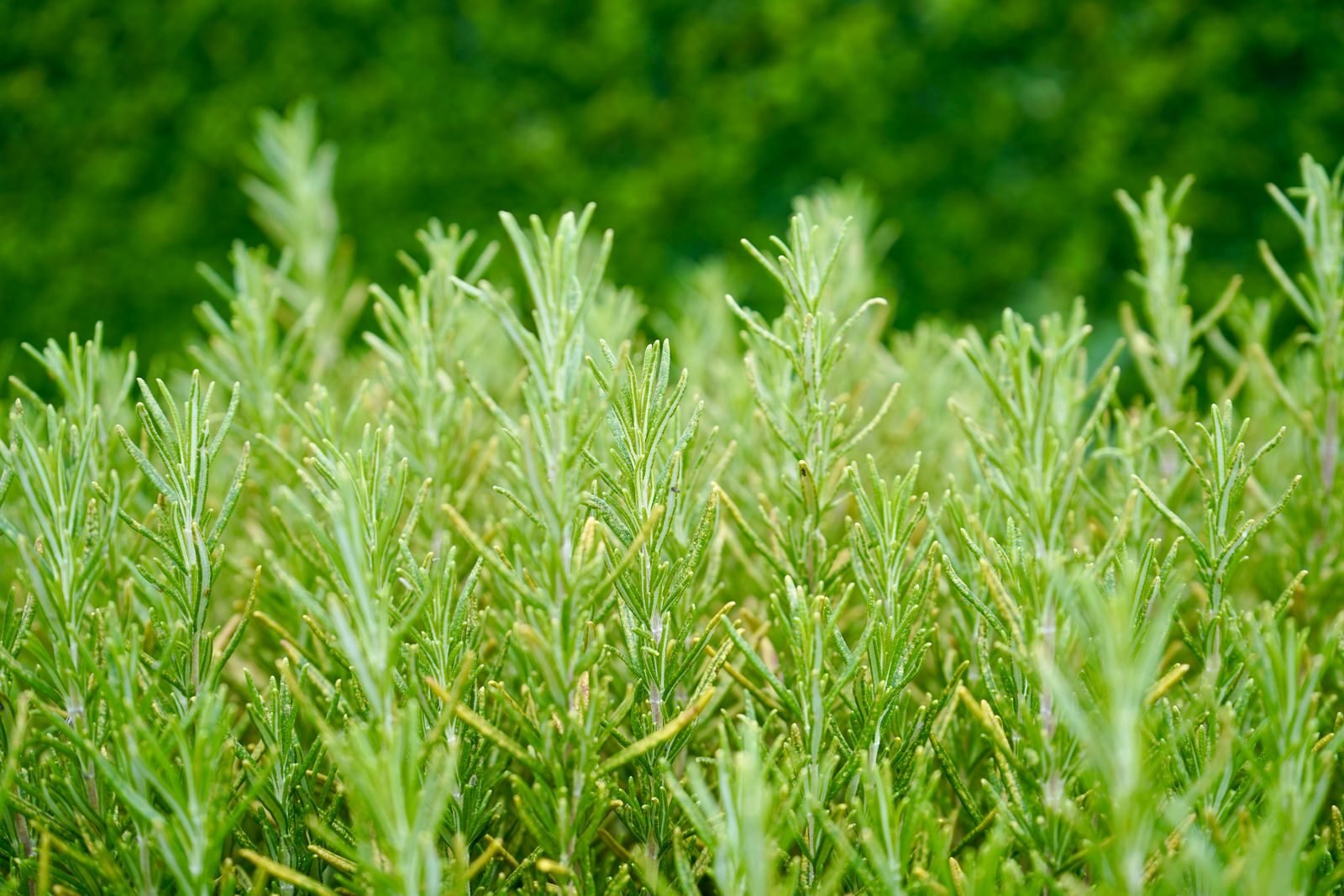
Ever check the ingredient list on your moisturizer, or a bag of frozen food, and spot rosemary extract sitting there with nothing else about the product suggesting rosemary at all?
No smell, no rosemary anywhere else on the label, nothing.
That confusion makes total sense to me, because most of the time, rosemary extract isn’t in there for you. It’s in there for the product itself.
Two separate jobs, and almost nobody tells you which one you’re getting
Rosemary’s real actives are carnosic acid and carnosol. These belong to a compound class called diterpenes. That’s worth flagging, because it’s a different family from what I’ve covered so far in this series, Centella and birch both run on triterpenoids. Same basic idea, plants build these as defense chemistry, but a different shape of molecule doing it.
These two compounds do two genuinely separate jobs, and almost every article I’ve read blurs them into one vague line about antioxidants.
Job one is protecting the product, not you. Carnosic acid and carnosol are very good at resisting oxidation themselves, which is exactly why formulators reach for them. Oils and fats in a cream or a food product go rancid through oxidation, the same chemistry I went through in why your vitamin C serum turns brown, just working in the opposite direction. Vitamin C is a compound that breaks down easily and stops doing anything once it does.
Rosemary extract is the flip side, a compound picked specifically because it doesn’t break down easily, so it protects the oils sitting around it instead. That’s why you find it in frozen burgers, crackers, and a moisturizer that smells like nothing at all like rosemary. It’s quietly doing preservative work in the background.
Job two is a separate, much newer story, and this one really is about you.
The new finding worth knowing about
A study published in October 2025 tested carnosic acid straight on wounds, and it genuinely sped up healing and cut down scarring, through a specific, named mechanism, switching on a nerve receptor called TRPA1 (Rapp et al., 2025).
What makes me actually trust this study, rather than filing it under “another antioxidant claim,” is the control they ran. They also tested cilantro extract, a plant that doesn’t make carnosic acid, applied the exact same way. Cilantro did nothing. That’s a real test built to rule out “any green herb helps wounds,” and it’s exactly the kind of check I look for before I take a mechanism seriously.
One honest limit worth knowing. The effect only showed up when it was put directly on the wound. Rubbed onto unbroken skin somewhere else on the body, it did nothing similar. So this is a genuinely exciting, brand new finding about wound healing specifically, not proof that the rosemary extract in your daily moisturizer is doing active repair work on skin that isn’t even injured.
So what does this mean for the product in your hand
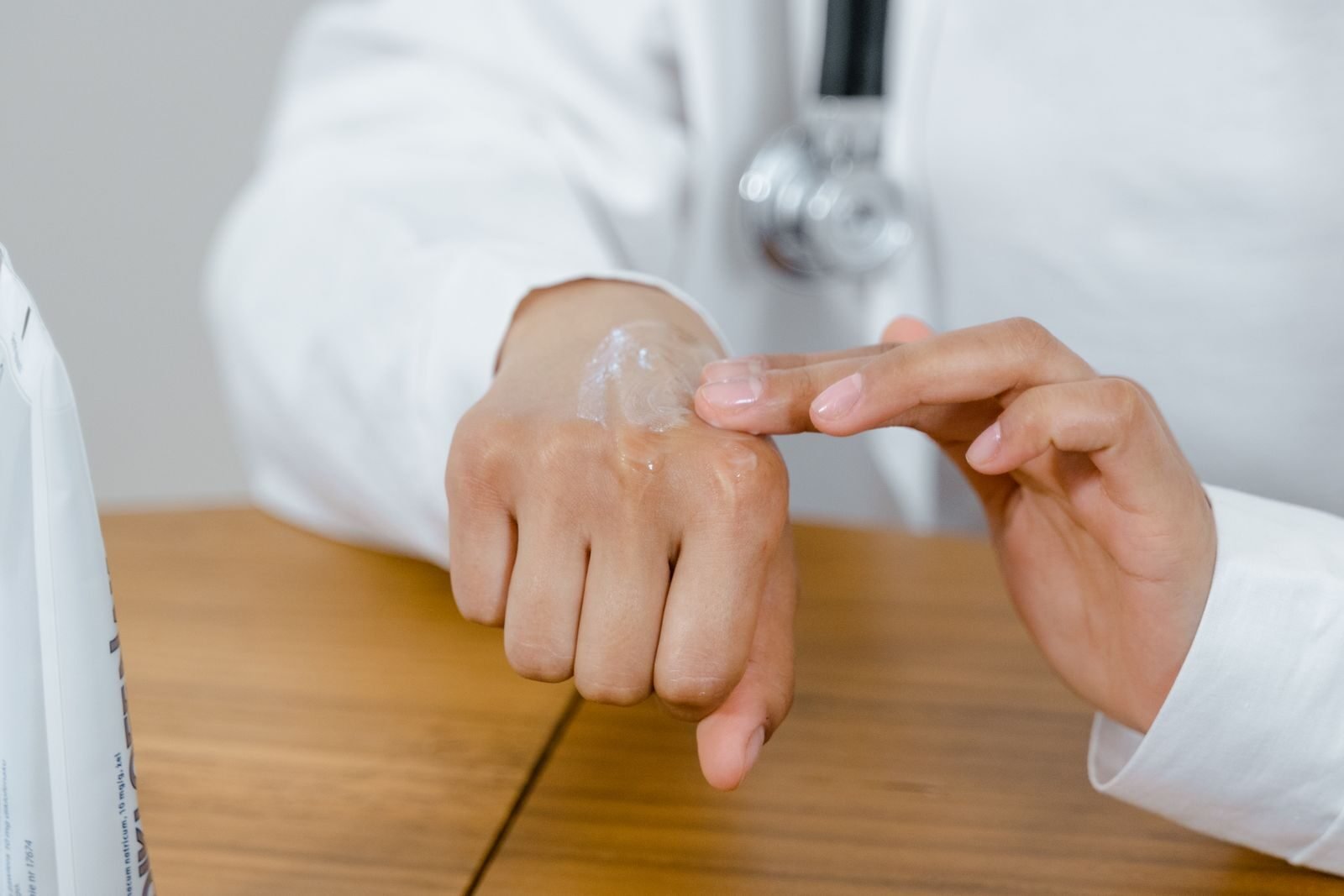
If rosemary extract sits low on the ingredient list of a regular moisturizer or cleanser, take it for what it almost certainly is, a preservative protecting the oils in the formula, not something picked for your skin. That’s not a bad thing. A well preserved product is a real job worth doing. It’s just a different job than some marketing makes it sound like.
If a product specifically markets rosemary or carnosic acid for wound healing or scar support, the new research actually backs that up. Just check it’s made for putting directly on an actual wound or scar, not sold as a general daily active, because that’s what the evidence so far actually covers.
I already went through this same “check the ingredient list, not the front of the bottle” idea with aloe vera, and it holds here too. What changes with rosemary is that most of the time, the ingredient isn’t even trying to be a skin active in the first place.
FAQs
Why is rosemary extract in so many products that don’t smell like rosemary?
Because it’s almost always added as a preservative, not for scent or a skin benefit. Carnosic acid and carnosol, rosemary’s main compounds, resist oxidation well, so a small amount protects the oils and fats already in the product from going rancid.
Is rosemary extract a preservative or an active ingredient?
Usually a preservative. The same compounds, carnosic acid and carnosol, can act as a skin active in specific situations too, but most products listing rosemary extract low on the ingredient list are using it to protect the formula, not to treat your skin.
Does rosemary extract actually help skin heal?
A 2025 study found topical carnosic acid sped up wound healing and cut scarring in mice through a specific nerve receptor, with a proper control ruling out a generic herb effect. It’s a real finding, but shown for direct application to an actual wound, not as a general daily moisturizing benefit.
What is carnosic acid?
Carnosic acid is a diterpene compound found mainly in rosemary. It works as a strong antioxidant, which is why it’s used as a natural preservative in food and cosmetics, and recent research has also tied it to a specific wound healing mechanism when applied directly to skin injuries.
What to check on the label
Rosemary extract is doing one of two jobs, and the ingredient list usually tells you which. Low on the list, in a product with no wound care claim, it’s protecting the oils, not treating your skin.
Marketed specifically for scars or healing, check it’s meant for direct use on a wound, since that’s what the evidence actually supports right now.