










Tools & Calculators
Evidence-based calculators to help you make informed decisions
What Are These Tools?
These calculators use government standards (ASHRAE, EPA, AHAM, ISO) to help you understand what you actually need, whether it’s an air purifier for your room, or how to read a product label honestly.
Each tool is transparent about its limits, cites its sources, and treats you like someone who deserves real answers, not marketing hype.
All calculators are estimation tools, not professional advice. They show you what the science says; you decide what’s right for your home.
Indoor Air Quality
Air Purifier Size Calculator
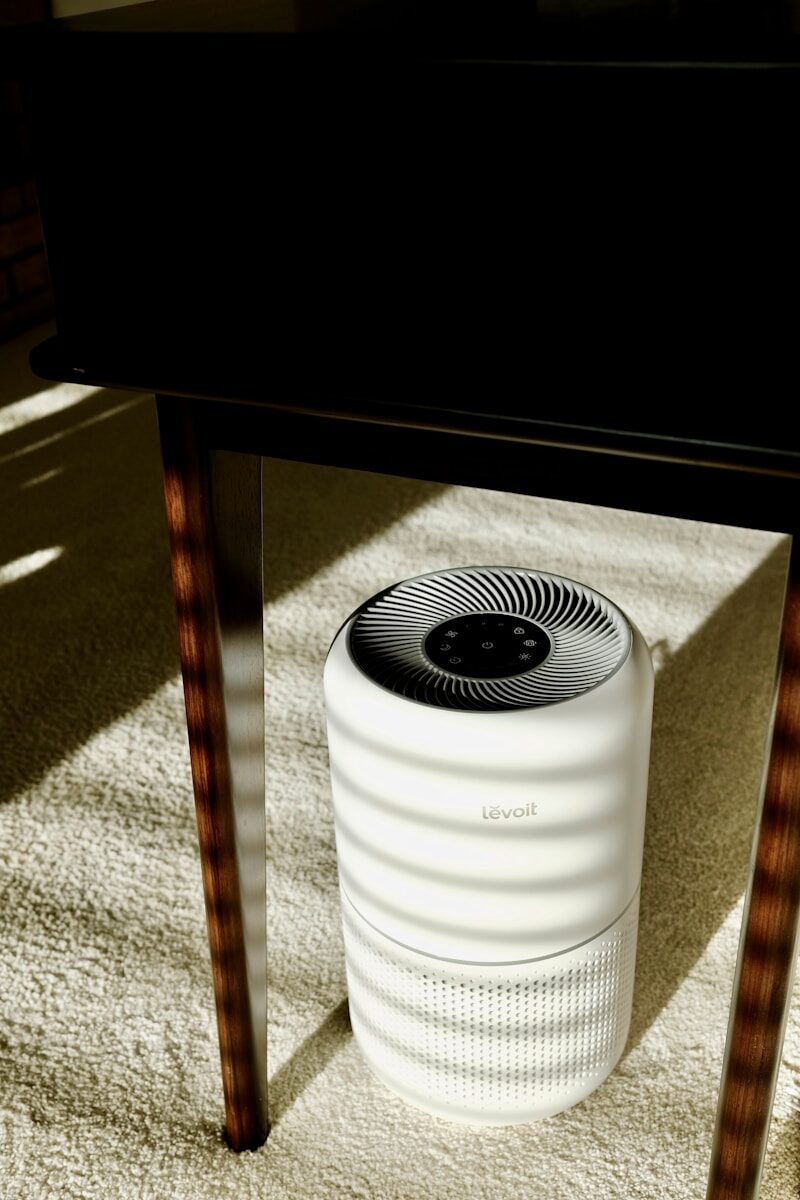
Find the Clean Air Delivery Rate (CADR) your room actually needs. No guessing, just numbers based on your room size and what you’re cleaning for.
Humidity & Mold Risk Calculator
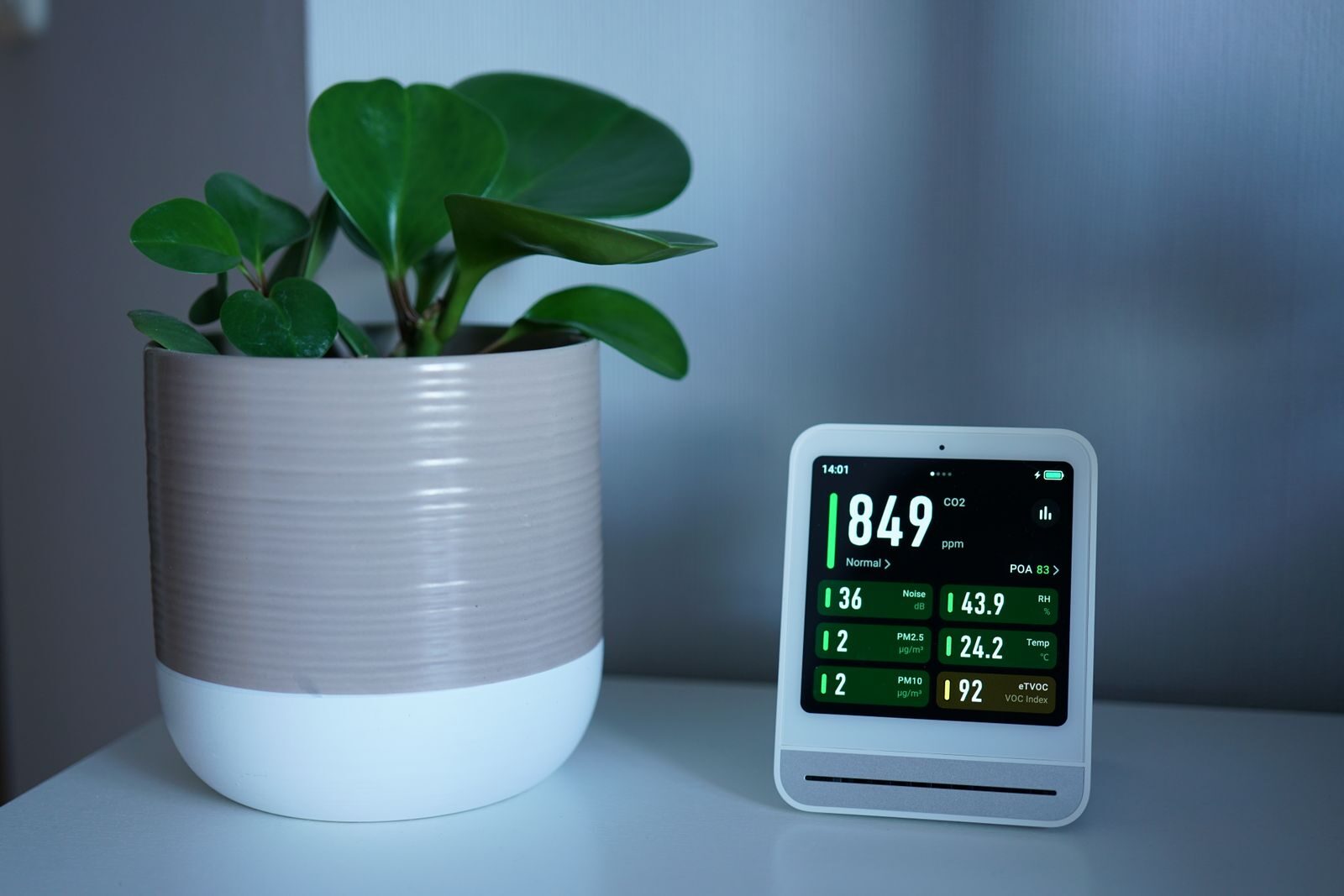
Check your humidity level and see how close you are to conditions where mold can grow. Understand what humidity means for your home.
VOC Exposure Risk Estimator
Estimate your exposure to volatile organic compounds based on your home setup: recent paint, new furniture, ventilation, and cleaning habits.
Home Ventilation (ACH) Calculator
Calculate your home’s air changes per hour. Understand how often fresh outside air replaces stale indoor air.
Natural Cleaning
Greenwashing Score Calculator
Answer simple questions about a product’s label, and get a score showing how much marketing spin is happening. Spot greenwashing before you buy.
Ingredient Concentration Estimator
Enter ingredients from a product label and learn whether key ingredients are actually present in meaningful amounts. Understand INCI order and what it means.
Cleaning Product Dilution Calculator
Figure out how much concentrate to use and how much water to add. Get the concentration right for effective cleaning without waste.
Eco Garden
Compost Carbon:Nitrogen Ratio Calculator
Mix your compost correctly. Calculate the C:N ratio to speed decomposition and get better finished compost faster.
Rainwater Harvest Calculator
See how much water you can collect from your roof. Plan your rainwater system based on your actual catchment area.
Each calculator is built on government standards (ASHRAE, EPA, AHAM, ISO) and clearly shows its limits.
Estimation tools, not medical or professional advice. All sources cited.