



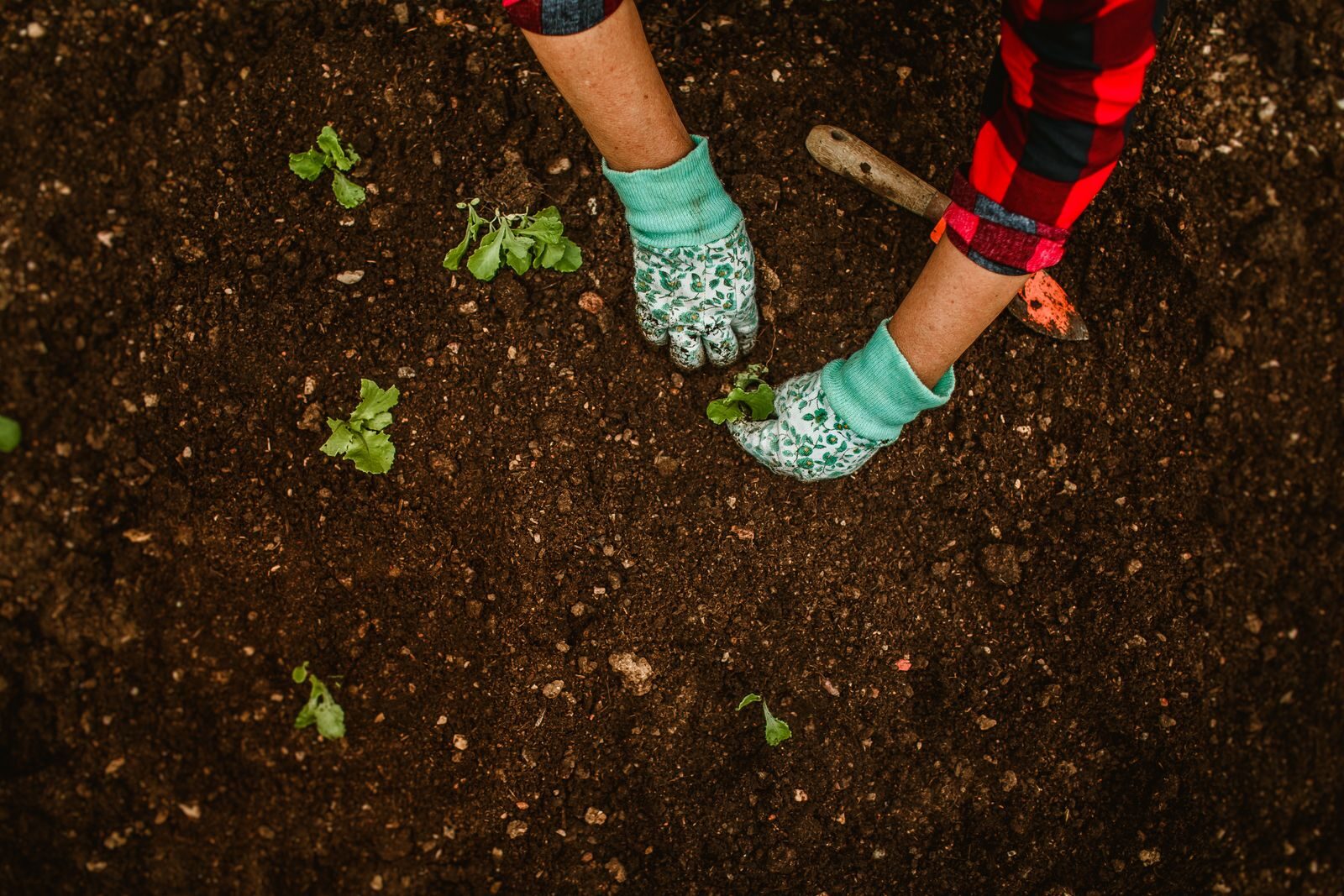


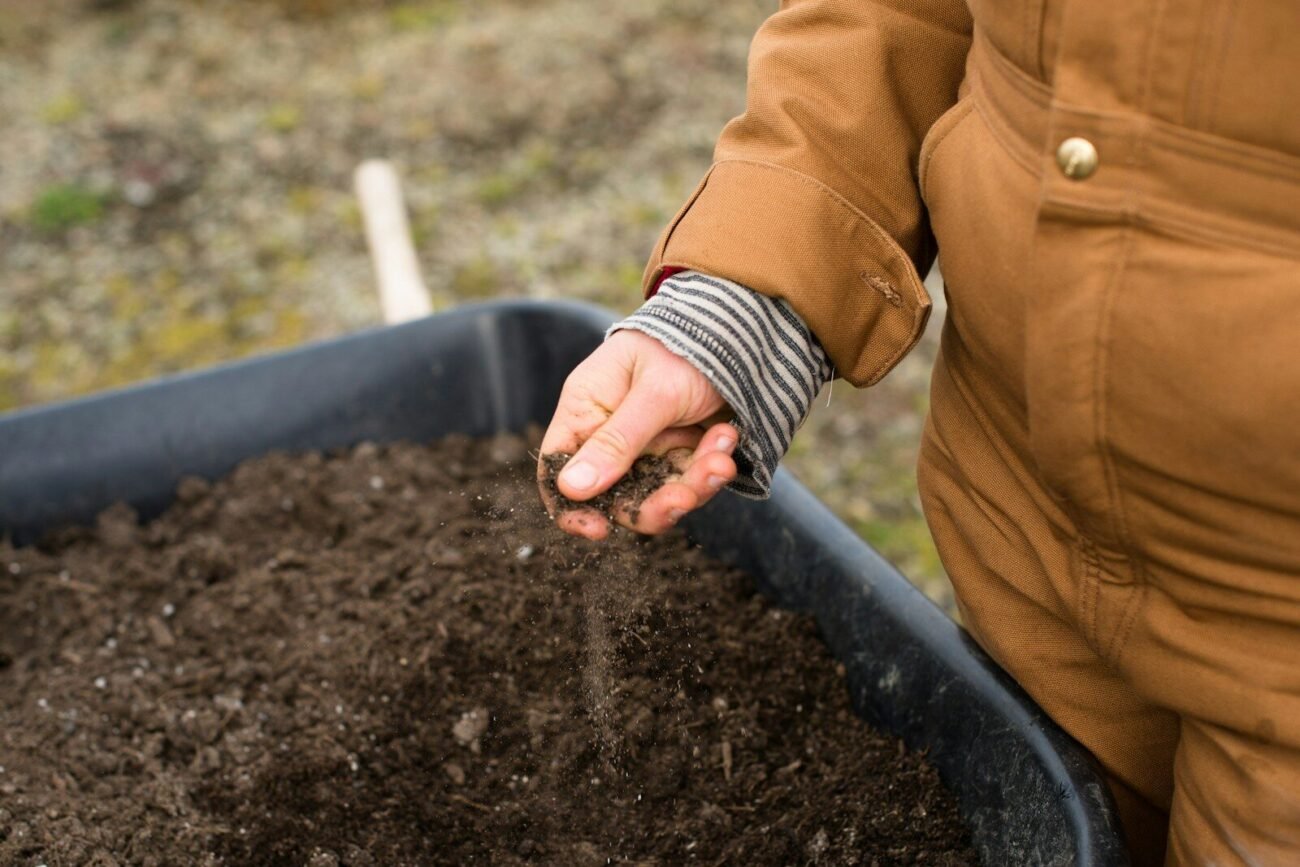
Add compost to your native planting bed, or leave the soil alone entirely?
Search that question and confident answers sit on both sides, one nursery telling you rich organic matter helps native roots establish, another telling you amendments usually make things worse. Both are right. The advice just answers two different problems using the same word.
Sorting out which answer applies to your garden takes about ten minutes and no lab, and it is the step almost every article on this topic skips.
Why the advice contradicts itself
The confusion comes from treating “amend” as one action, when it actually covers two separate jobs: fixing nutrient content and fixing physical structure. A soil can need one, both, or neither, and the right answer depends entirely on which.
Nutrient amendment means adding organic matter to raise fertility, usually through compost or manure. Many native plants specifically evolved on lean, low-nutrient ground, so a rich nutrient boost can produce exactly the wrong plant, weak, leggy, sappy growth instead of the tough, compact form the species developed to survive on. This is where the “never amend” advice comes from, and on naturally lean soil that already suits the plant, it is correct.
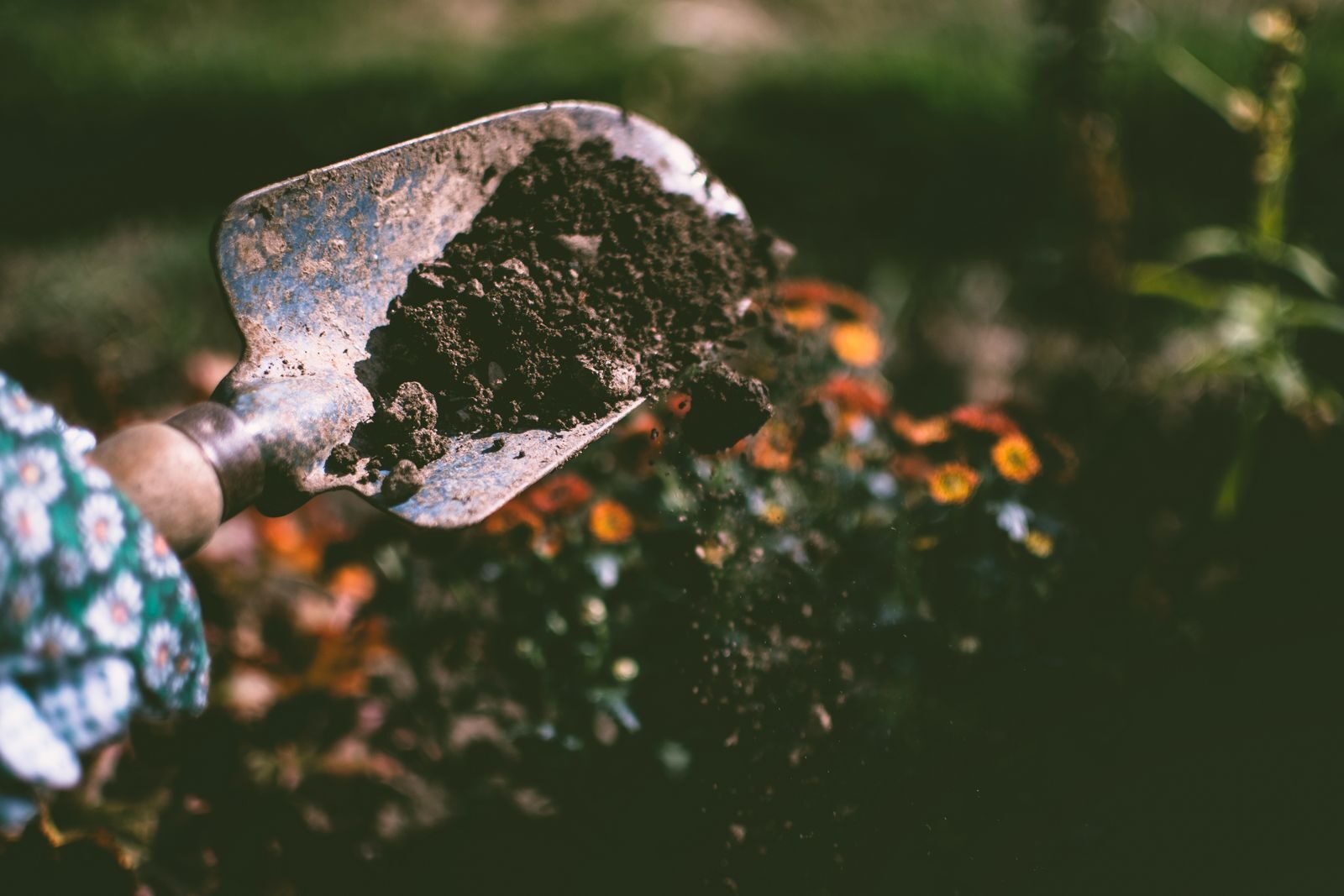
Structural amendment means adding organic matter to fix physical problems, poor drainage, compaction, a soil so degraded by construction or years of disturbance that roots cannot establish at all. Organic matter genuinely improves water holding capacity, structure, and the soil’s ability to exchange nutrients when it is added for this reason (UC Davis). This is where the “amend” advice comes from, and on degraded or heavily compacted soil, it is also correct.
Same word, two different soil problems, two different correct answers. The mistake is applying either piece of advice without checking which problem you actually have.
The line where amendment goes wrong
There is a real ceiling here, and it explains why over-amending backfires even when the intention is good.
Incorporating more than about 50 percent organic matter into a planting area can start working against plant growth rather than helping it. And organic matter that is only partly broken down causes its own problem, the soil microbes decomposing it pull nitrogen from the surrounding soil to do the work, competing directly with your plant’s roots and producing the deficiency symptoms you were trying to avoid in the first place (NC State Extension).
I recognise this mechanism from a different angle. It is the same nitrogen immobilisation chemistry I described in why isn’t my organic fertiliser working, where digging fresh, high carbon material into soil ties up nitrogen because microbes pull it from the surrounding ground to break the material down.
Here it shows up on the amendment side rather than the fertiliser side, but it is the identical process. Half-composted organic matter added to native soil competes with the plant’s roots for nitrogen in exactly the way raw wood chips compete with a fertiliser you have just applied. So “add compost” is not a blank check.
Fully composted material, in moderate amounts, aimed at a real structural problem, is a different action entirely from piling rich, half-broken-down organic matter onto soil a native plant was already built for.
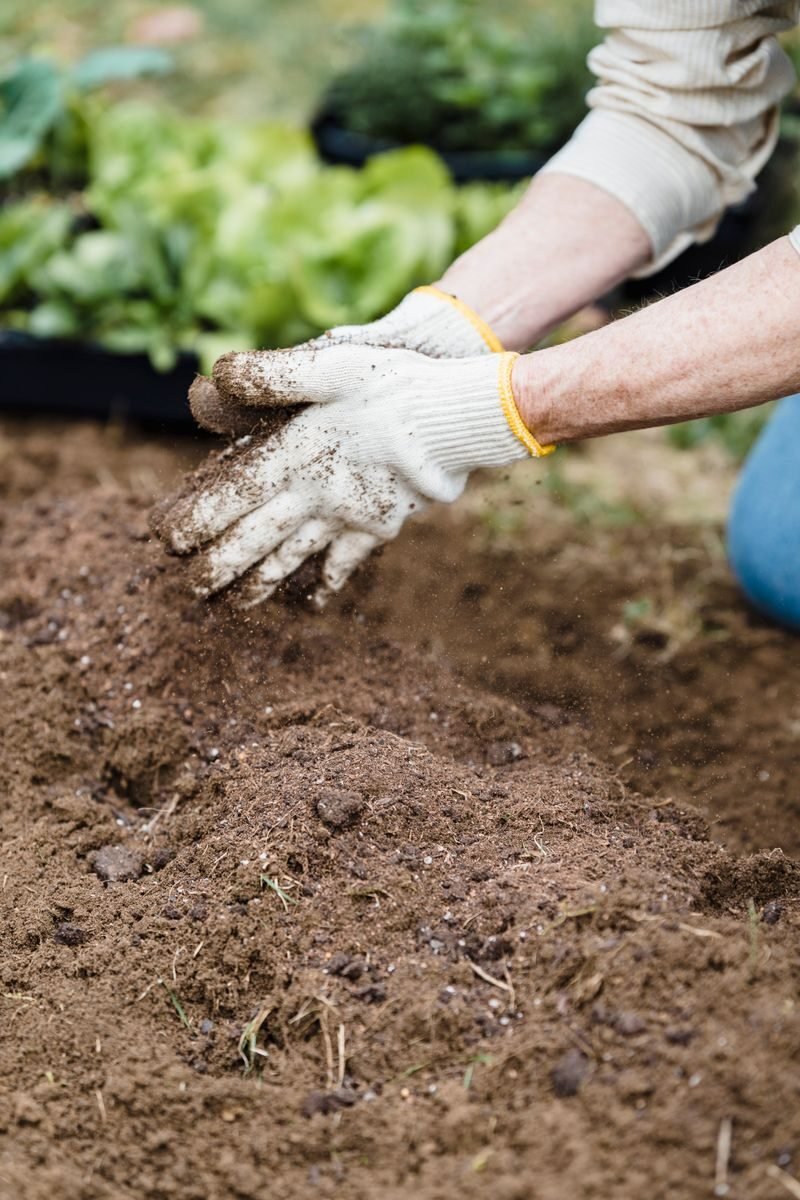
Where pH fits into this
pH is the other half of the picture, and it runs on a different mechanism entirely from organic matter. I covered the underlying chemistry properly in why organic phosphorus and potassium do not reach your plants, and the same lock-up principle applies here. Soil pH decides which nutrients a root can actually absorb, not just which nutrients are present. A native plant can be growing in soil that is chemically full of everything it needs and still show every sign of deficiency, because the pH is wrong for that particular nutrient to release.
This is why matching a native plant to your region is not enough on its own. Two gardens in the same region, a few streets apart, can carry meaningfully different pH depending on history, previous land use, and what has been built or grown there before.
Test before you decide either question
This is the ten-minute step that settles both the amendment question and the pH question, rather than guessing at either.
A simple texture test tells you whether your soil is genuinely compacted clay needing structural help, or already loose and well-drained, in which case adding more organic matter solves nothing you have. A pH test tells you whether the nutrients your plant needs are chemically available or locked away, regardless of how rich the soil looks.
I walk through both of these as simple, no-lab tests in my Fix Your Garden Soil guide, because they are the same two tests that settle nearly every soil question on this site, not just this one. Run them before you touch a bag of compost or a pH amendment, and you stop guessing which piece of contradictory advice applies to you.
What this means for you
Neither “amend” nor “never amend” is universally correct advice, because they are answers to different problems. If your soil is naturally lean and well-drained, and that is what your native plant evolved for, leave it alone, added fertility can produce weaker growth than no amendment at all.
If your soil is compacted, degraded, or poorly draining, moderate, fully composted organic matter genuinely helps, and skipping it because “natives don’t need amending” can leave a plant unable to establish at all.
The species name tells you which region a plant is from. It does not tell you which of these two situations your particular soil is in. Only a quick test does that.
FAQs
Should I amend the soil before planting native plants?
It depends on what your soil needs. Naturally lean, well-draining soil that already suits the plant usually needs no amendment, and added fertility can produce weaker growth. Compacted or degraded soil often benefits from moderate, fully composted organic matter to fix structure and drainage. Test your soil’s texture first to see which situation applies.
Can too much organic matter hurt native plants?
Yes. Incorporating more than about 50 percent organic matter into a planting area can start working against growth. Partly decomposed material also causes soil microbes to pull nitrogen from the surrounding soil while breaking it down, the same nitrogen immobilisation effect that ties up nitrogen when raw wood chips are dug into fertilised soil, which can produce the same deficiency symptoms the amendment was meant to prevent.
What soil pH is best for native plants?
There is no single ideal pH, since it depends on the specific species and the plant community it evolved with. What matters more than hitting a target number is knowing your actual pH, since pH controls whether nutrients already in your soil are chemically available to the plant’s roots.
Why does my native plant look deficient even in good soil?
Soil pH decides which nutrients a plant can absorb, not just which are present. A soil can be full of the nutrients your plant needs and still produce deficiency symptoms if the pH keeps those nutrients locked in a form roots cannot take up.
How do I know if my soil needs amending?
Test texture and pH before deciding. A texture test shows whether you have a genuine drainage or compaction problem worth fixing with organic matter. A pH test shows whether nutrients are available or locked away. Guessing from the “native” label alone does not tell you either.