





Same species. Same soil. Same rainfall…
So why is one native plant thriving in your garden while its near-identical sibling, planted three feet away, is quietly dying?
That is not a hypothetical…
It is what I watched happen in my own field research, and it explains a frustration a lot of gardeners have but nobody quite names. You did the responsible thing, you bought native instead of a foreign ornamental, matched to your region, exactly as every piece of advice tells you to. And it is struggling anyway.
The label told you the species. It did not tell you the one thing that actually predicts performance, where its seed came from. I know this because I measured it directly, on two genetic lines of the same native tree, growing in the same plot, under the same conditions.
What I actually measured
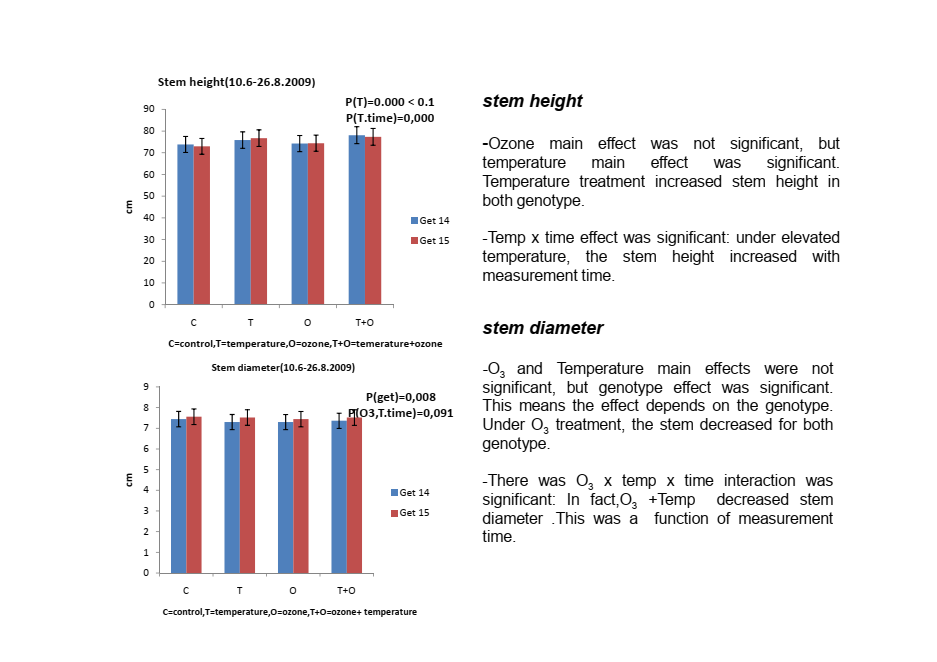
For my own research I grew two genetic lines of native silver birch side by side, work I first touched on in why native plants and biodiversity are linked, and want to go deeper on here. Same species, same soil, same weather, same season. I exposed both to a small amount of extra warmth, and separately, to elevated ozone, a common form of air pollution stress, then measured how each line responded.
They did not respond the same way. Under warming, one line grew larger leaves, the other grew smaller ones. One line kept more stem growth through the season, the other saw stem growth drop late in the year specifically when I added the ozone stress. Same species. Same conditions. Opposite outcomes.
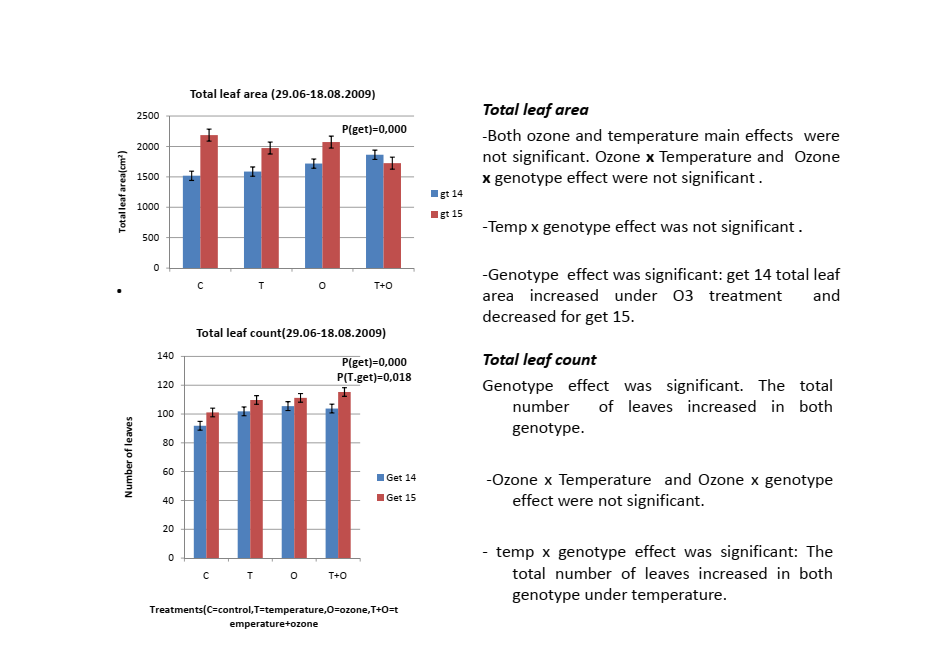
That result is not an accident. It has a name in the restoration and ecology literature, maladaptation, and it describes exactly this pattern, a genotype performing worse than expected because the conditions it evolved in were not the conditions it was planted in.
The term comes from the field of restoration genetics, which studies exactly this risk when native plants are moved or reintroduced (Hufford et al., 2016). My birch lines came from the same regional population, so I saw a mild version of this. Buy a plant grown from seed collected somewhere further away, and the gap can be far wider.
Why silver birch, and does this apply to your garden
I want to be upfront about something before you read further, because it is a fair question. I studied one species, a tree, in a boreal research plot. Most of what you plant is a shrub, a perennial, or a flower bed, not a birch stand.
So does any of this actually transfer to your garden?
The specific numbers do not transfer…
My leaf area and stem growth figures apply to silver birch under the exact conditions I tested, nothing else. What does transfer is the underlying mechanism, and this is where the wider research matters. Genetic differentiation between populations of a native species, and the resulting risk of maladaptation, has been documented across a wide range of species, not just trees. A genetic study of a small flowering plant, entirely unrelated to birch, found meaningful population differences over distances as short as 13 to 23 kilometres, tied to local rainfall and temperature (Hufford et al., 2016).
So my birch data is not the proof that this happens everywhere. It is my own direct evidence that the phenomenon is real, measured with my own hands, on a species I could control precisely. The wider literature is what tells you it is not a birch-specific quirk, it is a general property of how native plant populations diverge genetically across their range. That is the way to read this post, one measured example plus a documented general pattern, not one species standing in for every plant you might buy.
How far is far enough to matter
The Hufford study above makes the scale of this concrete. Two populations of the same species, a short drive apart, can already be meaningfully different in how they are built to cope with local conditions. A plant of the right species, bought from a nursery sourcing seed from outside your immediate area, may already be carrying a different genetic toolkit than the local wild population it is meant to resemble. The species name on the pot tells you almost nothing about this.
Put this together with what a native plant needs to establish, and the “dying native” mystery gets a lot less mysterious.
If a plant’s seed was collected from a population adapted to a different rainfall pattern, a different temperature range, or different pollution exposure than your garden actually has, it is not entering your soil as a perfectly matched local. It is entering as a genetic stranger wearing a local name tag. Add the normal stress of transplanting, and a plant that should have been tough can struggle in ways that look inexplicable if you only look at the species label.
This is not a reason to give up on native planting. It is a reason to ask one more question before you buy.
What to ask at the nursery
Ask where the seed or plant material originally came from, not just where the nursery is located. A nursery can be local while still growing stock from seed sourced hundreds of kilometres away.
Ask if the grower uses local or regional seed sourcing, sometimes labelled as local provenance or local ecotype stock. This is more common with specialist native plant nurseries than with general garden centres.
If you cannot get a clear answer, treat the plant as an unknown quantity rather than a guaranteed local match, and give it the same careful establishment care you would give any new planting, regardless of the native label.
Ask this before you buy your next native
Here is the one thing to carry to the nursery with you.
The species name tells you almost nothing about how that specific plant will handle your conditions. Where its seed came from tells you far more. Ask the grower directly, not just where the nursery is, but where the seed or original stock was collected. A local nursery selling distant seed is not the same as a local nursery selling local seed.
My own field data showed two lines of the identical tree species respond in opposite directions to the same stress, and the wider literature confirms this pattern holds across other species too, over distances as small as a few kilometres. That gap is real, and it is why a “correctly native” plant can still struggle. Ask the provenance question, and you stop gambling on the label alone.
FAQs
Why is my native plant dying if it is supposed to be adapted to my area?
Being native to your region does not guarantee the specific plant you bought was grown from local seed. Genetic differences between populations of the same species can be significant even over short distances, so a plant grown from seed sourced elsewhere may not be adapted to your exact conditions despite sharing the species name.
Does it matter where a native plant’s seed comes from?
Yes. Research on native plant populations has found meaningful genetic differentiation correlated with local climate factors over distances as short as 13 to 23 kilometres. A plant grown from distant seed can behave differently under stress than one grown from local seed, even though both are the same species.
What is plant maladaptation?
It describes a genotype performing worse than expected because the conditions it evolved in do not match the conditions it is now growing in. It explains why a native plant, technically correct for the region, can still struggle if its seed came from a population adapted to different rainfall, temperature, or pollution conditions.
Does research on one plant species, like a tree, apply to other native plants?
The specific results are species-specific, but the underlying mechanism, genetic divergence between populations leading to maladaptation, has been documented across a wide range of native species, not just trees. One study’s exact numbers will not transfer, but the general pattern is well established in the wider research.
How do I find native plants with local seed sourcing?
Ask the nursery directly where the seed or original plant material was collected, not just where the nursery operates. Specialist native plant nurseries are more likely to offer local or regional provenance stock than general garden centres, and some label this explicitly as local ecotype.