


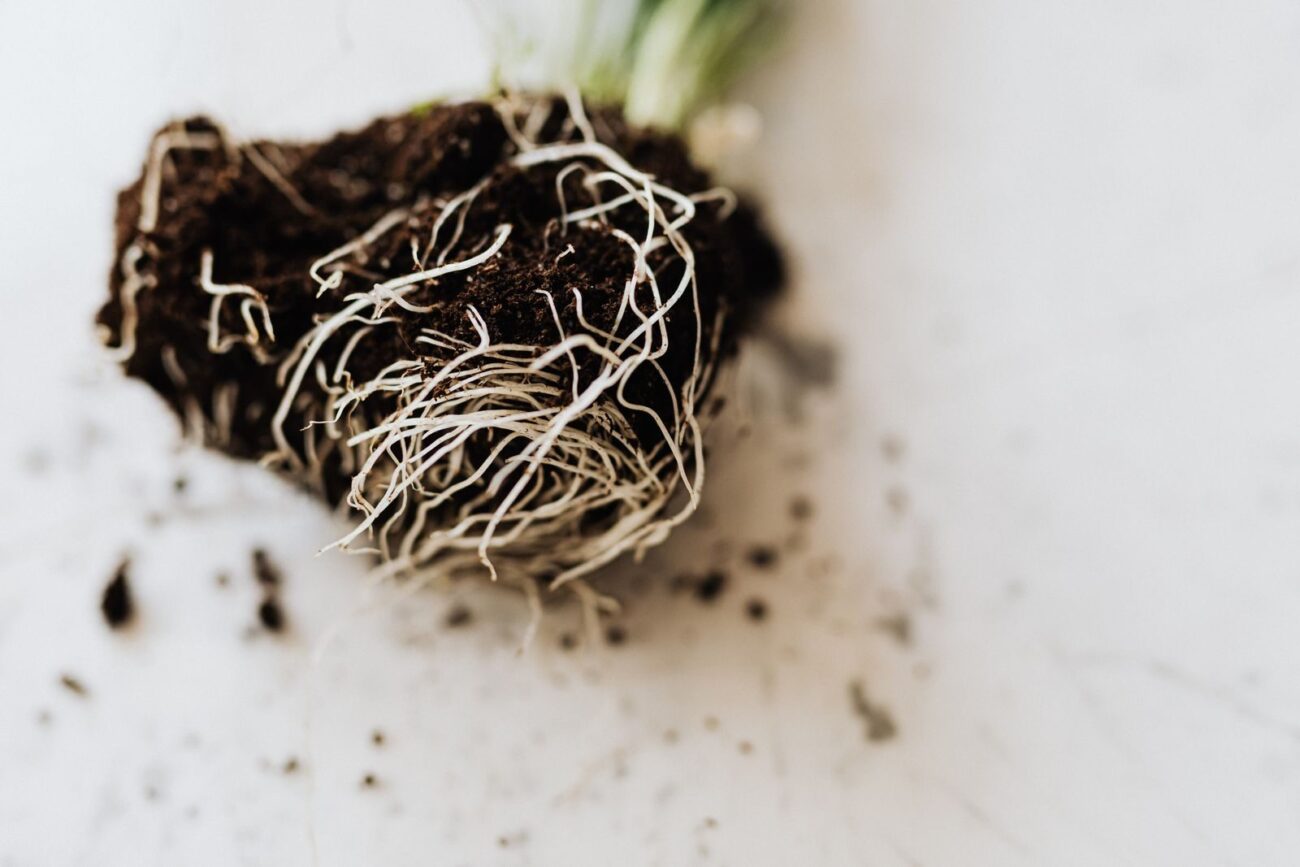
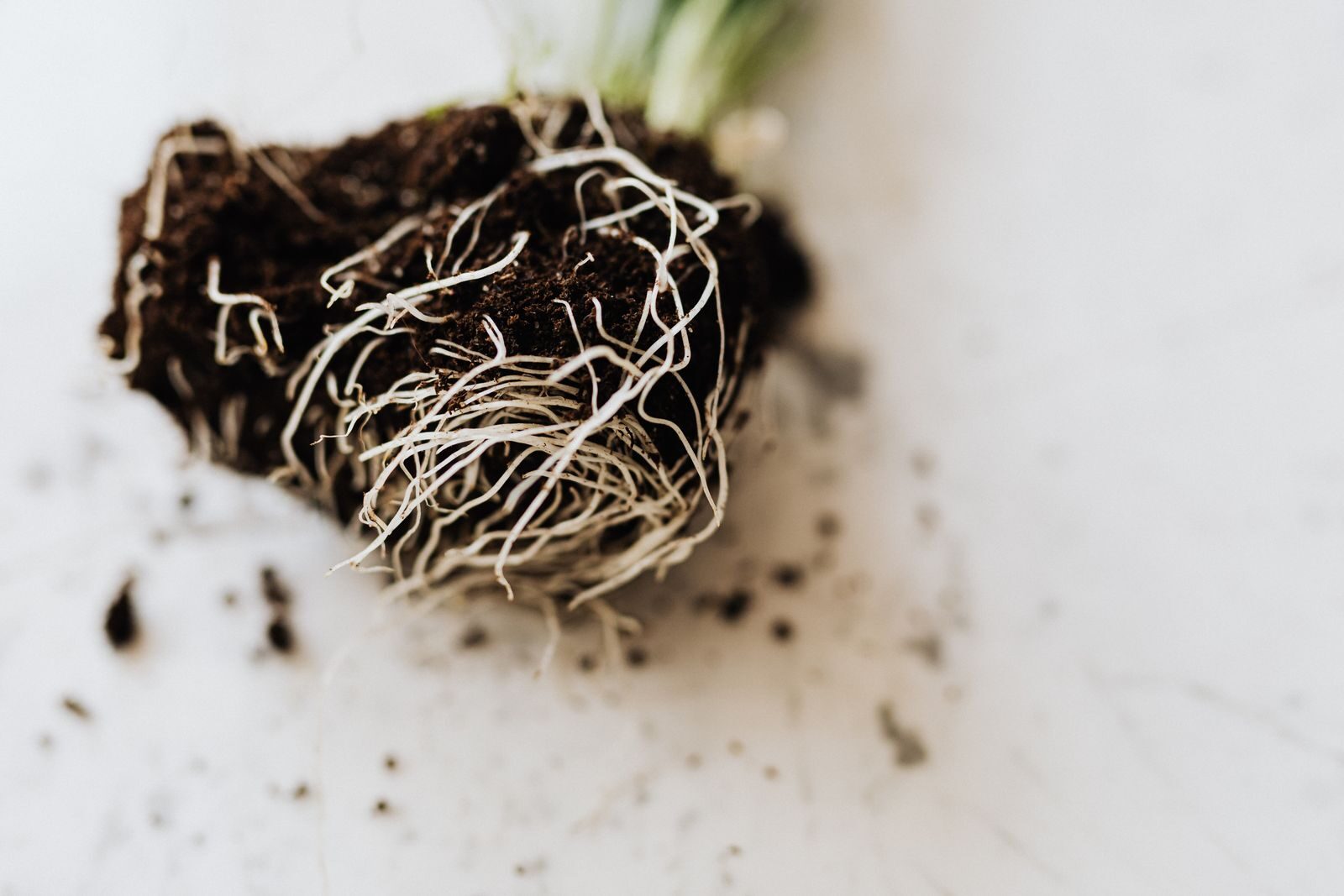
Mycorrhizal fungi are not a gardening product trend. They are one of the most ancient and fundamental biological relationships on earth. Around 90 percent of all land plant species form associations with mycorrhizal fungi. The relationship is estimated to be over 400 million years old.
So when a company sells you a packet of mycorrhizal inoculant they are not selling you something new. They are selling you a relationship that plants and fungi have been forming on their own for longer than most animal life has existed.
The real question is whether they need your help to form it.
What Mycorrhizal Fungi Do in Soil
Before evaluating whether inoculant products work it helps to understand what the relationship does at a biological level.
Mycorrhizal fungi colonise plant roots and extend their fungal threads called hyphae far beyond where the roots themselves can reach. The hyphal network dramatically increases the effective surface area available for nutrient and water uptake. In exchange the plant supplies the fungus with carbon in the form of sugars produced through photosynthesis.
The primary benefit for plants is phosphorus uptake. Phosphorus moves slowly through soil and roots can quickly deplete the phosphorus immediately surrounding them. Mycorrhizal hyphae extend into phosphorus rich zones the roots cannot reach and transfer that phosphorus back to the plant.
Secondary benefits include improved water uptake, enhanced resistance to some soil pathogens, and better tolerance of environmental stresses including drought and elevated temperatures.
What a Mycorrhizal Inoculant Product Contains
This is where the evaluation gets interesting and where product quality varies enormously.
A mycorrhizal inoculant product needs to contain viable fungal propagules. That means living fungal material capable of forming a real symbiotic association with plant roots. The propagules can be in the form of spores, colonised root fragments, or hyphal material depending on the fungal species and the production method.
The critical word is viable. Fungal propagules have a shelf life. They are affected by heat, moisture, UV exposure, and storage conditions. A product sitting in a garden centre in a warm building for six months may contain significantly fewer viable propagules than stated on the label.
Product quality assessment is difficult for consumers because there is no standardised regulatory requirement for propagule viability testing in most markets. A product can legally state a propagule count on the label without any requirement that those propagules are alive at the point of purchase.
My postgraduate training in quality control of chemical and environmental measurements gave me a specific framework for understanding exactly this kind of analytical claim. Stated counts without viability verification are a significant gap in mycorrhizal product quality assurance.
What the Research Shows
The evidence is mixed and context dependent. That is the most precise summary I can give you.
In controlled studies where sterile or low mycorrhizal soil is used and compatible plant species are inoculated with high quality viable products the results are often positive. A meta-analysis of 419 independent trials across 50 studies found that mycorrhizal inoculation increased total plant biomass by 29.7 percent and phosphorus uptake by 36.3 percent compared to uninoculated controls (Chandrasekaran, 2020). Those are meaningful numbers from a substantial body of research.
In field conditions with existing soil fungal communities the picture is less clear. Several studies have found little or no additional benefit from commercial inoculants in soils that already contain native mycorrhizal fungi populations. The introduced fungi have to compete with established native strains and do not always win that competition.
Why Plant Response Varies More Than the Marketing Suggests
This is something I want to address directly because it is underrepresented in most content on this topic.
My field research measuring soil CO₂ efflux and plant growth responses across two silver birch genotypes gave me a direct view of how variable plant responses to soil conditions can be. GT14 and GT15 were the same species, growing side by side in the same soil, under identical treatment conditions. Their soil respiration responses and growth trajectories were measurably different.
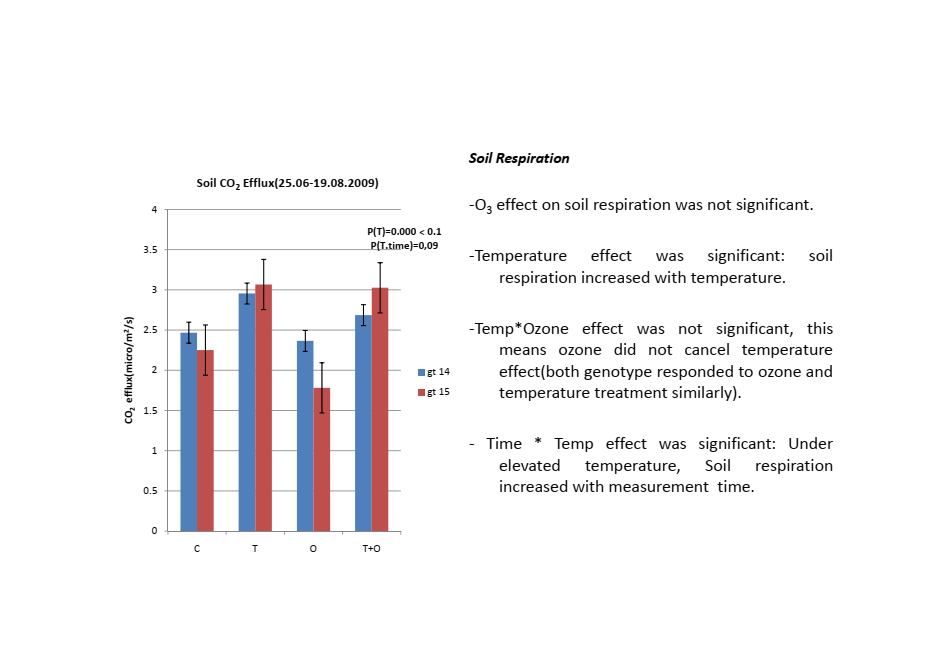
That variability is worth keeping in mind when reading mycorrhizal inoculant claims. Most product marketing presents the benefits as universal. The research tells a more complicated story. Plant response to mycorrhizal associations is species specific. It is influenced by genotype. It is affected by existing soil fungal community composition, soil phosphorus levels, and environmental conditions.
A product that performs well in a controlled study with one plant species in sterile soil may perform very differently with a different species in your garden soil. That is not a reason to dismiss the products entirely. It is a reason to read the evidence with appropriate caution.
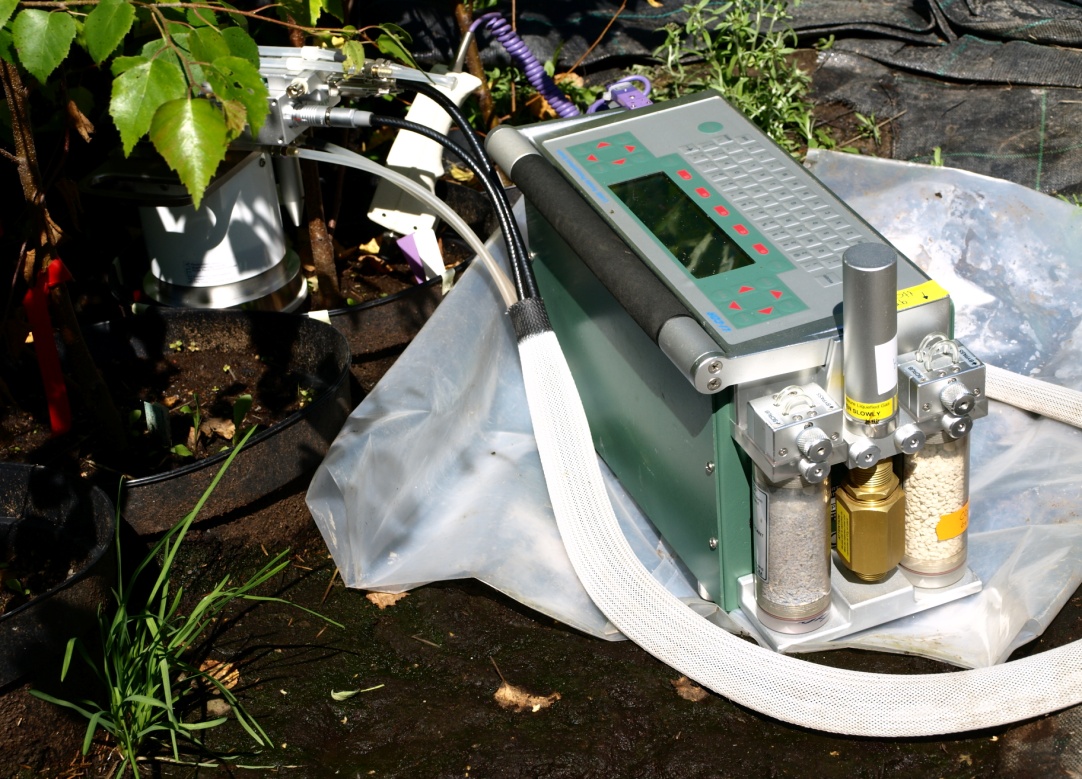
To measure soil CO₂ efflux in my field research I used a LICOR gas analyser with a soil respiration chamber placed directly on the soil surface. Each measurement captured the CO₂ released from microbial activity in the rhizosphere including fungal respiration. That direct measurement experience is part of why I read soil biology product claims the way I do.
When Inoculant Products Are Most Likely to Deliver Results
The conditions where inoculant products have the strongest evidence behind them:
Disturbed or degraded soils with depleted native fungal communities. Construction sites, heavily tilled agricultural land, and soils treated with fungicides have reduced native mycorrhizal populations. In these conditions introduced propagules face less competition and have a real opportunity to establish.
New planting into sterile growing media. Potting mixes, grow bags, and proprietary compost products are often low in or free from native mycorrhizal fungi. Inoculating transplants going into these media gives the product its best chance.
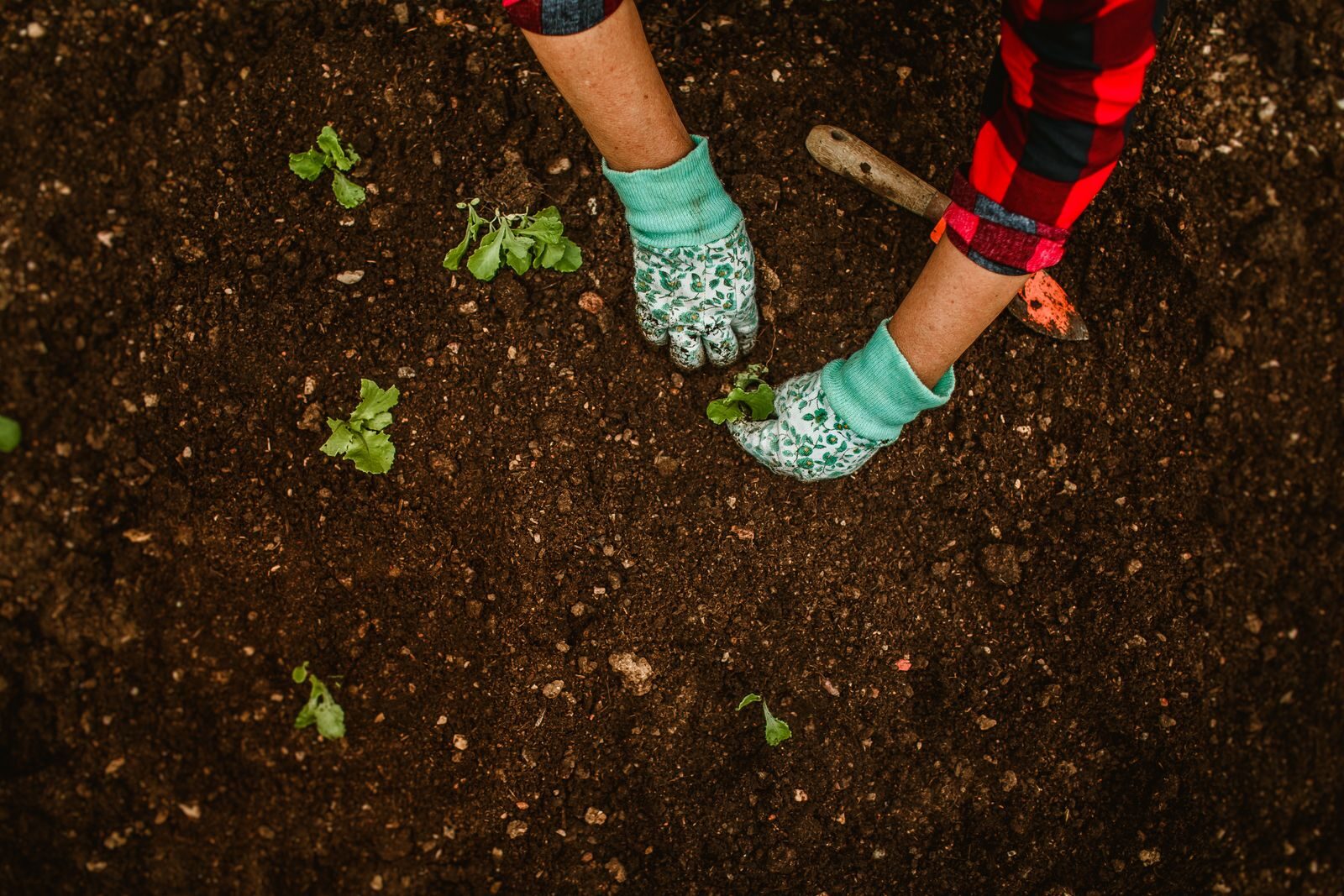
Bare root transplanting. Applying inoculant directly to roots at the point of planting when roots are exposed maximises contact between viable propagules and root tissue. This is one of the application methods with the strongest evidence.
When Inoculant Products Are Less Likely to Deliver Results
Plants that do not form mycorrhizal associations. This catches a lot of gardeners out. Members of the Brassicaceae family including all cabbages, kale, broccoli, and mustards do not form mycorrhizal associations. Neither do plants in the Chenopodiaceae family including spinach and beetroot. Applying inoculant to these plants is wasted product.
Soils with healthy existing mycorrhizal networks. If your soil already contains thriving native fungal communities the introduced strains are unlikely to establish meaningfully. Healthy undisturbed garden soil, permanent pasture, and established woodland soils typically fall into this category.
High phosphorus soils. When soil phosphorus levels are high plants have less incentive to maintain the energetically costly mycorrhizal relationship. The plant simply does not need the fungal network for phosphorus when phosphorus is abundant. Heavily fertilised soils often have this characteristic.
Soils recently treated with fungicides. Fungicides reduce fungal populations in soil. Applying a mycorrhizal inoculant to recently fungicide treated soil is poor timing.
How Long Does Mycorrhizae Take to Work
Colonisation of root tissue typically begins within days to weeks of successful inoculation under appropriate conditions. Measurable plant growth responses however take longer to appear. Most studies measuring plant performance benefits report results over growing seasons of several months rather than weeks.
If you are expecting dramatic plant improvement within a few weeks of applying a mycorrhizal product you are likely to be disappointed regardless of product quality. The relationship builds over time as the hyphal network develops through the soil volume.
Is Mycorrhizal Fungi Worth It
For most established garden beds with healthy undisturbed soil the evidence does not strongly support the cost. Native mycorrhizal communities in good garden soil are likely already doing the job.
For specific situations including new raised beds filled with bought compost, bare root transplanting, planting into degraded or heavily disturbed soil, or establishing plants in sterile growing media the evidence is more supportive and the investment more likely to produce a real return.
The most important thing you can do regardless of whether you use a commercial inoculant is avoid practices that damage native mycorrhizal networks. Reduce tillage where possible. Avoid unnecessary fungicide applications. Keep organic matter in soil. Build the conditions where fungal communities thrive naturally.
That approach has stronger evidence behind it than any commercial product.
What This Means for Your Garden
Mycorrhizal inoculant products are not snake oil. The biology behind them is real and the evidence in the right conditions is positive.
But the conditions matter more than the marketing suggests. Viable propagules, compatible plant species, appropriate soil conditions, and correct application timing all affect whether you see a real return from these products.
My field research experience measuring how the same species responds differently under the same conditions taught me to be cautious about any claim that presents a biological product as universally beneficial. Soil systems are complex. Plant responses are variable. The evidence for mycorrhizal inoculants reflects that complexity.
Use them where the conditions support them. Build your soil biology where the conditions do not.
Summary
Mycorrhizal fungi form real and beneficial associations with around 90 percent of plant species. Commercial inoculant products work best in disturbed soils, sterile growing media, and bare root transplanting. In established garden soil with healthy native fungal communities the evidence for added benefit is weak.
Brassicaceae and Chenopodiaceae plants do not form mycorrhizal associations at all so applying inoculant to these is wasted product. High phosphorus soils and recent fungicide use both reduce effectiveness significantly.
Building healthy soil biology through reduced tillage and consistent organic matter inputs has stronger evidence behind it than any commercial mycorrhizal product.
FAQ
Do mycorrhizal inoculants work?
They can work but conditions matter significantly. Products with viable propagules applied to compatible plant species in disturbed or low fungal soils have reasonable evidence behind them. In established garden soil with healthy native fungal communities the additional benefit is less clear.
Is mycorrhizal fungi worth it?
For new planting into sterile or disturbed soil yes. For established garden beds with healthy soil the evidence is less convincing. Native mycorrhizal communities in good undisturbed soil are often already doing the job.
What plants do not benefit from mycorrhizal fungi?
Plants in the Brassicaceae family including cabbage, kale, broccoli, cauliflower, and mustard do not form mycorrhizal associations. Neither do spinach, beetroot, and other Chenopodiaceae family members. Applying inoculant to these plants produces no benefit.
Can I add mycorrhizal fungi after planting?
You can but direct root contact at planting gives the best results. Applying to established plants through soil drenching is less reliable because propagules need to reach root tissue to colonise. Bare root application at transplanting time is the most evidence supported method.
How long does mycorrhizae take to work?
Colonisation of root tissue can begin within days to weeks under good conditions. Measurable plant growth benefits typically take a full growing season to become apparent.
When should you not use mycorrhizal fungi?
Avoid using on Brassicaceae and Chenopodiaceae plants. Avoid in high phosphorus soils. Avoid shortly after fungicide application. Avoid in established undisturbed soil where native communities are likely already thriving.
How do you use mycorrhizal inoculant?
Apply directly to bare roots at transplanting time for best results. For seed sowing mix into the seed drill or apply to the seed surface. Prioritise root contact over soil drenching.