










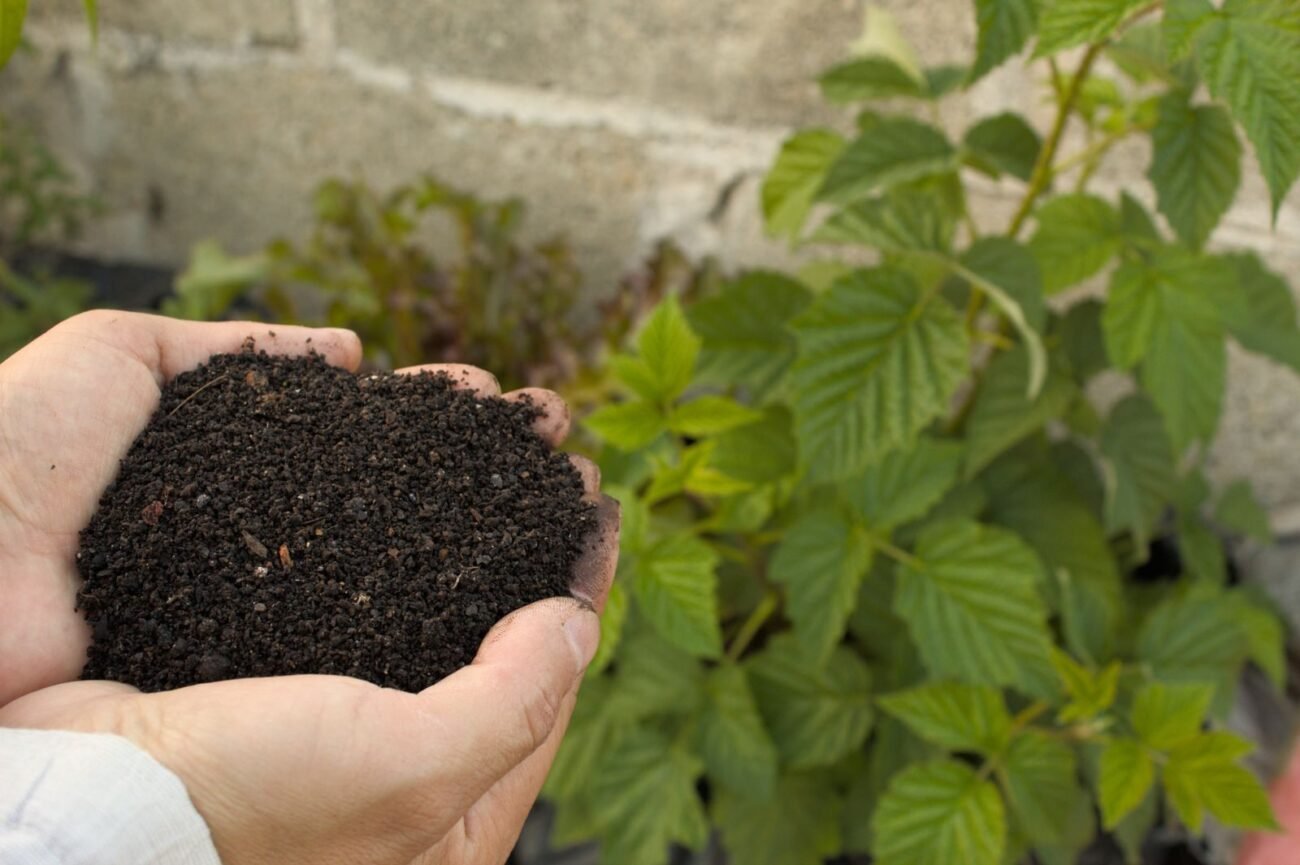
You fed your plants three weeks ago and nothing looks different. No deeper green, no fresh growth, no sign the fertiliser did a thing.
So is the product a dud, or is something else going on under the surface?
Most of the time it is the second one. Organic fertiliser rarely fails outright. It works on a timeline that catches people out, and a handful of common conditions can stall it completely. I want to walk you through how to tell a fertiliser that is not working from one that is simply still releasing, and then through the specific reasons it stalls.
I spent my research years measuring how active soil microbes are under different conditions, tracking soil respiration and carbon dioxide release in field plots. That work sits right underneath this question, because the same microbes I was measuring are the ones that decide whether your fertiliser feeds anything. When I say release is slower than gardeners expect, I am describing biology I measured, not a rule of thumb I picked up secondhand.
If you want the full chemistry of how organic nitrogen becomes plant food, I covered that in my piece on what NPK labels do not tell you. Here I am staying on the practical question: why yours seems stuck, and what to do about it.
Is it failing, or just slow?
Synthetic fertiliser dissolves in water and reaches roots within days. Organic fertiliser cannot do that. The nitrogen in blood meal, compost, or pelleted manure is locked inside organic molecules, and soil microbes have to break those down before a root can take anything up. That processing step is the whole reason organic feeds are slow, and it is why “nothing happened yet” is usually a timing story, not a failure.
So before you write off the product, the first question is not what is wrong with the fertiliser. It is whether you have given the soil biology enough time and the right conditions to do its job.
How long should organic fertiliser take to work?
It depends almost entirely on the material and the soil temperature.
Fast materials with low carbon to nitrogen ratios, like blood meal or feather meal, can show a visible response in one to two weeks in warm soil. Slower materials, like well rotted compost or anything woody, release over months rather than weeks. A university extension breakdown of organic inputs put feather and fish meal at over 60 percent of their nitrogen released within four weeks, while stable compost released only a small fraction in the same window (Oregon State University Extension).
So a fair expectation is one to three weeks for a fast feed in warm soil, and considerably longer for anything slow or in cool conditions. If it has been a few days, you are simply early.
How to tell if it is working
You are not looking for an overnight change. You are looking for signs the soil biology has picked up and the plant is responding over a couple of weeks.
New growth is the clearest signal. Fresh leaves, new shoots, a deeper green in the newest growth rather than the old. Colour change shows first in new tissue, so check the top of the plant, not the bottom.
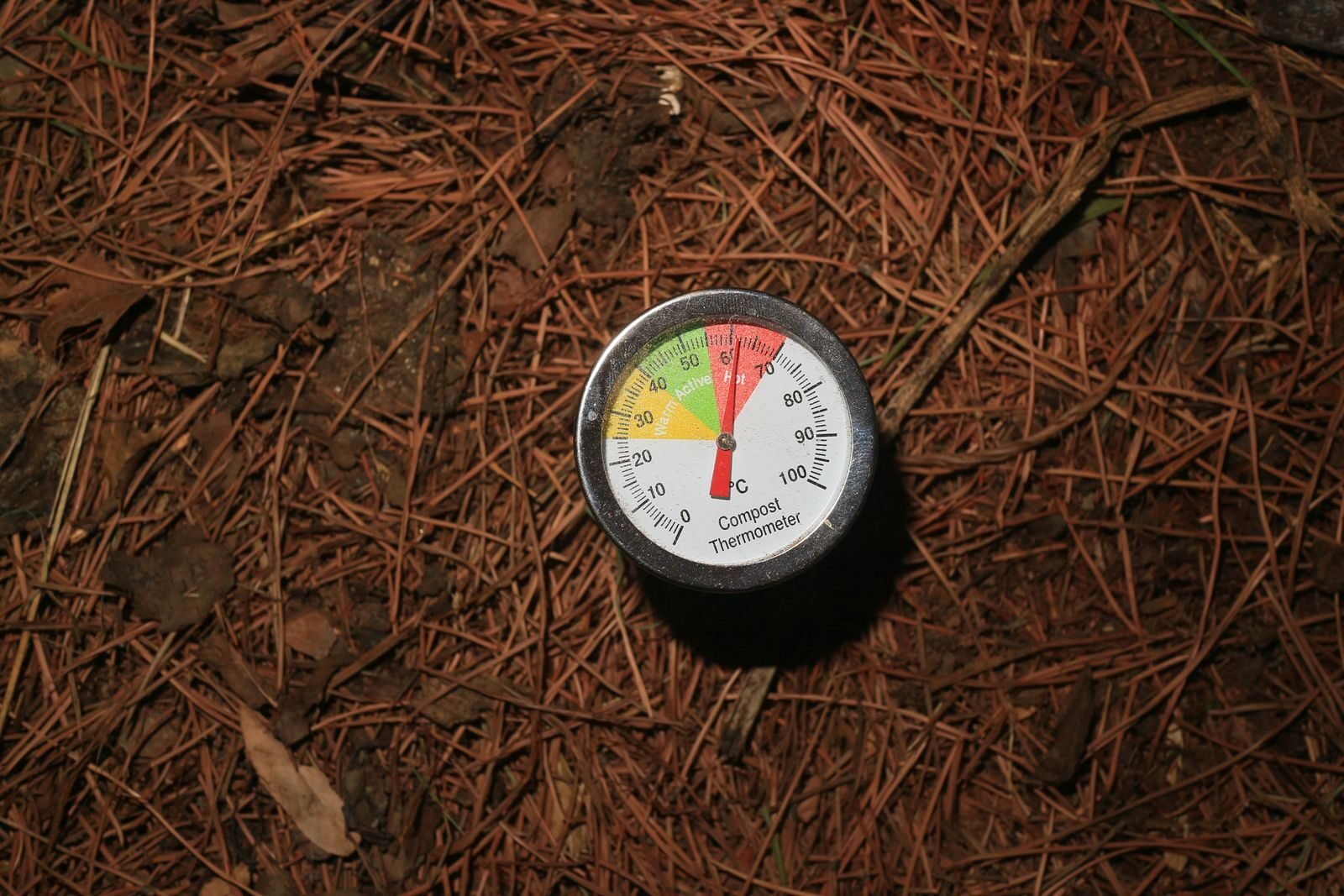
If you want to be more precise, a cheap soil thermometer tells you more than staring at leaves will. If your soil is sitting below 10 degrees Celsius, the fertiliser is not stuck, it is waiting, and the thermometer will tell you that faster than guesswork.

Reason one: the soil is too cold for the microbes
This is the single most common reason organic fertiliser seems to do nothing, and it catches people every spring.
Mineralisation is driven by living microbes, and microbes slow down as soil cools. Their activity roughly doubles for every 10 degree Celsius rise up to an optimum, and it falls away just as fast in the other direction.
As one extension guide sets out, microbial growth is tied directly to soil temperature and water content, and nitrification slows once soil drops below about 10 degrees Celsius (NDSU Extension). In cold early spring soil, the same blood meal that would green up a tomato in a fortnight in July can sit almost inert for weeks.
I saw this in my own field data. I measured microbial respiration responding to temperature directly, and the swing is larger than most people expect. Warm the soil and the biology speeds up. Cool it and everything slows, including whatever you just fed it.
If your soil is cold, you do not have a fertiliser problem. You have a waiting problem, and it fixes itself as the season warms.
Reason two: the soil is too dry or too wet
Microbes need water to work, and they need air too. Both extremes stall them.
In dry soil the microbial community slows right down, and mineralisation drops to almost nothing until moisture returns. This is why granular organic feed scattered over dry ground and left there often does nothing. There is no moisture to drive the biology, and half the product may still be sitting on the surface.
Waterlogged soil is the opposite problem. When soil sits saturated, oxygen disappears, and the nitrogen shifts toward being lost as gas rather than delivered to roots. Mineralisation is highest in soil that is moist but still holds air, and it drops off as soil nears saturation. Moist but not soggy is the target.
Reason three: you are feeding the wrong nutrient
Sometimes the fertiliser is working perfectly and the plant still looks unwell, because the problem was never the nutrient you added.
This trips up lawn feeding especially. You add a nitrogen rich feed expecting the grass to green up, and nothing changes, because the grass was short of iron, or the soil pH is locking out what is already there. Adding more of a nutrient the plant was not short of does nothing you can see.
Before adding a second dose, it is worth asking whether the symptom you are chasing points to the nutrient you applied. Yellowing between leaf veins, poor rooting, weak flowering, these each point in different directions, and none of them are fixed by piling on more nitrogen.
Reason four: you applied it in a way that stalls it
How you place organic fertiliser changes whether it works.
Scattered on top of dry mulch or bone dry soil, it has no contact with the moist, biologically active zone where mineralisation happens. Worked lightly into the top few centimetres of moist soil, or watered in, it starts being processed. Surface application is one of the quiet reasons a good product underperforms.
There is also a trap with woody, high carbon materials. If you dig in fresh wood chips or sawdust along with your feed, the microbes decomposing that carbon pull nitrogen out of the soil to do it, tying it up temporarily and leaving less for your plants. This is worth checking if you recently added a lot of high carbon material. You can sanity check the balance of what you are adding with the compost carbon to nitrogen ratio calculator.
Reason five: it did work, but it burned
The opposite failure is applying too much of a fast material and damaging the plant.
Fresh manure and high nitrogen feeds like blood meal, applied heavily and close to roots, can release ammonium faster than the soil can buffer it. At high concentrations that ammonium damages roots, and instead of greener growth you get scorched leaf edges, wilting, or dieback. The label rate is set where it is for a reason, and with these materials more is not better.
If your plants went backwards fast after feeding rather than simply failing to improve, burn is the likely cause. Water deeply to dilute and move the excess away from the root zone, and hold off on any further feeding.
How to get a stalled organic fertiliser moving again
If you have ruled out burn and you just want the feed to start working, a short checklist helps.
Check soil temperature with a thermometer. If it is below 10 degrees Celsius, wait for warmth rather than adding more.
Check moisture. Dry soil needs watering to activate the feed. Waterlogged soil needs to drain before anything useful happens.
Make sure the fertiliser is in contact with moist soil, not sitting on mulch or dust. Work it in lightly or water it through.
Give it two to three weeks in warm, moist conditions before judging it. Fast materials will show by then. If nothing at all has happened under good conditions in that window, then you have grounds to question the product, or to look harder at the soil itself.
When the problem is the soil, not the fertiliser
The pattern I see most often is this. People reach for stronger and stronger feeds when the underlying issue is soil that cannot process them. Depleted, compacted, low activity soil will underperform with any fertiliser you give it, because there is not enough living biology to do the mineralising.
If a fertiliser that should work keeps disappointing across a whole season, the soil is usually the thing to fix, not the feed. Signs of a soil that has run low on biology, and how to read them, are in my guide on how to tell if your soil is alive. And if you want a structured way to rebuild tired ground rather than keep patching it, that is what I built the Fix Your Garden Soil guide around.
Feed the soil, and the soil feeds the plant. That is the order that works.
FAQ
How long does organic fertiliser take to work?
It depends on the material and the soil temperature. Fast feeds like blood meal or feather meal can show in one to two weeks in warm soil, while compost and woody materials release over months. Cold soil slows everything, so the same feed can take far longer in early spring than in summer.
How do I know if my organic fertiliser is working?
Look for new growth over a couple of weeks: fresh shoots and deeper green in the newest leaves, not the old ones. Do not expect an overnight change. A soil thermometer helps too, since soil below 10 degrees Celsius means the feed is waiting on warmth rather than failing.
Why is my lawn not responding to fertiliser?
Often because the grass was not short of the nutrient you added. If you apply nitrogen but the grass needs iron, or the soil pH is locking out nutrients already present, more nitrogen changes nothing visible. Check what the symptom actually points to before adding another dose.
Can organic fertiliser burn plants?
Yes, mainly fast, high nitrogen materials like fresh manure or blood meal applied heavily and close to roots. Rapid release produces high ammonium concentrations that damage roots, causing scorched leaf edges, wilting, or dieback. Stick to the label rate and keep strong feeds off direct root contact.
Does organic fertiliser work in cold soil?
Barely. Mineralisation is driven by soil microbes, and their activity drops sharply as soil cools, slowing once soil falls below about 10 degrees Celsius. In cold early spring soil, organic nitrogen can sit almost unavailable for weeks until the soil warms.
What happens if you apply organic fertiliser incorrectly?
Applied to dry soil or on top of mulch, it has no contact with the moist, active zone where microbes work, so it does little. Dug in alongside fresh woody material, it can even be tied up temporarily as microbes pull nitrogen to break down the carbon. Working it into moist soil and watering it in fixes most application problems.
SUMMARY
Organic fertiliser rarely fails outright, it works slowly, because soil microbes have to break it down before plants can use it. The most common reason it seems to do nothing is cold soil, which slows the microbes that drive mineralisation.
Dry or waterlogged soil stalls it too, as does feeding the wrong nutrient, applying it onto dry ground or mulch, or digging it in with woody material that ties up nitrogen.
Give a fast feed two to three weeks in warm, moist soil before judging it, and if a fertiliser keeps disappointing all season, the soil itself is usually the thing to fix rather than the feed.