


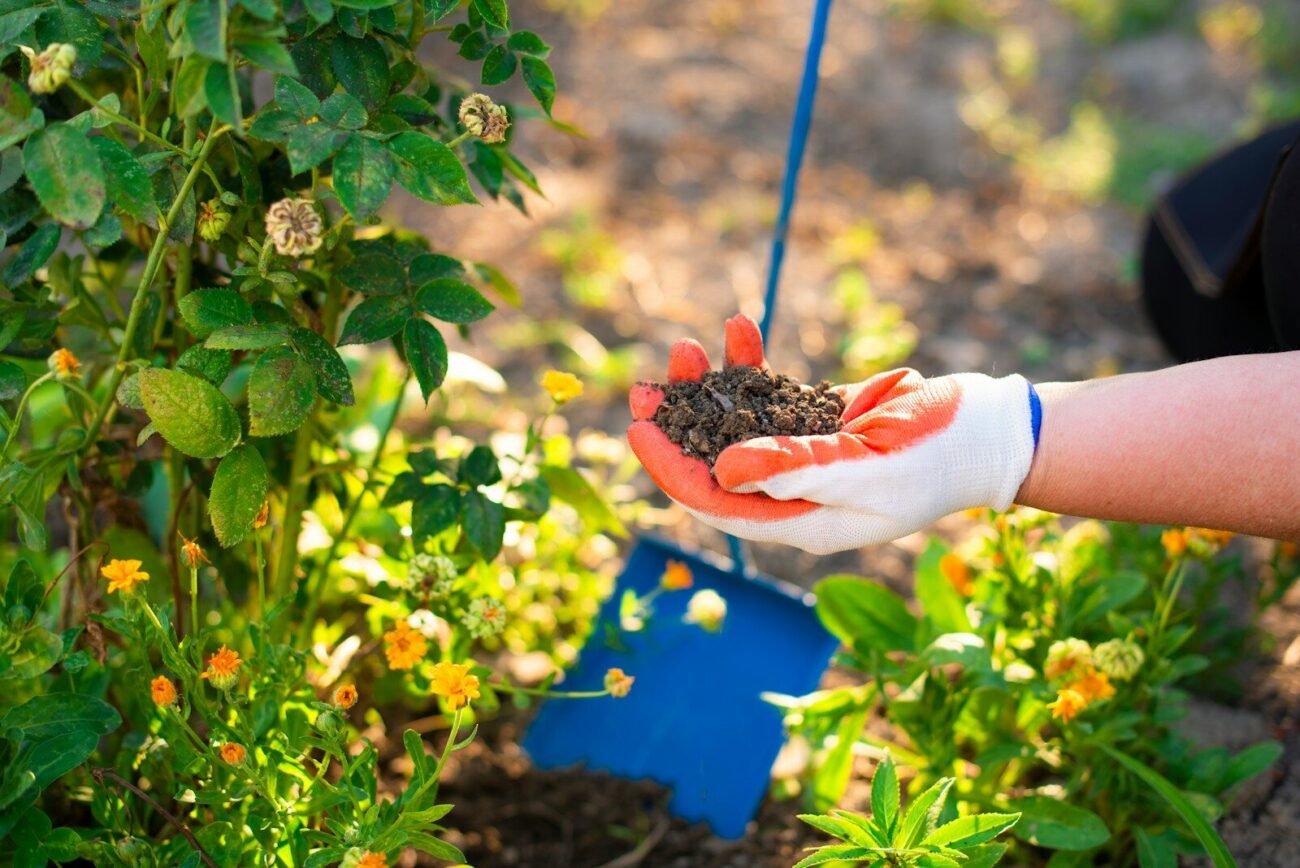
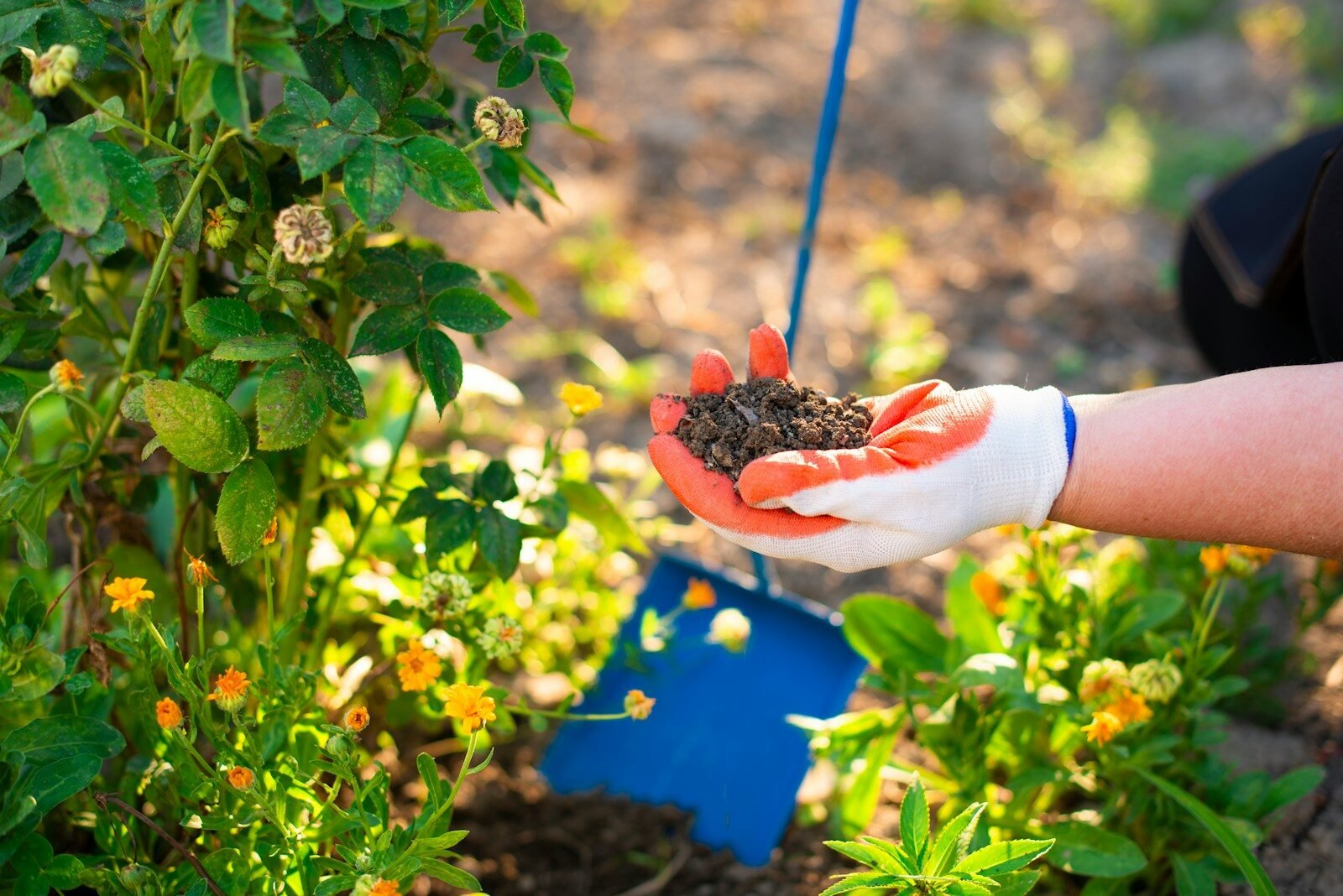
You test low for phosphorus, so you add bone meal. Weeks pass. You test again, and the number has barely moved. You put the phosphorus in there yourself, so where did it go?
It did not go anywhere. It is still in your soil, right where you left it. Your plant just cannot reach it.
This is the part of feeding plants that almost no fertiliser article covers, because they all stop at nitrogen. Phosphorus and potassium play by completely different rules. If you do not know those rules, you can spend good money on feed and still watch your plants go hungry while the soil holds everything they need.
I studied plant mineral nutrition directly, across both my degrees, and if I had to name the one lesson that changed how I see feeding a garden, it is this: a nutrient being present in the soil and a nutrient reaching the plant are two separate things. Nowhere is that gap wider than with phosphorus and potassium. So let me show you why, and what I would do about each.
First, what counts as organic phosphorus
The common organic phosphorus sources are bone meal, rock phosphate, manure, and fish based feeds. Bone meal is the one most gardeners reach for, and I went through how it stacks up against blood meal in bone meal vs blood meal, so I will not repeat that here.
What all of them share is the thing I most want you to take away. The phosphorus in them is not sitting there ready for a root to grab. It has to be released, and then it has to survive in the soil long enough to reach the plant. That second step is where I have learned most of it is lost.
Why so much phosphorus gets locked away
This is the part that surprises people, and it surprised me when I first worked through the chemistry of it. Phosphorus is one of the least mobile nutrients in the whole soil. Once it dissolves, it does not travel far, and it does not stay dissolved for long, because it reacts fast with whatever is around it.
What it reacts with depends on your soil pH, and that is where the lock-up happens.
In alkaline soil, above roughly pH 7.3, phosphorus binds with calcium and forms compounds your plant cannot use. In acidic soil, below about pH 5.5, it binds instead with iron and aluminium, with the same result. Either way it is chemically tied up, present in the soil but locked out of reach (University of Minnesota Extension). The band where the most phosphorus stays available is narrow, around pH 6 to 7.
This present versus reachable gap is the heart of what mineral nutrition taught me. I can look at a soil test showing plenty of phosphorus and a plant showing every sign of shortage, in the same bed, at the same time, and know the bag was never the problem. The pH was.
It is ion chemistry underneath, and I find that the clearest way to hold it in mind. A phosphate ion carries a charge, and charged ions grab onto calcium, iron, and aluminium and drop out of solution. That one reaction is why I tell people adding more phosphorus to the wrong soil mostly wastes it. The new phosphorus locks up just like the last lot did.
How to get phosphorus to your plants
So if piling on more does not work, what does? Three things, and I would tackle them in this order.
Fix your pH first. This is the thing I would correct before any fertiliser. Move your soil toward that pH 6 to 7 band and the phosphorus already in the ground starts becoming available on its own, with no new feed at all. On acidic soil that means liming. On alkaline soil it is harder, but adding organic matter and acidifying inputs helps at the root zone. Either way I would test first, because you are aiming at a target you cannot see without one.
Feed the soil biology. This is where I put most of my trust, because living soil earns its place here. Certain soil fungi, the mycorrhizae, partner with plant roots and reach phosphorus the roots cannot, trading it for sugars.
A biologically active soil brings locked phosphorus into reach in a way bare chemistry cannot. I looked at whether bought inoculants deliver on this in do mycorrhizal inoculant products work, and my read is that feeding the fungi you already have usually beats buying more. You can spot the signs of that living soil in how to tell if your soil is alive.
Add organic matter. If I could give one instruction here it would be this one. Compost and well rotted manure do two jobs at once: they add phosphorus in a gentle, slow release form, and they feed the biology that makes phosphorus reachable. It is why I find a soil rich in organic matter rarely runs short of phosphorus, even on a modest feeding schedule.
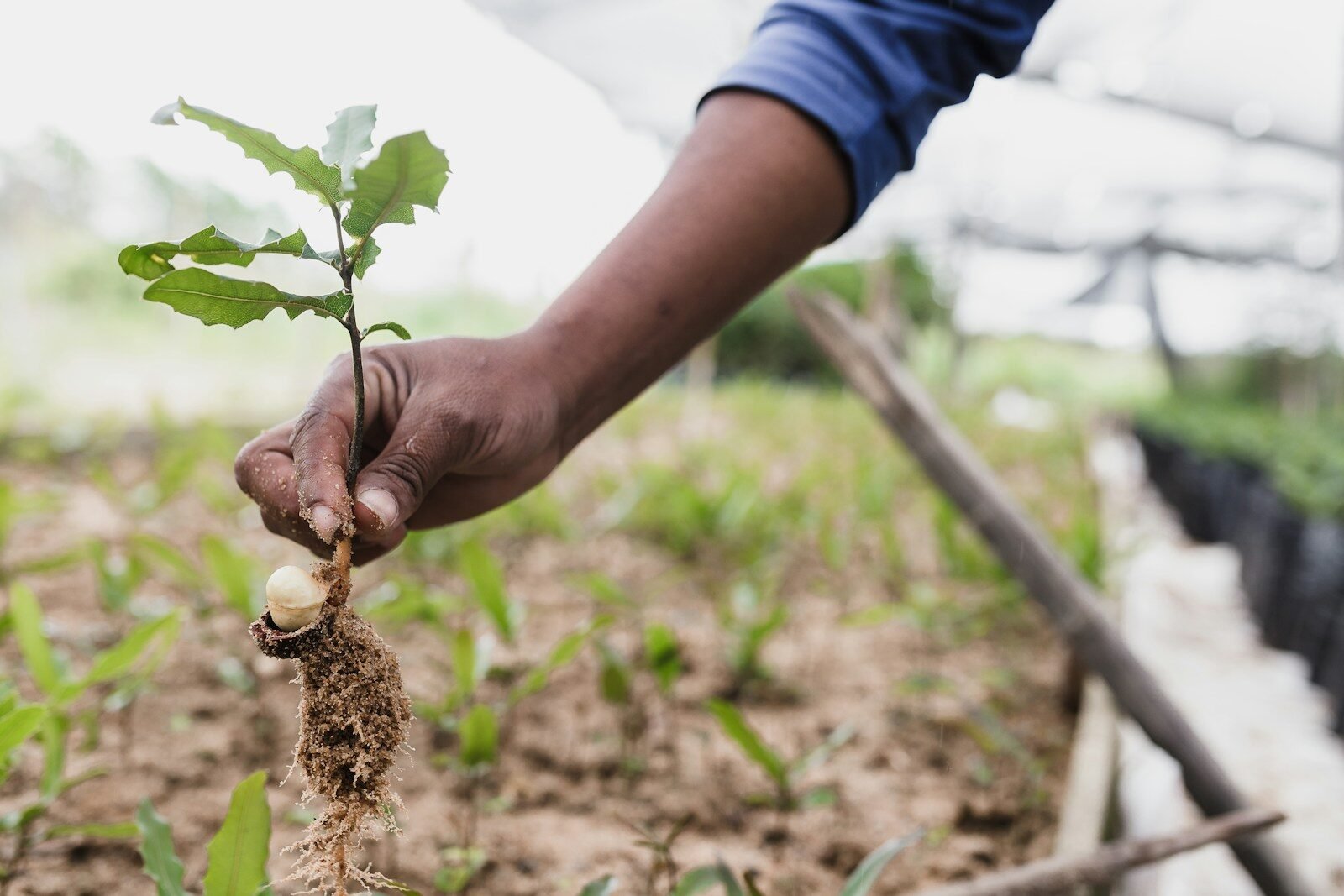
Now potassium, which behaves nothing like phosphorus
This is the mistake I see most often: people treat potassium like phosphorus, assume it locks up the same way, and manage it the same way. It does not, and you should not.
Potassium is a mobile cation. In plain terms, it carries a positive charge and it stays loose in the soil, held lightly on clay and organic matter rather than bound into insoluble compounds. That one difference in chemistry is the thing that changes how you handle it (University of Minnesota Extension).
Because potassium stays loose, it does not lock away by pH the way phosphorus does. But that same looseness creates the opposite problem, and this is the bit I want you to hold. Potassium leaches. On sandy soils and in high rainfall, it washes down and out of the root zone, so light soils can run short even when you have been feeding them.
There is a second catch too. Applied heavily, potassium can burn, the same salt effect you get from over-applying any concentrated feed. So with potassium, the way I frame it, the failure is not lock-up, it is loss and overdose. Two different problems, two different fixes.
Organic potassium sources, and one myth to drop
For organic potassium, the sources I would point you to are wood ash, kelp and seaweed meal, and compost, especially compost made with plenty of fruit and vegetable waste.
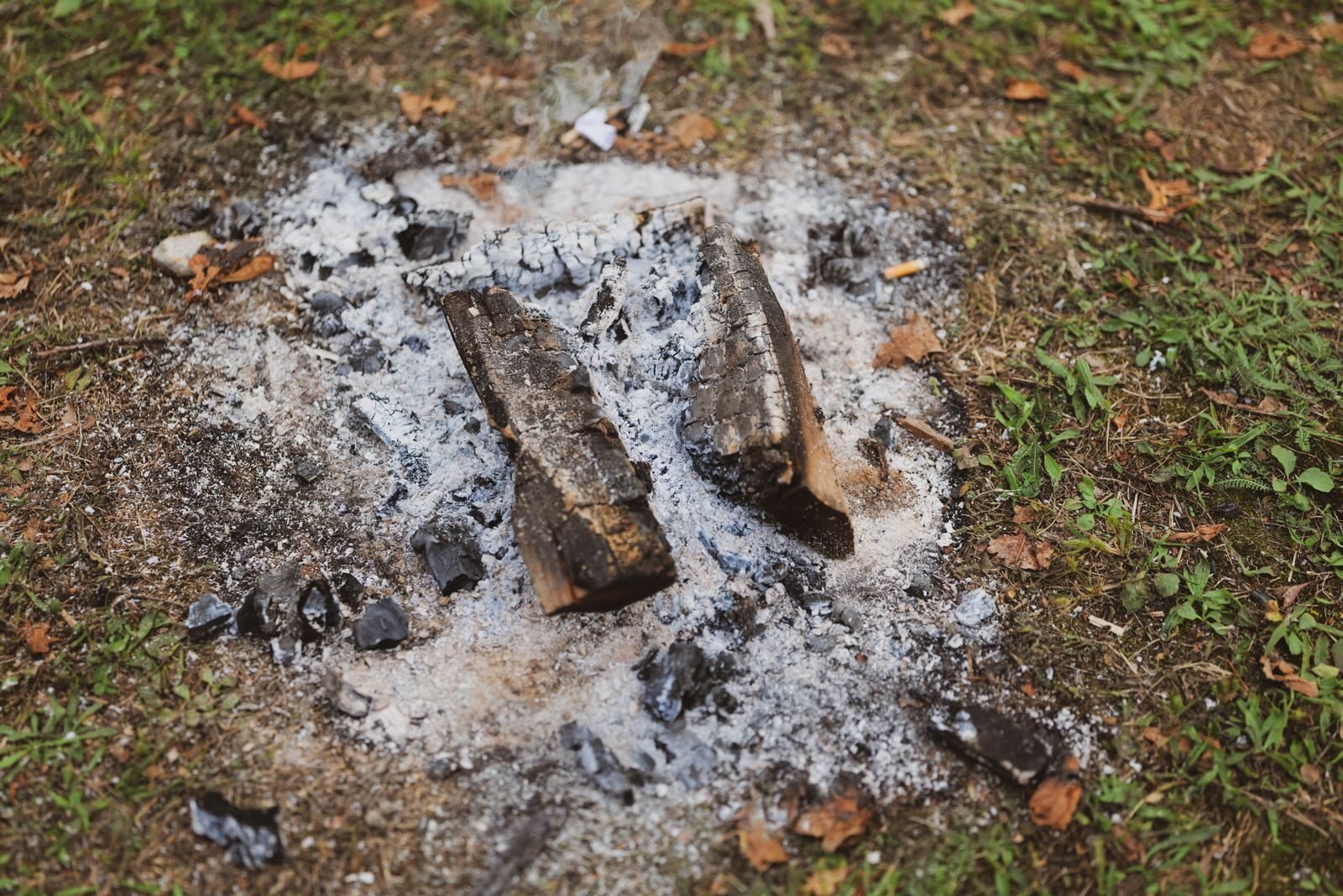
Wood ash is strong and fast, but I would go easy with it, because it also raises soil pH sharply, which loops you straight back to the phosphorus problem above. A little is a feed. A lot is a pH change you did not plan for.
Now the myth, and it is the one I get asked about most. Burying banana peels for potassium is all over the internet, and it does very little. A whole peel sitting in the soil releases its potassium slowly and in tiny amounts, nowhere near enough to feed a hungry plant. If you want the potassium from fruit and vegetable waste, my advice is to compost it first. Composting breaks it down so the potassium comes out in a form the plant can take up, the same mineralisation logic behind every organic feed.
The one rule that covers both
Different as they are, phosphorus and potassium come down to the same three steps, and this is how I work through them.
Test first. You cannot manage what you have not measured, and for these two, I have found guessing to be expensive. A soil test tells you your pH and your existing levels, which is exactly the information both nutrients turn on.
Fix the condition, not the symptom. For phosphorus, the condition is usually pH. For potassium, it is soil texture and drainage. Correct those, and the feed you add stays available.
Then feed, and feed the soil as much as the plant. Organic matter and living biology make both nutrients more reachable, phosphorus by freeing it from lock-up, potassium by holding it against leaching. The best single thing I know to do for both is build soil that holds and releases nutrients well.
That last point is the one that counts, and it is bigger than any single bag.
FAQ
What is the best organic phosphorus fertiliser?
There is no single best one, because availability depends on your soil more than the product. Bone meal, rock phosphate, manure, and fish based feeds all supply phosphorus, but on soil above pH 7 or below pH 5.5 much of it locks up regardless of which you choose. I would fix pH toward 6 to 7 first, then the source matters far less.
How can I add phosphorus to my soil naturally?
Compost and well rotted manure add phosphorus in a slow, gentle form and feed the biology that keeps it available. Bone meal works on acidic soil. But the most effective move is often not adding more at all, it is correcting pH so the phosphorus already in your soil becomes reachable.
Why is the phosphorus in my soil not available to plants?
Because phosphorus reacts with the soil around it. Above about pH 7.3 it binds with calcium, and below about pH 5.5 it binds with iron and aluminium, forming compounds roots cannot take up. The phosphorus is present but chemically locked, which is why a soil test can read adequate while the plant looks short.
Do banana peels add potassium to soil?
Barely. A whole peel buried in soil releases only a small amount of potassium, and slowly. If you want the potassium from fruit and vegetable scraps, compost them first so it comes out in a form plants can use. Buried peels are one of the most overrated garden tips going.
What is the fastest way to add potassium to soil?
Wood ash releases potassium quickly, but it also raises pH sharply, so use it sparingly and test first. Kelp meal and compost are gentler. On sandy soil, I would apply potassium in smaller, more frequent amounts, since it leaches away easily when added all at once.
Can potassium burn plants?
Yes. In large amounts it causes the same salt injury as over-applying any concentrated feed, damaging roots. Potassium is more often lost to leaching than locked up, so heavy single doses both risk burn and wash away. Smaller, regular applications suit it far better.
BEFORE YOU BUY MORE PHOSPHORUS OR POTASSIUM
Here is the one thing I would ask you to hold onto.
Present in the soil and reachable by the plant are two different things. Before you add more phosphorus, check your pH, because above 7 or below 5.5 the phosphorus in it locks up like the last lot did.
Before you add more potassium, look at your soil texture, because on sandy ground it washes away faster than you can feed it. For both, the fix is rarely more product. It is the right soil condition, plus organic matter and living biology to hold and release what is there.
Notice how often my answers came back to one thing: the state of your soil, its pH, its texture, its life. That is what decides it, and it is the sixth of the six problems I walk through in my Fix Your Garden Soil guide, which shows you how to test your own pH and texture with no lab and put both right in an afternoon. Get the soil correct, and every feed you add is able to work.