







You buy the cream because the front of the jar says green tea. Or aloe. Or rosehip oil. Of course you do, the plant is the whole reason you reached for it. But here is the question that should be nagging at you.
How much of it is really in there?
Because “contains green tea” and “contains enough green tea to do something” are two completely different claims. And the label is allowed to blur the line between them.
I work with plant chemistry, so this is the question I ask first, every time. Not what is in the bottle, but how much, and in what form. Once you start asking the same thing, a lot of expensive skincare stops looking so impressive.
“Contains” is not a dose
Let me say the thing the industry would rather you did not think about. A plant on the front of a bottle tells you almost nothing.
A product can hold a single drop of an extract in a whole bottle and still, truthfully, say it “contains” that plant. The word is not a lie. It is just not a measurement. And in skincare, the amount is everything, because an ingredient that does something real at five percent can do nothing at all at a tenth of a percent. Same plant. Same name on the label. Completely different result on your skin.
So the name is the start of the question, not the answer. The answer is the amount, and that is the part the label works hard to keep vague.
The one percent line: how the label hides the amount
Here is how that vagueness is allowed to happen, and it is worth knowing, because it hands you a tool.
By law, a skincare brand has to list its ingredients in order, from the most to the least. So the first few ingredients are the bulk of the product, and things further down are present in smaller and smaller amounts. So far, so useful. But there is a catch.
Under the US labelling rules, once an ingredient is present at one percent or less, it can be listed in any order at all. Below that one percent line, the order means nothing.
That one percent line is exactly where most plant extracts live. And here is the tool. Find an ingredient you know usually sits around that mark. A preservative such as phenoxyethanol is a common marker, often near the end of the list.
Anything listed after it is almost certainly below one percent. So if the green tea or the fancy botanical that sold you the product is sitting down there, past the preservative, you are looking at a sprinkle, not a dose.
People call this the one percent rule. Once you see it, you read every label differently.
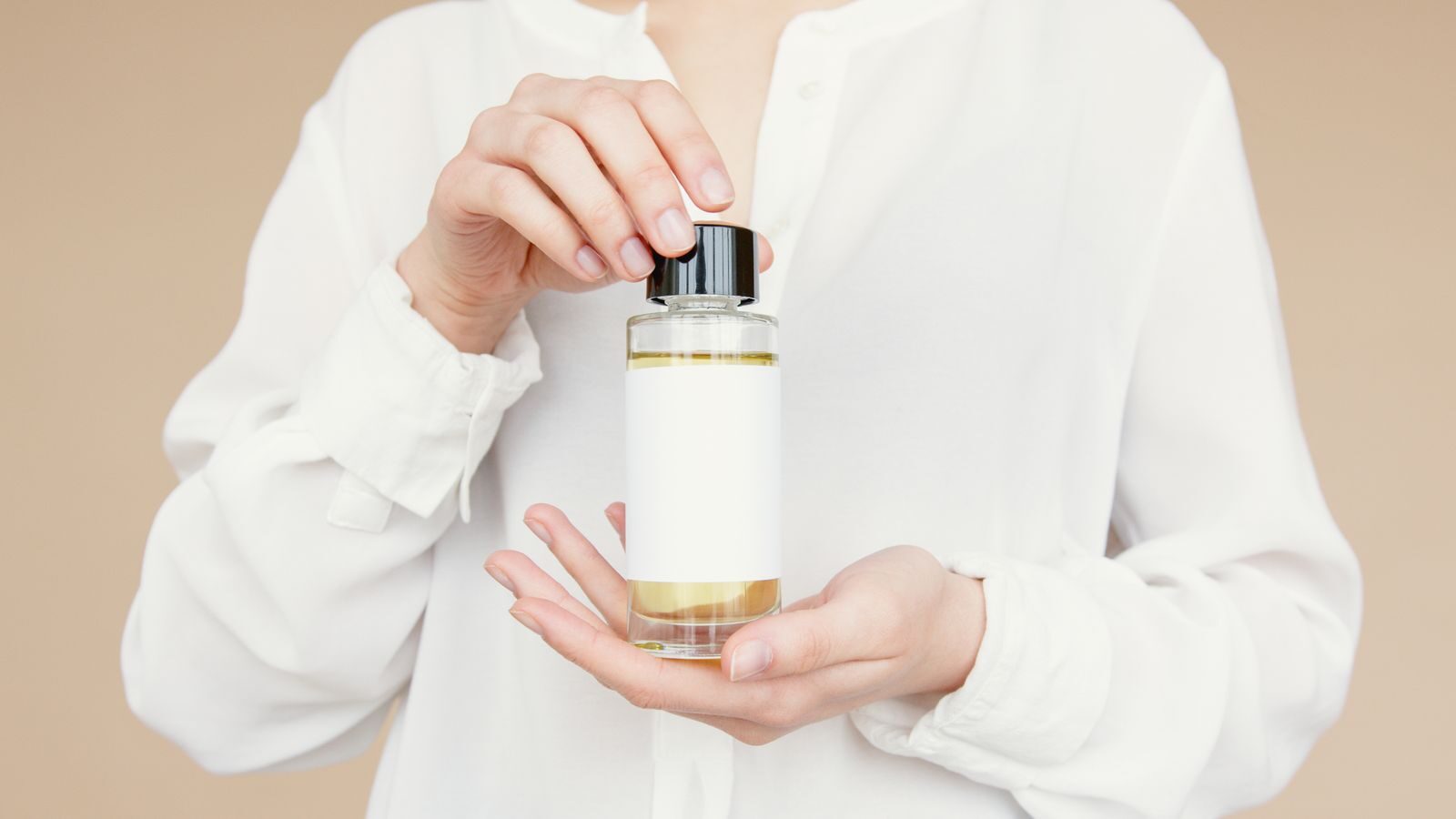
What really decides if a plant extract works
So if the amount is the first thing, what else decides whether a plant extract does anything? Three things, and this is where my side of the fence comes in.
First, the concentration, which we covered. Enough of it has to be there.
Second, the form it is in. This is the part people skip. The compounds that do something in a plant are not spread evenly through it, and they are fragile. An extract is only as good as what survived being pulled out of the plant and then parked in a cream for two years.
I have spent time on the plant chemistry side of this, and the gap between “this compound works in a lab test” and “this compound still works in a tub of moisturiser on a shelf” is huge. Light, air, and time break many plant actives down. So a big number on the label still does not promise the active is intact by the time it reaches your face.
Third, whether that amount was ever tested. Many plant extracts have a single promising study behind them, often run at a concentration far higher than anything in your cream, and sometimes on cells in a dish rather than on human skin. “Shown to work” in that study does not mean “works at the dose in this product”. The dose in the study and the dose in the bottle are rarely the same number.
I will not name or blame any company here, because as a scientist that is not where my questions sit. My questions are about how the extract was made and what else went into the bottle with it. That is why my own routine on my body is boring on purpose.
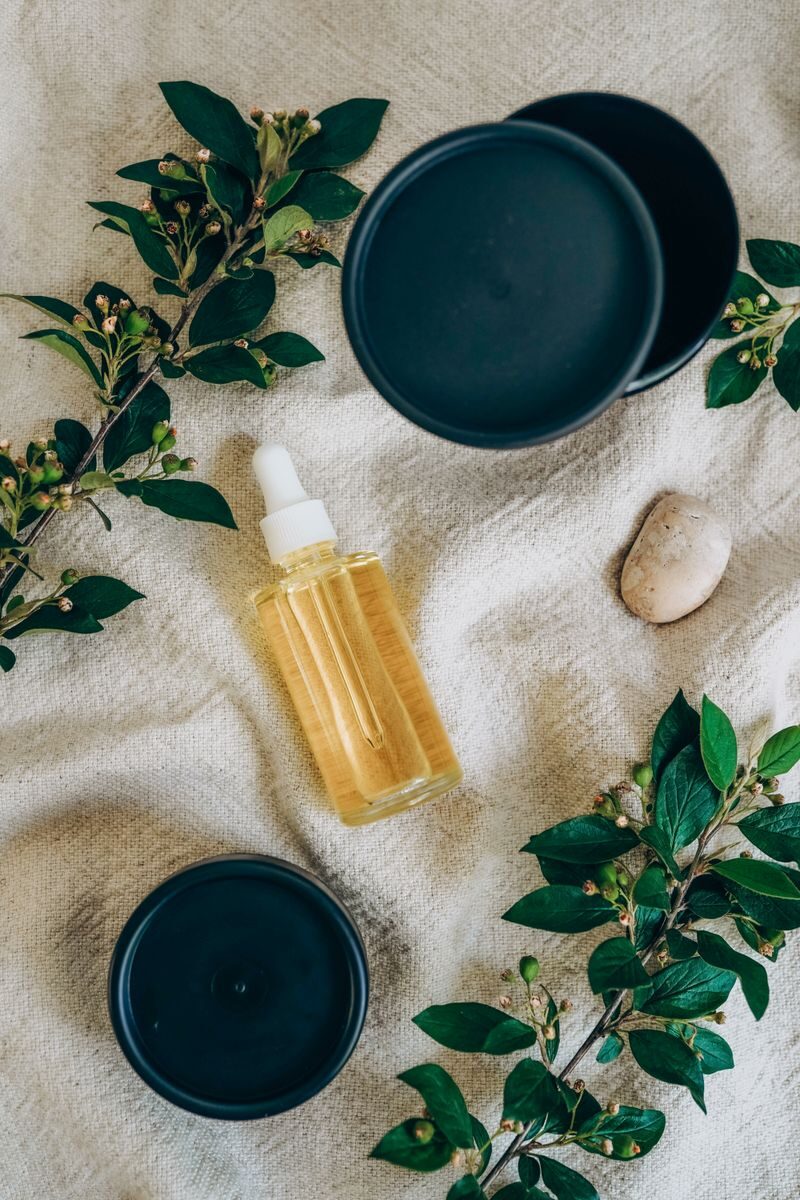
I use pure sweet almond oil, because it works for me, and I do not chase a brand. My one rule is simpler than any label promise: whatever you choose, make sure it is the pure thing, well sourced. A clean, well-made oil beats a trendy plant name every time.
Fairy dusting: paying for the word, not the effect
There is a name for the trick at the heart of all this. Fairy dusting.
It means adding a tiny, below-useful amount of a trendy ingredient to a product, purely so the brand can put that ingredient on the label and in the marketing. The green tea is in there. Technically. In an amount too small to do what the advert implies. You are paying for the word, not the effect.
It is not always cynical. Some plant extracts are included at low levels for a fair reason, as a light scent, a preservative helper, or a mild soothing touch. The problem is when the marketing puts a hero ingredient on the front of the bottle while the formula carries only a whisper of it. The label and the dose tell two different stories.
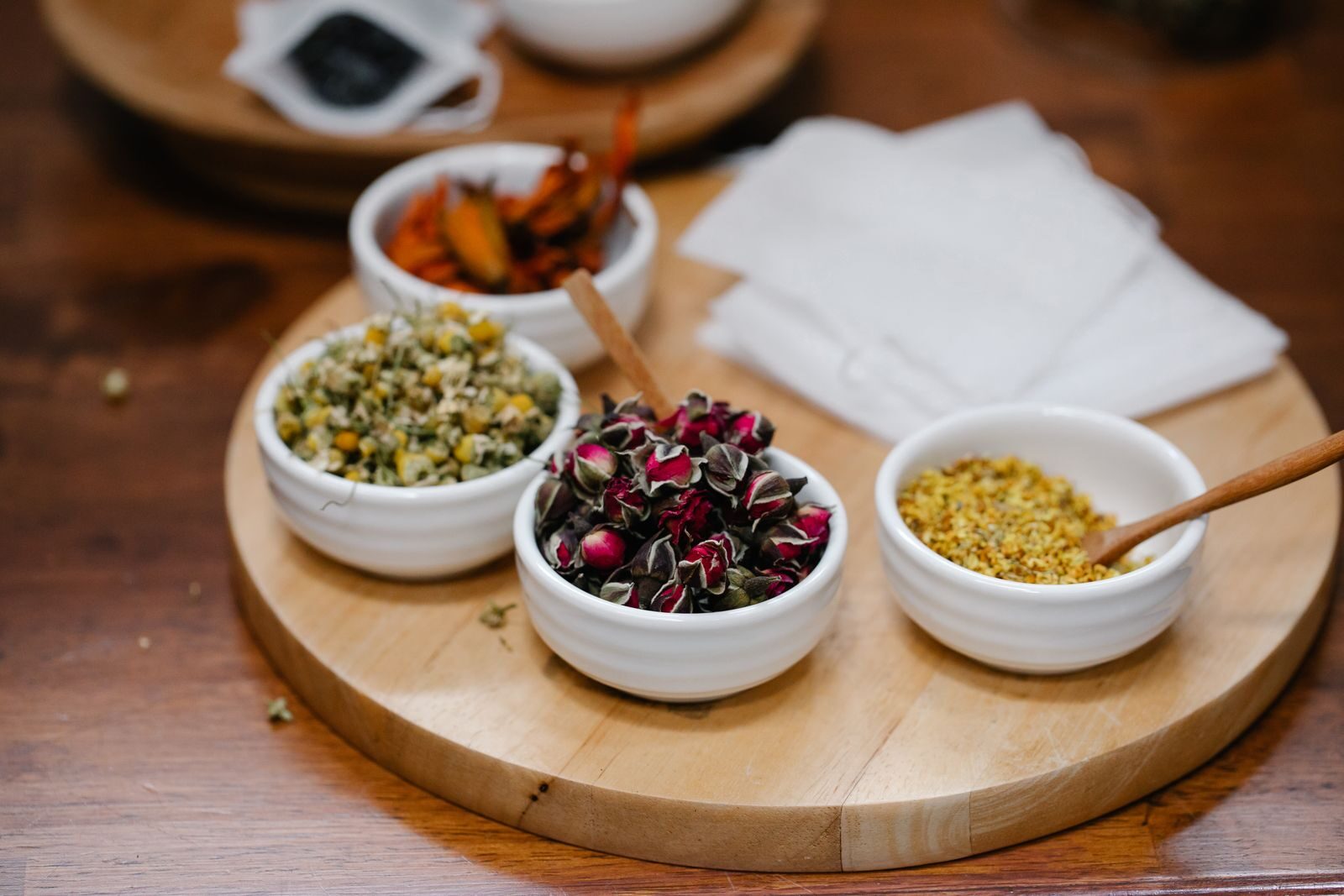
Plant extract or essential oil? Not the same thing
One quick clear-up, because people mix these two up, and the searches show they want to know the difference.
A plant extract is a broad mix of compounds drawn out of plant material, usually into water, oil, or alcohol. It is varied, often gentle, and its strength depends entirely on how it was made and how much is used.
An essential oil is a narrow, highly concentrated set of the plant’s volatile aromatic compounds, usually captured by distillation. It is potent, which is why essential oils are used in tiny amounts and can irritate skin, or harm pets, when they are not. So plant extract and essential oil are not the same thing, and “more concentrated” here does not mean “better for your skin”. It often means handle with more care.
Let me tell you about my own skin here. Essential oils have not agreed with it, even diluted, and they are a common irritant for plenty of people. But here is the part that bothers me as a scientist, and it is the dose problem again. A dilution instruction tells you to add a few drops, but it never tells you the true strength of what you are adding.
Essential oils are mass-produced now, and their make-up varies from batch to batch and source to source, so “a few drops” can mean very different doses from one bottle to the next. If your skin is sensitive, that uncertainty is worth respecting, and patch-testing a new oil on a small bit of skin first is a sensible habit.
So how should you judge a plant-extract product?
Here is what I do, and you can do the same in the shop.
Read the list, not the front. The front of the bottle is an advert. The ingredient list is closer to the truth. Find the hero plant ingredient and see where it sits.
Use the one percent line. Spot a known marker like a preservative near the end, and treat everything after it as a sprinkle. If your whole reason for buying is sitting down there, lower your expectations.
Respect brands that tell you the number. Some good brands state the concentration of a key active, such as ten percent of something, right on the label. That openness is a green flag. Vagueness is not.
Be realistic about plants. A plant extract in a well-made product can be lovely, soothing, and worth using. Just do not expect a faint trace of a trendy plant to transform your skin. The amount has to be real for the effect to be real.
Do that, and you stop paying for the word on the front and start paying for what is in the bottle.
How I read a skincare label
If you take one habit from me, take this. Turn the bottle over before you fall for the front.
The plant name on the front is marketing. The ingredient list is where the amount hides, and the amount is what decides whether anything happens on your skin. A real dose of a plant extract, in a fresh, well-made product, can do real good. A sprinkle added for the label cannot, however green the packaging.
So read the list, find the one percent line, and judge the product by how much is in it, not by the plant pictured on the jar. That is how a plant scientist shops for skincare. Less romance, more reading.
Summary
Plant extracts in skincare only work if there is enough of the right kind in the product, so the plant named on the front of a bottle tells you very little on its own. By law, ingredients are listed from most to least, but anything present at one percent or less can be listed in any order, and most plant extracts sit at or below that line.
That is why a product can truthfully say it contains a trendy plant while carrying only a trace of it, a practice known as fairy dusting. Whether a plant extract does anything depends on its concentration, the form it is in and whether it survived being made into a cream, and whether that amount was ever tested on skin rather than in a lab dish.
Plant extracts and essential oils are not the same, since essential oils are far more concentrated and need careful use. The way to judge a product is to read the ingredient list rather than the front, find a known one percent marker to see where the hero ingredient really sits, favour brands that state their concentrations, and keep your expectations in line with the amount that is really there.
Common questions
What is the 1% rule in skincare?
It is a labelling rule that lets brands list any ingredient present at one percent or less in any order, after the ingredients above one percent are listed from most to least. Since many active and plant ingredients are used at or below one percent, the back-of-pack order stops being a reliable guide once you pass that line.
How can I tell how much of a plant extract is in a product?
You cannot get an exact figure unless the brand states it, but you can estimate. Ingredients are listed from most to least down to one percent, so the lower a plant extract sits, the less is there. Find a known marker like a preservative near the end of the list, and treat anything after it as a small amount.
Do plant extracts in skincare really work?
They can, but only at the right amount and in a stable form. A plant extract used at a meaningful concentration in a fresh, well-made product can soothe, hydrate, or protect. The same extract present as a trace, added mainly for the label, is unlikely to do much.
What is fairy dusting in skincare?
It is adding a tiny, below-useful amount of a popular ingredient so the brand can feature it on the label and in marketing. The ingredient is technically present, but in an amount too small to deliver the effect the packaging suggests. You end up paying for the name rather than the result.
What is the difference between a plant extract and an essential oil?
A plant extract is a broad mix of compounds drawn out of plant material into water, oil, or alcohol, and its strength varies with how it is made. An essential oil is a highly concentrated set of the plant’s aromatic compounds, usually distilled, so it is far more potent and used in much smaller amounts. They are different things with different uses and different risks.
Does a higher position on the ingredient list mean more of it?
Yes, down to a point. Ingredients above one percent must be listed from most to least, so position is meaningful there. Below one percent the order is free, so a low-listed ingredient is present in a small amount, even though its exact rank is not a precise guide.