

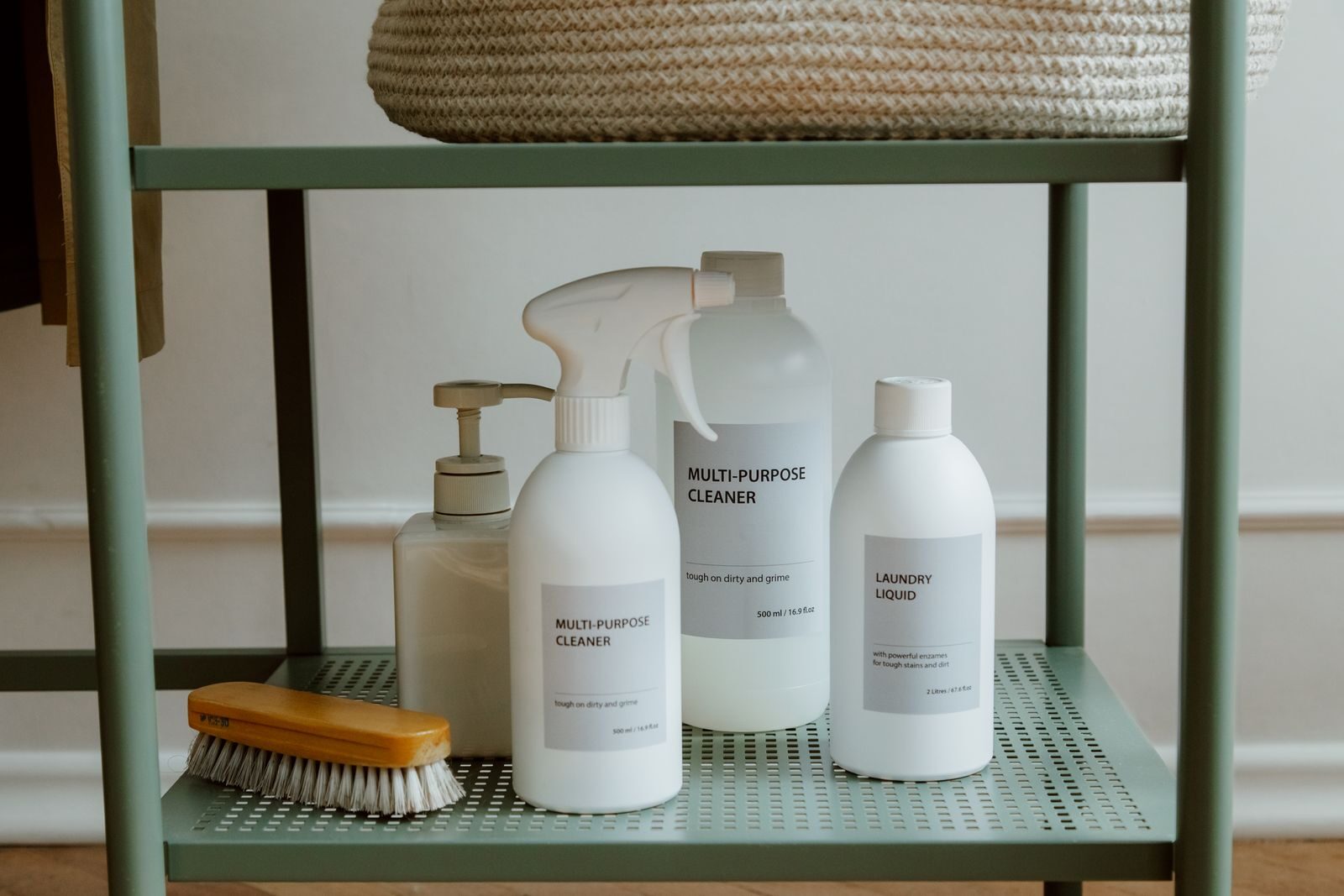
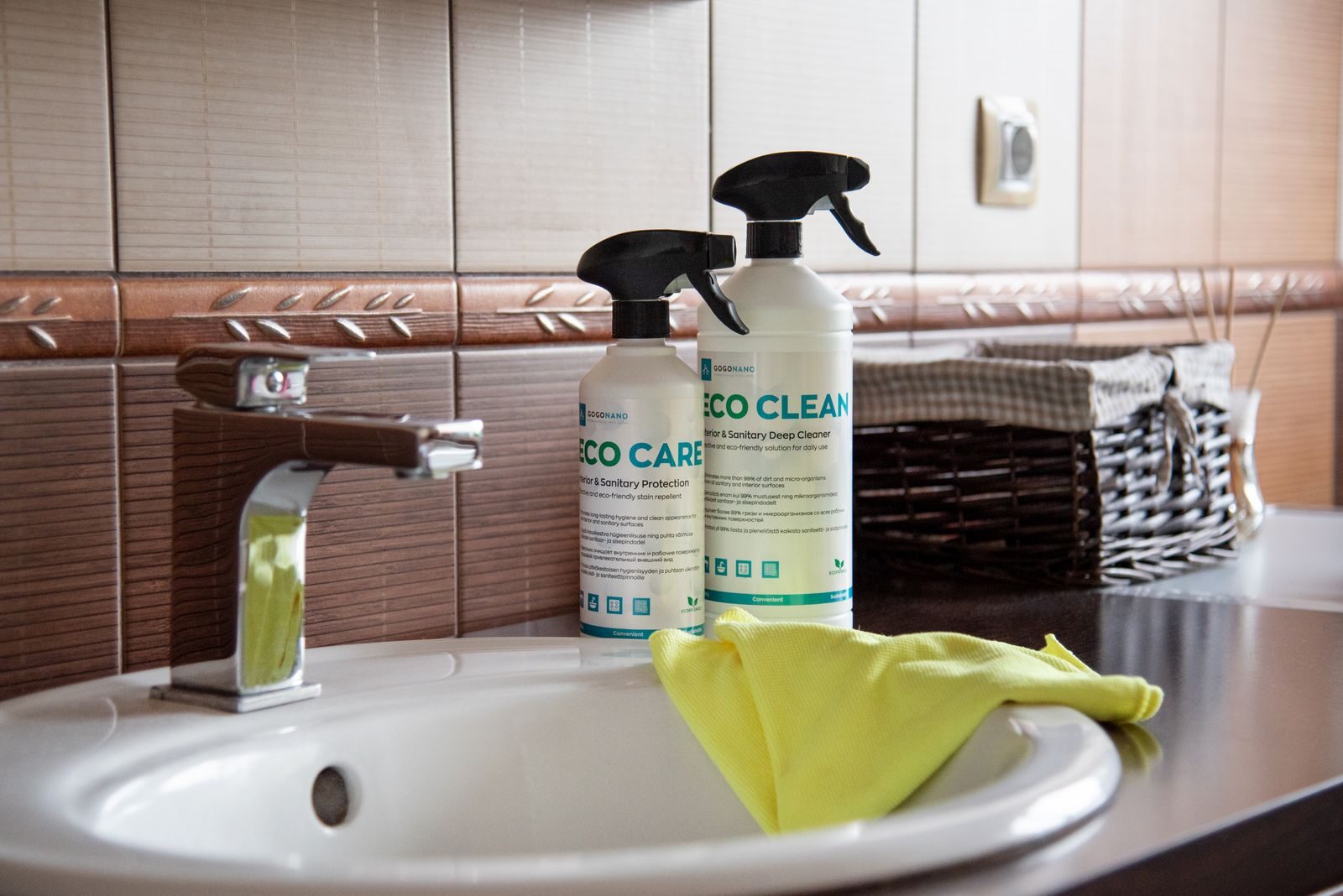





A cleaning bottle can carry a leaf, a globe, a little green tick, and three official-looking badges, and not one of them has to mean a thing.
That is the strange truth about green cleaning certifications. Some are backed by a government agency and years of testing. Others were designed by the brand’s own marketing team an afternoon before the label went to print. From the shelf, they look the same.
So how do you tell them apart?
That is what this post is for. I am not going to hand you a list of logos to trust and ask you to memorise it. I want to give you something more useful: a short set of tests you can apply to any badge on any bottle, so you can judge one you have never seen before.
This is the part of my background that fits this topic best…
Part of my postgraduate training was a course in the quality control of chemical and environmental measurements. It sounds narrow, but at its core it is about one question:
When someone shows you a result or a stamp of approval, how do you know it means what it claims to mean?
A certification is exactly that kind of claim. So let me show you how I check one.
The three questions that sort a real certification from a decorative one
When I see a green badge on a product, I ask three things in order. If a certification passes all three, it is worth something. If it fails the first, I stop there.
The first question: who runs it?
A real certification is awarded by an independent body or a government agency, not by the company selling the product. If the brand created its own seal, it is not a certification, it is a logo. This alone removes a large share of the badges you will see.
The second question: can I verify this exact product?
A real scheme keeps a public register you can search, so you can confirm that this specific product is actually certified, not just that the brand mentions the scheme somewhere. If there is no register, or the product is not in it, the badge is decoration.
The third question: what does the standard actually check?
Some schemes review every ingredient in the formula. Others certify one narrow attribute and stay silent on everything else. A logo can be genuine and still tell you far less than you assume, so it is worth knowing what was measured before you trust it.
Those three questions, who runs it, can I verify it, and what does it check, do almost all the work.
Let me show you what they look like against a real example.
What a strong certification looks like
The clearest example of a certification that passes all three tests is the Safer Choice programme run by the United States Environmental Protection Agency. I use it here as a benchmark, not because it is the only good one, but because it shows what a serious standard involves.
Take the three questions in turn. Who runs it? A government agency, not the manufacturer. Can you verify a product? Yes. The EPA keeps a searchable public database, so you can confirm in under a minute whether a specific bottle is genuinely certified.
And what does it check? This is the part I find most telling. Before a product earns the label, EPA scientists review every chemical ingredient in the formula, regardless of how small its amount, against defined safety criteria covering things like cancer risk, toxicity to aquatic life, and persistence in the environment. The product also has to pass performance testing, so it cannot earn the label by being safe but useless.
That is a real standard. Ingredient-by-ingredient review, defined criteria, performance testing, audits, and a public register. It is a high bar, which is why relatively few products carry it.
There is one detail worth adding, and it is exactly the kind of thing my measurement training makes me look for. The EPA’s own certification wording states that it relies on the manufacturer’s good-faith account of what is in the product and has not independently identified the ingredients through its own chemical analysis.
That is not a scandal, it is how almost all certification works: it is a documentation and audit system, not a chemist testing every bottle coming off the line. But it is useful to know that even the best label is a verified declaration, not a physical test of the jar in your hand. It tells you the formula was reviewed, which is a great deal more than most products can say.
For readers in the UK and Europe, the closest equivalent worth looking for is the EU Ecolabel, a government-backed scheme built on similar principles of independent criteria and verification. The tests in this post work the same way on it.

Why the self-made logo is so common
Now the other end of the scale. If real certification is this demanding, why is the average eco-looking bottle covered in green badges? Because most of those badges cost the brand nothing and promise even less.
Here is the gap that makes it possible…
In the United States, the Federal Trade Commission publishes its Green Guides, which set out how environmental marketing claims should be made and warn against unqualified or misleading ones, including the misuse of certifications and seals. But guidance is not the same as active policing of every bottle, and enforcement is limited. So a brand can print a green tick it designed itself, or use a vague seal that no independent body stands behind, and the odds of being challenged are low.
This is why a badge on its own proves nothing. The question is never how official it looks. It is whether it survives the three tests: an independent or government body behind it, a public register you can check, and a standard that actually examines the product. A self-made logo fails the first test instantly, which is why I never get as far as the other two.
How to use this in the shop
You do not need to carry a list of approved logos. You need the three questions.
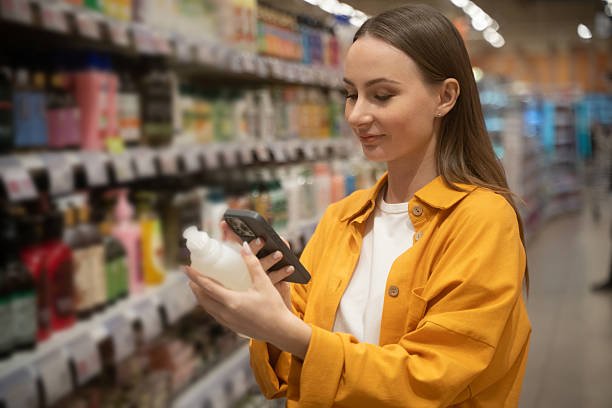
When you see a green claim or badge, ask who stands behind it. If it is the brand itself, ignore it and read the ingredients instead. If it names a real scheme, take out your phone and search that scheme’s register for the product in front of you. It takes under a minute, and it settles the matter.
And when a product does pass, remember what the label is telling you: that the formula was reviewed against a standard, which is meaningful, rather than that someone tested the individual bottle you are holding.
That is the whole method. It is less work than memorising logos, and it keeps working on badges you have never seen before, which is the point. Marketing invents new seals all the time. The three questions do not go out of date.
Summary
Green cleaning certifications range from rigorous government standards to logos a brand invented for itself, and on the shelf they can look identical. The way to tell them apart is three questions: who runs it, can you verify the specific product in a public register, and what does the standard actually check.
A strong scheme, such as the EPA’s Safer Choice programme, is run by an independent body, keeps a searchable public database, and reviews every ingredient against defined criteria along with performance testing. Even then, it works by reviewing the declared formula rather than chemically testing each bottle, which is worth understanding but still far more than an unverified badge offers.
Self-made and vague seals are common because environmental marketing guidance is not heavily enforced, so a decorative logo carries little risk for a brand. Judge any badge by the three questions rather than by how official it looks, and you can read a certification you have never seen before.
Common questions
What do green cleaning certifications actually mean?
It depends entirely on who awards them. A certification from an independent or government body, with a public register and a real standard behind it, means the product was reviewed against defined criteria. A logo a brand gave itself means very little. The label alone does not tell you which is which, so it is worth checking who stands behind it.
How can I tell if a cleaning certification is real or fake?
Ask three things. Who runs it, an independent body or the brand itself? Is there a public register where you can find this exact product? And what does the standard check, every ingredient or one narrow attribute? A real certification passes all three. A decorative one usually fails the first.
Is EPA Safer Choice a trustworthy certification?
It is one of the stronger schemes. It is run by a government agency, every ingredient is reviewed against defined safety criteria, products must pass performance testing, and you can verify any product in a public database. Worth knowing: it reviews the manufacturer’s declared formula rather than chemically testing each bottle, which is standard for certification but useful to understand.
Why do cleaning products have so many eco logos?
Because many of those logos cost nothing and mean little. Environmental marketing guidance exists but is not heavily enforced, so a brand can add a self-designed green seal with little risk. The number of badges on a bottle tells you nothing. Whether any of them survives verification is what counts.
Do I need to look for a certification at all?
It helps, but it is not the only route. A verified certification is a useful shortcut, since it means the formula was reviewed against a standard. If a product has none, that is not proof it is bad, it just means you fall back on reading the ingredient list yourself rather than trusting a badge.