








Walk down the cleaning aisle and “plant-based” is everywhere. It is on sprays, detergents, and dish soaps, and it almost always comes with the same three promises: safer for you, better for the planet, and every bit as good at cleaning. It sounds like a word you can lean on.
I want to look at what “plant-based” tells you, because as a plant scientist I read it differently from how it is meant to be read. The short version is that plant-based cleaning products can be perfectly good, but the word itself is doing far less work than the label implies. It describes where an ingredient started, not what it is or what it does.
Let me explain why the source of a cleaning ingredient tells you much less than most people assume, and what to look at instead.
What “plant-based” describes
Here is the part that gets lost. “Plant-based” tells you the origin of an ingredient, the raw material it was made from. It does not tell you what the final molecule in the bottle is, how much it was changed on the way, or how it behaves on a surface or on your skin.
Plants make an enormous range of compounds. Some are gentle. Plenty are not. A plant produces many of its chemicals precisely to irritate, deter, or poison the insects and microbes that attack it. So “made by a plant” and “gentle” were never the same idea. Nature is full of plant compounds you would not want on your skin.
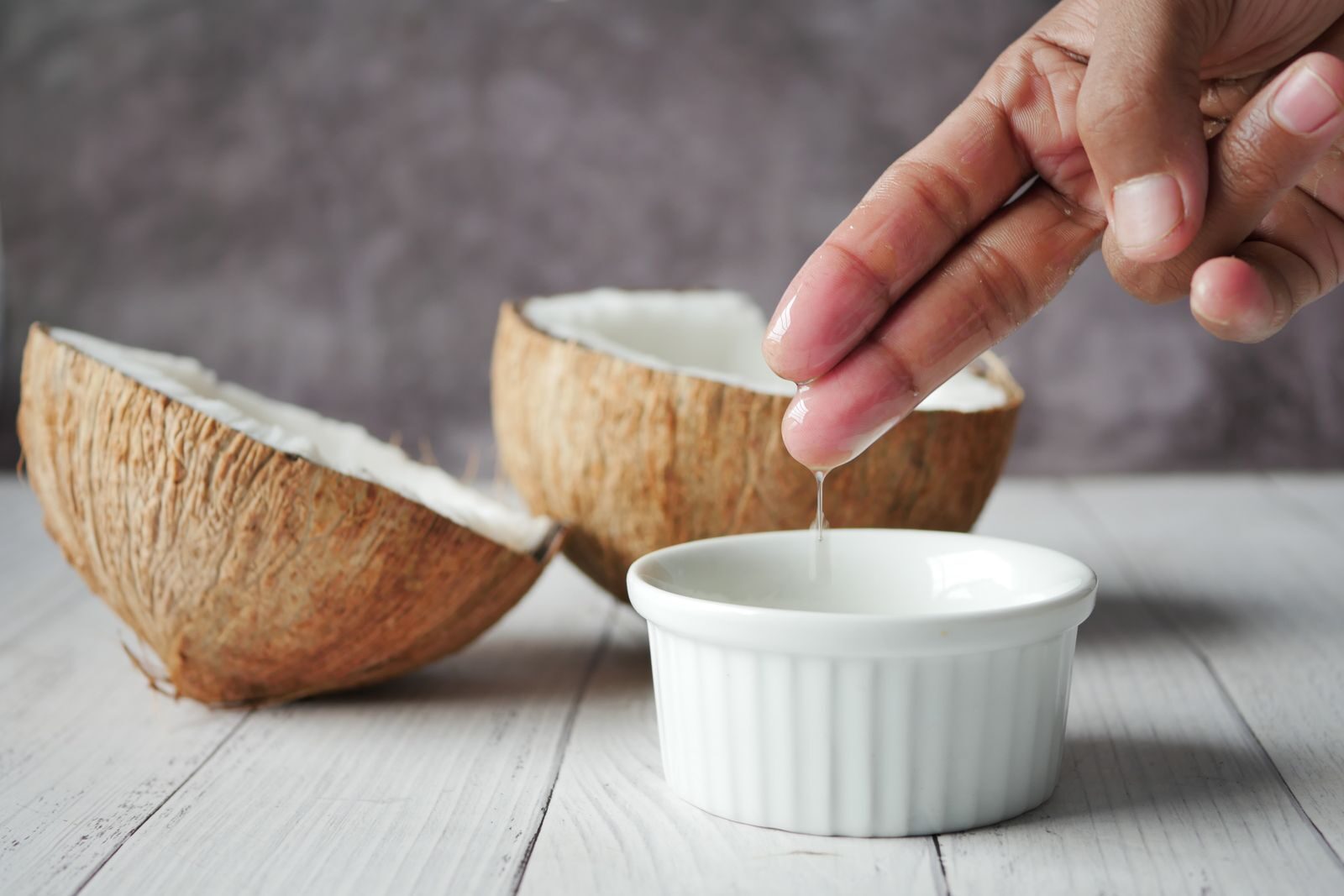
The word also hides how much processing sits between the plant and the bottle. A plant-derived surfactant, the ingredient that does the actual cleaning in many products, is usually not something squeezed from a leaf. It is built through several chemical steps that start with, say, coconut or palm oil and end with a molecule quite far from anything the plant made. That can be a fine ingredient. But “plant-based” makes it sound raw and simple, when the reality is a processed chemical that happens to have started life in a crop.
The point most labels rely on you not knowing
This is where my background changes how I read the claim, and it is the thing almost no product page will tell you.
A molecule does not carry a memory of where it came from. If you take a particular cleaning molecule extracted from a plant, and the identical molecule built in a factory, they are the same molecule. Same structure, same behaviour, same effect on a surface and on you. The plant version is not gentler, safer, or greener by virtue of its origin, because once it is the same molecule, origin has stopped mattering.
Citric acid is the clearest example. The citric acid in a “plant-based” cleaner is the same citric acid whether it came from a lemon or not, and here is the part most people never hear: most commercial citric acid is not squeezed from fruit at all. According to work published in the Journal of Industrial Microbiology and Biotechnology, the great majority of the world’s citric acid is made by fermenting sugar with a mould called Aspergillus niger, because plants cannot supply the quantities industry needs. The molecule that results is identical to the one in the fruit. Your skin and the surface cannot tell the difference, because there is no difference to tell.
So when a label leans on “plant-based” as if the plant origin is what makes it safe, it is relying on an idea that does not hold up chemically. What decides whether an ingredient is safe or harsh is the substance itself and how concentrated it is, not the crop it can be traced back to. This is the same rule that runs through all of my training: the effect comes from the actual molecule and the dose, never from the origin story.
Why “plant-based” is not a promise of safety
Once you see that, the safety claim falls into place. “Plant-based” is not a regulated promise. The US Federal Trade Commission’s Green Guides, which set out how environmental marketing claims should be made, treat broad terms like this as unqualified claims that mean little without specifics, which is why a product can carry the word while telling you almost nothing verifiable.
That matters in practice for two reasons. A product can be labelled “plant-based” or “made with plant-derived ingredients” while containing only one such ingredient among many synthetic ones. The phrase describes a part, not the whole formula. And even where a product is genuinely mostly plant-derived, that still does not make it automatically gentle, because plant-derived molecules can be processed, concentrated, and perfectly capable of irritating skin or lungs.
None of this means plant-based products are bad. Many are excellent, and choosing plant-derived and biodegradable ingredients can be a sound environmental choice for reasons that have nothing to do with the word feeling wholesome. The point is narrower and more useful: “plant-based” on the front is not evidence of safety, and it was never designed to be.
So how should you judge a plant-based cleaner?
The same way you would judge any cleaner, by looking past the word to the thing itself.
Read the ingredient list, not the front claim. The named ingredients tell you what is really in the bottle. A short list of recognisable ingredients tells you far more than “plant-based” in large letters ever will.
Judge safety by the substance and the amount, not the origin. A plant-derived ingredient at a high concentration can be harsher than a synthetic one at a low concentration. Origin does not settle it. Concentration and the specific ingredient do.
Match the product to the job and the household. A plant-based label tells you nothing about whether a product disinfects, or whether it is suitable around pets or people with sensitive skin. Those depend on what is in it, which brings you back to the ingredients.
Do that, and “plant-based” becomes one small piece of context rather than the reason you buy. Which is all it was ever able to be.

Summary
Plant-based cleaning products are marketed as safer, greener, and just as effective, but the word “plant-based” describes only where an ingredient came from, not what it is or how it behaves. Plants make plenty of harsh compounds, and plant-derived cleaning ingredients are often heavily processed rather than raw.
A molecule extracted from a plant and the identical molecule made in a factory are the same molecule, with the same effect, so origin does not determine safety or performance. Citric acid is the same citric acid whether it came from fruit or fermentation.
“Plant-based” is also an unregulated marketing term, and a product can carry it while containing a single plant-derived ingredient among many synthetic ones. Judge a cleaner by its actual ingredients and their concentration, and by whether it suits the job and your household, rather than by the origin word on the front.
Common questions
Are plant-based cleaning products safer than regular ones?
Not automatically. “Plant-based” describes where an ingredient came from, not what it is or how concentrated it is, and plants produce plenty of harsh compounds. Safety comes from the specific ingredients and their amounts, so a plant-based product can be gentle or harsh depending on what is actually in it.
Does “plant-based” mean a product has no synthetic chemicals?
No. A product can be labelled plant-based while containing one plant-derived ingredient among several synthetic ones, since the term describes a part of the formula, not the whole. It is also worth knowing that plant-derived ingredients are often chemically processed rather than used raw.
Is a plant-derived ingredient different from the synthetic version?
Often not at all. If the plant-derived and factory-made versions are the same molecule, they behave identically, because a molecule does not carry a memory of its origin. Citric acid, for example, is the same whether taken from fruit or made by fermentation, which is how most is actually produced.
Do plant-based cleaners work as well as conventional ones?
Many do, for everyday cleaning. But “plant-based” itself tells you nothing about performance, including whether a product disinfects. Effectiveness depends on the specific ingredients and their concentration, so judge that rather than the label.
How should I choose a plant-based cleaning product?
Read the ingredient list rather than the front claim, and judge safety by the actual ingredients and their concentration rather than by the word “plant-based.” Then match the product to the job and to who lives in your home, since the origin word tells you none of that.