



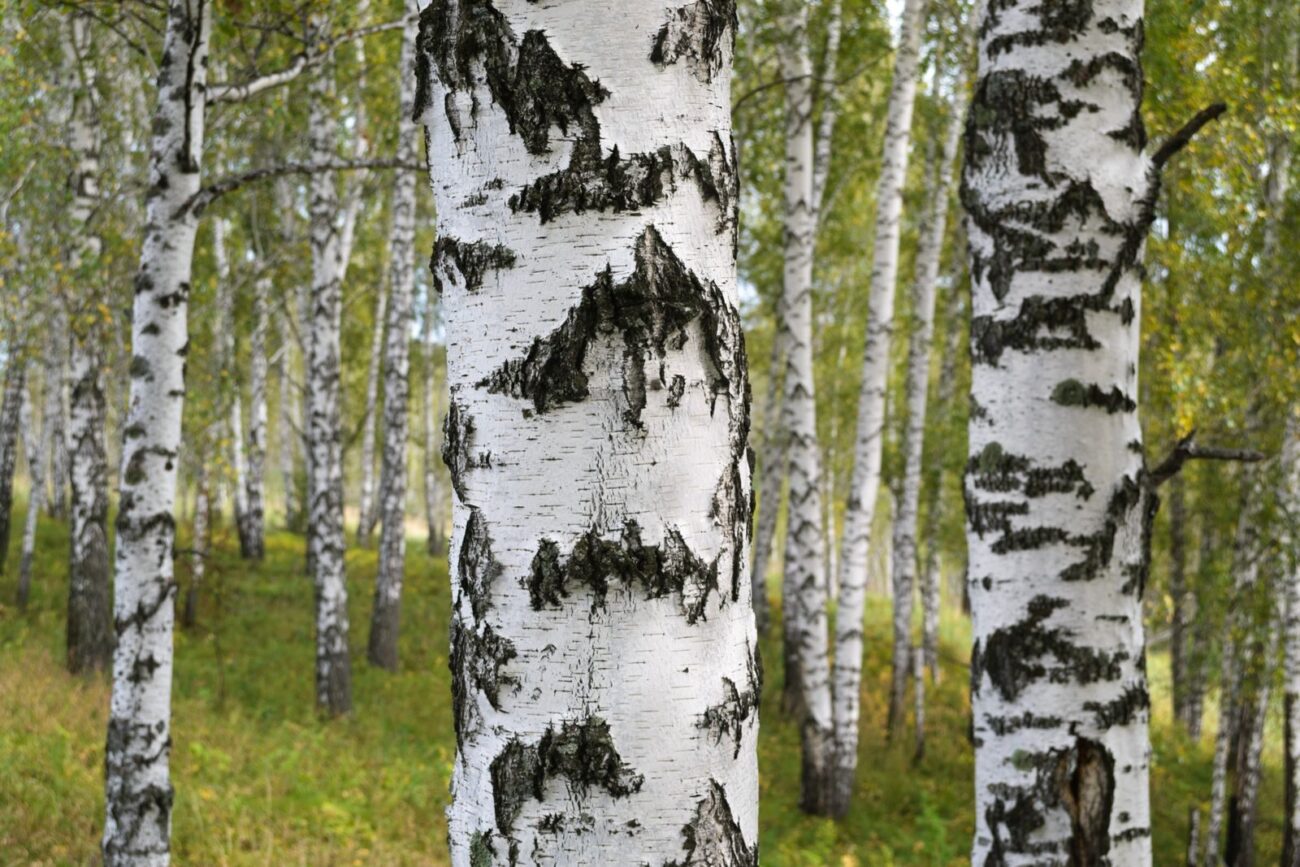
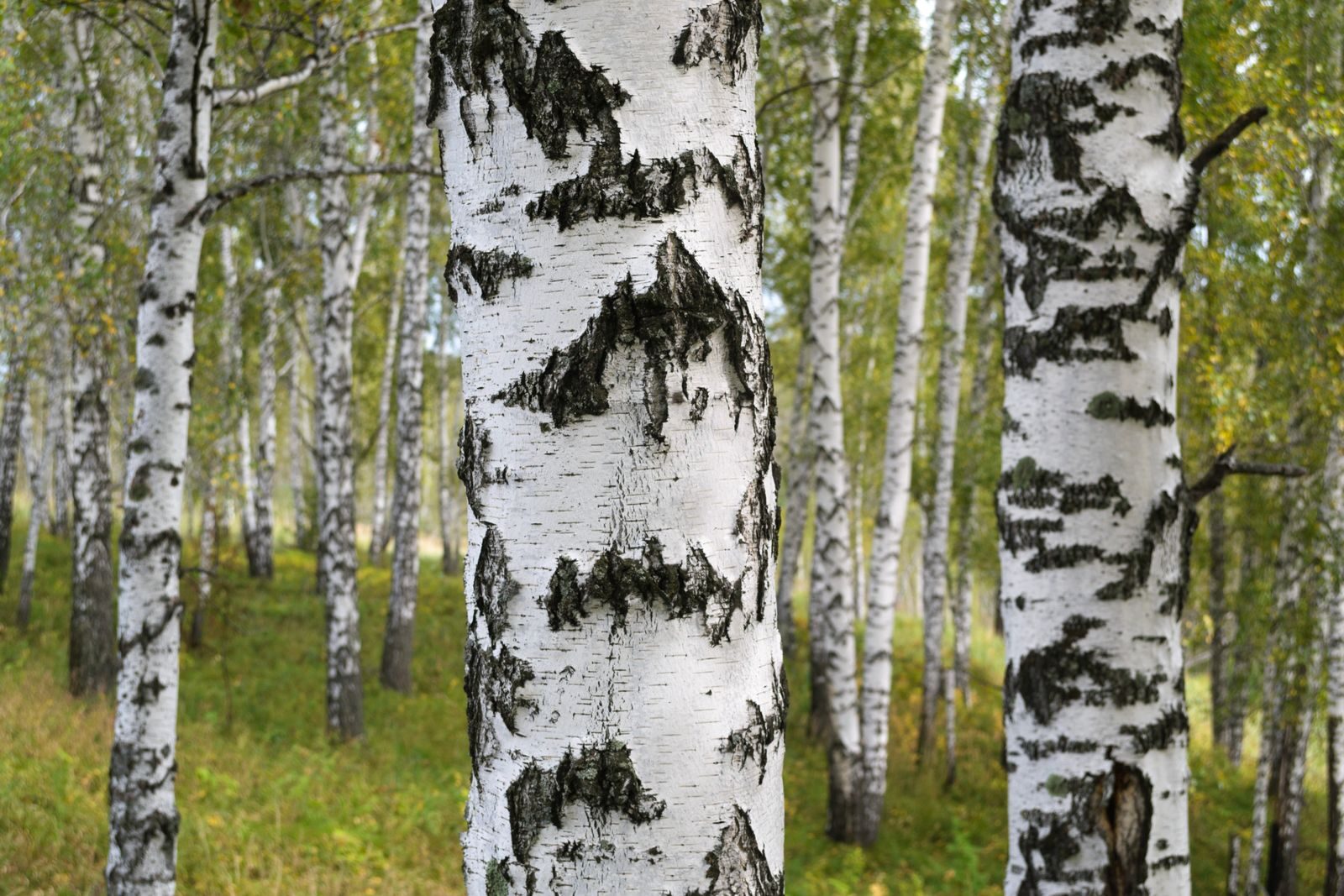
I have a different relationship with silver birch than most people writing about it in skincare contexts.
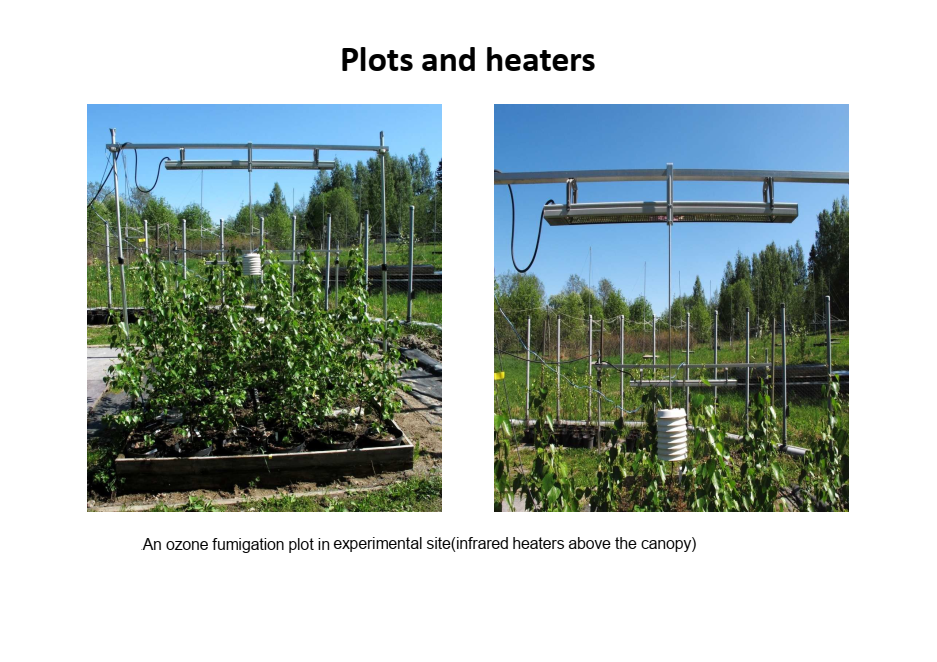
I spent a significant part of my postgraduate research measuring how Betula pendula responds to environmental stress. Elevated ozone. Elevated temperature. Two different genotypes. Real outdoor experimental plots in boreal forest. Real measurements of how the tree grows, how its soil biology responds, and how stress conditions change its physiology.
So when I see silver birch extract listed in a skincare product I do not just see a marketing ingredient. I see a plant whose secondary metabolite chemistry I understand from the inside out.
Let me tell you what that perspective adds to the standard story about birch in skincare.
What Silver Birch Contains That Matters for Skincare
Silver birch produces a range of secondary metabolites that have genuine documented activity relevant to skin. The most studied are betulin and betulinic acid, both triterpenes found primarily in the white bark. The bark gets its characteristic white colour partly from betulin which can make up 10 to 30 percent of dry bark weight depending on tree age and growing conditions.
Birch leaves contain a different profile. Flavonoids including hyperoside and quercetin derivatives. Phenolic acids. Some volatile terpenoid compounds. Birch sap collected in early spring before leaf burst contains minerals, amino acids, and small amounts of betulin degradation products along with sugars and organic acids.
These are not the same thing. Birch bark extract, birch leaf extract, and birch sap are three chemically distinct ingredients with different compound profiles and different evidence bases. A product listing birch extract without specifying which part of the plant was used is already leaving you without important information.
What Betulin Does in Skin
Betulin and its derivative betulinic acid have been studied for anti-inflammatory, antioxidant, and wound healing properties in skin tissue. A peer reviewed study found that a betulin derivative stimulated collagen synthesis in human fibroblasts nearly seven times more than control cells (Drąg-Zalesińska et al., 2019). The European Medicines Agency registered a birch bark extract based drug for wound healing in 2016, which represents the strongest clinical validation of betulin chemistry in skin applications available.
The anti-inflammatory mechanism involves inhibition of certain inflammatory pathways in skin cells. The antioxidant activity comes from the compound’s ability to neutralise reactive oxygen species.
The evidence for topical betulin is more developed for betulinic acid than for betulin itself. Betulinic acid has shown activity in several in vitro and some in vivo studies for skin barrier support and anti-inflammatory effects.
What the evidence does not strongly support is the range of claims that appear on product marketing. Anti-cellulite. Significant hair growth promotion. Dramatic skin regeneration. The mechanistic evidence for betulin in skin is real but the marketing interpretation of that evidence is often significantly stretched.
What Birch Sap Does for Skin
Birch sap has gained attention in natural skincare particularly in Scandinavian and Eastern European traditions. The chemistry of birch sap is genuinely interesting. Collected in early spring before the leaves emerge it contains sugars, malic acid, amino acids, and small amounts of mineral compounds.
The hydrating and mild toning properties attributed to birch sap in skincare have some biological plausibility based on its organic acid and mineral content. The evidence for specific skin effects from topically applied birch sap specifically is limited. Most of what gets attributed to birch sap in marketing is extrapolated from the broader betulin and birch extract literature which is a different compound profile entirely.
Is birch sap good for rosacea specifically. The anti-inflammatory compounds in birch are primarily in the bark and leaves not the sap. I would be cautious about claims connecting birch sap specifically to rosacea relief. The evidence connecting anti-inflammatory birch compounds to rosacea does not map cleanly onto birch sap as a skincare ingredient.
The Part Nobody Else Is Telling You
This is where my research background adds something genuinely different to this conversation.
The secondary metabolite profile of a silver birch tree is not fixed. It changes based on environmental conditions. Plants under stress produce more of certain secondary metabolites as defence compounds. Elevated ozone exposure triggers oxidative stress in plant cells. The plant responds by upregulating antioxidant and protective compound production including phenolics and certain terpenoids.
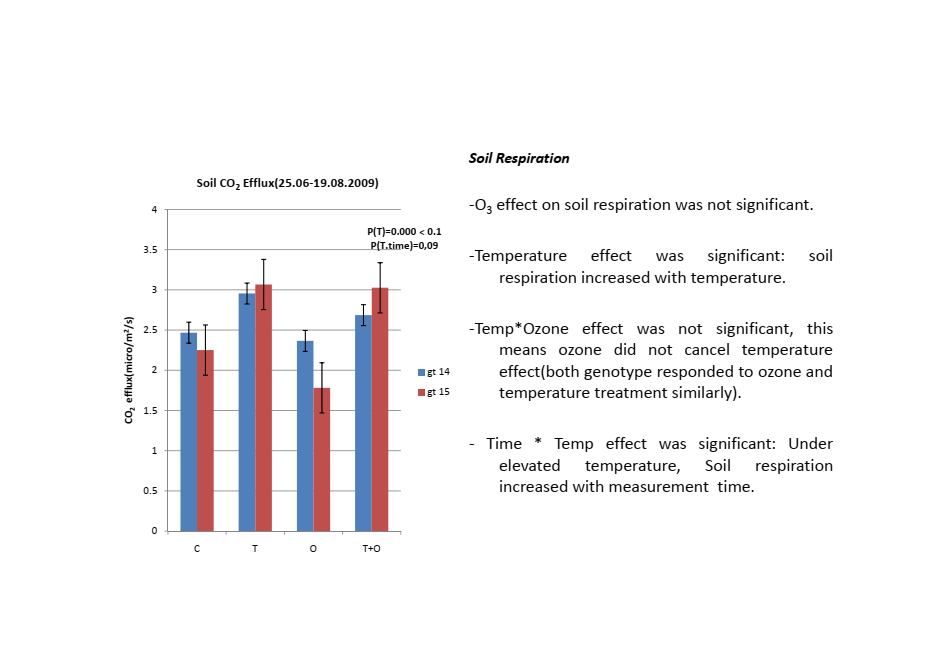
In my field research measuring silver birch responses to elevated ozone at 33.4 ppb versus 24.2 ppb ambient I observed that the two genotypes GT14 and GT15 responded differently to the same stress conditions. Their growth trajectories differed. Their soil respiration responses differed. Based on what the stress physiology literature shows I think it is reasonable to suggest that their secondary metabolite profiles would also differ under the same conditions.
What does this mean for a birch extract in a skincare product?
The betulin concentration in birch bark extract depends partly on growing conditions. A tree grown in a high ozone urban environment may produce a different secondary metabolite profile than one grown in clean air boreal forest. The genotype of the tree matters. The age of the tree matters. The season of harvest matters. Whether bark, leaf, or sap was used matters.
None of this information appears on product labels. Most manufacturers sourcing birch extract for cosmetic use cannot tell you which genotype their plant material came from or what the growing conditions were. The extract arrives as a standardised ingredient with a stated betulin percentage if you are lucky. The biological complexity behind that number is invisible to the buyer.
As someone who measured real silver birch trees under real stress conditions I find that gap between biological reality and product labelling worth pointing out.
What Good Birch Extract in Skincare Looks Like
Given all of this what should you look for when evaluating a product containing silver birch extract.
Specify which part of the plant. Bark extract for betulin. Leaf extract for flavonoids and phenolics. Sap for mineral and organic acid content. A product that just says birch extract without specifying is not giving you the information you need.
Position in the ingredient list. The same concentration principle applies here as to all natural skincare actives. Birch extract at position 14 of 16 is not delivering meaningful betulin or flavonoid concentrations regardless of what the front label says.
Standardised extract versus whole extract. A standardised birch bark extract with a stated betulin percentage gives you more information about what you are actually getting than a generic birch extract with no specification.
What This Means for You
Silver birch has genuine chemistry behind it. Betulin and betulinic acid have real documented anti-inflammatory and antioxidant activity. Birch leaf flavonoids have antioxidant properties. These are not made up claims.
The problem is that most birch containing skincare products do not tell you which part of the plant was used, at what concentration, from what growing conditions, or from which plant material source. The gap between the biological reality of silver birch chemistry and what ends up on a product label is significant.
When you see silver birch extract on a skincare label the right questions are not just what does birch do but which birch extract, from which part of the plant, at what concentration, and standardised to what compounds.
Those questions have answers in the science. Most products just do not give them to you.
Summary
Silver birch produces betulin and betulinic acid in its bark, flavonoids and phenolics in its leaves, and organic acids and minerals in its sap. These are three distinct ingredient profiles with different evidence bases. Betulin has documented anti-inflammatory and antioxidant activity but the evidence is more modest than most product marketing suggests.
The secondary metabolite profile of birch extract varies with growing conditions, tree genotype, harvest season, and plant part used. None of this information typically appears on product labels. When evaluating birch containing skincare products the key questions are which part of the plant, at what concentration, and standardised to what active compounds.
FAQs
Is silver birch extract good for skin?
The bark derived compounds betulin and betulinic acid have documented anti-inflammatory and antioxidant activity in skin tissue. Leaf extracts provide flavonoid antioxidants. The evidence for specific effects is real but more modest than product marketing typically implies. Which part of the plant the extract comes from matters significantly for what you are actually getting.
What is betulin in skincare?
Betulin is a triterpene compound found primarily in silver birch bark where it can make up 10 to 30 percent of dry bark weight. In skincare it has documented anti-inflammatory and antioxidant properties. Its derivative betulinic acid has a stronger evidence base for topical skin applications than betulin itself.
What does birch sap do for your skin?
Birch sap contains organic acids, minerals, amino acids, and sugars. It has mild hydrating and toning properties with some biological plausibility from its organic acid content. The stronger anti-inflammatory compounds associated with silver birch are found in the bark and leaves not the sap. Claims connecting birch sap specifically to anti-inflammatory effects are not well supported by the evidence.
Is birch bark extract good for skin?
Birch bark extract standardised for betulin content has the strongest evidence base of the birch derived skincare ingredients. Anti-inflammatory and antioxidant activity is documented. Concentration in the final product formula determines whether those effects are meaningful.
Is birch sap good for rosacea?
The anti-inflammatory compounds in silver birch are primarily betulin and betulinic acid from bark. These have some evidence for reducing inflammatory responses in skin. Birch sap has a different compound profile and the evidence connecting birch sap specifically to rosacea relief is limited. Products making strong rosacea claims based on birch sap content are extrapolating beyond what the evidence shows.
What does betulinic acid do for skin?
Betulinic acid has shown activity in studies for skin barrier support, anti-inflammatory effects, and antioxidant protection. It has a stronger evidence base than betulin for topical skin applications. It is found in birch bark and some other plant sources.
Why does growing environment affect silver birch extract quality?
Plants produce secondary metabolites including betulin and flavonoids partly as stress response compounds. Growing conditions including ozone levels, temperature, soil biology, and available nutrients influence how much and which secondary metabolites the plant produces. Different genotypes of silver birch also respond differently to the same environmental conditions. This means birch extract from trees grown in different conditions may have meaningfully different active compound profiles even when derived from the same species.