




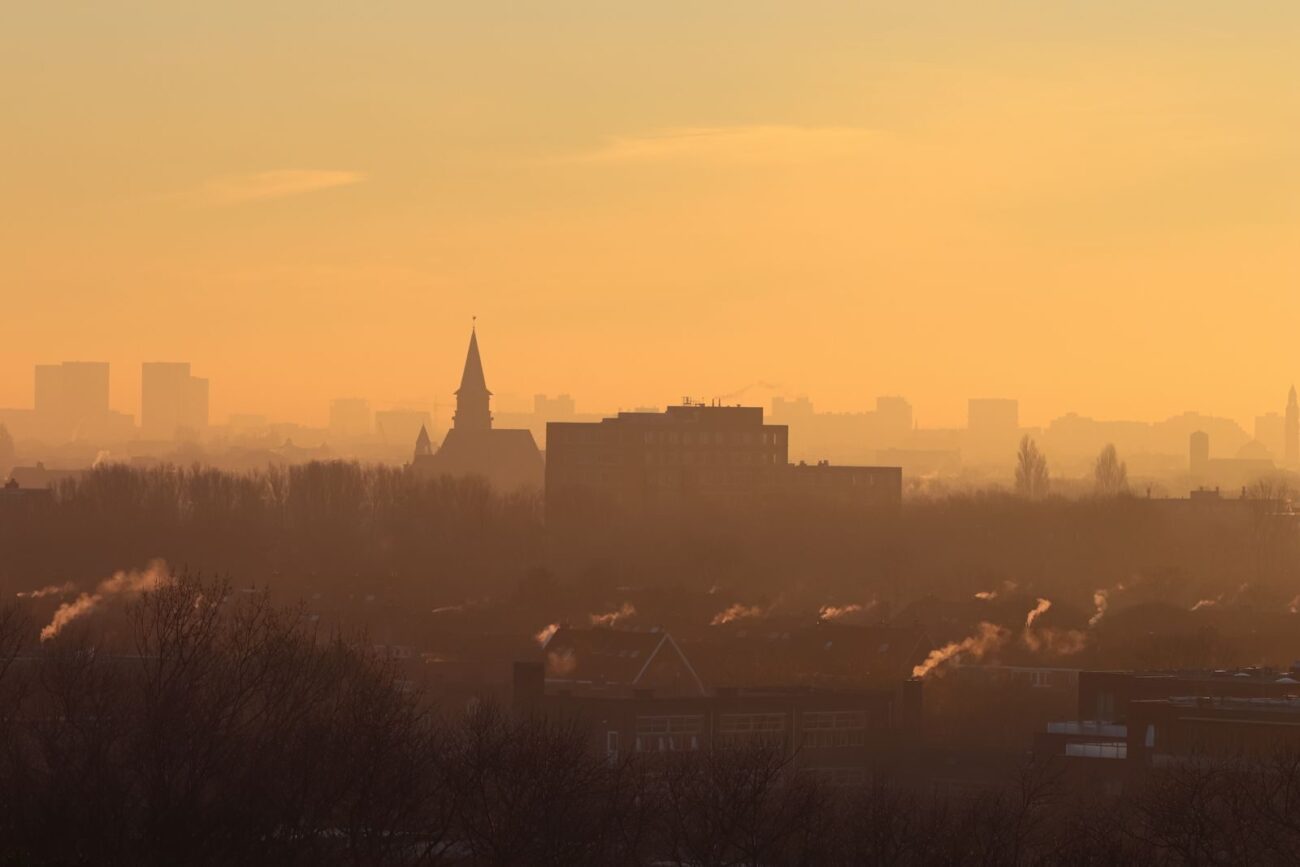
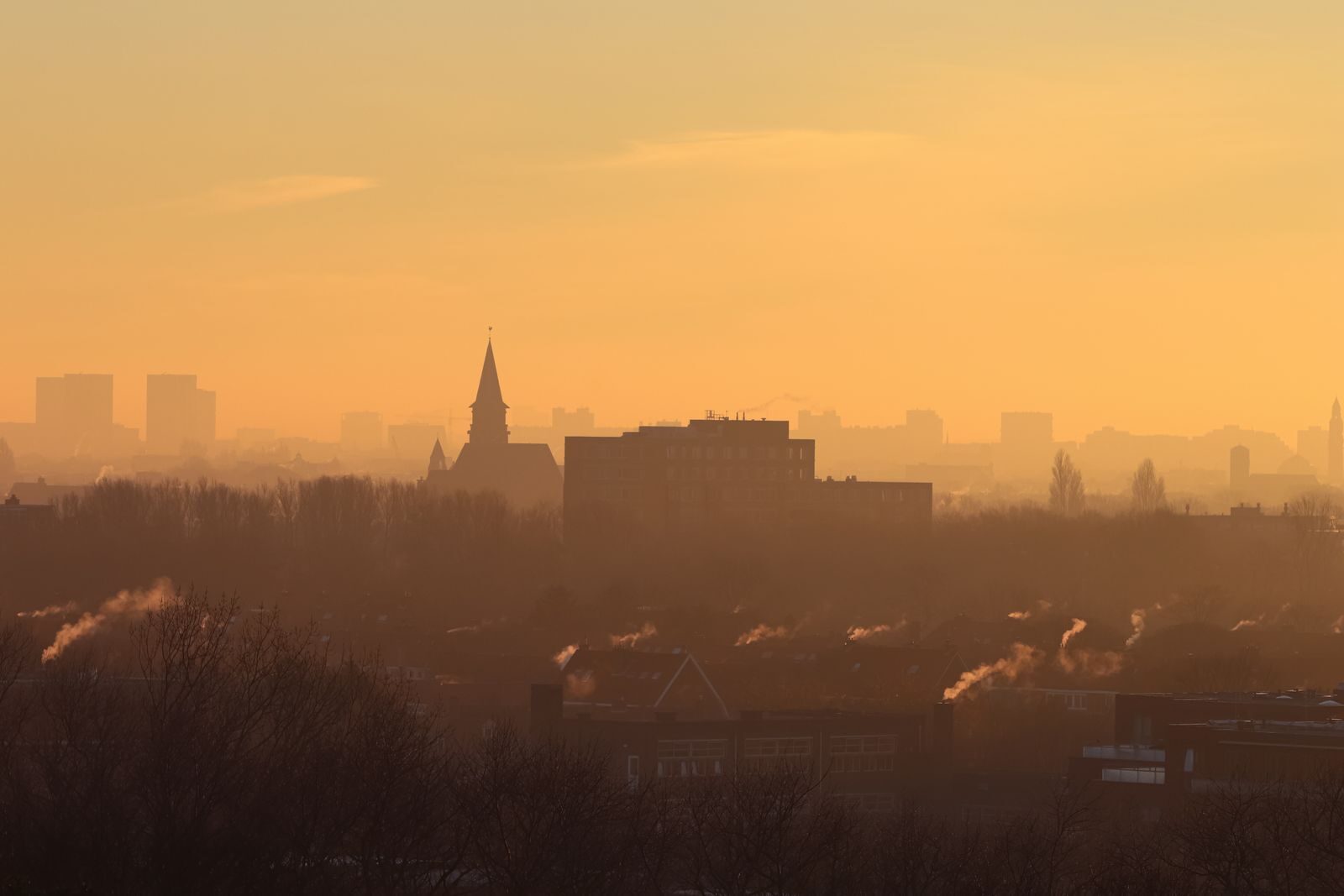
The sky outside has turned that strange orange-grey colour. You can smell the smoke before you even open the door. A lot of people just grab whatever air purifier they own and hope it helps.
So does it do anything, or does it just sit there while you feel better for having bought it?
I spent part of my postgraduate training on this exact question. I learned how airborne particles behave indoors and outdoors, and how to check health claims properly instead of just repeating them. So when I hear “wildfire smoke is worse than regular air pollution,” I don’t take that at face value. I checked it.
What is in wildfire smoke
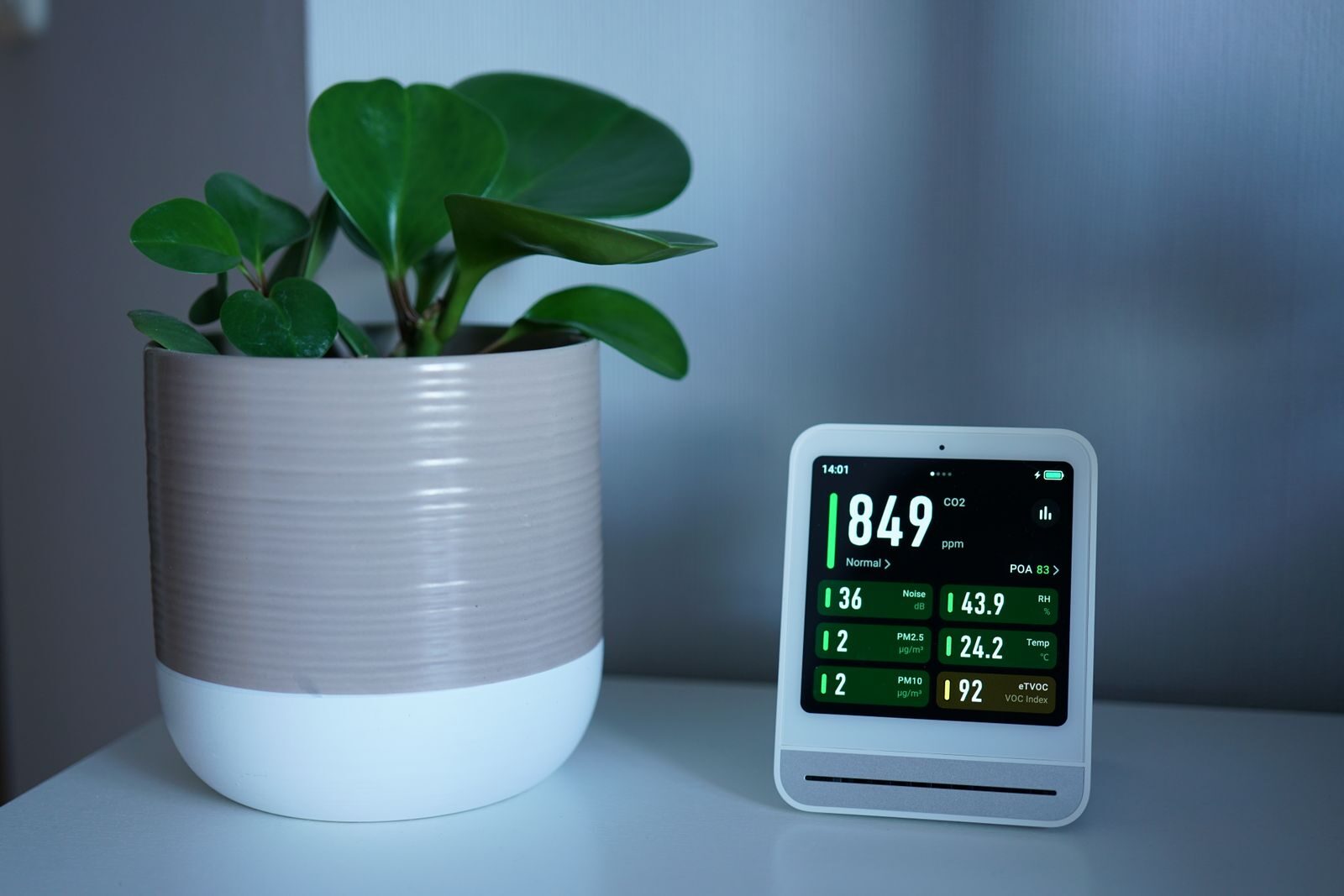
Wildfire smoke is mostly fine particulate matter, called PM2.5. These are particles 2.5 micrometers or smaller, small enough to get deep into your lungs.
Research on wildfire smoke specifically has found it causes more damage than the same amount of ordinary air pollution. It triggers oxidative stress and airway inflammation, and it hits people with existing lung conditions hard, sometimes at levels as low as 8 to 10 micrograms per cubic metre. That is a lower level than most people would guess counts as a real problem.
This smoke does not stay outside.
The EPA states plainly that with your doors and windows closed and no air cleaner running, indoor PM2.5 during a wildfire smoke event usually sits at 55 to 60 percent of the outdoor level. In some homes it can go as low as 30 percent, in others it can reach the full outdoor level. Most people spend most of their time indoors, so what happens inside your house during a smoke event counts for just as much as what the sky looks like outside.
Does a HEPA air purifier help?
Yes. This is one of the better-proven claims in the whole air purifier space. The EPA points to a real study where an air cleaner, a simple box-fan-and-filter build, cut indoor PM2.5 by around 56 percent in a larger room after 90 minutes, and by about 99 percent in a smaller room within just 60 minutes, during a real wildfire smoke event. The EPA says a well-built DIY unit performs about the same as a commercial HEPA purifier, so this result applies either way.
The way it works is simple. A HEPA filter is dense enough to trap particles down in the PM2.5 range, which includes the particles that make up wildfire smoke. Air gets pulled through the filter, particles get caught, and cleaner air comes out the other side.
Sizing it right during a smoke event
The usual sizing rule changes here. For normal dust and pollen, the standard advice is a smoke CADR at least two-thirds of your room’s square footage.
During a wildfire smoke event, that number goes up. EPA’s own guidance for clinicians confirms it: AHAM recommends a CADR equal to the full square footage of the room, not two-thirds of it. The goal is clearing a much heavier particle load than everyday dust. The same page adds one more clear rule: make sure your air cleaner does not produce ozone.
Where you place the unit and how fast you run it counts for a lot too. AirNow’s own advice is to run the air cleaner on its highest fan speed, all the time, not on a low or automatic setting. A good unit stuck in a corner on low will do far less than the same unit placed where air can move and left on high.
What a HEPA filter cannot fix
A HEPA filter traps particles, but wildfire smoke also carries gases and volatile organic compounds, and those cause the sharp smell. A plain HEPA filter does nothing about that smell. If the smell bothers you as much as the haze does, look for a purifier with a real activated carbon layer built in alongside the HEPA filter, not a thin carbon layer added mainly for the label.
Keeping your windows and doors closed counts for just as much as running the purifier. An open window brings in more smoke than a purifier can clean out. If you have central HVAC, switch it to recirculate instead of pulling in fresh air from outside during a smoke event.
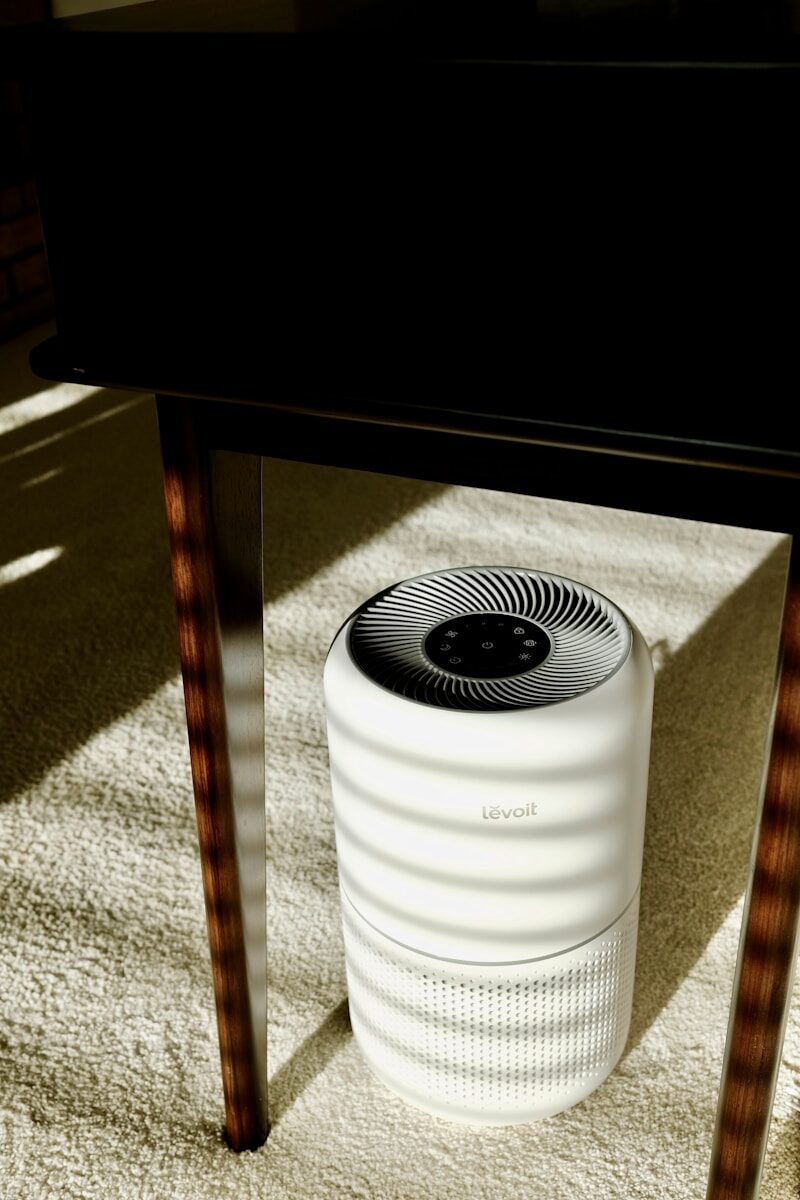
If you want one that meets both of those on the evidence, HEPA for the particles and a real activated carbon layer for the smoke smell, the Winix 5520 is the unit I point people to. It pairs a true HEPA filter with a genuine carbon filter rather than a token layer, it is sized for a large room so you can run it to the full square footage rule above, and it does not use any ozone-producing step.
Check the Winix 5520 on Amazon →
A note on health decisions
The evidence here is solid that HEPA filtration lowers indoor particle levels. It does not replace medical advice for anyone in a higher-risk group: people with existing lung or heart conditions, pregnant people, young children, or older adults. If that applies to you or someone in your home, talk to a doctor about it rather than making the decision from a blog post alone.
Summary
Wildfire smoke is mostly fine PM2.5 particulate that gets indoors even with the windows shut, and it causes more damage than ordinary air pollution at the same concentration.
HEPA air purifiers have solid evidence behind them here, with the EPA pointing to a real study showing indoor PM2.5 reductions of around 56 percent in a larger room and up to 99 percent in a smaller room. During a smoke event, size your purifier to a smoke CADR equal to your room’s full square footage rather than the usual two-thirds rule, run it on high, and keep windows and doors shut.
HEPA filters do not remove the VOCs that cause the smoke smell, so an activated carbon layer helps with that specifically. Anyone in a higher-risk health group should talk to a doctor rather than decide alone.
Common Questions
Do air purifiers help with wildfire smoke?
Yes. The EPA points to a real study showing indoor PM2.5 dropped by around 56 percent in a larger room and up to 99 percent in a smaller room when an air cleaner was running during a wildfire smoke event.
What size air purifier do I need for wildfire smoke?
Look for a smoke CADR equal to your room’s full square footage during a smoke event. That is higher than the usual two-thirds rule used for everyday dust and pollen.
Do air purifiers remove the smoke smell as well as the particles?
Not with a HEPA filter alone. The smell comes from gases and volatile organic compounds, which a HEPA filter does not trap. A purifier with a real activated carbon layer helps with the smell specifically.
Should I keep windows open or closed during wildfire smoke?
Closed. Some smoke will still get into a sealed home, but an open window lets in far more, working against whatever your purifier is doing.