





Ask most people which particle is hardest for an air filter to trap, and they point to the smallest one. It is a reasonable guess. It is also wrong. The most penetrating particle size sits in the middle, around 0.3 microns wide, and that single fact explains both why a good air purifier works and why the number printed on the box oversells what it will do in your home.
So let me give you the real answer.
Yes, a good air purifier pulls particles out of the air, and you can measure the drop. No, it does not fix everything, and the marketing stretches the truth badly. The space between those two facts is where most buyers get lost. I will walk you through what these machines do, where they fall short, and how to tell whether you even need one.
How an air purifier works in your room
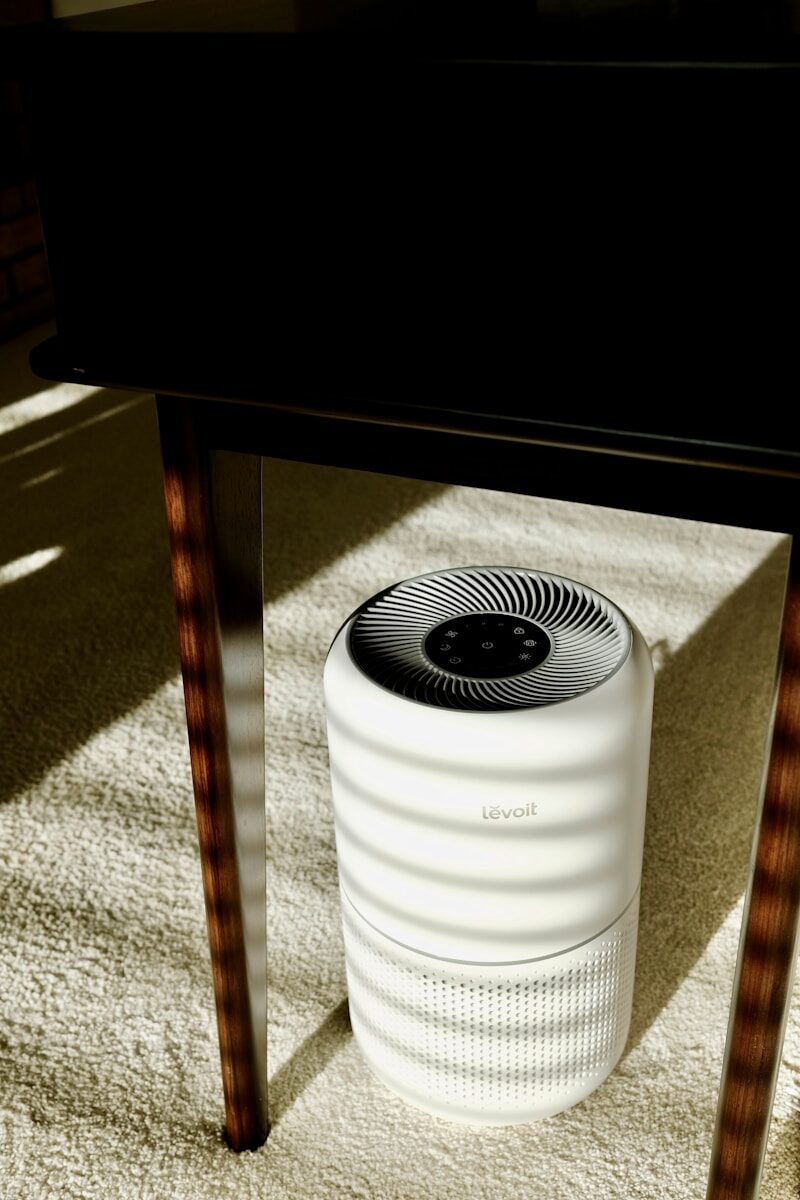
A purifier is a simple machine. A fan pulls room air in. The air passes through one or more filters. Cleaner air comes back out. Run it long enough and it cycles the whole room volume several times an hour.
The filter does the real work. Most units rely on a HEPA filter. HEPA stands for high efficiency particulate air. A true HEPA filter traps 99.97 percent of particles at 0.3 microns across, the worst case size I mentioned at the top.
Here is why that size is the hard one.
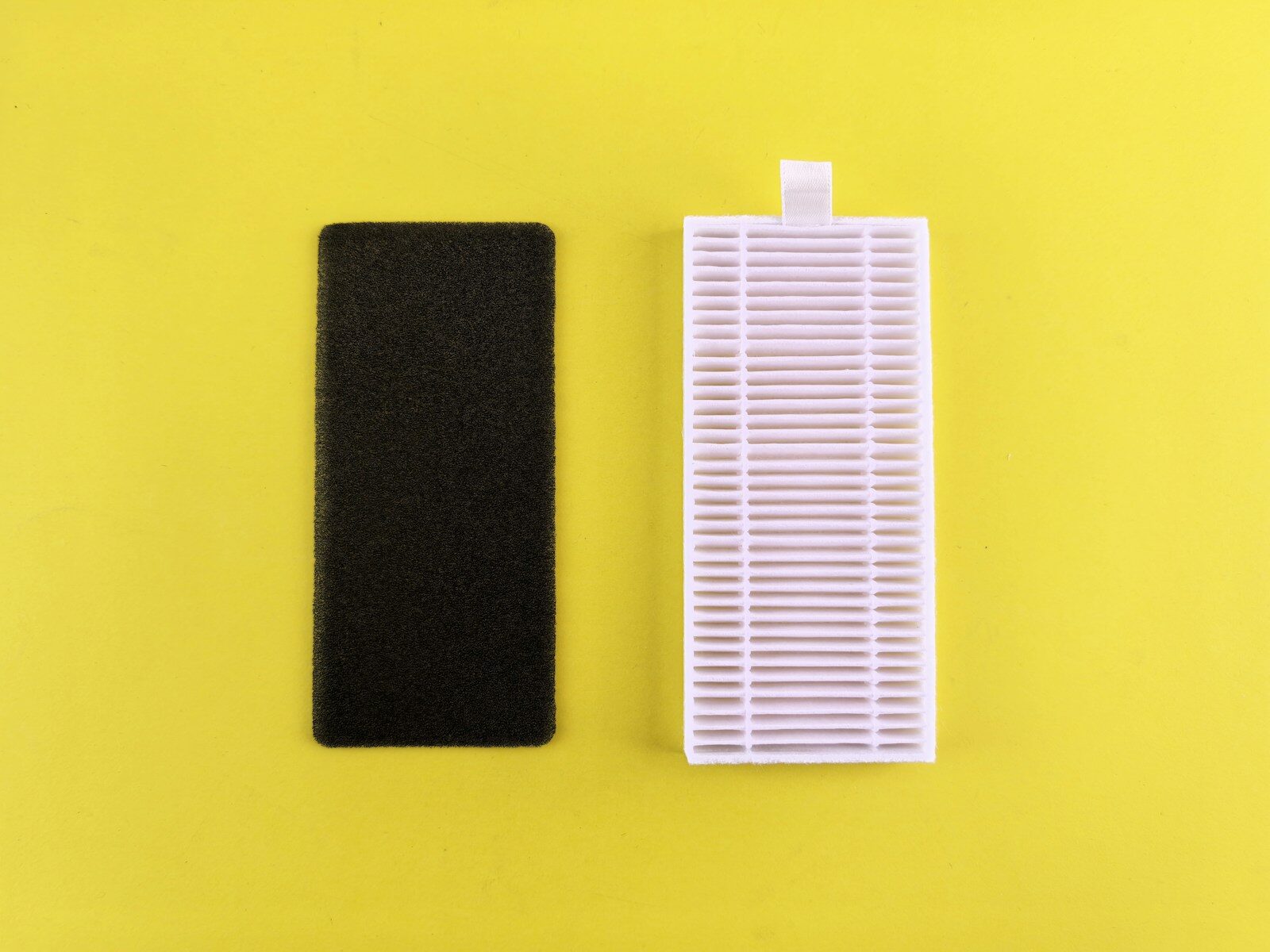
A HEPA filter is not a net with tiny holes. It is a dense, random tangle of fine fibres. Large particles cannot follow the air as it bends around each fibre, so they slam in and stick. Very small particles jitter about and brush into fibres by chance.
The 0.3 micron range is big enough to mostly follow the airflow yet small enough to dodge those collisions, so it slips through more easily than particles on either side. The filter still catches most of them, just less reliably, which is why labs rate filters at that toughest point.
My particulate air pollution training covered exactly how fine particles like PM2.5 behave once they are loose in an indoor space. They do not sit still and wait for the fan.
They drift, settle onto surfaces, and lift back into the air when you walk across a rug or plump a cushion. That constant settling and resuspension is the reason a clean efficiency figure from a sealed test chamber tells you so little about your living room.
The 99.97 percent number hides something
Here is the part the box does not tell you.
That 99.97 percent figure describes the filter media on a test rig. It does not describe your bedroom. Air leaks around the filter seal. Some air skips the filter entirely. Many particles settle onto your floor and furniture before the fan ever draws them in.
Once you count that leakage and settling, real whole unit performance often lands closer to 80 percent or lower. I have spent time on the quality control side of chemical measurement, and the lesson there is blunt. A clean number from a sealed rig rarely survives contact with a messy real room. The machine still helps. It simply helps less than the headline promises.
Real room studies support this. One assessment of HEPA purifiers for indoor particle control found meaningful drops in fine particle levels after the units went in, while other work found little change in measured lung or blood vessel function. You can read that particulate study here. The pattern holds. Purifiers reduce airborne particles you can measure. The health payoff depends heavily on your room, your filter, and how you run it.
What a HEPA purifier removes well
A HEPA unit is good at airborne particles. That covers a lot of what bothers people at home.
Dust floats, and a purifier catches the airborne share of it. Pollen too, which is why people with hay fever often feel some relief during pollen season. Pet dander, the flaky skin that triggers cat and dog allergies, gets pulled in as well. Smoke particles from cooking, wildfires, or cigarettes fall into range too, since smoke is mostly fine particulate.
So for dust, pollen, dander, and smoke particles, a decent HEPA purifier earns its place. Keep it running, keep the filter fresh, and size it to the room.
Where purifiers disappoint people
Now the limits, because this is where buyers feel cheated.
Dust mites are the classic letdown. The mite allergen rides on heavier particles that drop to your bedding and carpet within minutes. A purifier pulls air from the open room, not from deep in your mattress. So it barely touches the allergen that triggers most dust mite reactions. Washing bedding hot and using mite proof covers does far more.
Smells and gases are the second gap. A HEPA filter catches particles, not gas molecules. Cooking odours, paint fumes, and the volatile compounds off new furniture slip straight through. For those you need an activated carbon filter, and even then the carbon load in most home units is thin. Some consumer units sold for odour and chemical removal performed poorly in testing, and a few even released their own byproducts.
Mould is a mixed case. A purifier can capture loose mould spores drifting in the air. It does nothing about the colony growing behind your wall or under your sink. If you have visible mould or a damp problem, the air filter is a side note. Fix the moisture first.
Viruses sit in the maybe column. Virus laden droplets and aerosols do fall within HEPA range, and classroom and lab studies show purifiers can lower airborne virus levels. That is not the same as proven protection from getting sick. Treat a purifier as one layer, not a shield.
The ozone problem worth knowing about
Not every device on the shelf is a plain filter. Some ionisers and so called ozone generators clean air by producing ozone or charged particles. Be careful here.
Ozone is a lung irritant. I have measured its effect on living tissue directly, tracking how ozone stresses plants in open air forest plots at concentrations only a little above normal background air. The damage shows up at levels lower than people expect.
So when a product deliberately generates ozone inside a closed bedroom, I read that very differently from someone who has only seen the caution printed on a label. The United States Environmental Protection Agency warns against ozone generators sold as air cleaners for the same reason.
If a unit lists “ozone,” “ionic,” or “ioniser” as a selling point, I would skip it and choose a sealed mechanical HEPA filter instead.
Getting the most from the one you have
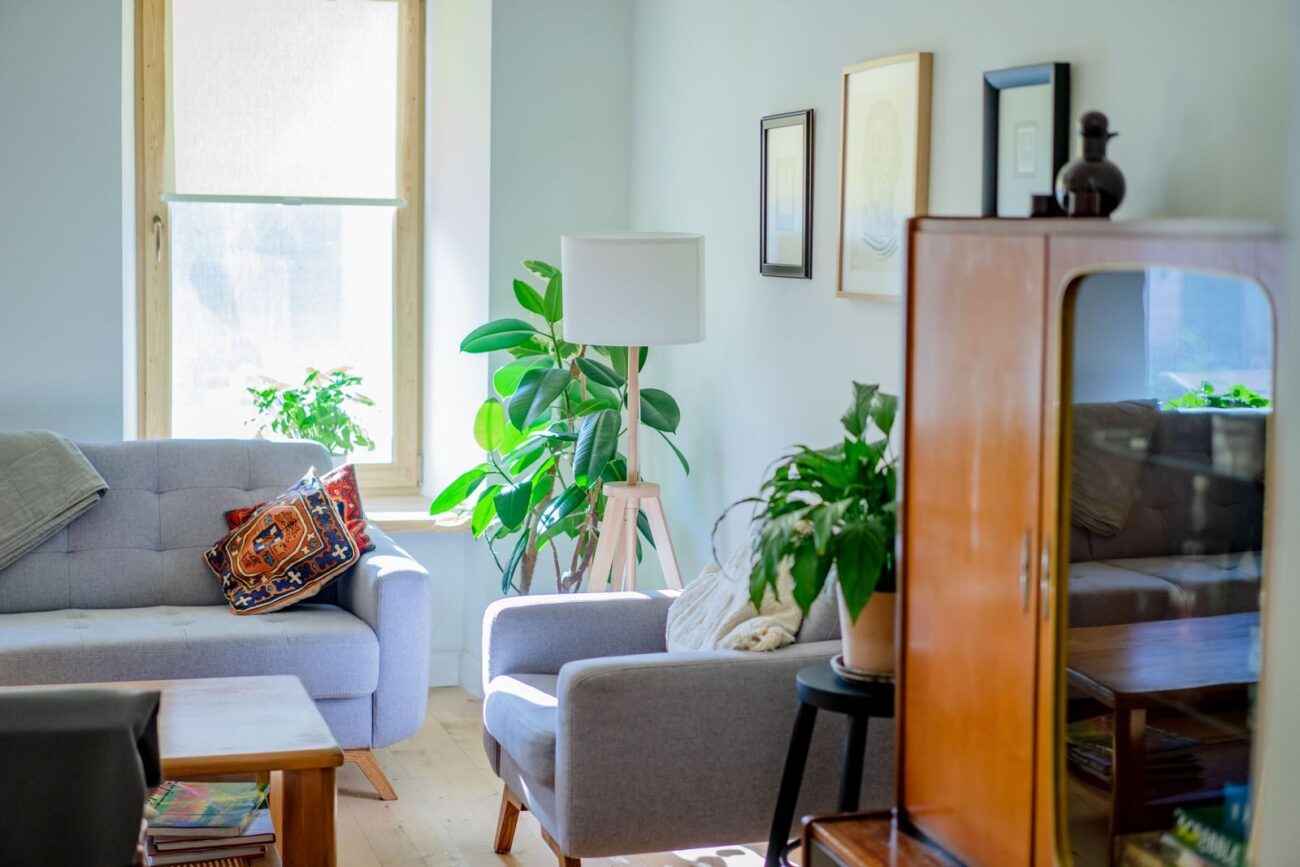
Placement changes results more than people expect. Put the unit where you spend time and where air can reach all four sides. Pushed into a tight corner or buried behind a sofa, it starves for airflow and underperforms.
Run it often. These machines work by cycling the room repeatedly, so a unit switched on for ten minutes does little. Running it through the night in a bedroom is fine and often the best time, since the room is closed and your breathing zone is close by.
Watch the windows. An open window beside a busy road feeds in new particles faster than the filter clears them. On a high pollen or wildfire smoke day, close up and let the unit work. On a clean air day, fresh outdoor air beats any filter.
Mind the filter. A true HEPA filter is not made to be washed and reused. The fibres clog and tear. Most need replacing every several months to a year depending on use. A neglected, saturated filter chokes airflow and can push dust back out, which is the kernel of truth behind worries that a purifier might make you feel worse.
Where I land on this
A good mechanical HEPA purifier does real, measurable work on airborne dust, pollen, dander, and smoke. That is worth something if those are your problem. It will not solve dust mites, gases, odours, hidden mould, or guarantee you dodge a cold. And I would walk past anything that cleans the air by making ozone.
Buy one for what it does well. Match it to your room size, run it regularly, change the filter on schedule, and keep your expectations tied to the evidence rather than the box.
If you want a sealed mechanical HEPA unit that fits everything above, the Coway Mighty AP-1512HH is the one I point people to as a sensible default. It is a true mechanical HEPA filter with a carbon layer, no ozone step, and it is sized for a typical room so you can match it to your space and run it on a schedule. It has held its reputation for years, which is exactly what you want when the goal is evidence over marketing.
Check the Coway Mighty AP-1512HH on Amazon →
FAQs
Do air purifiers really make a difference?
Yes, for airborne particles. A HEPA unit measurably lowers dust, pollen, dander, and smoke levels in a room. It does less for gases, odours, and settled allergens, and the size of the benefit depends on your room and how you run the machine.
Is it okay to sleep with an air purifier on all night?
Yes, with a mechanical HEPA filter this is fine and often ideal. The room is closed, so the unit cycles the same air repeatedly and works more efficiently. Avoid ozone generating or ioniser units in a closed bedroom, since ozone irritates the lungs.
Can a HEPA air purifier make you sick?
The HEPA filter itself does not. A neglected, saturated filter can restrict airflow and shed trapped dust back into the room, which is why regular replacement helps. Ozone producing units are a different story and can irritate your airways.
Do air purifiers help with hay fever and pet allergies?
They can help by lowering airborne pollen and pet dander. Many allergy sufferers notice some relief, especially overnight in the bedroom. They will not remove allergens already settled into carpets, bedding, and soft furnishings, so cleaning those still counts.
Can HEPA filters be cleaned and reused?
Usually not. True HEPA filters are built from dense fibre that clogs and damages if you try to wash them. Check your model, but plan to replace the filter on the maker’s schedule rather than clean it.
Do air purifiers work for smells?
A plain HEPA filter does not capture odour molecules, since smells are gases. You need a unit with a real activated carbon stage for that, and even then results vary. For strong cooking or pet odours, ventilation and source removal do more.
Summary
Air purifiers work, but only at the job they are built for. A sealed mechanical HEPA unit reliably removes airborne particles like dust, pollen, pet dander, and smoke, and good studies show clear drops in indoor particle levels when one runs in a room.
The famous 99.97 percent figure describes the filter media in a lab, not your living room, so real performance is lower once air leakage and settling are counted. Purifiers struggle with dust mite allergen, gases and odours, and hidden mould, and they should never be the answer to a damp or mould problem.
Avoid ozone generators and ionisers, which can irritate the lungs. Choose a HEPA unit sized to your room, run it often, place it in open air, and replace the filter on schedule. Do that and the machine earns its keep. Expect it to do everything and you will feel let down.