


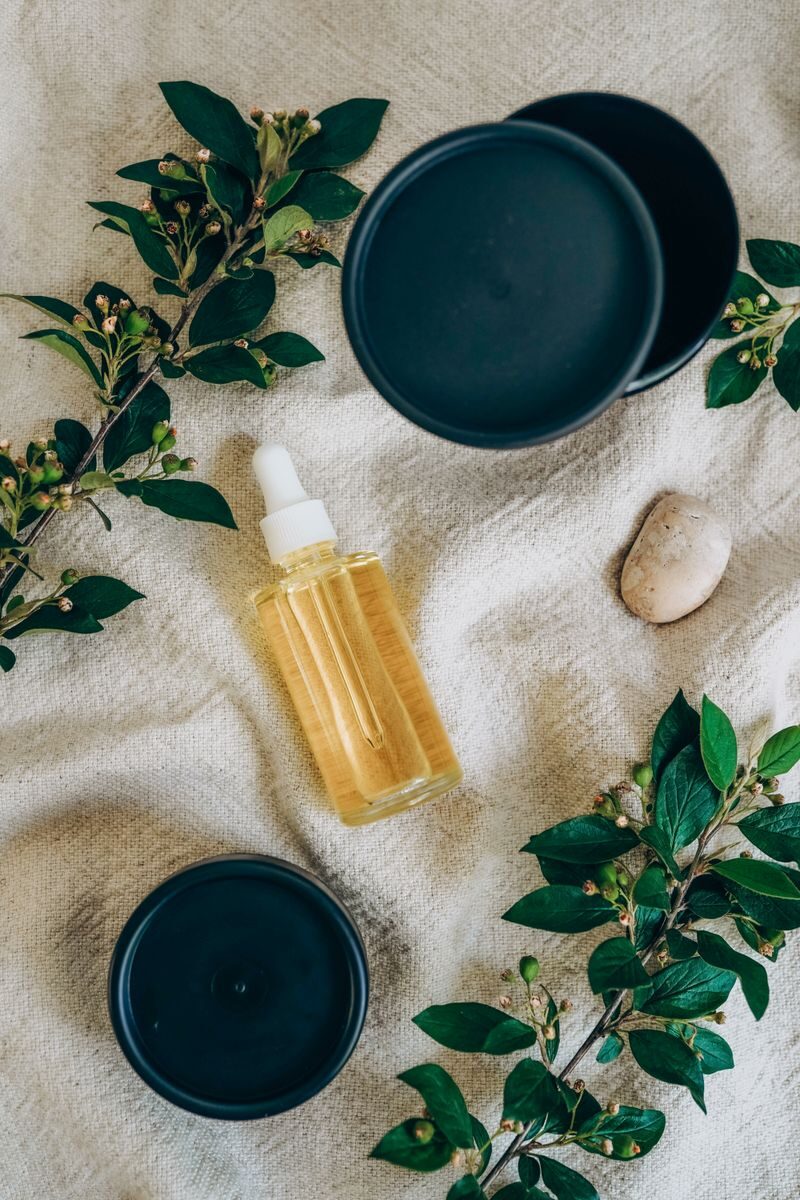





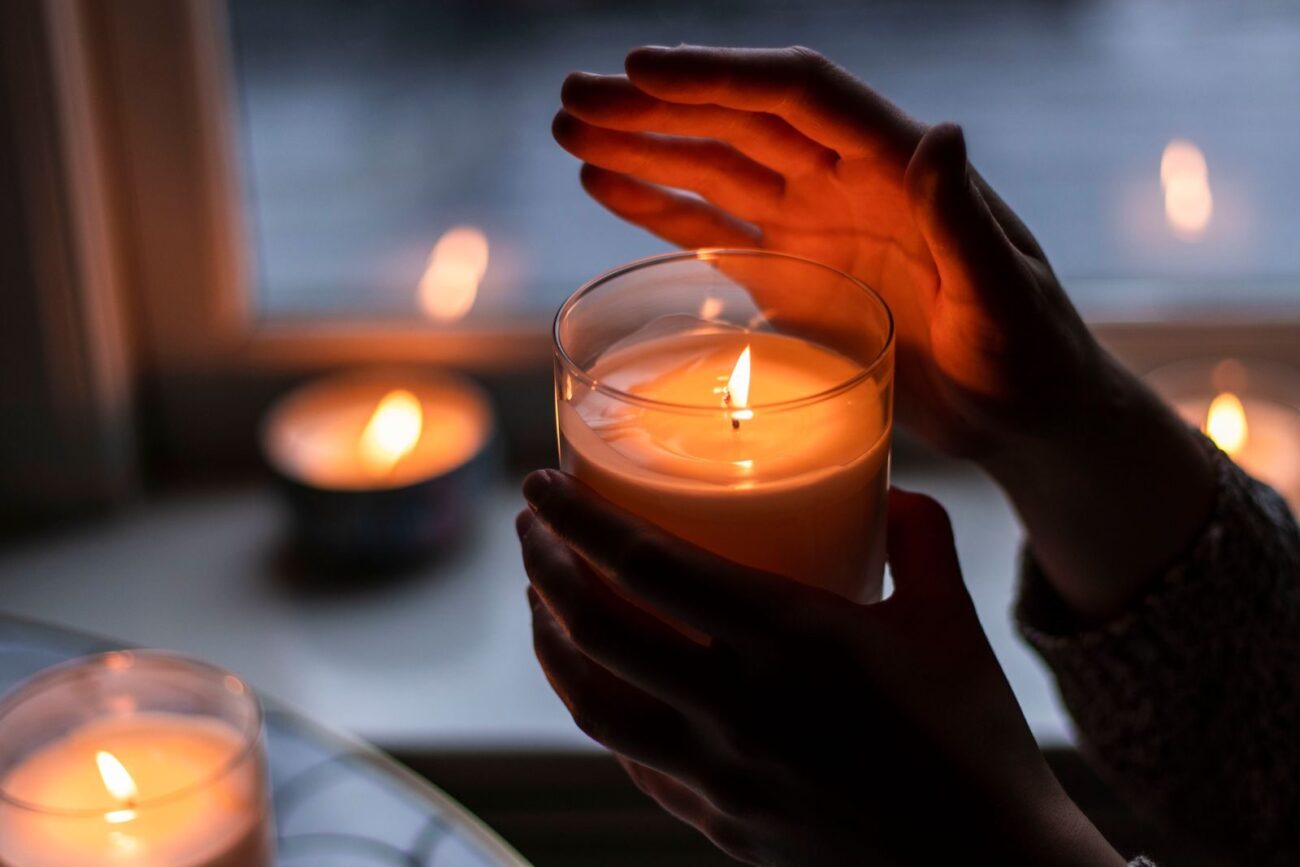
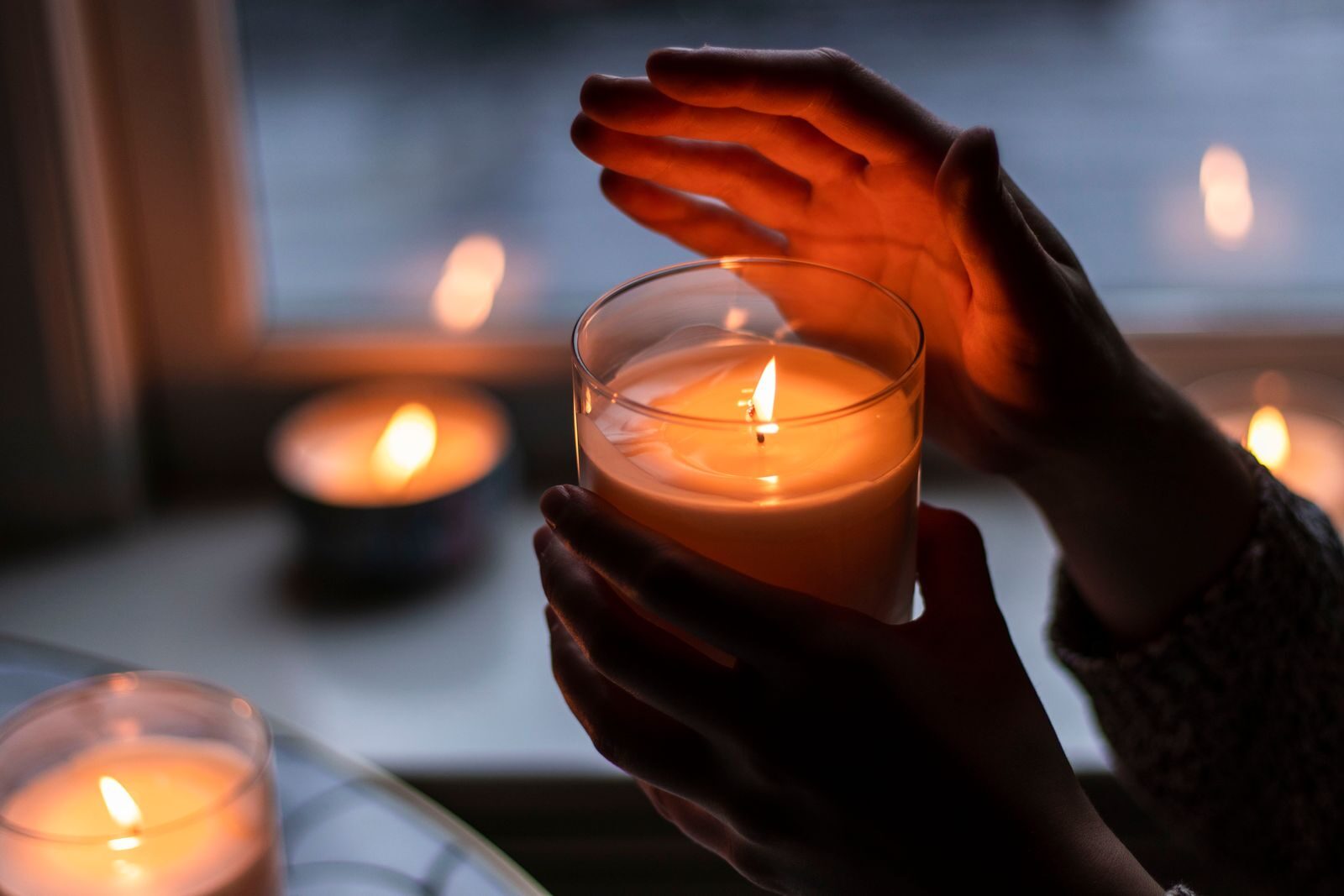
I burn candles through winter, scented and plain, and I diffuse essential oils now and then too, lavender and chamomile mostly, in the evening. Nothing bad has ever happened to me from either one, just the odd bit of soot on the wall if a candle sits too close to it.
But I’ve never just taken “natural” on the label at face value, and once I looked into whether soy candles are toxic, and what a diffuser is really putting into the air, I found something worth passing on.
Do soy candles produce fewer VOCs than paraffin?
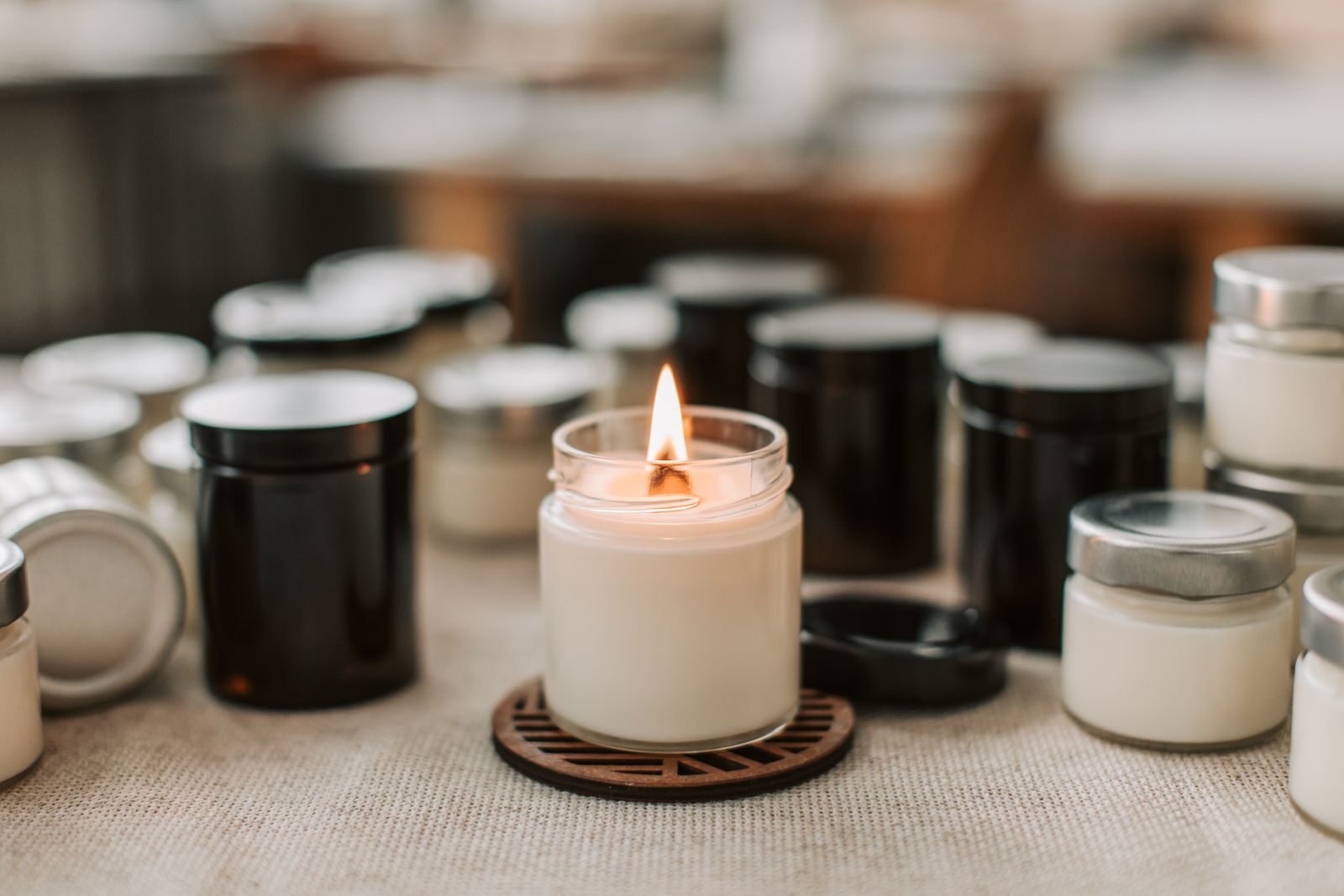
Somewhat, but not for the reason most labels imply. Soy wax burns cooler and more completely than paraffin, so it produces noticeably less visible soot, that’s real and well documented.
A peer-reviewed combustion study comparing soy, beeswax, and paraffin candles found something worth knowing here: formaldehyde from soy and beeswax candles was barely distinguishable from background air, while paraffin produced a clear, measurable formaldehyde signal on top of that background. So in this specific study, soy held up as the cleaner option on both soot and formaldehyde, not just the visible soot people usually notice.
That said, soot and VOCs still aren’t the same thing, and fragrance oil contributes its own VOCs regardless of what wax it’s mixed into.
What counts for more than the wax type is how much fragrance oil is loaded into the candle and how well the wick is trimmed. A heavily scented soy candle with an untrimmed wick can produce more soot and VOCs than a cleanly burning paraffin one. I trim my wicks and keep candles away from walls now, since that soot mark taught me the lesson better than any label did.
What a diffuser puts into your air
This is where my own training changes how I read “natural” on a diffuser bottle.
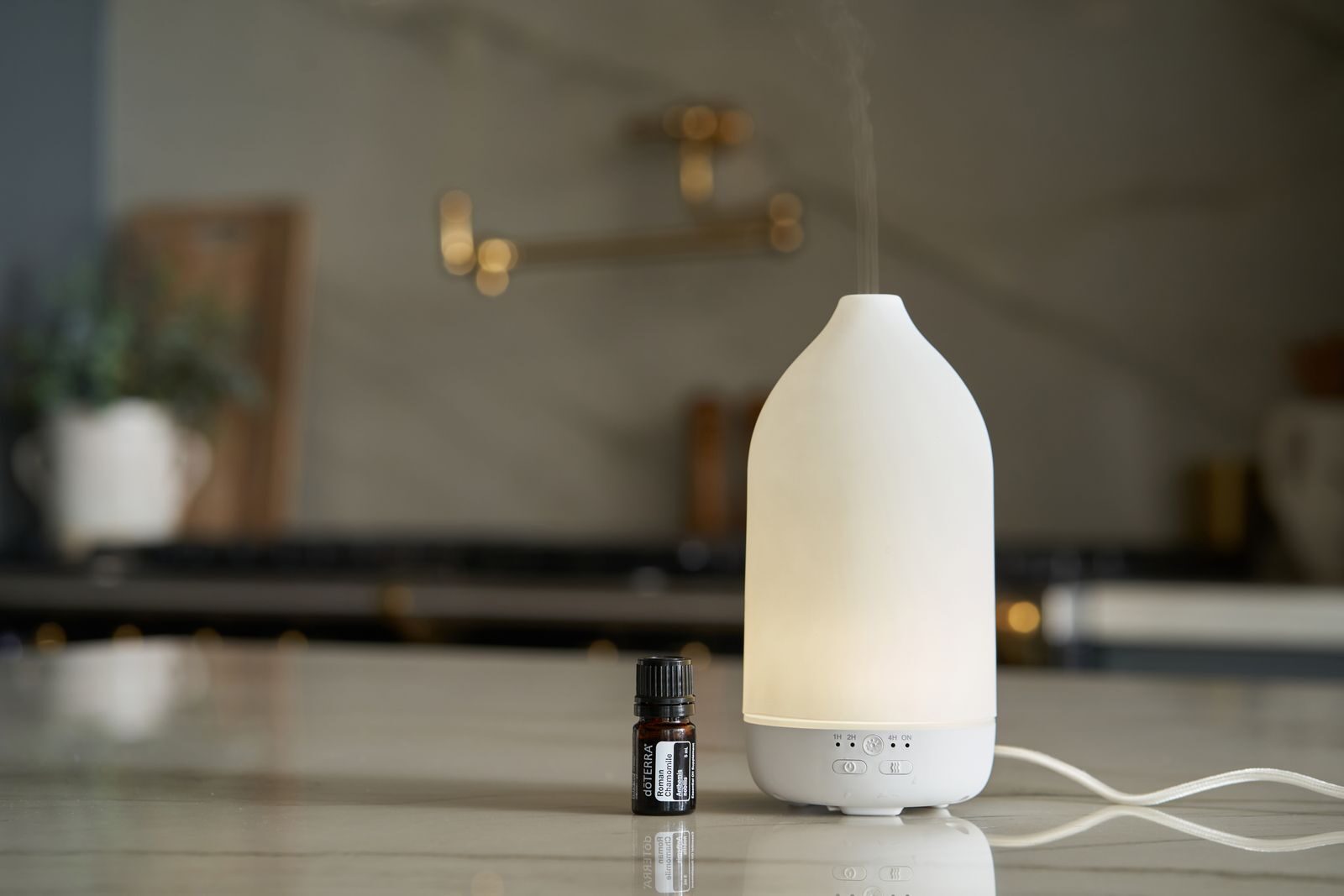
Essential oils are made almost entirely of secondary metabolites, the compound class plants produce for defence and signalling rather than basic survival, and terpenes are one of the biggest groups in that class. Terpenes are VOCs, the exact same category as the synthetic fragrance chemicals people are trying to avoid by choosing something plant-based.
Lavender oil is largely linalool. Chamomile carries its own set of aromatic terpenoids. These compounds evaporate into your air and count as VOCs by definition, whether they came from a plant or a lab.
Here’s the part that surprised me even with my background in plant biochemistry.
Linalool doesn’t just sit in the air quietly. A chamber study specifically on linalool found that when it meets ozone indoors, at concentrations relevant to real indoor air, it reacts to form secondary organic aerosol and measurable reactive oxygen species.
Ozone gets into a home through outdoor air, an ozone-generating device, or certain electronic ionisers I’ve written about it here, so this isn’t a rare lab-only scenario. That’s a real, measured chemical transformation happening in your living room air, not a synthetic-versus-natural morality tale. The lavender doesn’t stay lavender once ozone is in the room with it.
None of this means lavender oil is dangerous at the concentrations most people diffuse at home. Toxicology comes down to dose just as much as identity, the same principle I apply to every product on this site, and a few drops in a room-sized diffuser is nowhere near the concentration used in the lab studies that identify these reactions.
The point worth understanding is that “natural” describes where the VOC came from, not whether it reacts or how much of it is in the air.
Is this something to worry about?
For most people, using a candle or diffuser occasionally in a normal, ventilated home, no. The concentrations involved are far below the levels used in the lab studies that identify these reactions in the first place.
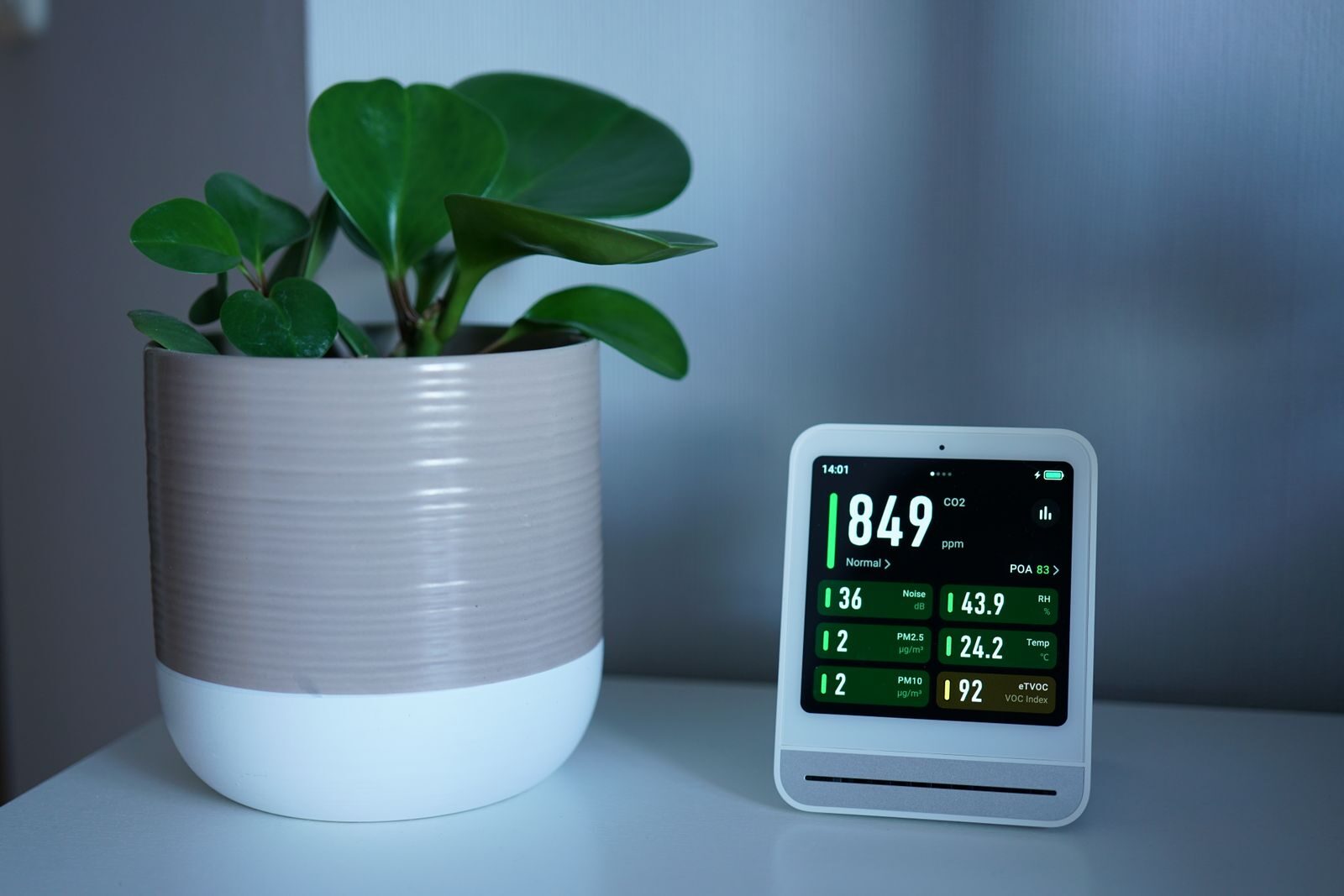
What I do think is worth doing: keep a diffuser away from where you sleep, which I already do, ventilate the room rather than sealing it up while something is burning or diffusing, and don’t run an ozone-producing device in the same room at the same time, since that’s the one combination that pushes the chemistry somewhere worth avoiding.
Pets are a separate consideration. Cats in particular can’t process many essential oil compounds the way we do, something I’ve mentioned in my post on natural cleaning products too. If you have a cat, keep diffused oils out of small, closed rooms it spends a lot of time in.
What I do now
I still burn candles and use the diffuser. I haven’t stopped either. What changed is that I trim wicks properly, keep candles off the wall, air the room out afterward, and don’t run the diffuser and any ozone-producing device at the same time. The “natural” word on the label doesn’t tell me any of that. Reading the real chemistry does.
Summary
Soy candles produce less visible soot than paraffin, and in at least one peer-reviewed study, formaldehyde from soy and beeswax was barely distinguishable from background air, while paraffin showed a clear, measurable formaldehyde signal.
Even so, fragrance load and wick quality count for more than wax type alone, since a heavily scented, poorly wicked candle can undo that advantage. Essential oil diffusers release terpenes like linalool, which count as VOCs regardless of their plant origin, and linalool specifically reacts with ozone indoors to form secondary organic aerosol, a real chemical transformation confirmed by peer-reviewed research.
None of this is a reason to panic at normal home concentrations, but ventilation, wick trimming, keeping diffusers away from where you sleep, and avoiding running an ozone-producing device alongside a diffuser are sensible habits regardless of what the label says.
What people usually want to know
Are soy candles toxic?
Not under normal home use, no candle wax has been shown to be harmful to health. They generally produce less visible soot than paraffin, but fragrance oil contributes VOCs regardless of wax type, and a heavily scented, poorly wicked soy candle can emit more than a cleanly burning paraffin one.
Do essential oil diffusers affect air quality?
Yes. The terpenes in essential oils are VOCs, and some, like linalool in lavender, can react with ozone in a room to form secondary pollutants. This doesn’t make normal home use dangerous, but it does mean “natural” doesn’t mean VOC-free.
Are naturally scented candles safer?
Not automatically. Combustion produces some byproducts regardless of wax type, and no candle wax has been shown to be harmful to health under normal use. Trimming the wick and controlling fragrance load count for more than the natural label.
Is it safe to run an essential oil diffuser near my bed?
It’s a reasonable precaution to keep it further away rather than right beside you overnight, partly for the same reason lingering VOCs are worth ventilating anywhere in a home, and partly because some oils can irritate sensitive airways at close range over a long period.