


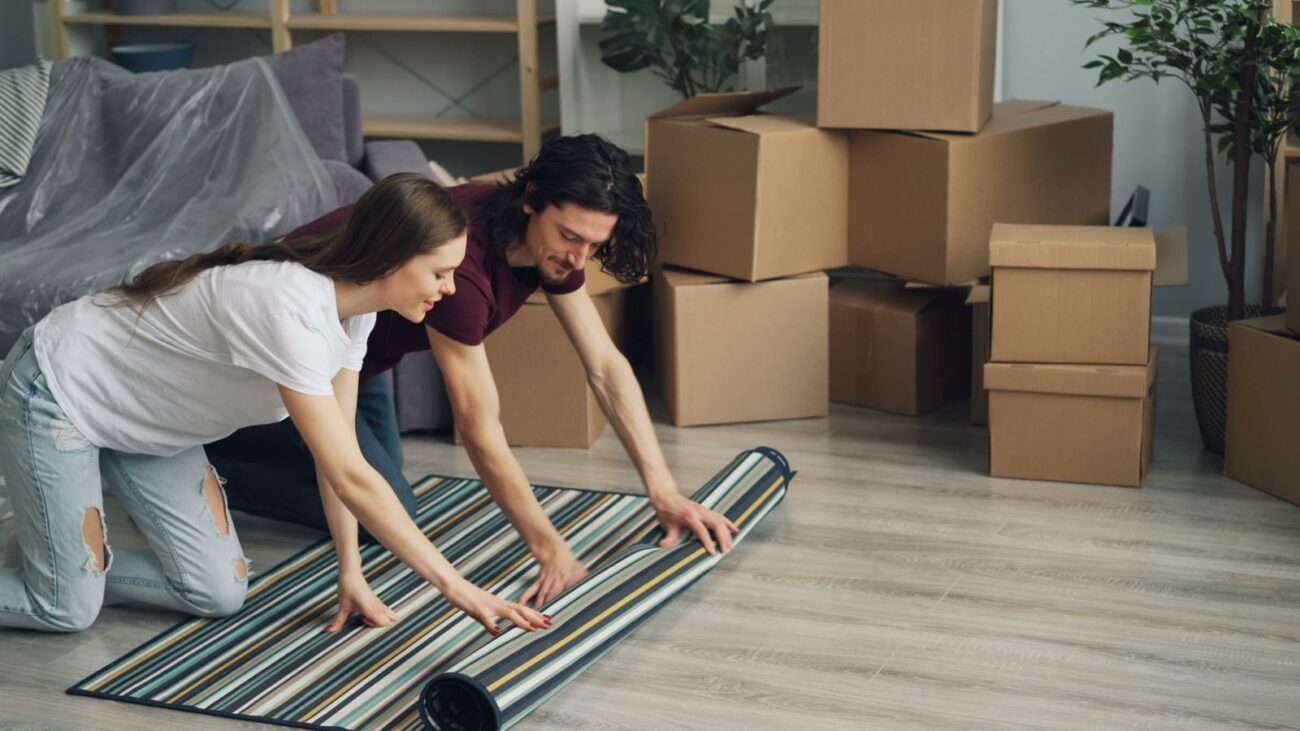
Long before any of my environmental science training, I remember buying new carpet and doing exactly what most people do without thinking twice about it, leaning down and breathing that new carpet smell in on purpose, enjoying it the way you might enjoy the smell of a new car. I had no idea what was in it, and at the time I didn’t care. It just smelled like something new, and that was enough.
Once I started studying environmental science properly, that same curiosity came back with a different question attached: what is that smell, chemically, and should I have been quite so relaxed about pressing my nose into it.
So I went looking for a real answer instead of just enjoying the moment the way I had before.
Here’s what I found.
What’s really behind new carpet smell
The chemical doing this has a name almost nobody’s ever heard: 4-phenylcyclohexene, or 4-PCH if you want the short version. Nobody adds this on purpose. It’s an unwanted byproduct that forms when the latex backing on the underside of your carpet gets made, and since that latex backing is used on most carpets out there, this is baked in before the carpet even leaves the factory.
Here’s the bit I find interesting, and it changes how you should feel about that smell.
Your nose can pick up 4-PCH at absolutely tiny concentrations, down to about 1 part per billion. So if your new carpet smells strong, that doesn’t automatically mean you’re breathing in something dangerous. It just means your nose is doing exactly what a nose does, noticing something long before it’s anywhere near a level worth worrying about. I think about this the same way every time a smell-versus-dose question comes up on this site. The smell tells you something is there. It doesn’t tell you how much.
That said, I don’t want to wave this off as nothing. Back in 1987, new carpet installed at the EPA’s own headquarters building led to a well-publicised case of poor indoor air quality, real enough that it triggered a formal industry and government response.
That case is exactly what led to the certification I want to talk about next, since the carpet, cushion, and adhesive industries voluntarily set acceptable limits for compounds including 4-PCH afterward. The current limit under that program is 27 micrograms per cubic metre, measured 14 days after installation.
Looking back, that 1 part per billion figure is the detail that answers the question I had leaning over my own carpet all those years ago. I wasn’t inhaling anything close to a harmful dose just by noticing the smell, my nose was simply doing its job far more sensitively than I gave it credit for at the time. That’s a satisfying thing to find out once you finally go looking.
Now here’s the label worth checking for
This is where my own background changes how I read a carpet label, and I want to walk you through why.
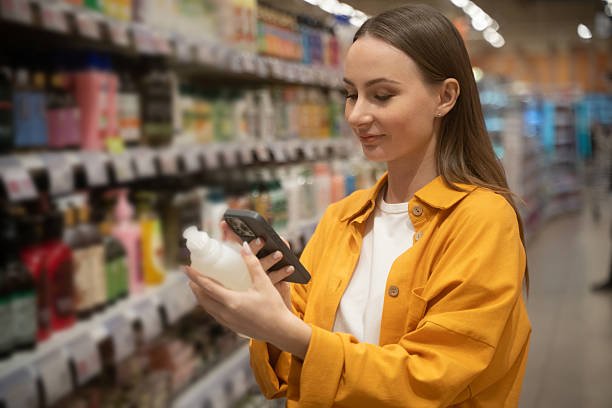
Green Label Plus is a real certification, tested independently, not something a manufacturer just prints on their own say-so. It’s run by the Carpet and Rug Institute, but the testing itself happens through an accredited outside lab, and the accrediting body, ANAB, is itself held to an international standard for how certification programs are supposed to work.
To earn it, a product goes through a 14-day test against 35 separate chemicals, using California’s own indoor air quality standard as the level it must meet. Worth being precise here too: for carpet cushion specifically, 4-PCH is one of two extra compounds Green Label Plus requires testing for beyond that standard list.
For carpet itself, the certification still covers a wide range of VOCs even where 4-PCH isn’t named on its own, so it’s a real, independently checked low-emissions standard either way, just not a guarantee that every single compound is named for every product type.
I trust this label more than most green claims I look at on this site, and it comes down to my own training in quality control. Someone other than the manufacturer does the testing, it gets repeated regularly to keep the certification valid, and the EPA itself lists it as a top program for federal buying. When a label has that much checking behind it, I read it very differently than a bag that just says “low odour” and leaves it there.
Is it safe for a baby, a pet, or if you’re pregnant?
Well, the compounds involved, 4-PCH plus things like formaldehyde, benzene, and toluene that can come from the adhesives, are linked to eye, nose, and throat irritation and headaches at higher concentrations.
Babies, young kids, and pets tend to be more sensitive to all of this, partly just because they’re smaller and spend more time down near the floor, right where carpet emissions concentrate.
My advice is precaution, not panic.
Air the room out well in the days after installation, keep babies and pets out of that room for the first few days if you can swing it, and choose a Green Label Plus product from the start so you’re not gambling on it. If anyone in your home has symptoms that don’t ease up once the room’s had a good airing, that’s a conversation for a doctor, not something to self-diagnose off a website.
So how long is this going to last, and what helps?
The strong smell usually fades in the first one to two weeks.
Some low-level off-gassing can keep going quietly after that, but the worst of it is short-lived. Ventilation is still your best move here, and I’ve written before on this site about why two windows on opposite sides of a room move air through far more effectively than just one. That same idea applies just as much to a new carpet as it does to a freshly painted wall.
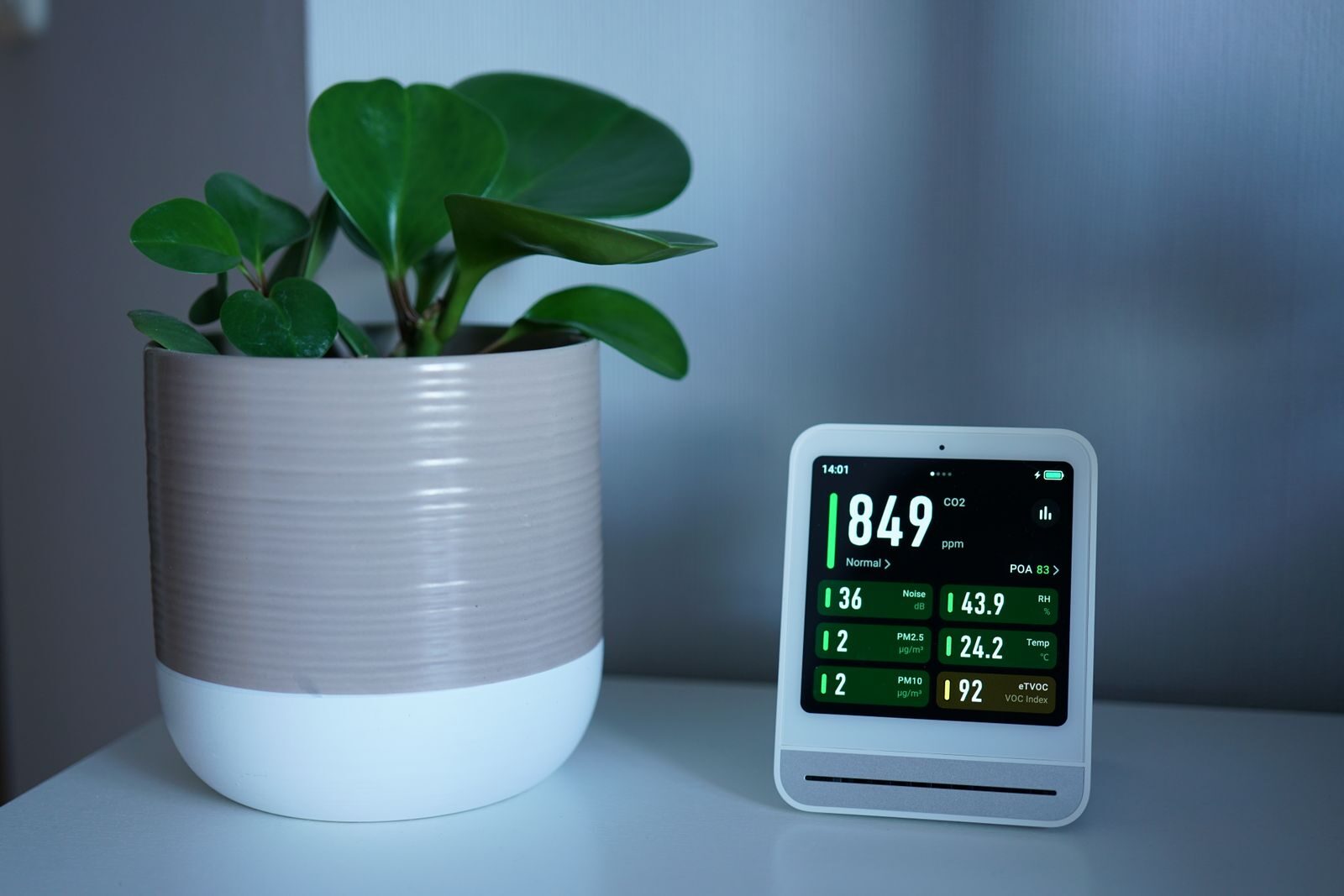
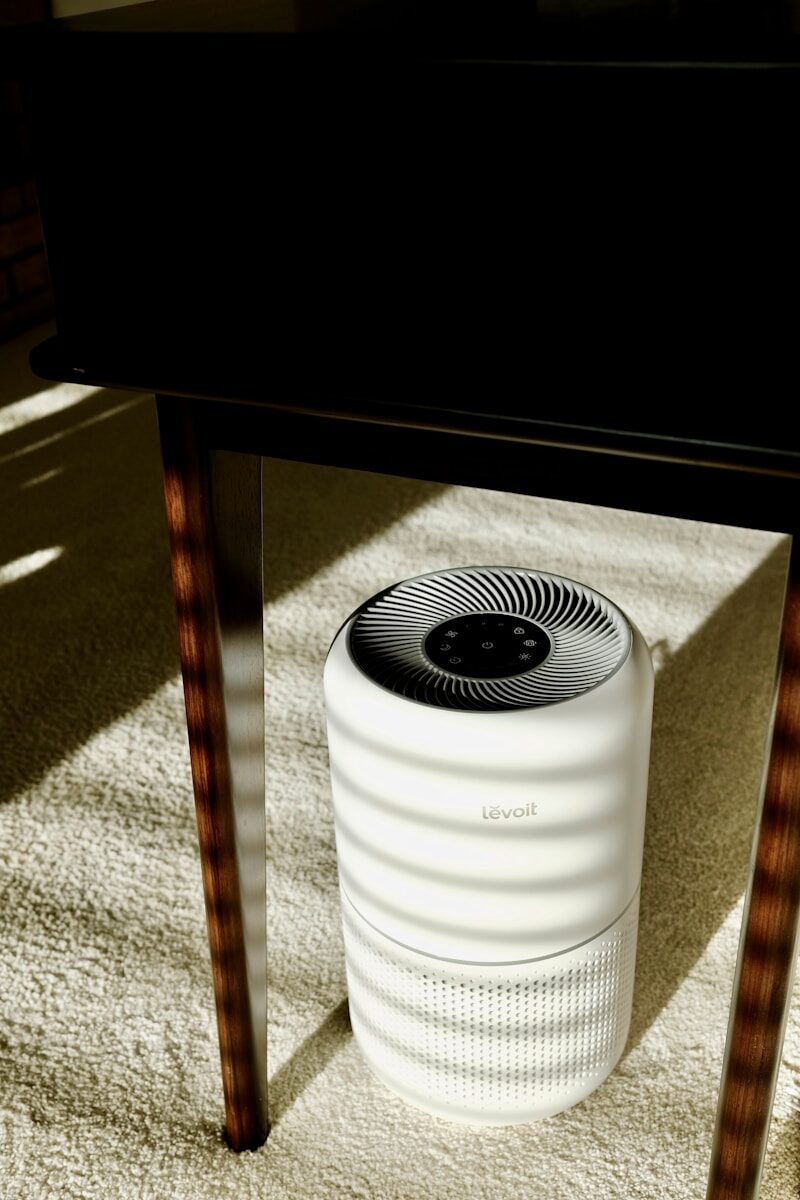
An activated carbon air purifier can help mop up some of what’s lingering in the air between airings, the same way it helps with new furniture smell, though it’s working on the gas itself, not stopping it at the source. Nothing beats just giving the smell somewhere to go. Air moving through the room does more than anything sealed up and left to sit.
Summary
New carpet smell comes from a specific chemical, 4-phenylcyclohexene, an unintended byproduct of the latex backing used in most carpets, alongside other VOCs like formaldehyde and benzene that can come from adhesives.
You can smell it at extremely low concentrations, so a strong smell doesn’t automatically mean a dangerous exposure. A well-publicised 1987 case at the EPA’s own headquarters led the carpet industry to set a voluntary emissions limit for 4-PCH of 27 micrograms per cubic metre after 14 days.
Green Label Plus is the certification that grew out of that response, a genuine, independently tested standard that covers a wide range of VOCs, making it worth a lot more than a vague “eco” label. For babies, pets, or pregnancy, good ventilation and limiting time in a freshly carpeted room count for more than the word on the packaging, and any specific concern belongs with a doctor.
Ventilation, especially two openings working together, is still the fastest way to clear the smell, with an activated carbon purifier helping in between.
Frequently Asked Questions
What causes new carpet smell?
A compound called 4-phenylcyclohexene, or 4-PCH, an unintended byproduct of the latex backing used in most carpets. Adhesives used during installation can add formaldehyde, benzene, and toluene into the mix too.
How long does new carpet smell last?
The strong smell usually fades within one to two weeks, though low-level off-gassing from carpet materials can continue quietly for longer. Good ventilation speeds this up a lot.
Is new carpet smell toxic or dangerous?
The compounds involved can cause eye, nose, and throat irritation and headaches at higher concentrations. A well-publicised 1987 case at the EPA’s own headquarters led the carpet industry to set a voluntary limit on how much 4-PCH new carpet can emit. Smelling it strongly doesn’t mean a dangerous level, since 4-PCH has an extremely low odour threshold, but ventilating and choosing a certified product are still sensible moves.
What does Green Label Plus mean on a carpet label?
It means the product passed independent, accredited lab testing against a wide range of chemical compounds set by California’s indoor air quality standard, rather than just carrying a vague eco-friendly claim with nothing behind it.
Is new carpet smell safe for babies or pets?
Babies and pets are more sensitive because of their size and how much time they spend close to the floor, so keeping them out of a freshly carpeted room for the first few days and airing it out well are sensible precautions. Symptoms that don’t ease up are worth a conversation with a doctor rather than a guess based on general information.