








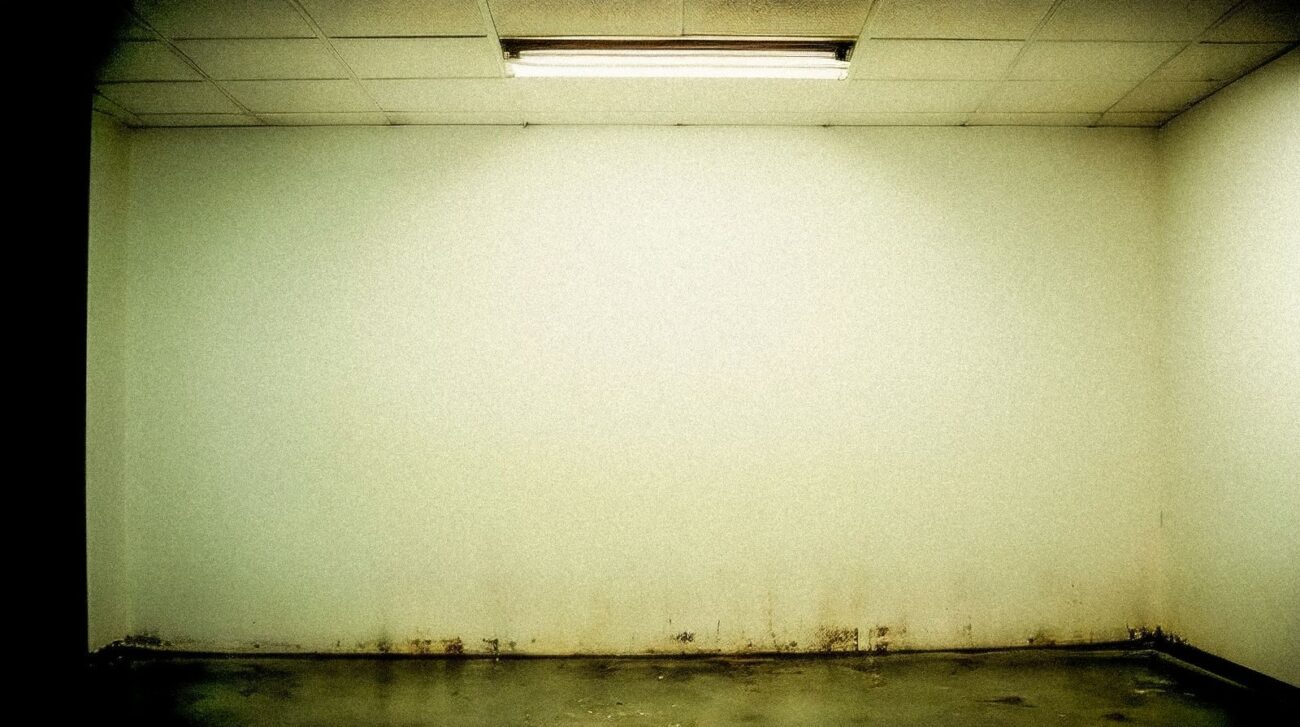
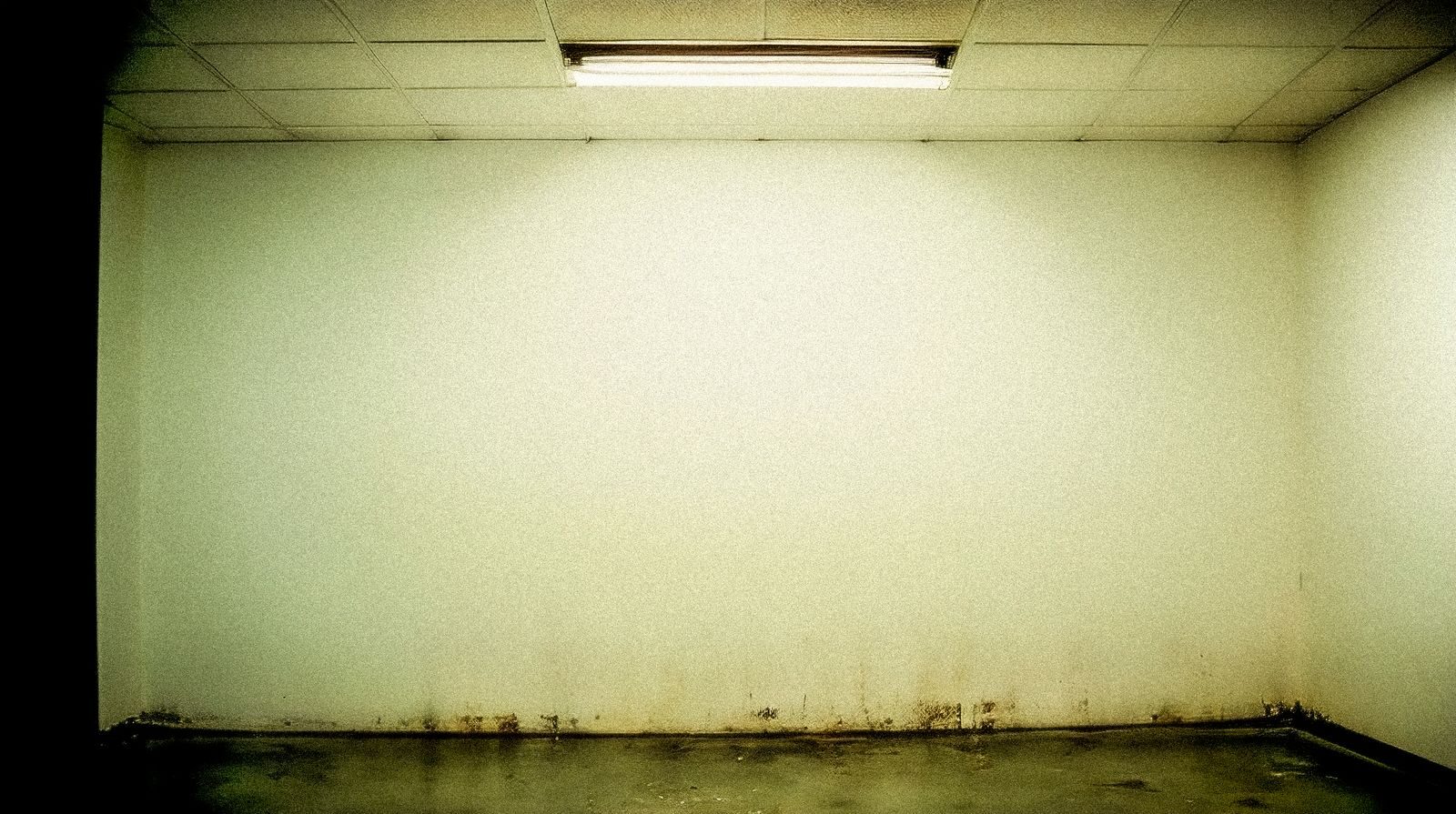
You cleaned it off. Maybe you scrubbed it with bleach. The wall looked fine again. Then a few weeks later it is back, in the same spot. The same corner. The same patch on the ceiling. The same line along the window.
I understand how frustrating that is, and how it can make you feel like you are doing something wrong. You are not. When mould keeps coming back, the cause is almost always damp, not your cleaning. The surface is still getting wet, and that is what feeds it.
I have spent time studying indoor microbes and how they affect the homes we live in, so let me walk you through what is really happening. I will explain why it returns, how to find the real cause, and how to stop it for good.
Why mould keeps coming back?
The first thing to understand takes the blame off you and your cleaning. Mould spores are in the air of every home, all the time. Yours, mine, everyone’s. You cannot remove them, and you do not need to. They are a normal part of indoor air.
Those spores are harmless while they are dry. They only grow into a mould patch when they land on a surface that is wet and stays wet. So mould is really about water, not spores. A spore needs a damp surface to grow. Take the damp away and it cannot grow, even though the spore is still there. Leave the damp, and it grows again.
That is why it comes back. When you clean a patch off, you remove what you can see. But the spores in the air are still around, and they settle on the same spot again. If that spot is still damp, they grow again. The US Environmental Protection Agency puts it simply: if you clean up the mould but do not fix the water problem, the mould will come back.
Same damp spot, same mould, again and again.
Why your cleaning was never the problem?
Many people blame their cleaner. They switch from spray to vinegar to bleach, hoping to find the one that finally works. I would like to save you that effort.
Bleach, vinegar, and mould sprays can remove or kill surface mould. That part usually works fine. The problem is what happens next. The spot is still damp, and fresh spores from the air settle on it and grow again. A cleaner cannot prevent that, because it is gone within a day while the damp is still there the next morning.
Two more points are worth knowing, because they catch people out.
Killing mould is not the same as removing it. Even dead mould can still cause allergies and irritation in some people. So a product that kills it but leaves it on the wall has only done half the job. The mould still needs to come off.
Painting over it does not work either. Mould grows back through the paint, and the paint peels. Covering it hides the patch for a short time, then it returns, often worse. The EPA gives the same advice: do not paint over mould. Clean and dry the surface first.

Find the damp: the spot tells you the cause
Where your mould keeps returning often tells you where the water is coming from. You can use the location as a clue.
Bathroom, shower, or bathroom ceiling.
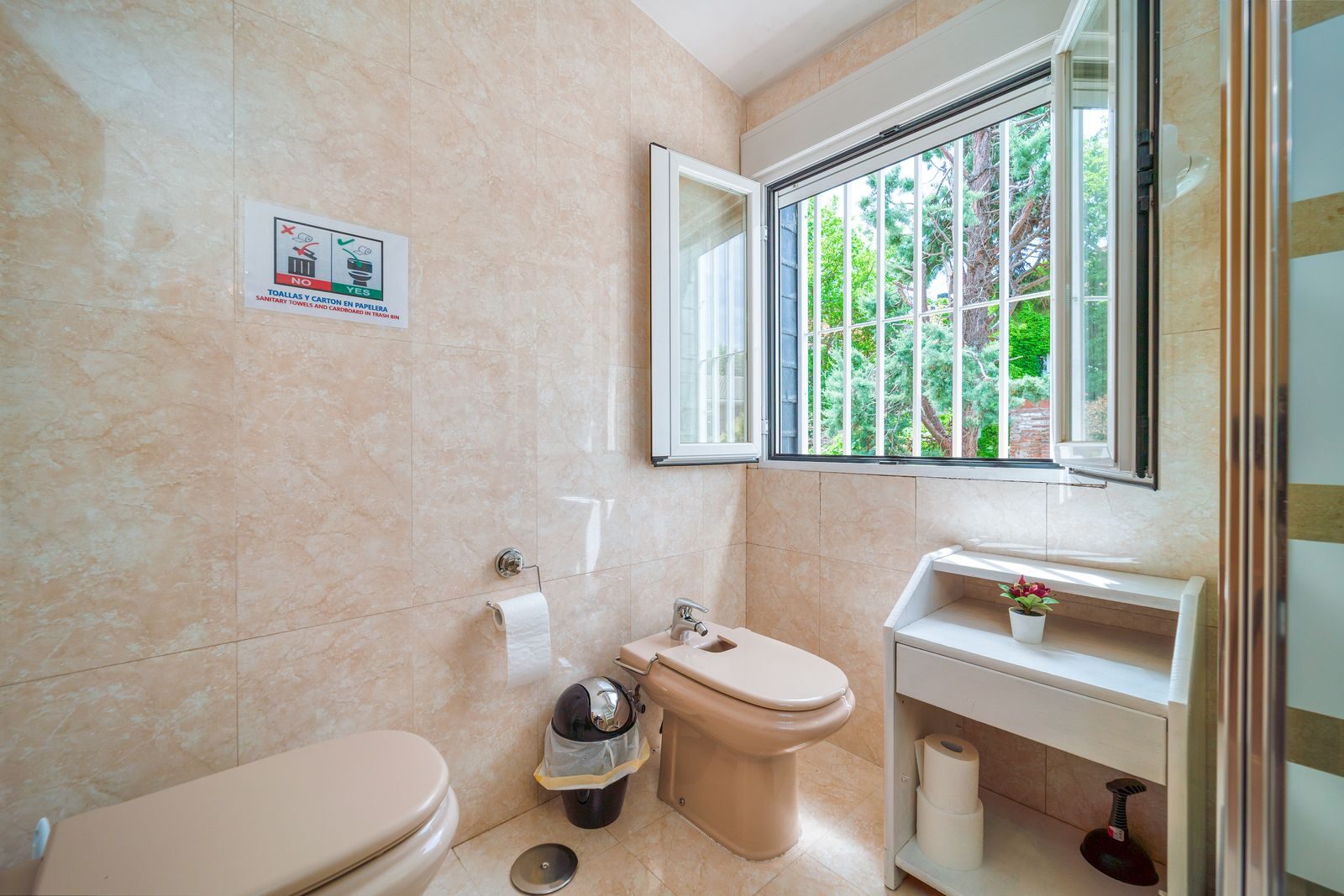
This is steam. Every shower fills the room with warm, wet air that lands on the walls and ceiling. If the room cannot dry out quickly, mould grows. The cause is usually too much moisture and too little airing, often a weak or unused extractor fan, or a window that stays shut.
Bedroom wall, a corner, or behind furniture.
This is condensation on a cold wall. Outside walls and corners are colder than the rest of the room. Warm, damp indoor air touches that cold surface and turns to water. Pushing a wardrobe or bed flat against a cold outside wall makes it worse, because the air cannot move there and the surface stays cold and damp. That is why mould often appears behind furniture.
Windows and window frames.
Condensation again. The glass and frame are the coldest spots in the room, so water collects there first, and mould follows.
A stubborn patch that ignores cleaning.
If one spot keeps returning however much you clean or air the room, the water may be coming from behind the surface. It could be a cold bridge, which is a spot where the wall is always colder than the rest. It could be a slow leak from a roof, gutter, or pipe. Or it could be rising damp from below. These do not respond to cleaning or airing, because the water is coming from inside or behind the wall.
Washing machine or other appliance.
A washing machine stays wet inside. If the door is shut after every wash, it never dries, and mould grows on the rubber seal. Leaving the door open to dry between washes usually solves it.
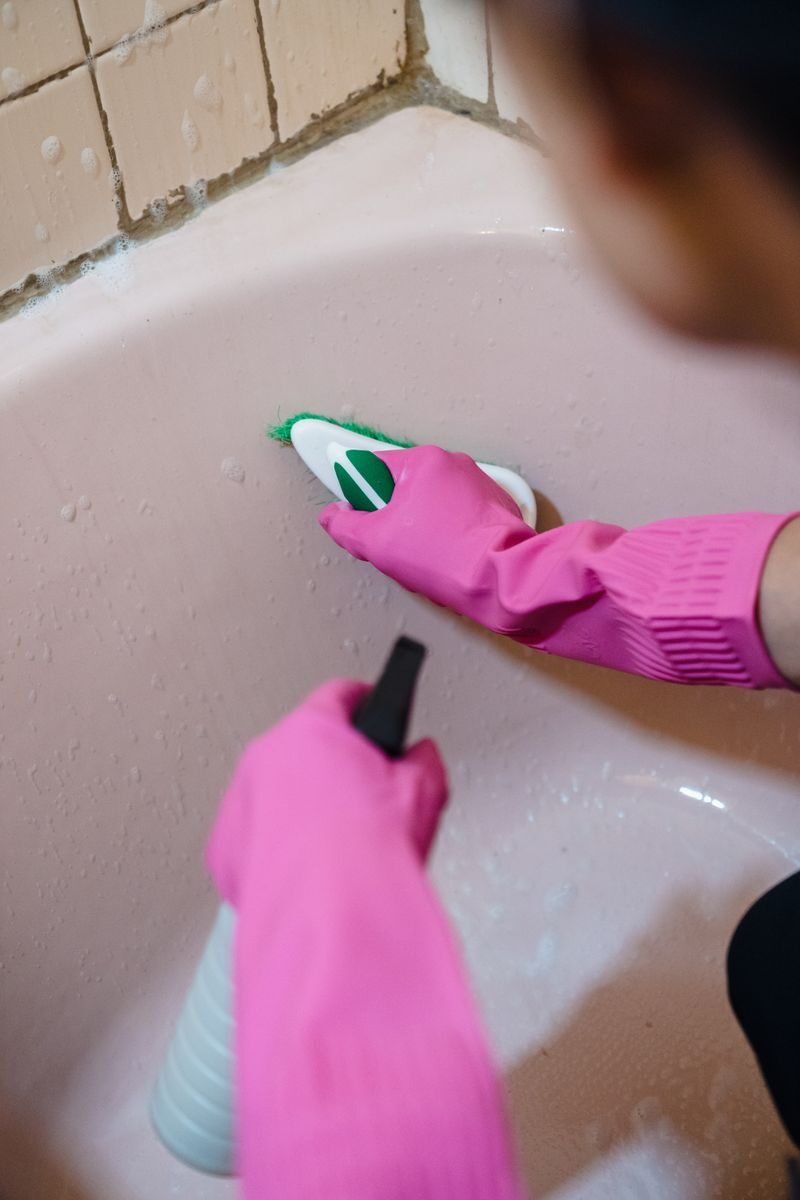
How to stop mould coming back for good
The fix is a sequence, and the order is what makes it work. Many people do step two and skip step one, which is why the mould returns.
Step one: fix the water.
This is the most important step. Find the moisture source using the clues above and deal with it. That means better airing and a working extractor fan for steam. Moving furniture a few centimetres off cold walls so air can flow. Warming up cold surfaces where you can. Repairing the leak, the gutter, or the damp if the cause is in the building. Until the surface stops getting wet, nothing else will last.
Step two: remove the mould properly.
Once the damp is handled, clean the mould off hard surfaces like tiles, glass, and sealed paint, and dry the surface fully. Remember to remove it, not just kill it. For soft or porous things the mould has grown deep into, such as blown plaster, old sealant, or grout that keeps darkening, cleaning may not be enough, and replacing that piece is the real fix.
Step three: keep it dry.
This is how you make it stay gone. Air the room, especially after showers and cooking. Keep indoor humidity on the lower side. Wipe down wet surfaces in the bathroom rather than leaving them to sit. In my own home I keep the bathroom wiped down and dry, and I air it well, because a dry surface is one that mould cannot grow on. That habit does more than any spray.
Do those three in order and the mould has nothing to come back to.
When it is not yours to fix
Sometimes you do everything right and it still returns. If the cause is a building problem, a leaking roof, a failed damp course, rising damp, or a cold bridge built into the wall, no amount of cleaning or airing will stop it. That is a repair job, not a cleaning job.
If you rent, this is worth knowing. Structural damp and the mould it causes are usually the landlord’s responsibility to fix, not yours. Airing the room and wiping surfaces helps, but you can report a recurring damp patch in writing and ask for the cause to be found. You should not be expected to clean the same structural mould forever.
How I would stop it coming back
If it were my wall, here is the order I would follow.
First, I would stop cleaning and start looking. I would work out where the water is coming from, using the spot as the clue: steam, cold-wall condensation, or something behind the surface.
Then I would fix that source before touching the mould again. Better airing, furniture off the cold wall, a working fan, or a repair if the cause is in the building.
Only then would I clean the mould off and dry the surface fully. After that, I would keep the spot dry and aired, and check it from time to time.
Find the water, fix the water, then remove the mould. Done in the other order, you will be cleaning the same patch next month.
Summary
Mould keeps coming back because cleaning removes the patch you can see, but not the moisture that feeds it.
Mould spores are in the air of every home all the time. They are harmless while dry, and only grow where a surface is wet and stays wet. So the real cause is always the damp, not the spore and not your cleaner.
Where the mould keeps returning points to the cause. Bathrooms and showers point to steam and poor airing. Bedroom walls, corners, and spots behind furniture point to condensation on cold outside walls. A stubborn patch that ignores cleaning points to a cold bridge, a leak, or rising damp.
To stop it for good, work in order. Fix the moisture source first. Then remove the mould properly, not just kill it, since dead mould can still cause reactions and needs to come off. Then keep the surface dry and aired.
Do not paint over mould, since it grows back through and the paint peels. And if the cause is a building fault, that is a repair, and for renters it is usually the landlord’s job.
Find the water, fix the water, then remove the mould. That order is the one that keeps it from returning.
The questions people keep asking
Why does mould keep coming back in the same spot?
Because that spot keeps getting damp. Cleaning removes the mould you can see, but spores in the air settle on the same place again, and if it is still wet, they grow again. The spot returns because the moisture there was never fixed.
Why does mould come back after cleaning with bleach?
Bleach can remove or kill the surface mould, but it does nothing about the damp underneath. Once the bleach is gone, the surface is still wet, fresh spores settle, and the mould grows back. Bleach is a clean-up, not a cure for the moisture.
Will mould keep coming back forever?
Only if the damp stays. Mould cannot grow on a dry surface, so once you find and fix the moisture source and keep the spot dry, it stops returning. The mould is not stubborn. The wet surface is.
Does painting over mould stop it?
No. Mould grows back through the paint, and the paint tends to peel. Covering it hides the patch for a short time, then it returns, often worse. Fix the damp and remove the mould first, then paint a dry, clean surface.
Why does mould keep coming back on my bathroom ceiling?
Showers fill the room with warm, wet air that lands on the ceiling, the coldest surface up there. If the room cannot dry out quickly, mould grows. A working extractor fan, an open window, and wiping the moisture away usually stop it.
Is recurring black mould more dangerous than other mould?
All visible indoor mould should be removed and the damp fixed, whatever the colour. The dramatic claims about black mould are often stronger than the evidence, but the practical advice is the same: find the water, remove the mould, keep it dry. If you have health worries, speak to a doctor.
Could recurring mould mean a hidden leak?
Yes. If one patch keeps returning however much you clean or air the room, the water may be coming from behind the surface: a roof or pipe leak, a failed damp course, or rising damp. Those need a repair, not more cleaning.