






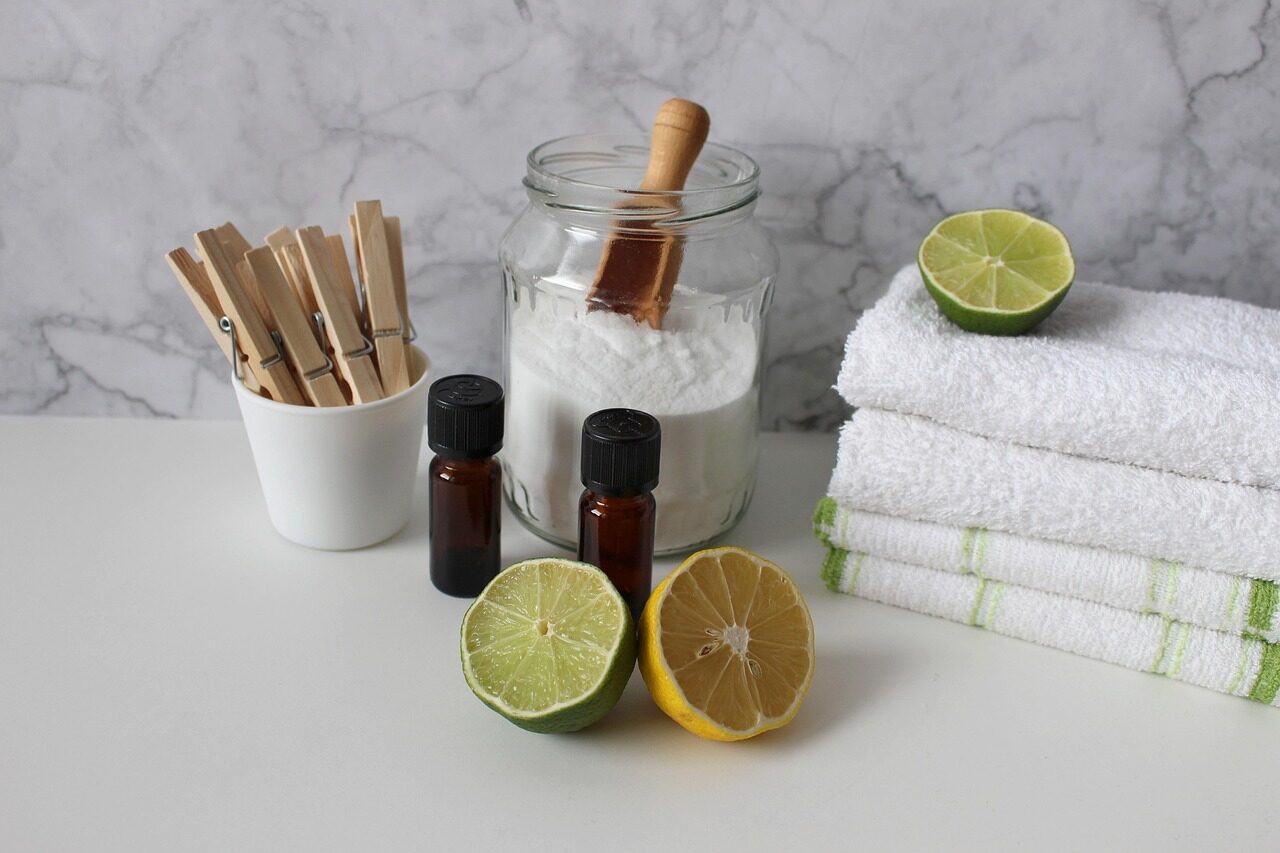
You flip the bottle over, see the word “natural”, and relax a little. Of course you do. That is exactly what the word is there to do. But here is the question nobody on that label wants you to ask.
Natural what?
In what amount?
Safe for whom?
Let me be blunt with you. “Natural” and “non-toxic” are the two most trusted words on a cleaning shelf, and they are the two that mean the least. I am a scientist, and I use cheap natural cleaners in my own home every week. But I never trust the word on the front. I look at the thing the label almost never tells you, and once you see it, you cannot unsee it.
The two words that mean the least
Let me show you how empty these words are.
“Non-toxic” sounds like a promise. It is not. Under the official US rules on green marketing, a company is meant to back a non-toxic claim with real scientific evidence, and to say who or what it is non-toxic for: you, your pets, or the environment. Plenty of products do none of that. They just print the word.
The US Federal Trade Commission’s Green Guides spell this out, and they reveal something even better. The same watchdog does not even define the word “natural”. It looked at the word and chose not to. So “natural” on a cleaning bottle is not a regulated promise of anything. It is a feeling, printed in green ink.
The thing the label hides: the dose
So if the word is not the answer, what is? Here it is, and it is the oldest rule in the science of poisons. The dose makes the poison.
Nothing is toxic or safe just because of where it came from. The amount decides. I studied how substances harm living things and the environment, and this rule runs through all of it. Table salt is natural and you eat it, yet enough of it will kill you.
Water, the most natural thing there is, can poison you in the wrong amount. Meanwhile plenty of lab-made substances are perfectly safe at the levels you really meet in daily life.
So “natural” tells you nothing about safety, because safety was never about natural in the first place. It was always about how much, how concentrated, and how you use it.
How I use natural cleaners at home
Here is how I do it in my own home, and it is not fancy.
I use the cheap, boring staples. White vinegar. Baking soda. They are common because they work, and I trust them more than most bottles with a leaf on the label. But, and this is the part most natural-cleaning advice skips, I use them with the amount in mind, not by random splashes.
That habit comes from my training. I spent time on the measurement side of chemistry, where you learn fast that “a bit of this, a glug of that” is not a method. Concentration changes everything. Vinegar is watered-down acetic acid. On a greasy surface, fine.
Too strong, or on the wrong material, and it eats into stone and irritates skin and lungs. Same bottle, different amount, different result. So I treat my natural cleaners as what they are: real chemicals that work well, used in sensible amounts, on the right surfaces.
Natural does not mean you can drink it
One more thing, because the natural world online loves this trap. Natural does not mean you can put it in your body.
I use natural cleaners on objects and surfaces, not as something to swallow. The internet is full of recipes telling you to drink this or gargle that because it is natural. I do not, and I would tell you not to either, for the same dose reason. Natural and safe-to-swallow are not the same idea.
And it is not just about you. “Natural” can be a real danger to pets. Essential oils are natural, and many of them, tea tree oil included, are toxic to cats, whose bodies cannot break them down the way ours can. So a “natural” cleaner or air spray full of essential oils is not automatically a safe pick in a home with a cat. The word on the front does not know your cat exists.
So how should you judge a cleaning product?
Forget the front of the bottle. Here is what to do instead.
Read the ingredients, not the slogans. A real ingredient list tells you far more than “natural” or “non-toxic” ever will. If a product hides its ingredients behind vague words, that is your answer right there.
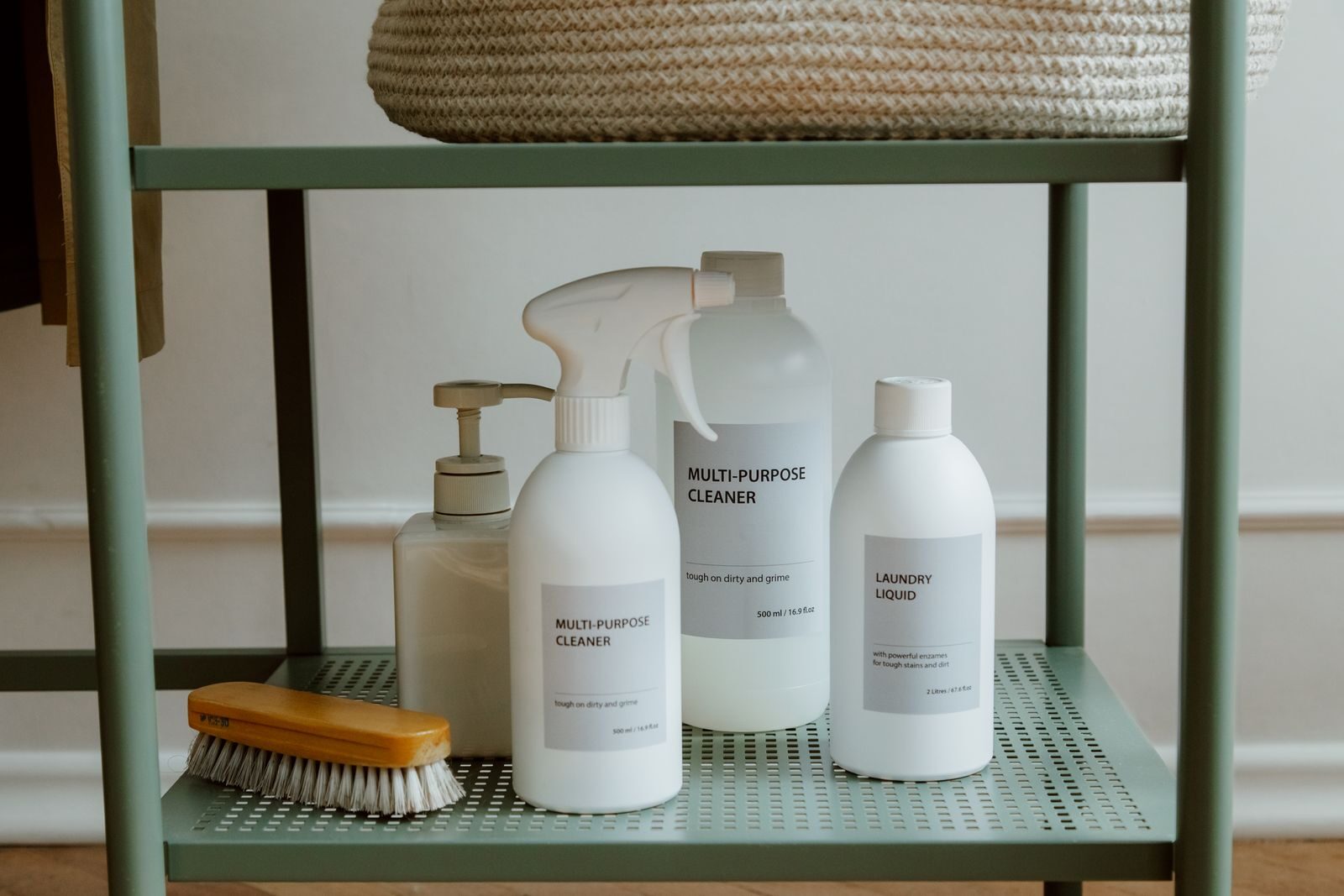
Match the cleaner to the job. Vinegar and baking soda handle a huge amount of everyday cleaning for almost nothing. But know their limits. Vinegar is a weak disinfectant, so it is not the right tool for raw-meat surfaces or a sickroom, where you want a proven disinfectant. Natural does not mean it kills germs.
Mind who else lives there. Pets, babies, and people with breathing conditions change what is safe. Strong fumes and essential-oil-heavy products are worth avoiding around cats and around asthma.
Use sensible amounts. More is not cleaner. The right concentration does the job. A soaked, dripping surface is just wasted product and more residue to wipe up.
Do that, and you do not need the word “natural” on anything. You are judging the product itself, which is the thing the word was distracting you from.
How I would shop for cleaners
If you take one thing from me, take this. Stop buying words and start reading labels.
The word “natural” is not exactly lying to you. It is just not telling you anything. Safe or not safe was always about the substance, the amount, and how you use it.
Vinegar and baking soda will clean most of your home for next to nothing. Keep a proper disinfectant for the few jobs that truly need one. Watch out for essential oils around pets. And ignore the leaf on the label.
That is how a scientist shops for cleaners. Cheap, simple, and based on what is in the bottle, not the word on the front.
Summary
Natural and non-toxic are the two most trusted words on a cleaning label, and also two of the least regulated. The official US green-marketing rules require real evidence behind a non-toxic claim and do not even define the word natural, so neither word is a reliable promise of safety.
What really decides whether something is safe is the dose and concentration, not where it came from, because the oldest rule in the science of poisons is that the dose makes the poison. Cheap natural staples like vinegar and baking soda clean most of a home well, as long as you use sensible amounts and know their limits, such as vinegar being a weak disinfectant.
Natural does not mean safe to swallow, and it does not mean safe for pets, since essential oils like tea tree are toxic to cats. The way to judge a cleaning product is to read its ingredients, match it to the job, mind who shares your home, and use the right amount, rather than trusting a green word on the front.
Questions worth asking
Are natural cleaning products safe?
They can be, but the word natural is not what makes them safe. Safety depends on the substance itself, its concentration, and how you use it. Some natural ingredients are gentle, others can irritate or harm at the wrong dose, so judge the ingredients, not the label.
Does “non-toxic” mean anything on a cleaning label?
Very little on its own. Official green-marketing rules say a non-toxic claim should be backed by evidence and should state who or what it is non-toxic for, but many products just print the word. Treat non-toxic as a question to check, not a promise to trust.
Do natural cleaning products kill bacteria?
Some do, many do not, and natural tells you nothing either way. Vinegar, for example, is a weak disinfectant and is not reliable against dangerous germs. For surfaces that need real disinfection, such as after raw meat, use a product proven to disinfect rather than assuming a natural one works.
Are vinegar and baking soda good cleaners?
Yes, for a huge range of everyday jobs, and they are cheap. Vinegar cuts grease and limescale, and baking soda works as a mild scrub. Just use sensible amounts, keep vinegar off stone and other surfaces it can damage, and remember neither is a strong disinfectant.
Are natural cleaning products safe for cats?
Not automatically. Many essential oils, including tea tree oil, are toxic to cats because their bodies cannot process them well. So a natural cleaner or spray full of essential oils can be risky in a home with cats. Check the ingredients and keep oil-heavy products away from pets.
Are natural cleaning products as effective as regular ones?
For most everyday cleaning, yes. For heavy disinfecting jobs, often no, since many natural options are weaker at killing germs. The smart approach is to use simple natural cleaners for daily work and keep a proven disinfectant for the few tasks that truly need one.