




Enzymes are proteins.
That one fact explains what enzyme cleaners can do, and what they cannot.
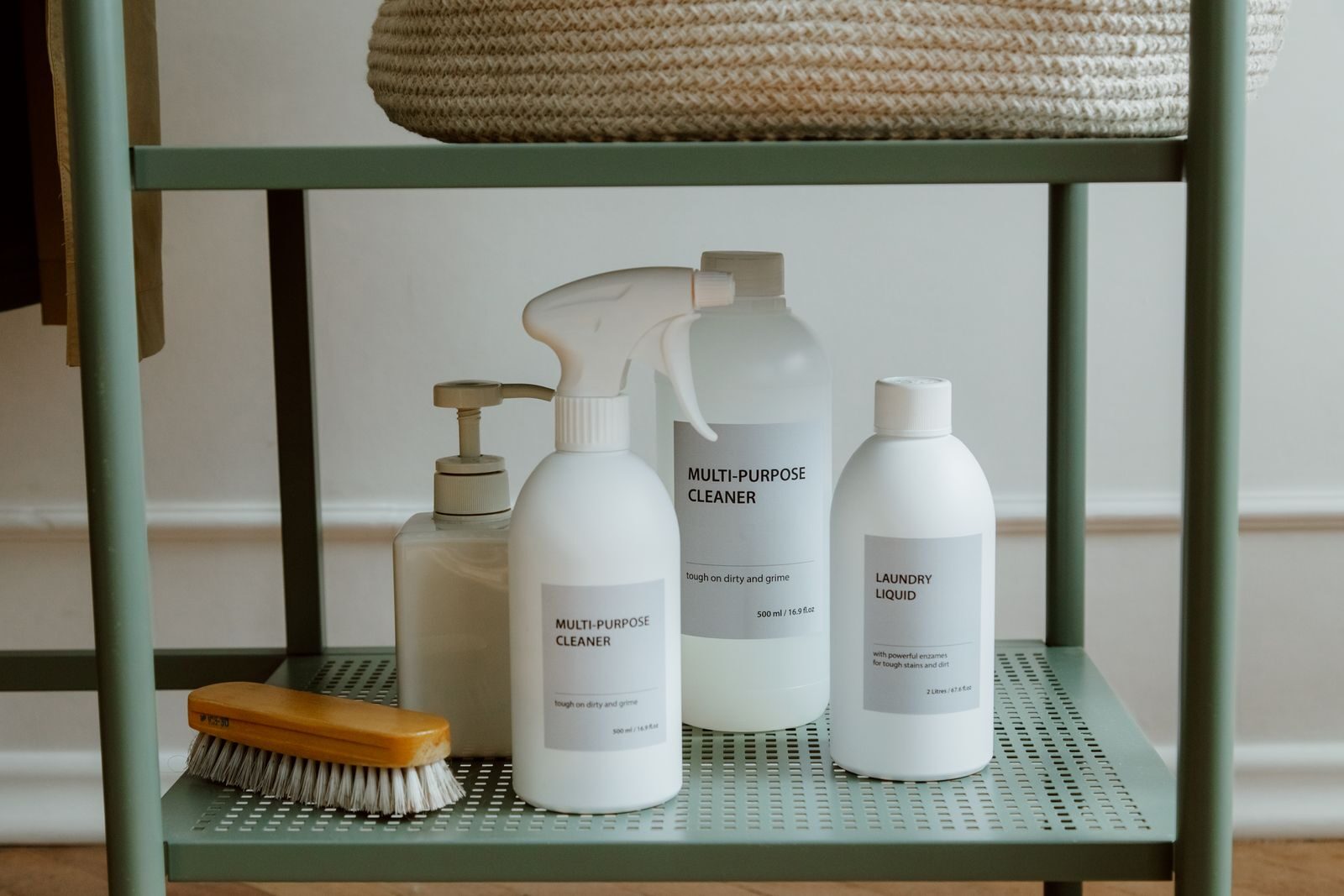
Enzyme cleaners are everywhere now. Laundry liquids, stain removers, kitchen sprays, “bio” this and “bio” that. The labels sound clever, and they promise to eat dirt instead of scrubbing it.
Enzymes were one of the first things we met in my plant biochemistry courses, because every process in a plant runs on them. So I know what they are good at, and I also know their limits. Let me show you where enzyme cleaners make sense, where they do not, and one safety point that most articles skip.
What an enzyme is
An enzyme is a protein that speeds up one particular chemical reaction. It fits its target like a key in a lock. A plant uses enzymes to make sugar from light, and a cleaner uses them to cut dirt into pieces small enough to rinse away.
Because each enzyme fits only one kind of target, there is no all-purpose enzyme. Science in School, a European science teaching magazine, summarises it in an article on which laundry enzymes work best: proteases remove protein stains, lipases break down fatty materials, and amylases remove stains from starch-based food.
| Enzyme | What it breaks down | Messes it suits |
|---|---|---|
| Protease | Proteins | Egg, milk and other protein stains |
| Lipase | Fats and oils | Cooking oil, grease, butter |
| Amylase | Starch | Pasta, potato, porridge, gravy |
| Cellulase | Tiny cotton fibres on the fabric surface | Helps release trapped dirt from cotton |
That table is the whole secret. Spill egg on a shirt and a protease helps. Spill olive oil and you need a lipase. A cleaner with the wrong enzyme for your mess will do very little, which is why one product can seem brilliant on one stain and useless on the next.
The same article shows you can even watch one at work. A lipase breaks fats into fatty acids and glycerine, so the solution becomes slightly more acidic, falling from about pH 7 to about pH 6 in their classroom test. I like that, because it shows an enzyme is a real chemical reaction and not a marketing word.
Why hot water can undo the job
Enzymes are proteins, and proteins fall apart when they get too hot. The Science in School article points out that biological detergents work well at lower temperatures and in quick washes, and that some enzymes are denatured at high temperatures and no longer work.
That surprises many people. They assume hotter is stronger. For an enzyme, hotter can switch it off. If your enzyme product says to use cool or warm water, take that line seriously, and do not pour boiling water on it to speed things up.
The same article notes that enzymes give extra help on stains that are otherwise hard to remove, and that non-biological detergent is preferred in some cases, such as for baby clothes, because biological residue can irritate sensitive skin.
What they do not do
An enzyme that breaks down a protein stain is not killing germs. Those are different jobs. A fact sheet from the University of California San Francisco on reading cleaning and disinfecting labels explains that the EPA requires products labelled as sanitisers or disinfectants to kill the germs the label claims.
So look at the front of the bottle. If it says “disinfects”, it has to prove that. If it only says it removes stains and odours, it makes no germ claim. I covered the same point for other natural ingredients in does vinegar disinfect and hydrogen peroxide for cleaning.
A related product type is the probiotic cleaner, which uses live bacteria instead of enzymes. I went through the evidence in do probiotic cleaners work.
The safety point most articles skip
Enzymes are proteins, and proteins can set off allergies when they are breathed in. This is why EPA’s Safer Choice criteria for enzymes are strict. They accept only liquid enzyme formulations or low-dust granulated ones, to help prevent inhaling airborne enzyme particles. The same document says Safer Choice does not label enzyme-containing products when the delivery system is a spray or aerosol.
There is human data behind the caution. A study of detergent workers who handled liquid enzymes, published in Occupational and Environmental Medicine, found that 15 of 106 tested workers (14.2 percent) were sensitised to at least one enzyme. Those exposed the most reported more itchy nose and sneezing. One worker had clinical occupational asthma, and two others probable occupational rhinitis. The authors concluded that workers exposed to liquid detergent enzymes are at risk of sensitisation and respiratory allergy.
To be fair, these were factory workers handling concentrated enzymes all day. That is very different from a home user pouring detergent into a washing machine. I did not find a study showing harm from normal household use, and I do not want to frighten anyone. But EPA’s decision about sprays tells me where the sensible caution lies.
So my view is this. Soak and pour rather than spray where you can. Avoid creating a mist. And if anyone in your home has asthma or allergies, be more careful with spray products, and read my notes on other ingredients in cleaning products and indoor air.
Can you mix enzyme cleaner with bleach or vinegar?
This is one of the most common questions, and my answer is no, use them one at a time. For bleach, the CDC is clear: never mix bleach with ammonia or any other cleaner. As a biochemist, I would also expect a strong oxidiser like bleach to damage a protein enzyme, so mixing them would waste both.
For vinegar, I did not find a source that tests it with enzyme cleaners. Enzymes work best within a range of acidity, so I would not pour them together. If you want to use both, use one, rinse well, and then use the other. That is my own caution, not a tested rule.
Are enzyme cleaners safe for drains and septic tanks?
I would be careful here, because the best source I found is not encouraging. The EPA fact sheet on septic tank additives says additives are not recommended for domestic wastewater treatment, because onsite systems already contain the bacteria, enzymes, yeasts, fungi and microorganisms needed to work properly.
EPA also says some biological additives can reduce scum and sludge, but that the makers’ claims may have only limited third-party research behind them, and that some additives may interfere with the breakdown of waste or contribute to clogging.
What about a blocked drain? I did not find a government or university test of an enzyme product clearing a blocked pipe, so I would not count on one to do it. If a drain is slow, I would call a plumber, and if you have a septic tank, I would check with your local health or environmental department before adding anything.
Do enzyme cleaners work on pet urine and other smells?
People ask about cat urine, dog urine, mattresses and carpets more than anything else. I did not find a controlled test of enzyme cleaners on pet urine that I could cite, so I will give you my reasoning from the enzyme chemistry above.
An enzyme only works on the kind of mess it matches, and it can only act on what it touches. So blot up as much as you can first, check that the label names the enzymes, and give it time to sit while it is still damp.
The surface makes a difference too. For wood, leather, a mattress or concrete, I would check the care instructions of the surface itself and test a small hidden spot first. I do not have a source that says which surfaces are safe, so I would not guess.
Why is my enzyme cleaner not working?
Here are the reasons I would check first, all from what we covered above. This is my own list, not a tested one. The enzyme may not match the mess, as the table shows. The water may have been too hot, which can switch an enzyme off.
The product may not have reached the source because the spot was not blotted first. It may not have had time to work. And an old product may have lost activity, since enzymes are proteins, so I would check the date on the label.
What about homemade enzyme cleaners?
Fermented fruit-peel mixtures are sometimes sold as recipes under the name “enzyme cleaner”. I have not tested one, and I have not seen a lab test showing that a home-fermented mix holds enough active enzyme to match the table above, so I would not count on it to remove stains. If your goal is a protein, fat or starch stain, a product that names its enzymes is the safer bet.
Where I think they earn their place
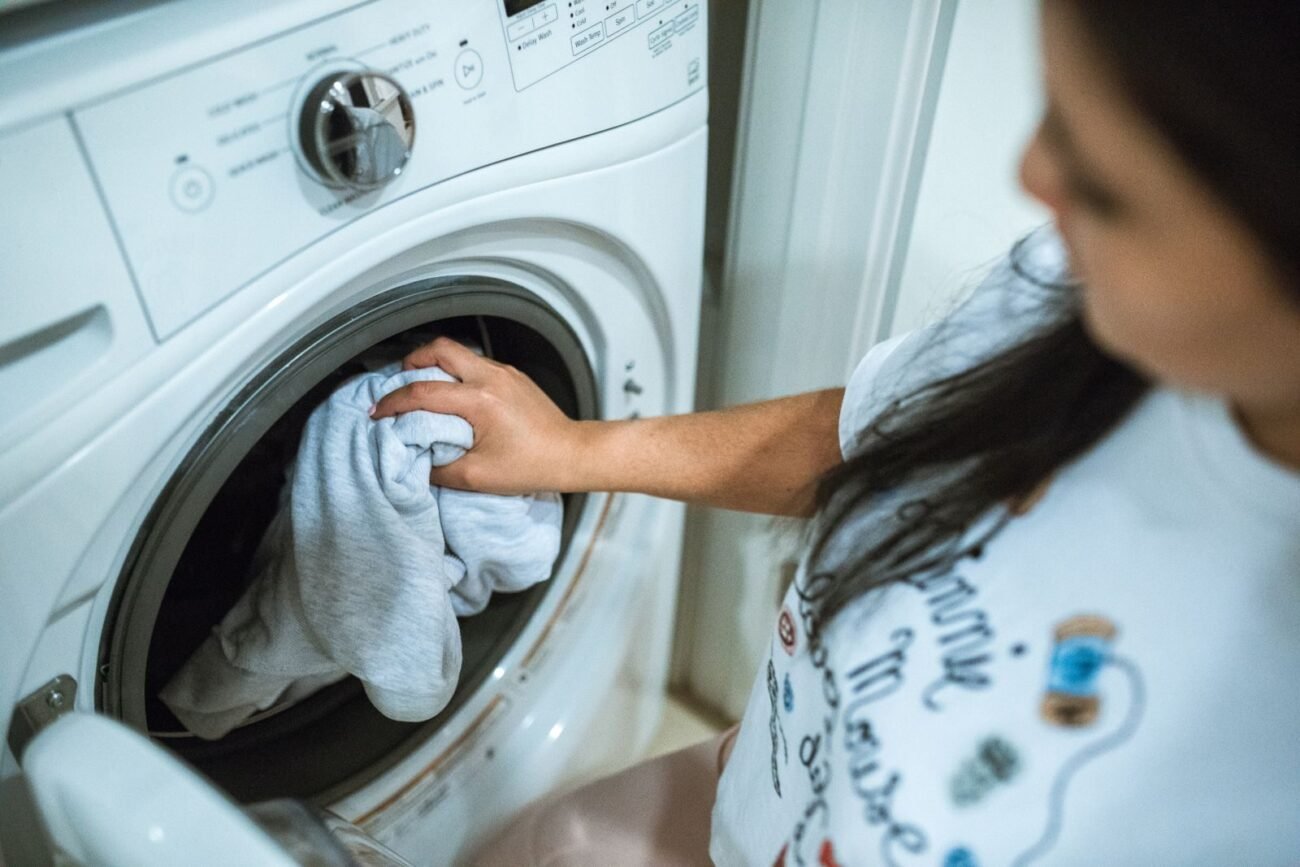
Laundry is the best case. Enzymes break down protein, fat and starch at moderate temperatures, which helps with food stains and saves energy. I explained how the cleaning part of detergents works in what plant-based surfactants do and do plant-based cleaners work.
For other surfaces, the match is what decides the result. If the mess is protein, fat or starch, an enzyme helps. If it is limescale, you need an acid. If it is mould, you need to fix the damp. My Match the Natural Cleaner to the Mess guide sets out which cleaner suits which job.
How I read an enzyme cleaner label
1. Which enzymes does it list?
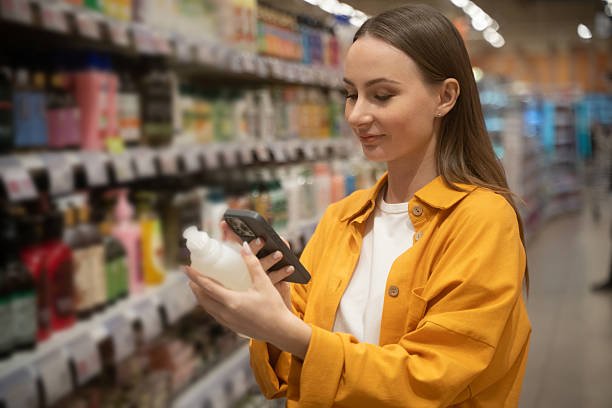
Protease, lipase and amylase tell you what mess it can work on. In my quality control view, a label that names the specific enzymes is more transparent than one that just says “bio-active formula”. EPA’s criteria also require manufacturers to supply the technical names and catalytic activities of their enzymes.
2. What temperature does it say?
Follow it, because heat can inactivate enzymes.
3. Is it a liquid or a spray?
I prefer pouring or soaking.
4. Does it claim to disinfect?
If not, it is a cleaner, not a germ killer.
5. Does the rest of the formula hold up?
I wrote down how I check ingredient lists in my Cleaning Ingredient Safety Guide, and green cleaning certifications explains which logos have real checks behind them.
If you care about what goes down the drain afterwards, see is laundry detergent biodegradable.
Summary
Enzymes are proteins that break down specific messes: proteases for protein, lipases for fat, amylases for starch. They work best at moderate temperatures and can be switched off by heat. They do not disinfect.
EPA’s criteria and a study of detergent workers show that inhaled enzymes can cause allergy, so I prefer liquids poured or soaked to sprays. I would also never mix an enzyme cleaner with bleach, and EPA does not recommend additives for septic systems.
FAQs
Do enzyme cleaners kill bacteria?
No. Enzymes break down stains and residues. Only products labelled as disinfectants have to meet EPA germ-killing claims.
What do enzymes in cleaners break down?
Proteases break down proteins, lipases fats and oils, and amylases starch.
Do enzyme cleaners work in hot water?
Not always. Some enzymes are denatured at high temperatures and stop working, so follow the temperature on the label.
Are enzyme cleaners safe?
Enzymes can cause allergic reactions if inhaled, especially in workers handling concentrated forms. For home use, I prefer liquids poured or soaked to sprays.
Can I mix enzyme cleaner with bleach?
No. The CDC says never to mix bleach with ammonia or any other cleaner, and I would also expect bleach to damage the enzyme.
Can I mix enzyme cleaner with vinegar?
I did not find a source that tests it. I would use them one at a time and rinse between, which is my own caution.
Are enzyme cleaners alive?
No. EPA describes enzymes as nonliving proteins. Probiotic cleaners are different, because they use live bacteria.
Are enzyme cleaners safe for septic tanks?
EPA does not recommend additives for septic systems, because they already contain the bacteria and enzymes they need. I would check with my local health department first.
Can enzyme cleaners unclog drains?
I did not find a government or university test showing that they can, so I would not rely on one. For a blocked drain, I would call a plumber.
Do enzyme cleaners kill mold?
No. Enzymes break down specific messes and make no germ claim. Mould needs the damp fixed, which I explain in why mould keeps coming back.
Do enzyme cleaners work on cat or dog urine?
They can help only if the enzyme matches the mess. I would blot first and let the product sit while damp. I did not find a controlled test to cite.
Can I make enzyme cleaner at home?
I have not tested a home mix and have not seen a lab test showing it holds enough active enzyme, so I would not count on it for stains.
Do enzyme cleaners expire?
I would check the date on the label. Enzymes are proteins and can lose activity over time, so an old bottle may do less.
Why is my enzyme cleaner not working?
I would check whether the enzyme matches the mess, whether the water was too hot, whether I blotted the spot first, and whether it had time to work.
Can I use enzyme cleaner on wood, leather or a mattress?
I do not have a source that says which surfaces are safe, so I would read the care instructions of the surface and test a hidden spot first.
Are enzyme cleaners safe for pets and babies?
The risk I found is inhalation, which is why I prefer pouring to spraying, and the Science in School note on biological residue irritating sensitive skin. I would keep pets and children away while it is wet, and rinse and ventilate.