




Vinegar, salt and dish soap in a spray bottle is the internet’s favourite weed killer.
Here is what it does to the weed, and to your soil.
It sounds so neat. Cheap ingredients from the kitchen, no chemicals with scary names. Then a few weeks later the dandelion is back, and in the spot where you sprayed salt nothing else will grow.
I studied plant biology and soil chemistry, so I look at weed killers from two sides: what happens inside the plant, and what is left in the soil afterwards. Here is what university extension services have found about natural weed killers.
Do natural weed killers work? On young weeds, for a short time. On perennials with deep roots, usually not for good. And none of them can tell a weed from your grass or your flowers.
Why a spray can burn a weed and still lose
Most natural weed killers are contact killers. They burn the leaves they touch. A plant’s roots, though, hold stored energy, and a perennial weed can use it to send up new shoots.
Chip Bubl at Oregon State University Extension says exactly this in his article on vinegar for weed control. The best results are on young plants that have just germinated, and perennials are the hardest to control, since the spray may not reach the roots. He names dandelion, morning glory, horsetail and Canada thistle as the tough ones. Seeds already in the ground are not affected either, so new weeds sprout afterwards.
He also tried a common mix of vinegar, Epsom salts and dish soap on Canada thistle in a pasture. It killed the visible shoots and the grass. In his words, the next year the thistle came back as strong as ever, but the grass did not.
That last sentence is a good summary of the problem. The weed survives and the plants you wanted do not.
Vinegar: the strength changes everything
Kitchen vinegar is about 5 percent acetic acid. Horticultural vinegar is 20 percent, around four times stronger. A 2001 field trial by Cornell Cooperative Extension tested several strengths on a lawn against glyphosate, and the results by strength are good to read.
All the acetic acid treatments browned weeds fast: after 24 hours, control was 95 to 100 percent. But the 5 percent solution gave only short-term control of most perennial weeds. Three sprays of the 20 percent solution reached 81 percent control at 13 weeks, against 95 percent for glyphosate, and quackgrass had regrown in many plots by week nine. Three applications worked much better than one. Oregon State adds that the effects are often better on warm days.
So the quick browning is real. The lasting result is not. If you want to see what vinegar does elsewhere, I covered its cleaning side in does vinegar disinfect and does mixing vinegar and baking soda clean.
A safety point too. Oregon State says to protect your skin and eyes from the strong spray, and Oklahoma State warns that higher-strength acetic acid products can cause serious skin and eye injury, so protective gear is a must. Spraying it on a windy day or next to plants you like is an easy way to lose them.
How long does natural weed killer take to work?
It is fast on the surface and slow to last. In the Cornell trial above, every acetic acid treatment browned the weeds fast, with 95 to 100 percent control after 24 hours. But three sprays of the 20 percent vinegar gave 81 percent control at 13 weeks, and quackgrass had regrown in many plots by week nine.
So the answer to “how long does it last” is weeks, not a season, and longer only if you repeat the spray. Oregon State adds that the best results are on young plants that have just germinated, that effects are often better on warm days, and that seeds already in the ground are not affected. Spray on a calm day, because drift onto plants you like will burn them too.
Will natural weed killer kill my grass and other plants?
Yes, if it touches them. Vinegar and the other contact sprays burn whatever green growth they land on. In the Oregon State thistle test I mention above, the mix killed the grass along with the visible thistle shoots, and the thistle came back while the grass did not.
I found no natural spray that picks weeds out of a lawn. So for weeds in grass, I would pull them young or use a barrier, and keep sprays for paving and bare ground.
Salt and borax: the soil pays
This is the part I feel strongest about. In the University of Illinois Extension article on homemade herbicide considerations, Michelle Wiesbrook says salt destroys soil structure and is mobile, so it can move to nearby areas and harm plants there. Borax, she notes, contains boron that does not break down like conventional herbicides, so repeated use can leave bare patches where nothing grows.
An Oklahoma State extension note on homemade pesticides agrees: salinity can build up over time and create a difficult environment for any plant growth, including the plants you want.
That fits what I learned in soil chemistry. Healthy soil is a living structure of crumbs and pores, and loading it with salt works against that. If you want to understand what living soil looks like, read signs of healthy living soil and how to tell if soil is alive. If your soil has already been damaged, my Fix Your Garden Soil guide is where I start.
My own rule is simple: do not put salt or borax anywhere near soil you want to grow in.
Boiling water and dish soap
Boiling water kills top growth. Illinois Extension adds that it does not reach roots, so perennial and deep taproot weeds will grow back. It is useful for weeds in cracks between paving, where you are not worried about soil.
Dish soap is a common ingredient in these recipes. The Oklahoma State note points out that dish and antibacterial soaps are not evaluated or labelled as pesticides, and their additives can damage plants. It recommends insecticidal soap for insects instead. For what happens to dish soap afterwards, see is dish soap biodegradable.
| Homemade option | What it does | The catch |
|---|---|---|
| Household vinegar (5%) | Burns small leaves it touches | Only short-term control of most perennials |
| Strong horticultural vinegar (20%) | Better control, especially with repeat sprays | Can cause serious skin and eye injury |
| Salt | Kills plants | Builds up in soil and can move to nearby plants |
| Borax | Kills plants | Boron does not break down, so bare patches can last |
| Boiling water | Kills top growth | Deep-rooted weeds grow back |
| Dish soap | Often added to help a spray stick | Not evaluated as a pesticide, and additives can harm plants |
| Corn gluten meal | Stops weed seeds from rooting as they sprout | Does nothing to weeds already growing |
| Baking soda | I found no university source testing it as a weed killer | Unproven |
Is natural weed killer safe for dogs, cats and pets?
I wish I could say yes, but I found no official or university source that sets a pet-safe use for a homemade weed killer. Oklahoma State, in the note I describe above, says home recipes do not come with registered, verified instructions, so there is no tested guidance to follow.
The ingredients above carry their own risks. Strong horticultural vinegar can cause serious skin and eye injury, so I would not want a dog’s nose or paws in it while it is wet. Salt and borax stay in the soil. I found no extension source that says how long to keep pets off a treated area, so I will not give you a number.
As a precaution, I would keep pets away until the spray has dried, and I would read the label of anything I buy. If a pet eats a weed killer, call a vet.
Which natural weed killer kills the roots?
I did not find one that does it reliably. Oregon State says perennial weeds are the hardest to control because the spray may not reach the roots, and Illinois Extension says boiling water does not reach roots, so deep-rooted weeds grow back. Even 20 percent vinegar needed three sprays to get to 81 percent control, and some quackgrass regrew.
What works better is repetition and timing. Spray or cut regrowth again each time it appears, and pull weeds while they are young, before they flower and spread seed, as the UC Master Gardener Program advises.

Weeds in paving cracks, driveways and gravel
This is the place where natural options make the most sense, because you are not worried about soil. Boiling water kills the top growth of weeds in cracks between paving, as Illinois Extension notes, though deep-rooted weeds can return. Vinegar works best on small young weeds, with the gloves and eye protection I mention above.
I would keep salt out of the cracks. Illinois Extension says salt is mobile and can move to nearby areas, so it can harm the lawn or beds next to your driveway or patio. I found no university test on gravel driveways specifically, so I cannot say which method lasts longest there.
Corn gluten meal: a way to stop weeds before they start
Corn gluten meal is the one natural option that works on a different principle. Iowa State University Extension describes it as a pre-emergent that acts on seeds as they sprout, and says it only controls germinating seeds and has no effect on weeds that are already established.
For lawns, Iowa State advises applying it in mid-March to early April, at least three to five weeks before crabgrass seeds germinate. It says results may not be obvious after one season, heavy rain after spreading can reduce the effect, and it contains about 10 percent nitrogen, so it also acts as a slow-release fertiliser. For what nitrogen numbers on a bag mean, see how to read NPK labels.
Baking soda, bleach, Epsom salt and essential oils: what about the other recipes?
I looked for university sources on each. For baking soda, I found none that tests it as a weed killer, so I cannot back it up. Bleach is not a natural product, and I found no extension source recommending it, so I would leave it out.
Epsom salt shows up in the Oregon State test I describe above, where a mix of vinegar, Epsom salts and dish soap killed visible thistle shoots and the grass, and the thistle returned. I found no official or university test of clove, cinnamon or other essential oil sprays as weed killers, so I cannot back those up.
I will not give you a recipe ratio. The extension sources test vinegar strengths and warn that homemade mixes come without labels showing rates or safety, and I found no source that tests a specific home recipe.
The label problem
One more point, and it is one I take seriously from my background in quality control. Illinois Extension notes that homemade products do not come with labels giving safety or rate information, though they can still be hazardous. A registered product carries directions on how much, how often, and how to protect yourself and others.
Oklahoma State adds that home recipes do not come with a set of registered, verified instructions. Its advice is to identify the weed first, decide whether control is needed, and choose a product labelled for that weed and site. For gardeners who want organic options, it suggests looking for OMRI-listed products.
What I would do instead
The best natural weed control is the dullest one.
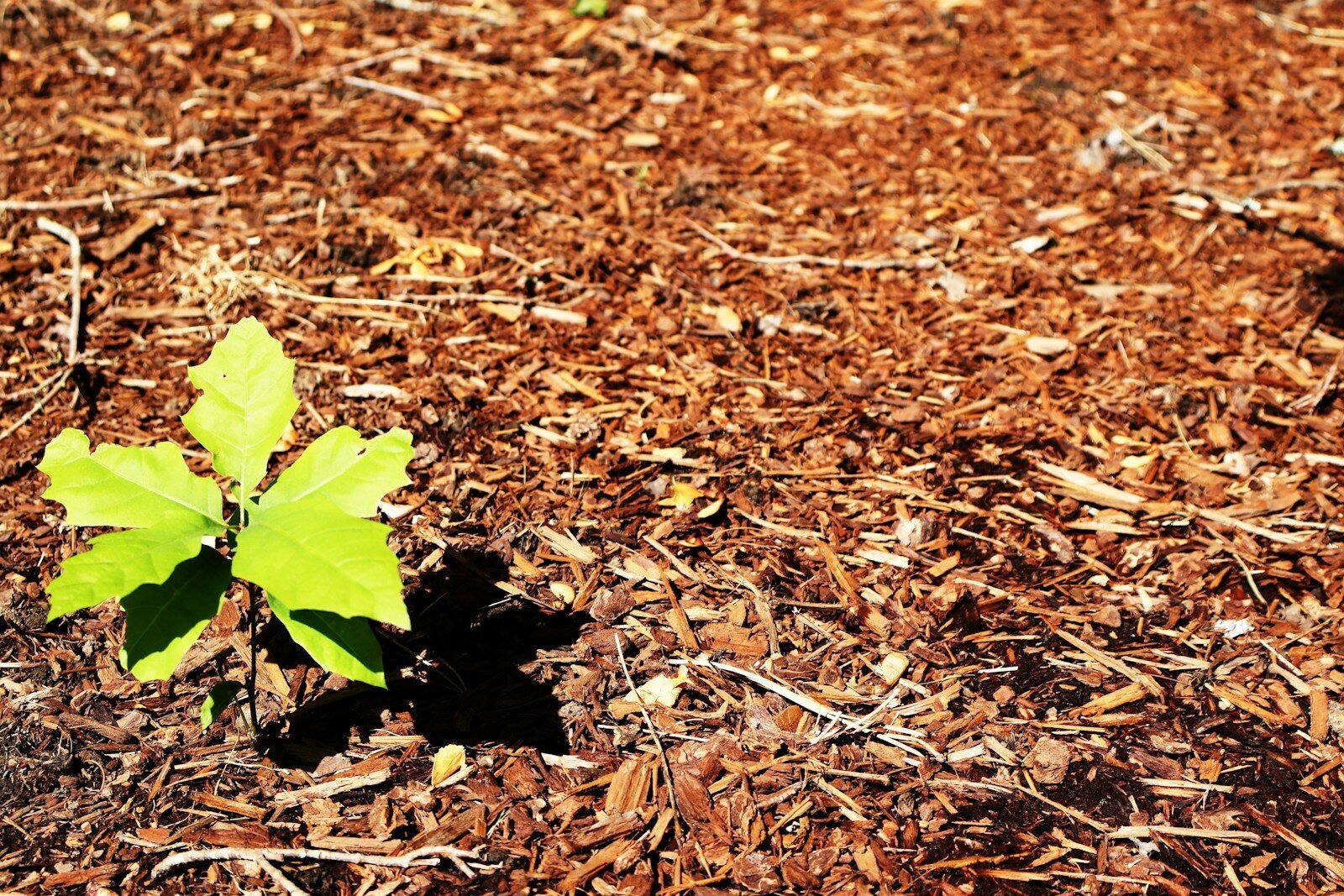
1. Mulch thickly. The UC Master Gardener Program recommends organic mulch 2 to 4 inches deep, thick enough to block light.
2. Pull weeds young. The same page says it is best to remove weeds early, before they flower and spread seed.
3. Use vinegar only on small seedlings, with gloves and eye protection, and expect to repeat it.
4. Keep salt out of beds. Use boiling water for paving cracks if you like.
5. Choose plants that suit your soil. Weeds often fill bare or stressed ground. I look at this in why amend the soil and never amend for natives are both right, and my Home Soil Testing guide helps you know what you are working with.
Summary
Natural weed killers mostly burn leaves. They work best on young seedlings and tend to fail on perennials with deep roots. Strong vinegar browns weeds quickly, but Cornell’s trial found that results over weeks were lower than glyphosate’s. Salt and borax can harm the soil, and homemade mixes come without safety labels. Mulch and pulling weeds young are the methods I trust.
FAQs
Does vinegar kill weeds permanently?
Not usually. It burns leaves but mostly does not control roots of established perennial weeds, so they regrow.
Is horticultural vinegar better than kitchen vinegar?
It works better, but at 20 percent acetic acid it can cause serious skin and eye injury, so protective gear is essential.
Is salt a safe weed killer?
No. Extension sources say salt destroys soil structure, can move to nearby areas and can build up over time.
Does boiling water kill weeds?
It kills top growth. Deep-rooted weeds will grow back.
What is the best natural way to stop weeds?
Mulch 2 to 4 inches deep and pull weeds while they are young, before they flower.
Is natural weed killer safe for dogs and pets?
I found no official or university source that sets a pet-safe use for a homemade weed killer, and Oklahoma State notes that home recipes have no registered, verified instructions. I would keep pets away until a spray has dried, check the label of any product, and call a vet if a pet eats one.
Will natural weed killer kill grass?
Yes, if it touches it. In the Oregon State thistle test, the vinegar mix killed the grass along with the visible shoots. I found no natural spray that removes weeds from a lawn without harming the grass.
How long does natural weed killer take to work?
Vinegar browned weeds within 24 hours in the Cornell trial. Lasting control took repeat sprays, and some quackgrass had regrown by week nine.
What natural weed killer kills the roots?
I did not find one that does it reliably. Perennial roots survive sprays and boiling water, so I repeat treatment on regrowth and pull weeds while they are young.
Does baking soda kill weeds?
I found no university source that tests baking soda as a weed killer, so I cannot say it works. I would use mulch and pulling instead.
Is homemade weed killer better than glyphosate?
In the Cornell trial, three sprays of 20 percent vinegar reached 81 percent control at 13 weeks, against 95 percent for glyphosate. Vinegar browned weeds faster at first. I do not recommend either one, and I would follow the label of whatever you choose.
What is the best natural weed killer?
I do not rank products. The methods I trust most are thick mulch and pulling weeds while they are young. Vinegar is a short-term option for small seedlings.
Do essential oil or clove oil sprays kill weeds?
I found no official or university test of essential oil sprays as weed killers, so I cannot say they work. I would rely on mulch and pulling weeds young instead.
Does natural weed killer kill poison ivy?
I found no university source that tests homemade sprays on poison ivy. It is a perennial, and perennials usually regrow after leaf burn, so I would ask my local extension office before trying anything.
What can I use on weeds between pavers?
Boiling water kills the top growth, as Illinois Extension notes, and vinegar can work on small young weeds. I would keep salt out of the cracks, because it can move to nearby plants.
Does corn gluten meal kill weeds?
Not weeds that are already growing. Iowa State says it only controls germinating seeds, so I would think of it as prevention, applied before the seeds sprout.