




Put the inoculant bag down!
Before you buy a single gram of mycorrhizal fungi, I want you to consider something most product pages will never tell you: there is a very good chance your soil already has them.
Arbuscular fungi are native to almost every garden soil on earth. They do not need to be introduced from a bag nearly as often as the marketing suggests. What they need is a gardener who stops working against them. So let me show you exactly how to do that, because it costs nothing and it works with biology that is very likely already living under your feet.
This is where my own training keeps pulling me back in. My biogeochemistry coursework was built around nutrient cycling in soil systems, and one lesson has stuck with me above the rest: you rarely need to add a biological process to soil. Far more often, you need to stop interrupting one that is already running.
The short answer, before the detail…
Feed it, do not disturb it, and do not drown it in phosphorus. Three habits build a stronger mycorrhizal network than any product on a shelf, and I will walk through each.
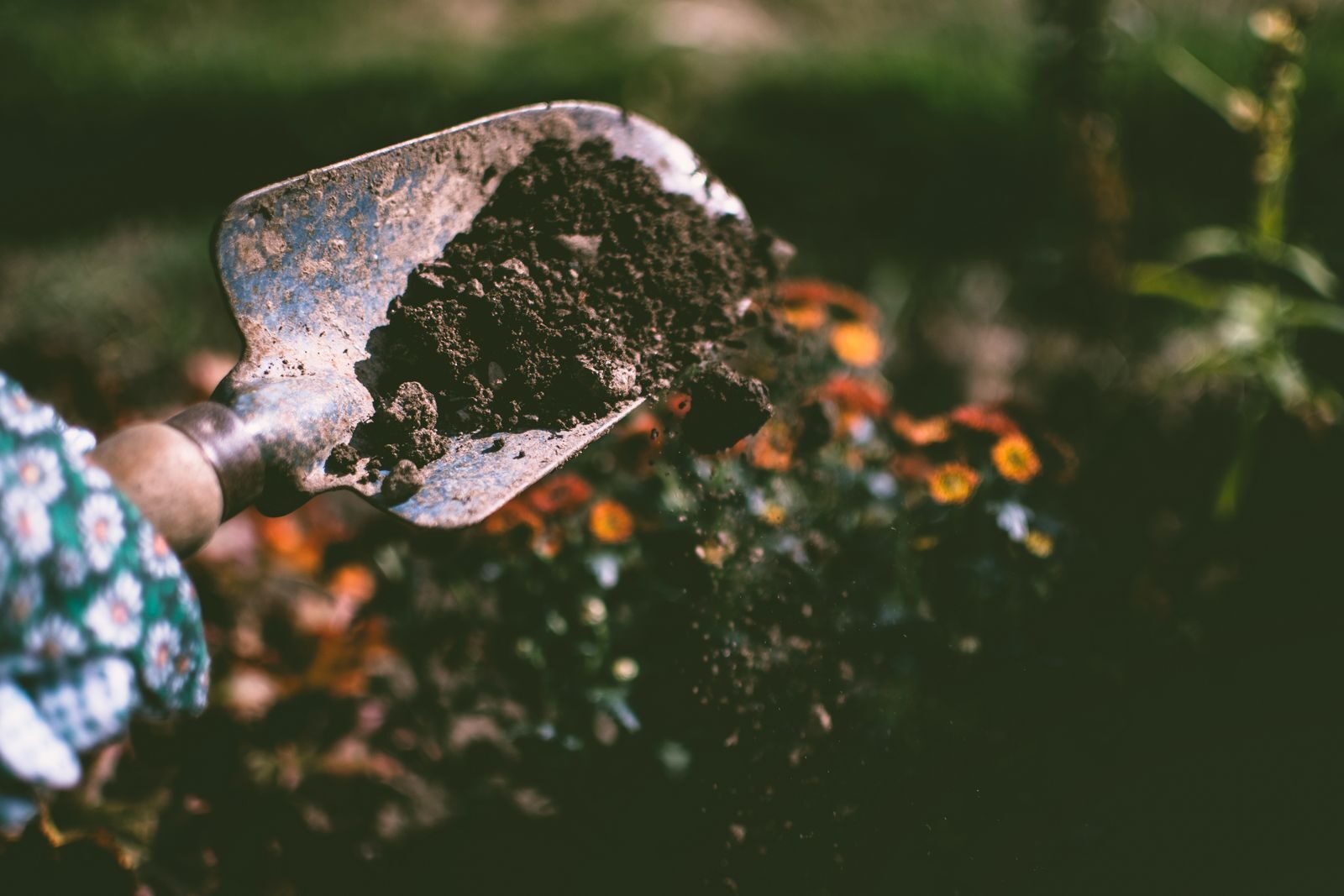
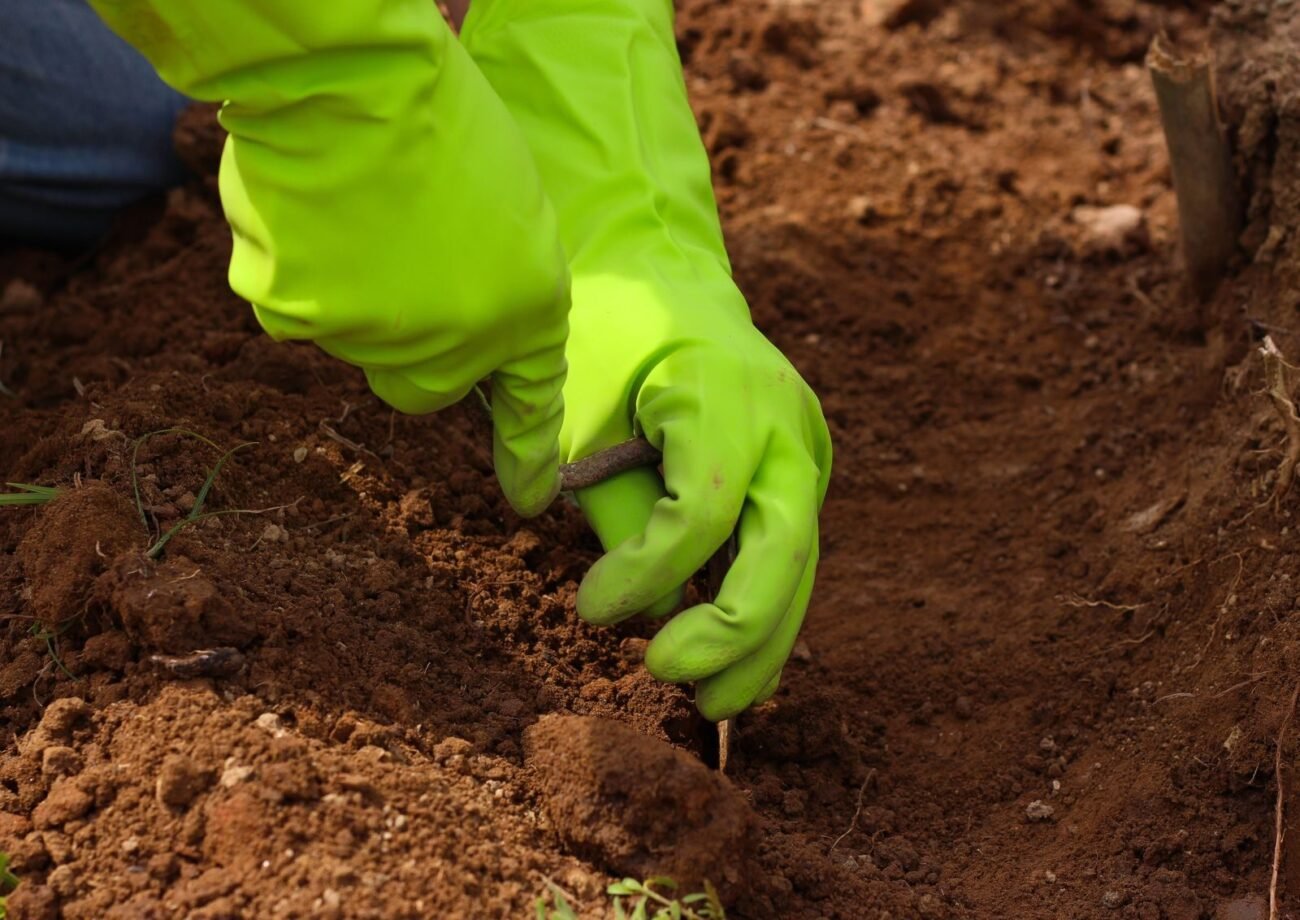
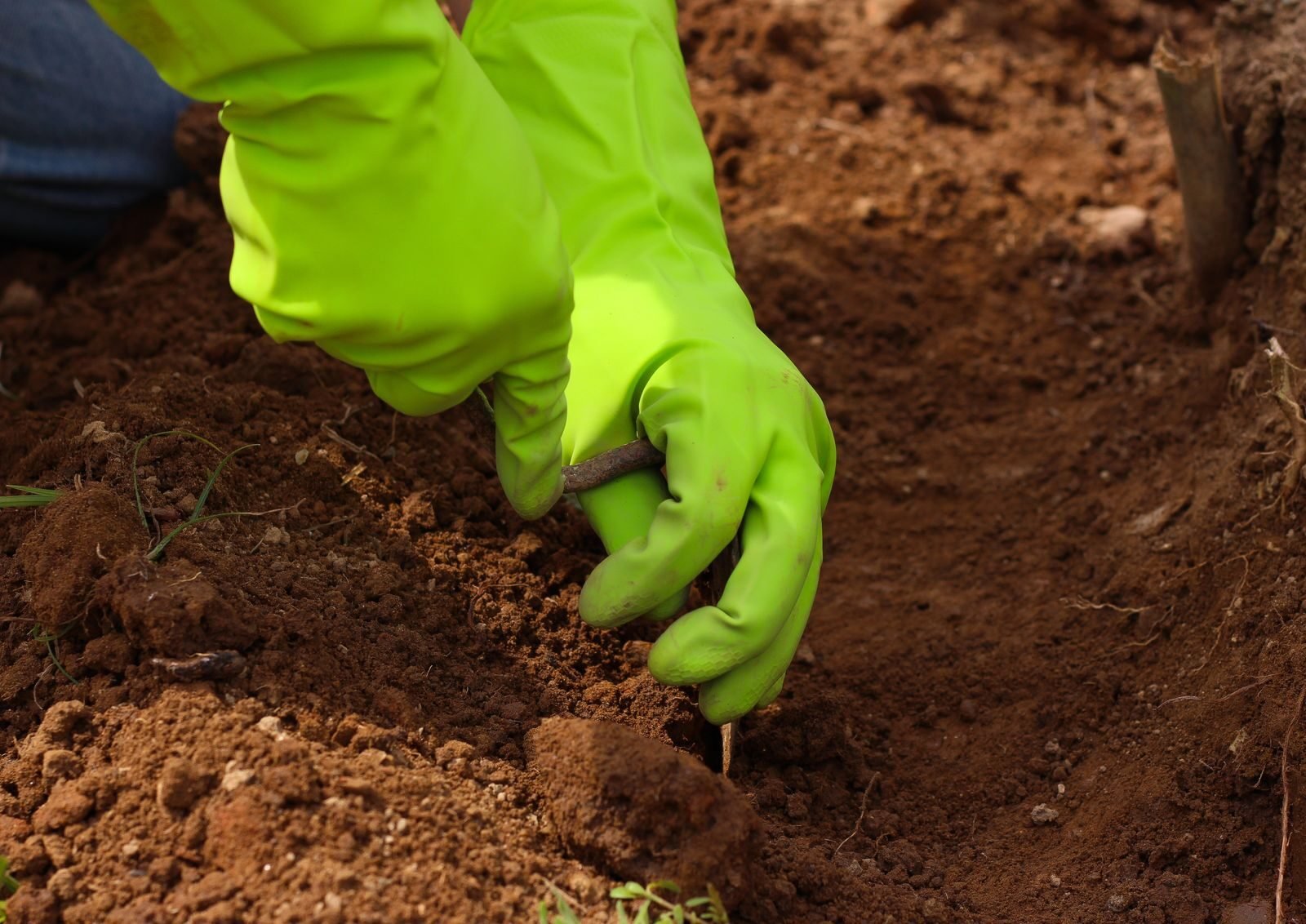
Stop digging so much
Every time you turn soil over, you tear through the fine threads, the hyphae, that a mycorrhizal fungus has spent a season extending out from plant roots. That network is the fungus. Rebuilding it after a dig is not instant, it takes another stretch of undisturbed growth.
A synthesis of tillage research found that reduced or no-till systems consistently support a stronger, more diverse mycorrhizal network than soil that is regularly turned, with disturbance repeatedly linked to a decline in hyphal density and colonisation (Kabir, 2005).
One detail in that research stood out to me specifically. When the plant grown after disturbance was a species that does not form a mycorrhizal partnership at all, like spinach, the digging made no difference to its phosphorus uptake. The effect only showed up in plants that actually rely on the fungus. That is precisely the plant list from the pillar article on this topic, do mycorrhizal inoculant products actually work, and seeing the same list turn up independently in a tillage study is the kind of cross-check I trust.
I think about this the same way I think about a soil respiration chamber. Every time you disturb the plot you are sampling, you change the very process you are trying to measure. Digging into a mycorrhizal network does something similar to the fungus itself.
Keep something living in the ground
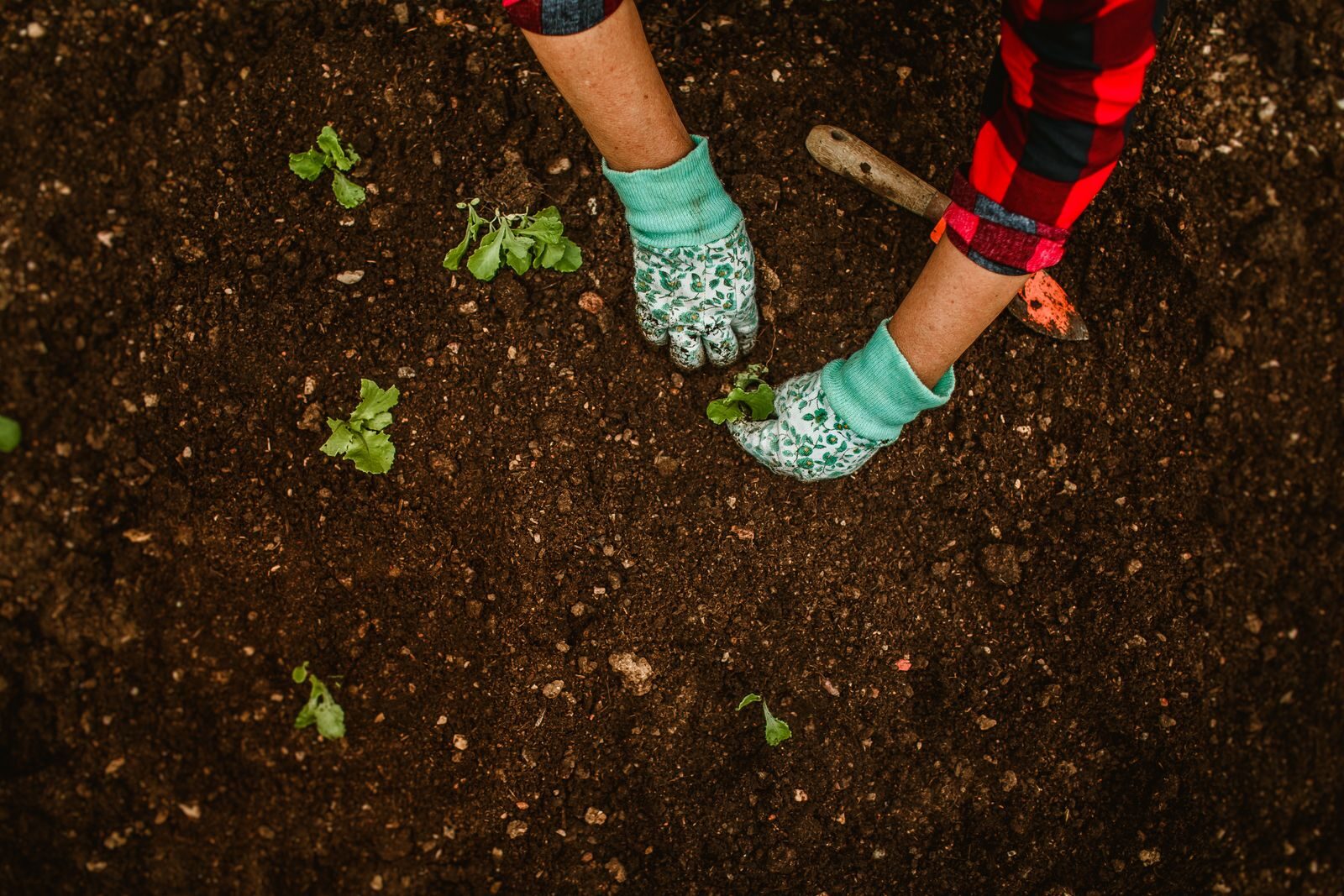
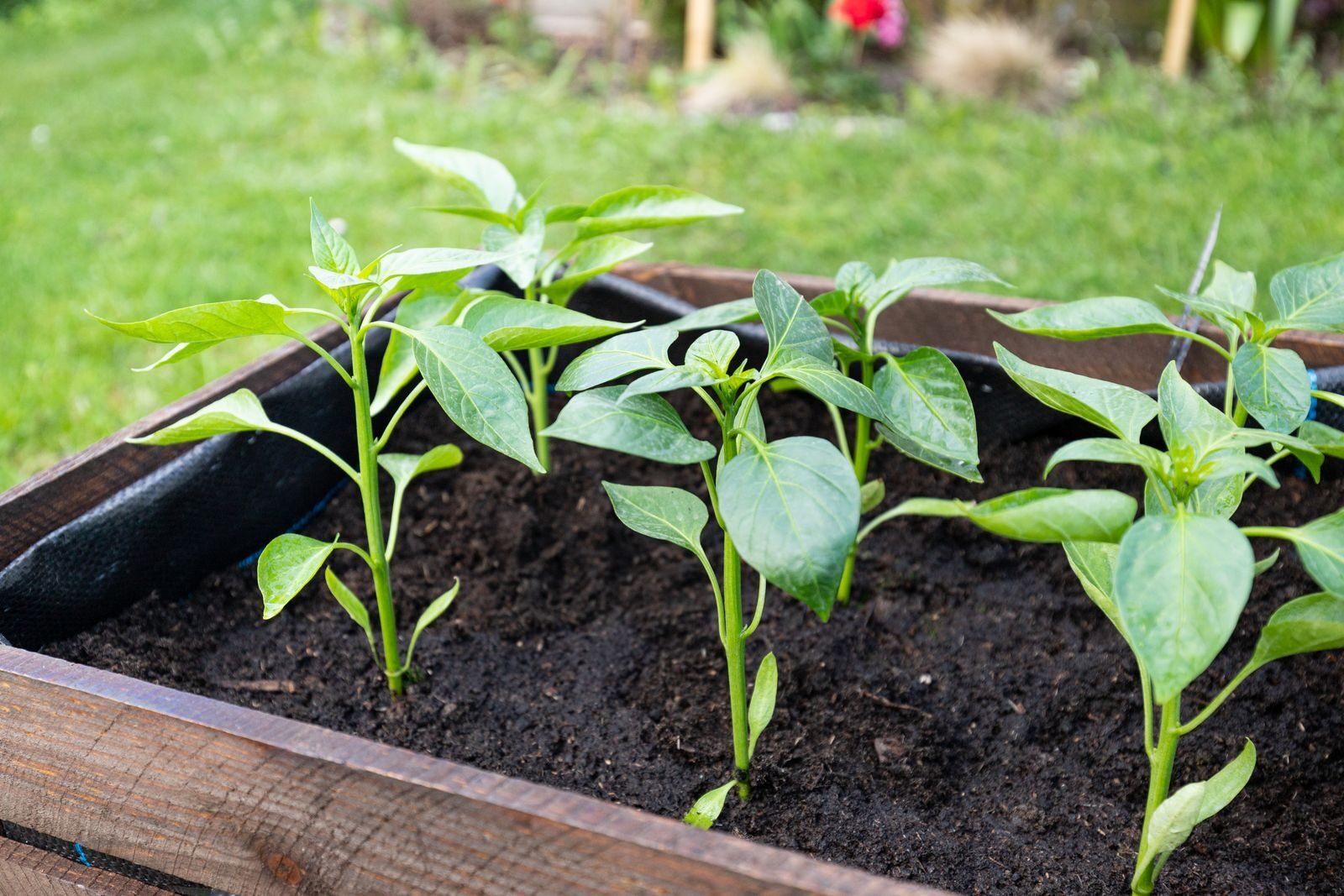
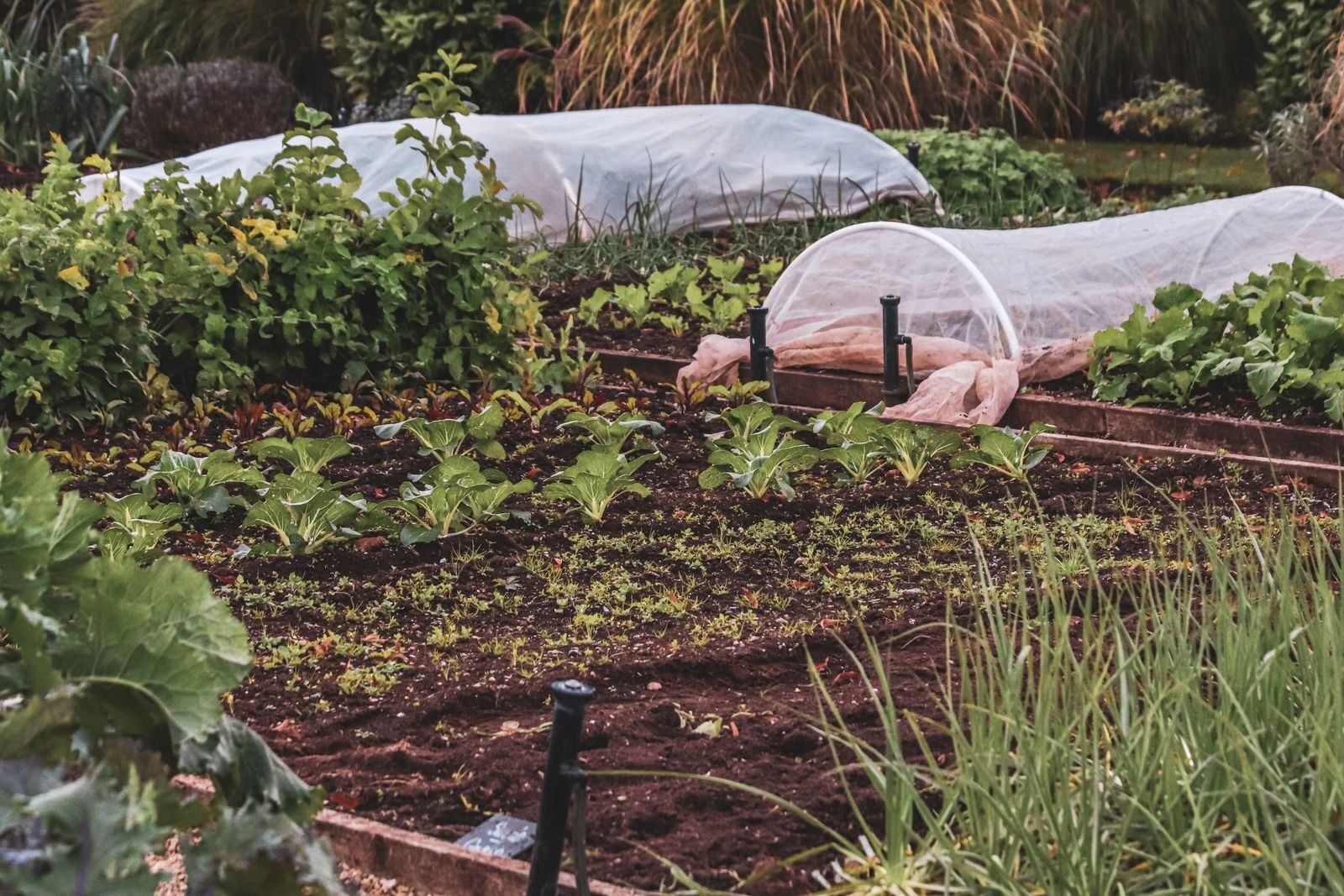
Mycorrhizal fungi cannot survive on bare soil. They need a living root to trade with, since the whole relationship runs on sugar the fungus can only get from a photosynthesising plant. Leave a bed empty for a season and the resident fungal population has nothing to draw on.
Research on fall cover cropping found that keeping a living plant in the ground through the off season, rather than leaving beds fallow, measurably boosted the soil’s arbuscular mycorrhizal fungi, since seasonal fallow is one of the main things that reduces their numbers in the first place (Lehman et al., 2012). A simple cover crop over winter, or overlapping plantings so something is always rooted, does more for your resident fungi than most people expect from something so ordinary.
I see this as the same principle behind the CO₂ efflux work in my own thesis, where soil under actively growing roots consistently showed more biological activity than bare ground. Living roots keep the whole system running, fungi included.
Ease off the phosphorus
I covered this mechanism properly in the previous post in this series, what kills mycorrhizal fungi and why high phosphorus is the quiet culprit, so I will keep it brief here. Available phosphorus that is already easy for a plant to reach removes its incentive to keep paying a fungus in sugar to go find more. If you want to encourage the fungi already in your soil, do not counteract that effort with a heavy phosphorus feed at the same time.
What this means for you
Most gardens do not need a bag of fungi. They need three habits: dig less, keep something rooted through the off season, and stop overfeeding phosphorus. Those three things build a stronger native mycorrhizal network than an inoculant applied to soil still working against it.
If you have been buying products expecting a quick fix, the more effective move is often to change how you treat the soil first, then judge whether a product is even necessary. That is the same conclusion the evidence points to across this whole subject, the soil itself decides far more than anything you add to it.
FAQ
How do I increase mycorrhizal fungi in my soil naturally?
Reduce how often you dig or till, keep a living plant rooted in the bed as much of the year as possible, and avoid heavy phosphorus feeding. These three habits support the fungi already present in most garden soils, without needing to buy an inoculant.
Does tilling kill mycorrhizal fungi?
Not outright, but it tears apart the hyphal network the fungus has built, which sets colonisation back. Research comparing tillage systems consistently finds reduced or no-till soil supports a stronger, more diverse mycorrhizal network than soil that is regularly turned.
Do cover crops help mycorrhizal fungi?
Yes. Mycorrhizal fungi need a living root to trade sugar for nutrients, so leaving soil bare through the off season starves the resident population. Cover cropping keeps a host plant in the ground, which has been shown to measurably boost arbuscular mycorrhizal fungi levels.
Can I add mycorrhizal fungi to an established plant?
Yes, though it works best worked into the soil close to existing roots rather than scattered on the surface, since the fungus needs direct root contact to colonise. It is more effective at planting time, but it is not wasted on established plants, especially once the soil conditions support it.
How long does it take to build up mycorrhizal fungi in soil?
There is no fixed timeline, since it depends on how disturbed the soil has been and how consistently it stays planted, but a season of reduced digging and continuous planting is generally enough to see a measurable difference in colonisation.
SUMMARY
Most garden soil already holds mycorrhizal fungi, and the fastest way to build them up is rarely a product. Reduce tillage, since digging tears apart the hyphal network the fungus depends on.
Keep something living and rooted in the ground through the off season, since the fungus needs a host plant to survive on. And ease off heavy phosphorus feeding, which removes the plant’s incentive to keep the partnership going.
Three habits, no purchase required, and they work with a biology that is very likely already present in your soil.
Recommended: Check how alive your soil is with my free Soil Life Scorecard, two simple checks with a printable log.