



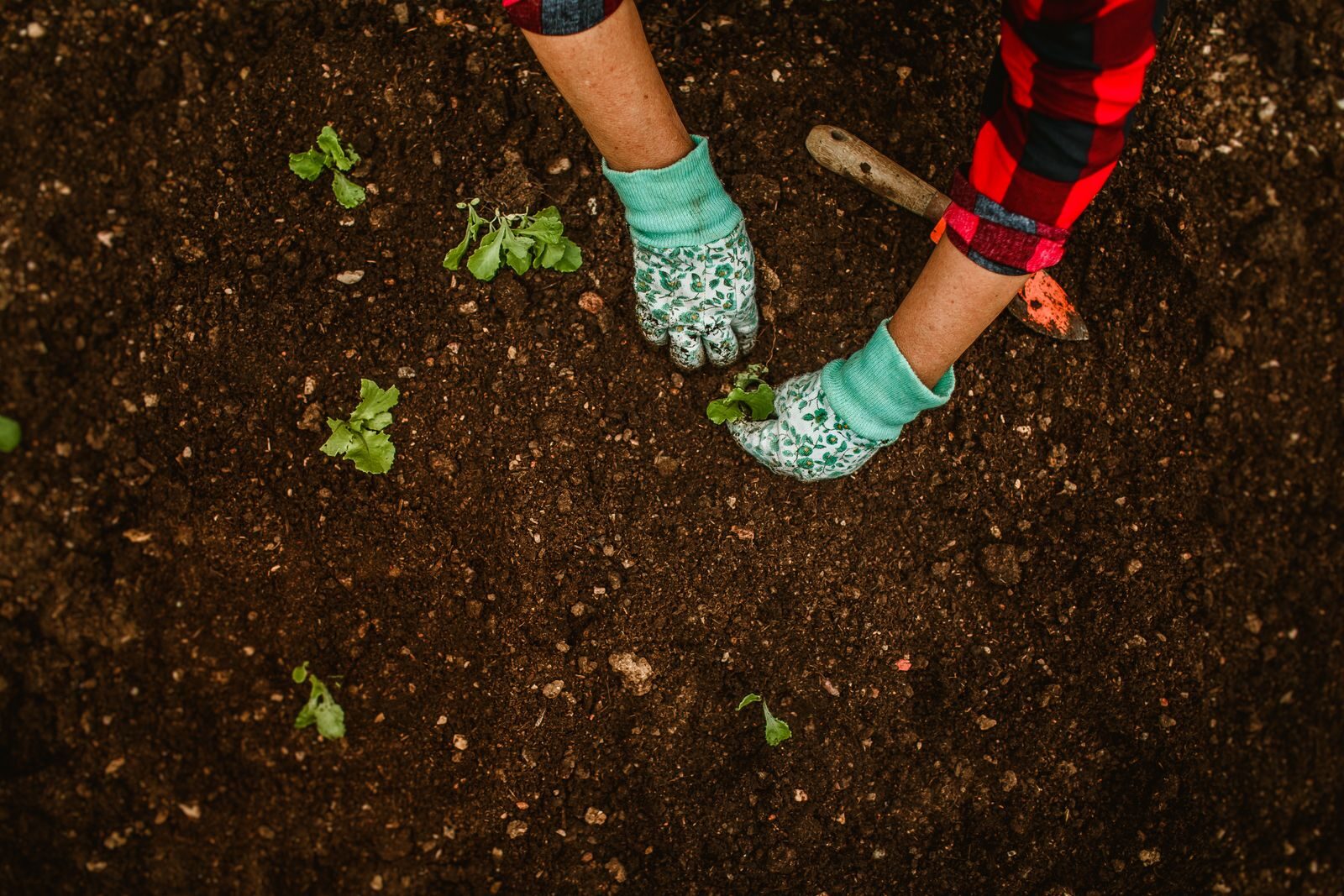


You did everything right.
Good soil, root contact at planting, a product with live propagules.
And still, nothing.
So what kills a mycorrhizal partnership before it even gets going?
Most lists online throw a dozen causes at you and move on. A few of those causes are real and worth a quick mention. But one cause catches far more gardeners than the rest combined, and it is the one nobody expects, because it sounds like a good thing. Too much phosphorus.
I studied nutrient cycling in soil systems as part of my biogeochemistry training, and this is one of those places where the chemistry runs against what feels intuitive.
Let me walk you through the short list first, then the real story.
The short list
A few things damage mycorrhizal networks directly, and I will keep this part brief since the causes are well established.
Fungicides. Anything designed to kill fungi in soil does not distinguish between a plant pathogen and a beneficial mycorrhizal partner. Treated soil sets the network back, sometimes for months.
Heavy tillage. Digging repeatedly through soil shreds the hyphal network, the thread-like structures the fungus extends out from the root. A network built over a season can be torn apart in an afternoon.
Long bare fallow. Mycorrhizal fungi depend on living roots to survive. Leave soil bare and unplanted for an extended stretch and the fungal population declines, since there is nothing left to trade sugars with.
Waterlogging. Fungi need oxygen as much as roots do. Soil that stays saturated suffocates the same network that struggles under drought.
If any of those apply to your soil, that is likely your answer. Here is the one I want to spend the rest of this post on, because I think it explains more failed mycorrhizal projects than everything above put together.
The one nobody expects: too much phosphorus
This is the part that flips the assumption most gardeners start with, and it is grounded in exactly the kind of nutrient economics I studied.
The partnership exists because the plant needs something specific: phosphorus. Roots alone are slow at finding it, since phosphorus barely moves through soil, so the plant pays a fungus in sugar to go get it instead. Sugar for phosphorus. That is the whole deal.
Now think about what happens when the plant already has plenty of phosphorus sitting right there in the soil, easy to reach. It has no reason to keep paying a fungal partner to fetch something it can already take for free. So it stops investing sugar into the relationship, and the partnership shrinks or never properly forms.
A study using Medicago plants found that when phosphate supply was high, fungal attachment to the roots was drastically reduced, and the plant shifted toward taking up phosphorus directly through its own roots instead of through the fungus (Balzergue et al., 2013). The plant stops recruiting help it does not need.
One detail here matters more than most garden articles let on. It is not phosphorus in general that does this. It is specifically the available, soluble form. Soil can hold plenty of total phosphorus sitting in an insoluble form the plant cannot immediately use, and that reserve does not switch the partnership off. Only phosphorus sitting there ready to absorb has this effect, and it shows up in both of the main mycorrhizal types, not just one (LebanonTurf).
I find that distinction is the important one, because it means a soil test showing high total phosphorus is not automatically the culprit. What decides it is how much of that phosphorus is currently available, the same present versus reachable question I keep returning to whenever phosphorus comes up. I went through that mechanism in more depth in why organic phosphorus and potassium do not reach your plants, and the two effects sit right next to each other in the soil.
How much phosphorus is too much
A few situations bring this on more than others.
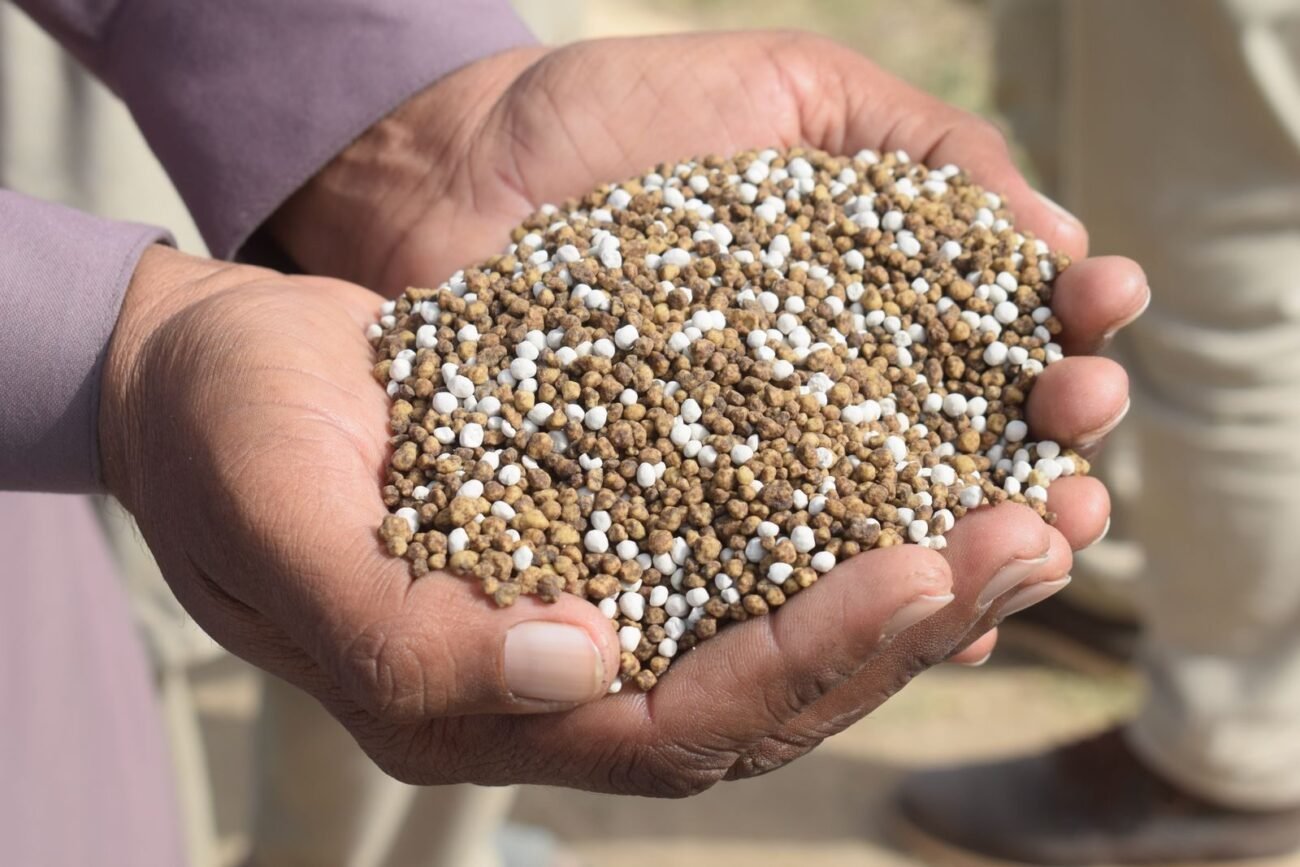
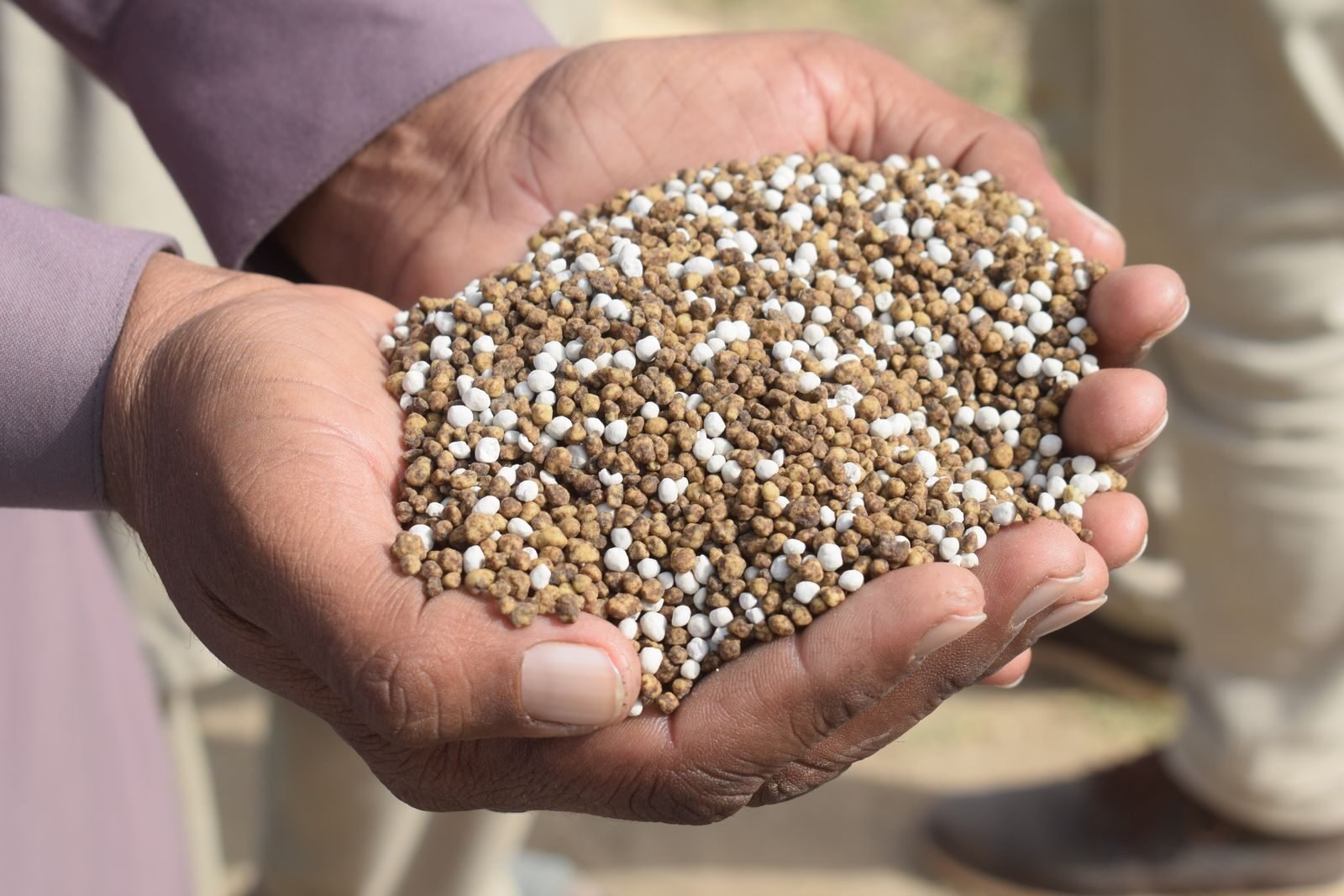
Heavily fertilised vegetable beds, where seasons of feeding have built up available phosphorus well past what the plants are using. Raised beds filled with rich, bought compost or commercial potting mix, since these are often formulated with generous phosphorus to guarantee strong early growth. And soil that has had regular synthetic feeding, since synthetic phosphorus tends to arrive in an immediately available form, exactly the kind that switches the partnership off.
If any of that describes your setup, and an inoculant product never seemed to take, this is likely the reason, not a dead product or a bad application.
What to do instead of feeding more phosphorus
The fix runs backwards from what most people assume.
Stop adding phosphorus and let existing levels draw down.
Growing crops remove phosphorus over a season, so simply not adding more, and letting plants use what is already there, gradually brings available phosphorus back into a range where a mycorrhizal partnership makes sense again.
Reach for phosphate-solubilizing organisms instead of soluble phosphorus.
Certain soil bacteria and fungi convert insoluble phosphate reserves, the large pool sitting inertly in most soils, into forms plants can slowly draw on.
My training in ecotoxicology is where I first got in the habit of asking what a treatment does to the whole system rather than just the target, and this is a case where feeding that background biology, rather than adding more soluble phosphate, keeps availability at a level where mycorrhizal fungi still have a reason to show up.
Test before you inoculate.
A phosphorus soil test tells you whether the investment has a real chance before you spend money on a product. Inoculating a high-phosphorus bed is, on this evidence, close to pouring the product away.
What this means for you
If a mycorrhizal product has ever seemed to do nothing, the soil itself may have been the reason, not the product. A bed fed generously over the years, or a rich bag of bought compost, can carry enough available phosphorus to switch the partnership off before it starts.
The practical takeaway is plain. Before inoculating anything, think about how that soil has been fed. If it has had regular phosphorus rich feeding, easing off and letting the soil draw down first is usually more effective than adding a product on top of conditions working against it from the start.
FAQ
What kills mycorrhizal fungi?
Fungicides, heavy tillage, waterlogging, and long stretches of bare unplanted soil all damage or destroy the network. The most common and least expected cause is high available phosphorus, which makes the plant stop investing in the partnership because it no longer needs the fungus to find phosphorus for it.
Does high phosphorus kill mycorrhizal fungi?
Not directly, but it switches the partnership off. When soluble phosphorus is abundant and easy for the plant to reach on its own, the plant reduces or stops the sugar payments that keep the fungal relationship going, so colonisation drops sharply even though the fungi themselves are not directly harmed.
When should you not use mycorrhizal fungi?
Avoid inoculating soil that has been heavily fertilised with phosphorus, since the partnership is unlikely to establish regardless of product quality. The same caution applies after recent fungicide use, in waterlogged soil, and on plants that do not form mycorrhizal associations at all.
How much phosphorus is too much for mycorrhizal fungi?
There is no single number that applies everywhere, since it depends on soil type and how phosphorus was tested, but heavily and repeatedly fertilised beds, and rich bought compost, are the most common sources of phosphorus levels high enough to suppress the partnership.
What are phosphate solubilizing fungi used for?
They convert insoluble phosphate, which makes up most of the phosphorus in most soils, into forms plants can gradually use. Feeding this biology is a gentler way to support plant phosphorus needs than adding more soluble phosphorus, since it does not flood the soil with the available form that switches mycorrhizal partnerships off.
Summary
Fungicides, heavy tillage, waterlogging, and bare fallow soil all damage mycorrhizal networks, but the cause that catches the most gardeners off guard is high available phosphorus. The whole partnership runs on a trade, sugar for phosphorus, and when phosphorus is already abundant and easy to reach, the plant has no reason to keep paying for it.
This only applies to the soluble, available form, not the much larger insoluble reserve most soils hold. Heavily fed vegetable beds and rich bought compost are the usual sources.
Before inoculating, it is worth knowing how that soil has been fed, since easing off phosphorus and letting levels draw down often does more than any product.