


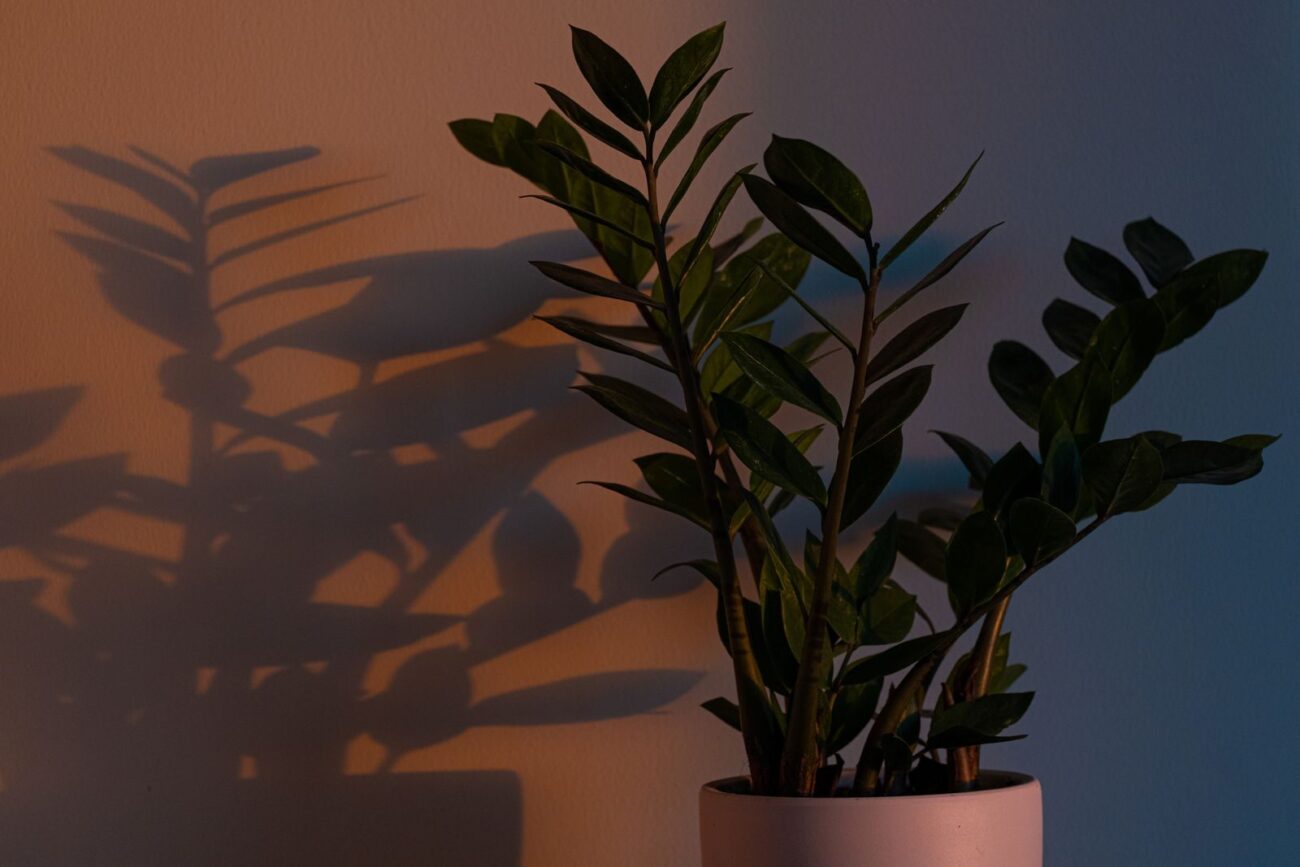
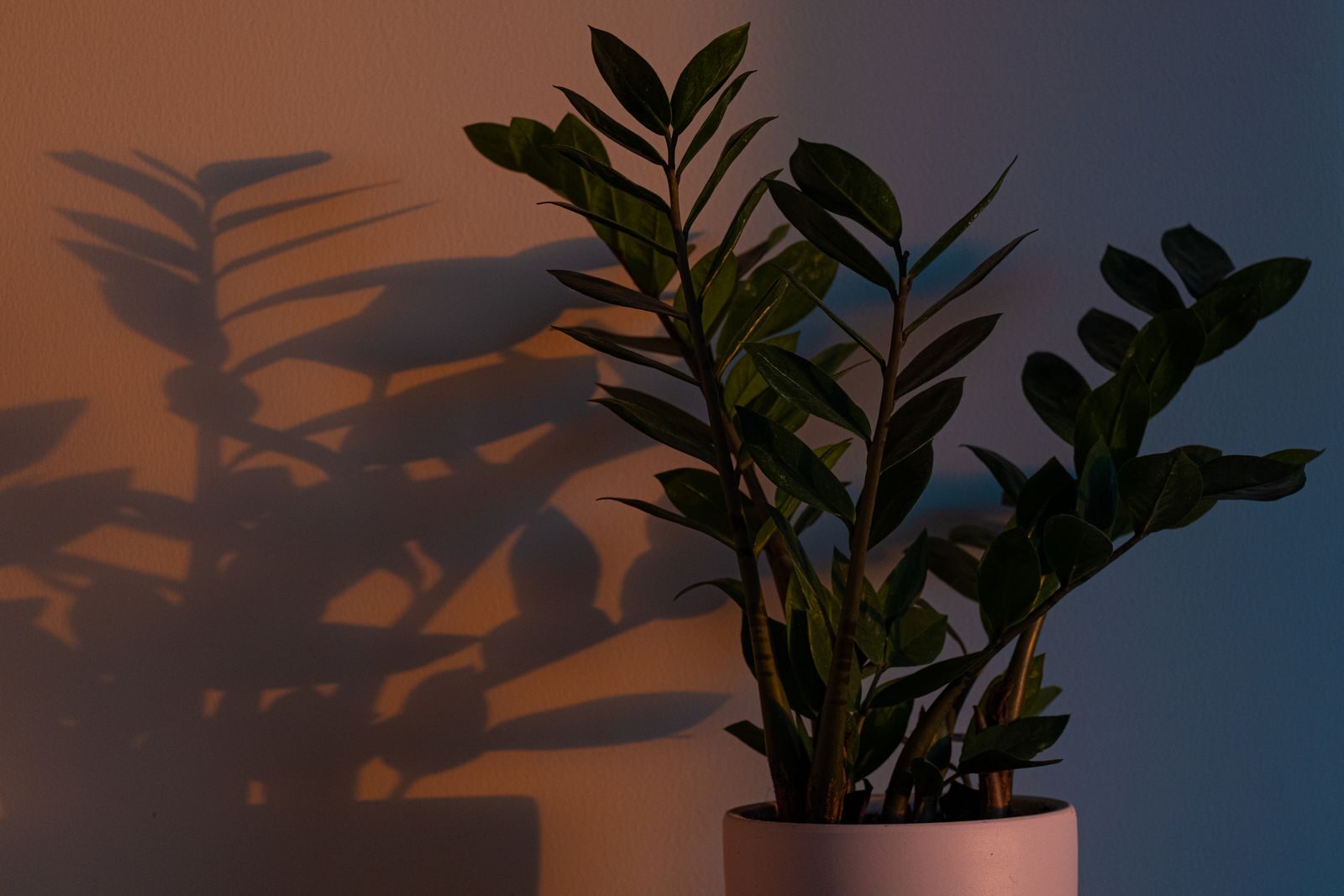
Can a plant really live in that dim corner of your room, the one the sun never reaches?
It is one of the most common questions people have about houseplants, and the real answer is more interesting than the lists of “plants that need no light” suggest. As a plant scientist, I can tell you what “low light” really means, and where the popular advice quietly misleads you.
Let me start with the most important thing, because it clears up half the confusion at once.
No plant grows in true darkness. Not one. A plant in a black room with no light will slowly starve, no matter how tough it is. So when people search for “indoor plants that need no sunlight,” they are chasing something that does not exist. What does exist is plants that cope with very little light, and that is a different, and more useful, thing.
Let me show you how it works.
What a plant does with light
To see why “low light” is misunderstood, you have to know what light is for. A plant uses light to make its own food, through photosynthesis. Light is not a nice-to-have for a plant, it is the energy source the whole plant runs on. Take the light away and the plant cannot make food, the same way you cannot work with no meals.
At the same time, a plant is always using energy to stay alive, just by being a living thing. So a plant has to make at least as much food as it burns simply existing. There is a light level where those two things balance out, where the food a plant makes exactly matches what it spends staying alive. Below that level, the plant runs at a loss. It lives off its reserves, slowly, until they run out.
This is the heart of the whole “low light” question. A plant in a dim room is living close to that break-even line. Give it a little more light and it gets ahead and grows. Give it a little less and it slips into the red and slowly fails. There is no special plant that escapes this. There is only how close to the line a given plant can sit.
Why some plants cope with low light and others do not
So why can a snake plant sit in a gloomy hallway for years while a basil plant dies in a week? This is where plant biology gets really interesting, and where I find my training pays off in explaining it simply.
Plants that tolerate low light are, almost always, plants that evolved on shaded forest floors. Down there, under a thick canopy, very little light reaches the ground. Over a long time, those plants became specialists at living lean. They burn less energy just staying alive, so their break-even light level is very low.
They can make enough food to survive on the dim, scattered light that filters down. Many also grow broader, darker leaves, packed with more of the green pigment that captures light, to catch every bit they can.
A sun-loving plant, like a tomato or a basil, is the opposite. It evolved in bright open ground and burns energy fast. It needs a lot of light just to break even, so in a dim room it starves quickly. Same darkness, completely different result, because the two plants come from completely different homes.
So a “low light plant” is really a shade specialist, a plant built to survive on little. That is the true meaning of the label. It does not mean the plant likes the dark. It means the plant can endure it better than most.
Tolerate is not the same as thrive
Here is the line the marketing blurs, and the one I most want you to take away. A low-light plant in a dim room is surviving, not thriving. Those are two very different states.
When a shade plant sits in too little light, it does not die dramatically. It just slows down. It stops putting out new leaves. It holds still. And often it starts to stretch, sending out longer, thinner stems and paler, smaller leaves, reaching for any light it can find. People sometimes read that stretching as the plant being happy and growing.
It is the opposite. That reaching is a stress response. The plant is straining toward light because it does not have enough, and the long, weak growth it makes is a sign of struggle, not health.
So a plant can “survive” in a dark corner for a long time and still be slowly going backwards. It looks fine because shade plants fail gently, not suddenly. But surviving is not the same as doing well. If you want a plant that truly grows, not just one that hangs on, it needs more than the bare minimum.
What I have seen with my own plants
I will share my own experience here, because it taught me this better than any book. I keep plants indoors through a winter where the daylight is very short, and on some days there is barely any daylight at all. By every rule of thumb, that should be too little light for a houseplant.
And yet they grow. Slowly, quietly, but they keep going through the dark months. That tells you how well a shade-adapted plant can ride out a long stretch of low light, far better than people fear. It is a real, lived example of plants surviving on very little. But the key word is slowly. They are not thriving in that dim season.
They are holding on and ticking over, and they pick up speed again when the light returns. That match between what I see and what the science says, survive in low light, thrive only with more, is exactly the point.
There is one more thing I have learned the hard way through those dark months, and it is worth passing on, because it is not about light at all. Opening a window near my plants in the cold season harms them, while keeping the window shut suits them far better.
The reason is not light, it is cold. Most houseplants are tropical, and a blast of cold air from an open window in winter shocks them. So if you are nursing a plant through a dark, cold season, keep the cold drafts off it. Low light it can handle. A cold gust through an open window it often cannot.
So how do you keep a plant in a low-light room?
Here is the practical part, built on everything above.
First, give it the most light the room has, even if that is not much.
Put it as close to the window as you can. A spot one step from the glass can have several times more usable light than the same room a couple of steps back, even though both look equally bright to your eye. Your eye adjusts to dimness, a plant cannot, so always err toward more light.
Second, choose a true shade specialist.
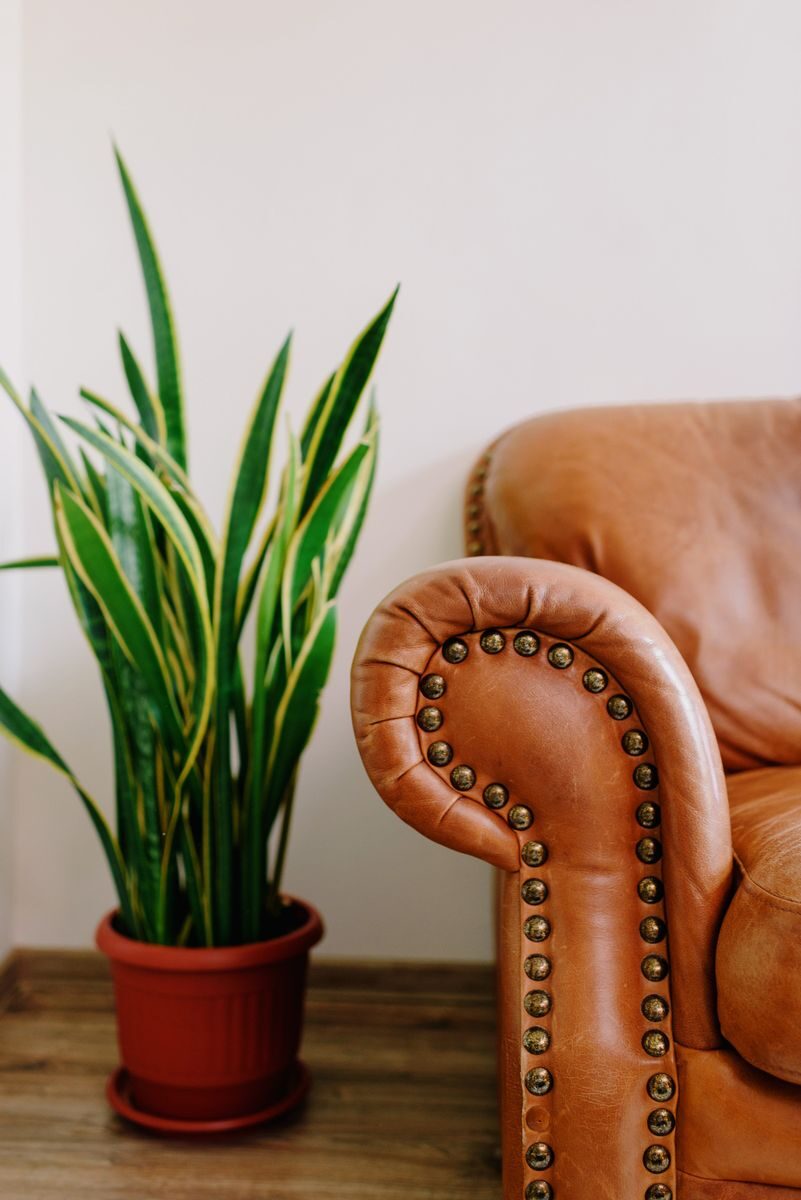
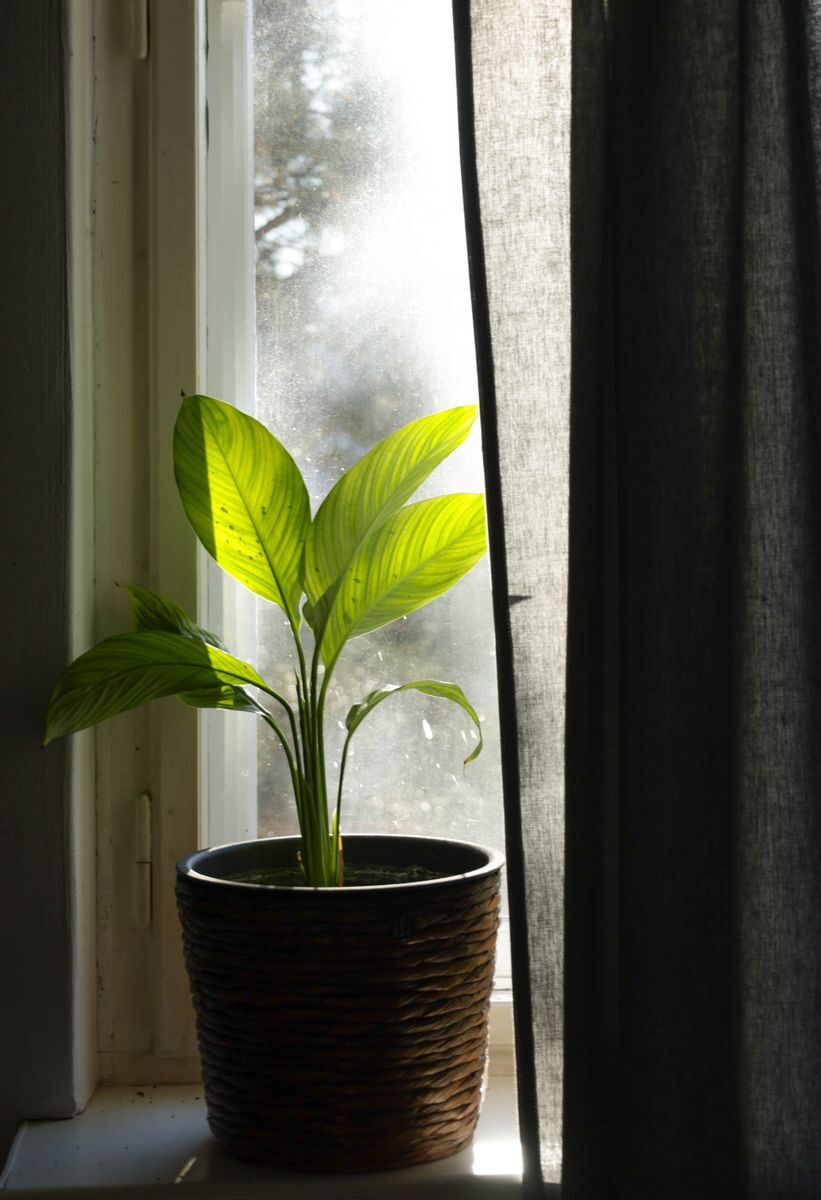
The plants that truly cope with low light are the forest-floor types, the snake plant, ZZ plant, pothos, peace lily, aglaonema, and many ferns. These are the ones built to live lean. A sun-lover will not make it, however hard you try.
Third, expect slow, and judge by new growth.
In a dim spot a plant will grow slowly, and that is normal. What you are watching for is whether it is holding steady or stretching and fading. Long, thin, pale new growth means it wants more light, move it brighter or add a grow light. Steady, normal-coloured leaves mean it is coping.
Fourth, if the room is truly dark, use a grow light.
There is no shame in it, and it is the one real fix for a room with almost no natural light. A simple grow light on a timer gives the plant the energy the room cannot, and turns “barely surviving” into “real growing.”
Summary
No indoor plant grows in true darkness. Every plant uses light to make its food through photosynthesis, so “plants that need no light” do not exist. What exists is plants that tolerate low light.
A plant survives only when it makes at least as much food as it burns staying alive. Plants that cope with low light are shade specialists, evolved on dim forest floors to burn little energy, so they break even on very little light. Sun-lovers burn energy fast and starve in dim rooms.
Tolerating low light is not the same as thriving. A shade plant in a dim room slows down, holds still, and may stretch out pale, weak growth reaching for light, which is a sign of stress, not health. It survives, but it does not improve.
To keep a plant in a low-light room, give it the brightest spot available, choose a true shade-tolerant species, expect slow growth, watch for stretching as a sign it wants more light, and use a grow light if the room is truly dark.
Common questions
Can indoor plants grow without any sunlight?
No plant grows in complete darkness, because every plant needs light to make food through photosynthesis. Some plants tolerate very low light, but they all need at least some light, whether from a window or a grow light. “Plants that need no light” is a myth.
What does “low light” mean for indoor plants?
It means a plant can tolerate dim conditions, not that it prefers them. Low-light plants are shade specialists that survive on little light by growing slowly and using energy efficiently. They endure dim rooms better than other plants, but they still grow best with more light.
Which indoor plants survive in low light?
Forest-floor shade specialists cope best, including the snake plant, ZZ plant, pothos, peace lily, aglaonema, and many ferns. These plants evolved to live on little light. They will survive a dim spot, though they grow faster and look better with more light.
Why is my low-light plant growing tall and thin?
That stretching, with long stems and pale, small leaves, is the plant reaching for light because it does not have enough. It is a stress response, not healthy growth. Move the plant closer to a window or add a grow light, and the new growth should come back sturdier.
Do low-light plants grow more slowly?
Yes. In low light a plant makes less food, so it grows slowly and puts out fewer new leaves. This is normal and not a problem in itself, as long as the plant is holding steady rather than stretching and fading. Slow growth in a dim room is the plant coping, not failing.
Can a plant live in a room with no windows?
Not on its own, because a windowless room has no natural light for photosynthesis. The plant would slowly starve. The fix is a grow light on a timer, which supplies the energy the room cannot, and lets even a windowless space support a plant.