






You have a compost pile, a fork, and a nagging question:
How often are you actually supposed to turn the thing?
Every day? Once a week? Ever?
And does turning really speed it up, or is it just hard work for its own sake?
Let me give you a clear answer, and the reason behind it, because once you understand what turning actually does, the how-often question answers itself.
The short version: for a hot, fast pile, turn it about once or twice a week. For a slower, low-effort pile, much less, or not at all. But the “why” matters more than the number, so let me explain what is happening when you turn, and then you can pick the pace that suits you.
What turning does: it is all about oxygen
Here is the thing to understand. Turning compost is not about mixing for the sake of mixing. It is about one thing: oxygen.
The microbes that break down your compost quickly and cleanly are aerobic, meaning they need oxygen to work, just like we do. As they feed, they consume the oxygen in the pile and breathe out carbon dioxide.
In my own research I spent a good deal of time measuring exactly this, the oxygen going into soil and the carbon dioxide coming back out, as a way to track how active the microbes were.
A compost pile tells the same story on a larger scale: when you turn it and feel the warmth build again over the next day, you are watching the microbes respond to the oxygen you just handed them. The carbon dioxide a pile breathes out is a direct measure of how hard they are working.
The problem is that in the hot centre of the pile, where the microbes are working hardest, they use up the available oxygen fastest. Once it runs out, those good aerobic microbes suffocate, and the slower, smellier anaerobic microbes take over, the ones that make a pile stall and stink. Soil scientists at Oklahoma State University put it plainly: without proper aeration, microbial activity is limited, and since the key microbes are oxygen-loving, composting slows right down.
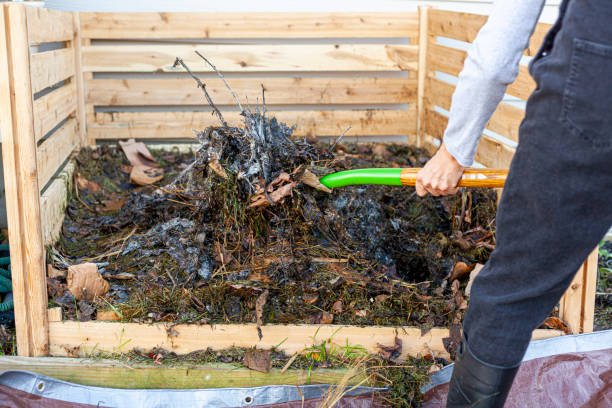
Turning is how you refill the oxygen. You break up the compacted, airless centre, fold fresh air through the pile, and give the aerobic microbes what they need to get back to work. That is the whole point of it.
So how often should you turn compost?
Now the question you came for. It depends on how fast you want your compost, and how much effort you want to put in.
For a fast, hot pile: turn it about once or twice a week. Research backs this up…
In one university study, turning more frequently produced higher temperatures and faster decomposition than turning once a week or less. Frequent turning keeps the oxygen topped up and the pile hot, and a well-managed hot pile can finish in a couple of months rather than a year.
For a moderate pile: once a week or once every couple of weeks is a fine, sustainable pace. Slower than a hot pile, but much less work, and it still breaks down well.
For a slow, low-effort pile: you can turn rarely, or barely at all (more on no-turn composting below). It will still compost, it just takes longer.
A useful signal to turn: temperature. If your pile heated up and has started to cool, that often means the microbes have used up the oxygen and slowed down. A turn re-oxygenates it and the temperature climbs again. When turning stops making it heat back up, the pile is getting close to finished.
Can you turn compost too often?
Yes, you can, and it is worth knowing. Turning every single day, especially in a hot pile, can work against you.
Every time you turn a hot pile, you release heat. Turn too often and you keep knocking the temperature back down before it can build, which slows the very process you are trying to speed up. There is also no benefit to adding more oxygen than the microbes can use.
So more is not always better. Once or twice a week is the sweet spot for a hot pile. Daily turning is usually unnecessary and can cool things down. The exception is a tumbler, which is designed for easy spinning and holds heat differently, so a bit more frequent turning there is fine.
What happens if you don’t turn compost at all?
Good news for the reluctant: you do not strictly have to turn compost. It will still break down. This is called cold or no-turn composting, and it is a real, valid method.
The trade-off is time. Without turning, oxygen only reaches the pile slowly, from the edges, so the microbes work more slowly and the pile stays cool. An unturned pile can take many months to a year or more to finish, where a turned hot pile might take weeks. It may also be more likely to go anaerobic and smelly in the wet, dense centre, which is the problem I covered in my post on why compost smells.
You can help a no-turn pile along without a fork:
Build in plenty of coarse browns (straw, twigs, cardboard) to create air pockets.
Avoid packing it down or letting it get waterlogged.
Some people push a few perforated pipes into the pile to let air in passively.
So turning is not compulsory, it is simply the fastest way. No turning is the laziest way, and it works if you are patient.
How to turn compost properly
If you do turn, here is how to do it well:
– Use the right tool.
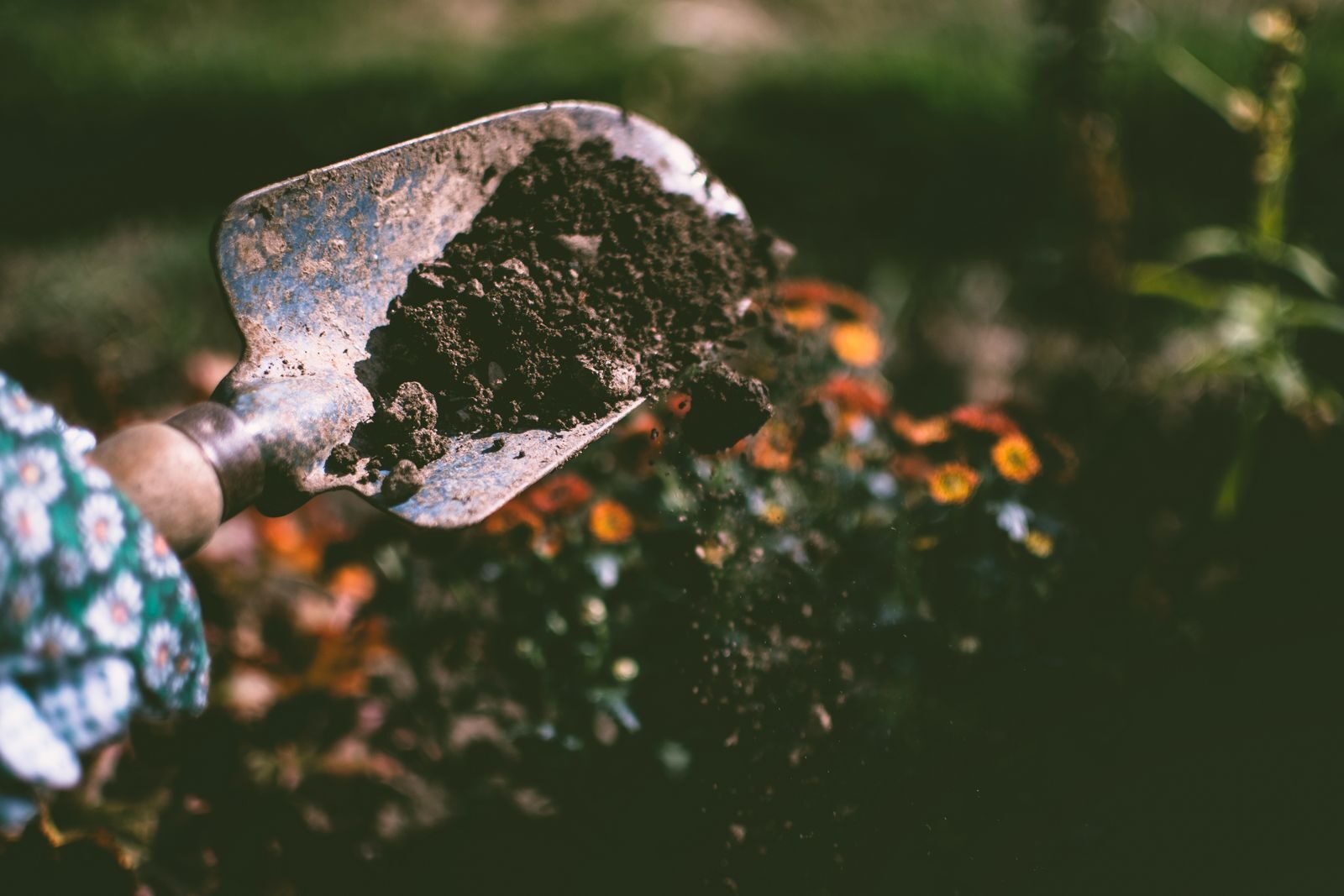
A garden fork or a dedicated compost aerator works well. For a tumbler, you just spin it.
– Move the outside in.
The outer material has not broken down as much as the hot centre, so bring the edges into the middle and the middle out, to even it up.
– Break up clumps.
Fluff and separate compacted, matted lumps so air can get through, this is where the oxygen gets in.
– Check moisture as you go.
It should feel like a wrung-out sponge. If it is dry, water it a little; if it is soggy, mix in dry browns.
– Do it in the open air.
A turning pile can release a puff of gases, so turn it outdoors and avoid breathing right over a smelly one.
– It does not need to be perfect.
The goal is simply to get air back into a pile that has used up its oxygen.

What about rotating tumblers?
Rotating compost bins (tumblers) are worth a mention, since so many people ask about them. They make turning easy, you just spin the drum, no fork or heavy lifting, which is their main appeal.
Are they any good? For small-scale, tidy, frequent-turning composting, yes, they are convenient, and easy turning means people actually do it, which helps. The downsides: they hold less than an open pile, can be harder to get the moisture right in, and a full one gets heavy to spin. They are a good fit if you want a neat, manageable system and are willing to turn often. For large volumes, an open pile or bay still wins.
Summary
Turning compost is about one thing: oxygen. The microbes that break compost down fast are aerobic and need air, and they use up the oxygen in the pile’s hot centre quickly. Turning refills that oxygen so they keep working, which is why it speeds composting up.
How often? For a fast, hot pile, turn about once or twice a week, research shows more frequent turning beats occasional turning for heat and speed.
For a slower, lower-effort pile, once every week or two is fine. You can turn too often, though: daily turning of a hot pile releases heat and can slow it down, so once or twice a week is the sweet spot. And you do not have to turn at all, no-turn composting works, it just takes much longer and needs plenty of coarse browns for airflow. When turning stops reheating the pile, it is nearly done.
Common questions
How often should you turn compost?
For a hot, fast pile, about once or twice a week, which keeps oxygen topped up and the pile hot. Studies show more frequent turning decomposes faster than turning occasionally. For a slower, lower-effort pile, once every week or two is fine. A good signal is temperature: turn when a heated pile starts to cool, since that means the oxygen has been used up.
Does turning compost actually speed it up?
Yes, noticeably. Turning adds oxygen, and the microbes that break compost down quickly need oxygen to work. A regularly turned hot pile can finish in weeks to a couple of months, while an unturned pile can take many months to a year. The difference is almost entirely down to how much air the microbes get.
What happens if you don’t turn your compost?
It still composts, just much more slowly. Without turning, oxygen only seeps in from the edges, so the microbes work slowly and the pile stays cool. It can also be more likely to go airless and smelly in the centre. No-turn composting is a valid, lazy method if you are patient and build in plenty of coarse browns for airflow.
Can you turn compost too much?
Yes. Turning a hot pile every day releases its heat faster than it can rebuild, which can slow decomposition, and there is no benefit to adding more oxygen than the microbes can use. Once or twice a week is the sweet spot for a hot pile. Tumblers are more forgiving of frequent spinning.
How long should compost sit before turning?
Give a fresh pile several days to a week to heat up before the first turn, so the microbes get going. After that, turn when it starts to cool from its peak, often every few days to a week for a hot pile. Turning too soon or too often early on can stop it building the heat you want.
Are rotating compost tumblers any good?
For small-scale composting, yes, they make turning easy, which means it actually gets done. They are neat and manageable, but hold less than an open pile, can be tricky to get the moisture right, and get heavy when full. Good for convenience and smaller volumes; an open pile or bay is better for large amounts.