







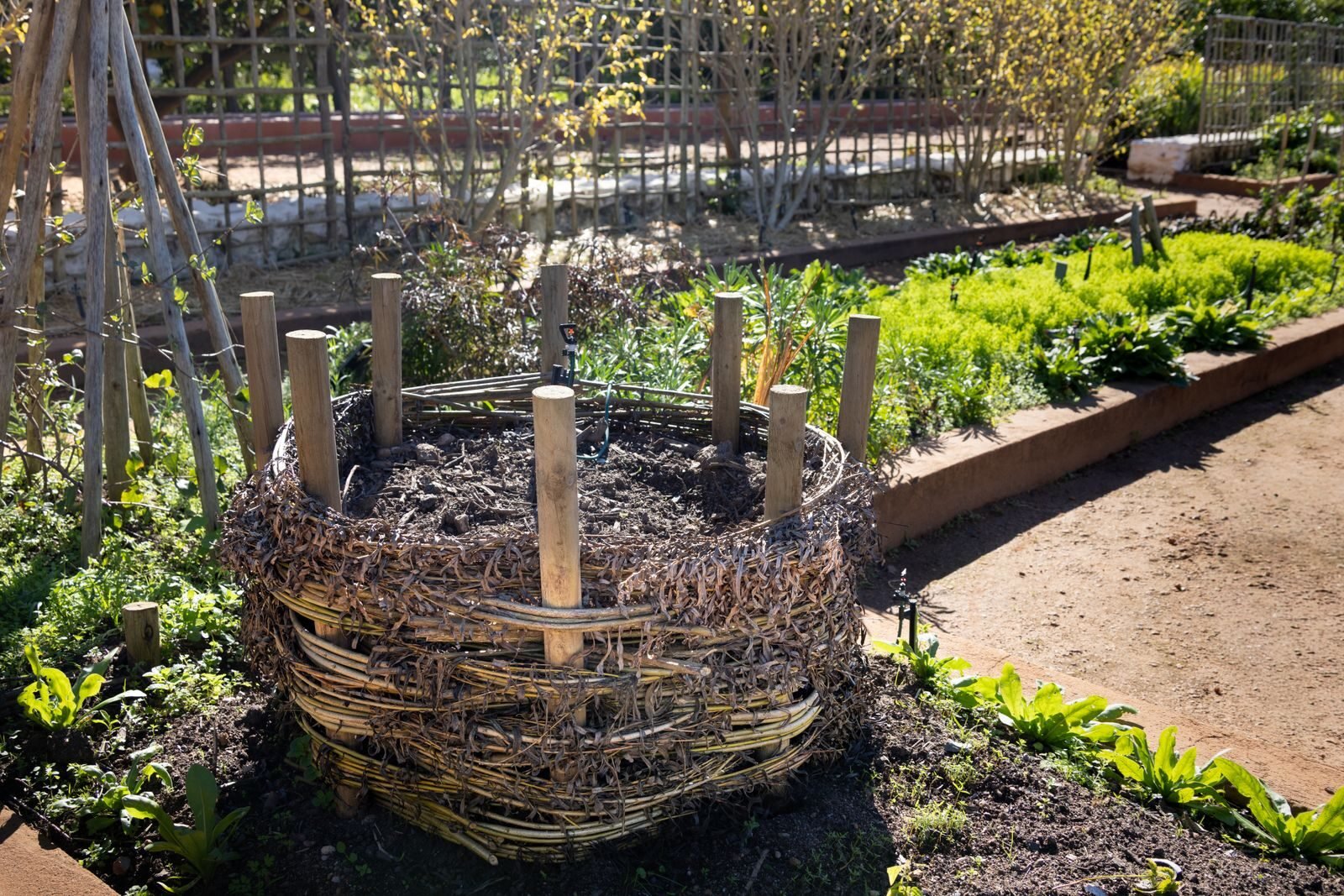
You lift the lid on your compost, and instead of a pleasant earthy smell you get a wave of something sharp, sour, or downright foul. So why does your compost smell, and is something wrong?
Here is the reassuring part. A smell is not a mystery, it is information. Your compost is telling you exactly what has gone wrong inside it, and once you can read the smell, the fix is usually simple. Different smells point to different problems, and I am going to take you through each one.
I look at this through a particular lens. My research involved measuring the gases that come out of soil and the activity of the microbes that produce them, so to me a compost smell is not just unpleasant, it is a readout of which microbes are at work and why. Let me translate it for you.
What healthy compost should smell like
First, the baseline. Good, healthy compost has a pleasant, earthy, slightly sweet smell, the smell of a forest floor after rain. That smell is a good sign. It comes from a compound called geosmin, produced by the very microbes you want, the ones that break material down cleanly in the presence of air.
So if your compost smells earthy, nothing is wrong. That is the smell of it working. It is the sharp, sour, and rotten smells that tell you something has slipped out of balance.
The two most common bad smells are ammonia and rotten, and they mean two different things. Let me take them one at a time.
Ammonia smell: too much nitrogen
If your compost smells sharply of ammonia, like cat litter or cleaning fluid, that is the smell of nitrogen escaping.
Composting microbes need a balance of carbon (the dry, brown materials) and nitrogen (the wet, green materials). When there is far too much nitrogen and not enough carbon, the microbes cannot use it all, and the excess nitrogen is driven off into the air as ammonia gas. Researchers who study compost odour confirm that ammonia is one of the main smells released, and it comes from exactly this excess of nitrogen. The sharp smell is your compost literally losing its nitrogen to the air, which is a waste, since that nitrogen is what makes compost valuable.
This usually happens when a pile is heavy on greens: too many grass clippings, too many kitchen scraps, too much manure, without enough browns to balance them.
The fix: add carbon-rich browns and mix them through. Torn cardboard, dry leaves, shredded paper, straw. This gives the microbes the carbon they need to use up the nitrogen instead of venting it. Add browns until the sharp smell settles, and turn the pile as you go.
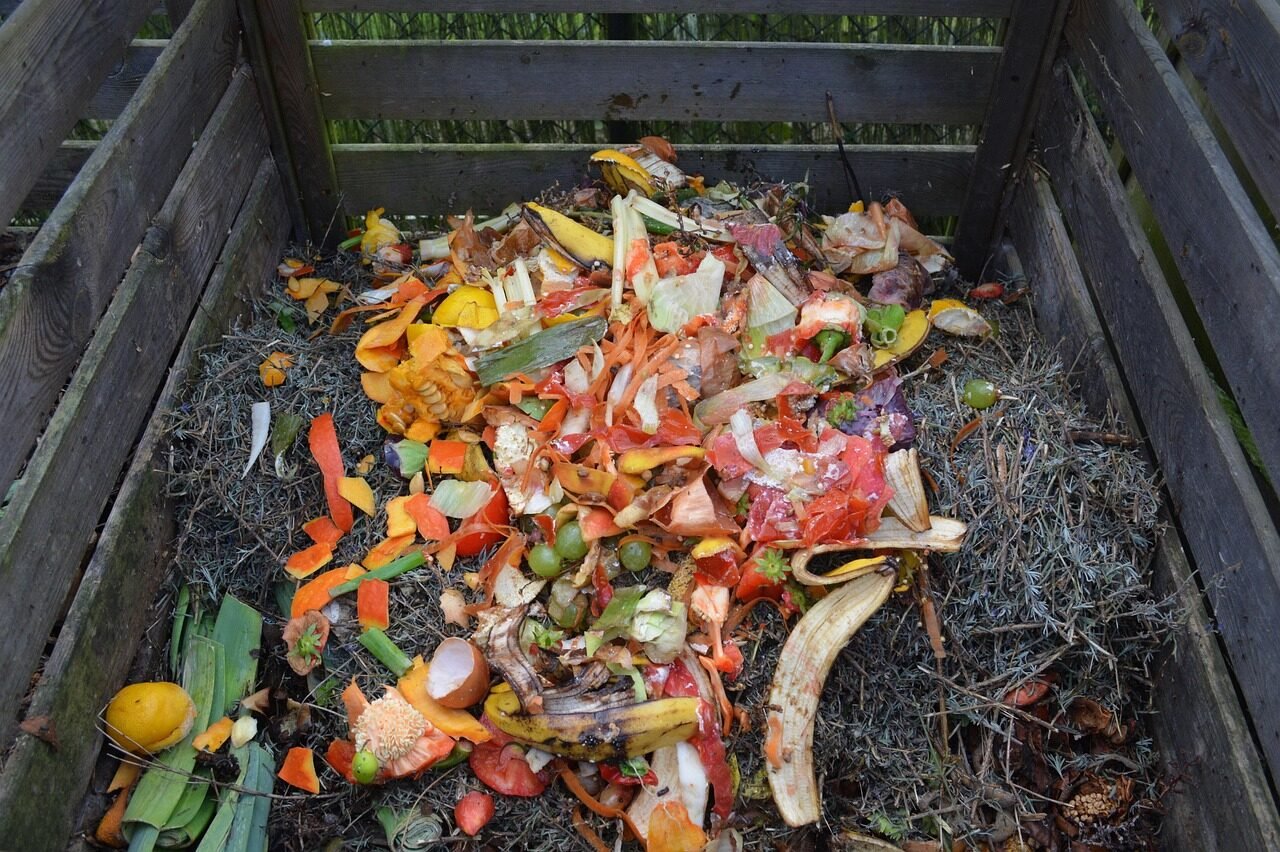
Rotten, sour, or sewage smell: not enough air
If your compost smells of rotten eggs, sewage, or a sour, stagnant funk, the problem is different. Your pile has run out of oxygen.
This is the one I find most interesting, because it is a complete change in who is doing the work. Healthy composting is aerobic, done by microbes that need air. When a pile becomes too wet and dense, air cannot get in, and those good microbes suffocate. In their place, anaerobic microbes, the kind that thrive without oxygen, take over. And these produce very different by-products: hydrogen sulfide, which is the rotten-egg smell, along with other sulfur compounds and methane. Studies of compost odour trace these foul sulfur smells directly to these airless, anaerobic conditions.
So a rotten smell is the smell of the wrong microbes winning, because the right ones cannot breathe. It almost always means the pile is too wet, too compacted, or both.
The fix: get air back in. Turn the pile to break it up and let oxygen through. If it is soggy, mix in dry browns to soak up moisture and open the texture. Make sure it is not sitting in a waterlogged spot. As air returns, the aerobic microbes recover and the smell fades.
The other smells, quickly decoded
A few more smells people notice, and what they mean:
Vinegar or alcohol smell. This is early anaerobic fermentation, the pile is going airless and acidic. Same fix as the rotten smell: add air and browns.
Like poop or manure. Usually the same airless, too-wet problem, sometimes combined with too much nitrogen. Turn it, add browns, improve drainage.
Musty. Often just fungal activity, which can be harmless, but if it comes with dampness it can be an early sign the pile is heading toward airless. Keep an eye on moisture and airflow.
Sweet and earthy. As above, that is the healthy one. Nothing to fix.
You will notice the fixes keep repeating: add browns, add air. That is because nearly every compost smell comes down to one of two things, too much nitrogen, or not enough oxygen.
How to fix a smelly compost pile
Putting it together, here is the practical rescue for a smelly pile:
- Turn it. This is the single most useful move. Turning breaks up the dense, airless clumps and lets oxygen back in, which is what the good microbes need.
- Add browns. Mix in plenty of dry, carbon-rich material, torn cardboard, dry leaves, straw, to soak up excess moisture and balance excess nitrogen.
- Check the moisture. Compost should feel like a wrung-out sponge, damp but not dripping. If you can squeeze water out, it is too wet.
- Check the drainage. Make sure the pile or bin is not sitting in water, and that excess liquid can escape.
- Give it a few days. As air and balance return, the smell settles and the earthy smell comes back.
If you want the full method for diagnosing and rescuing a pile that has gone wrong, I put it all into my compost troubleshooting guide, and to get the green and brown balance right from the start, my free compost carbon-to-nitrogen calculator does the maths for your materials.
Is smelly compost safe to use?
A question people often ask: if my compost has been smelly, is it still safe to use, and are the fumes harmful?
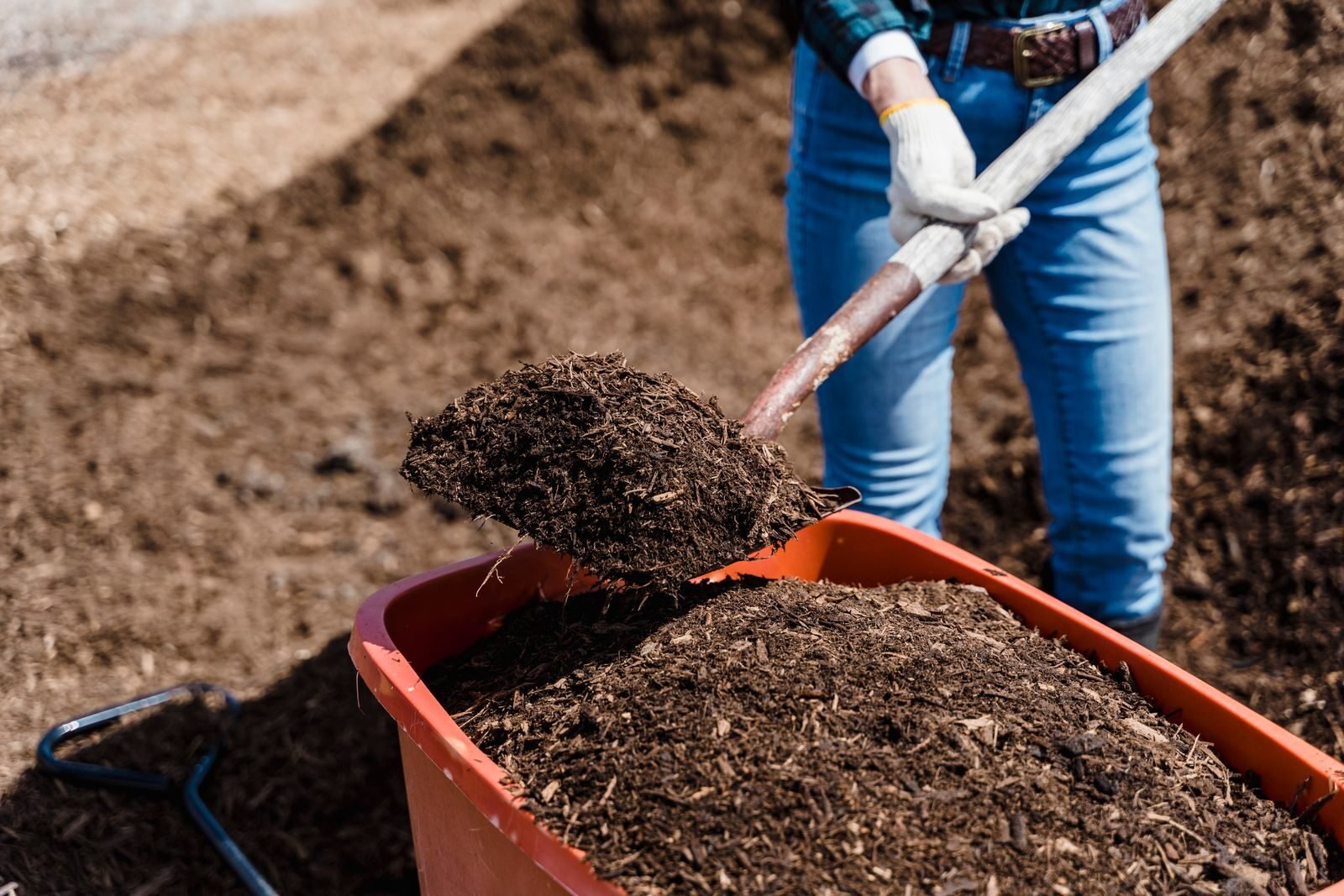
On using it: compost that went through a smelly, anaerobic phase is usually fine once it has finished and returned to an earthy smell. But if it still smells bad, it is not finished, and using it can harm plants, because the airless conditions produce compounds that can damage roots. So wait until it smells earthy again before using it, and if in doubt, let it finish and air out.
On the fumes: in a normal garden pile, the smells are unpleasant rather than dangerous. But it is worth knowing that in high concentrations, the gases from anaerobic compost, ammonia and hydrogen sulfide, can irritate the eyes and airways, and more so for children, older people, and anyone with asthma. So turn a smelly pile in the open air, do not put your face right into it, and let it ventilate. Common sense, not alarm.
How long until the smell goes away?
Once you turn the pile, add browns, and sort out the moisture, a smell often improves within a few days and clears within a week or two. An ammonia smell can settle quickly once enough browns are mixed in.
A deep, wet, anaerobic pile takes a little longer, since it needs to dry out and re-oxygenate, but it recovers. The key is that you have removed the cause, too much nitrogen or too little air, rather than just masking the smell.
Summary
A compost smell is information, not a mystery. Healthy compost smells earthy and sweet, thanks to microbes working with plenty of air. Two bad smells cover most cases. An ammonia smell means too much nitrogen, the excess venting off as gas, and the fix is to add carbon-rich browns. A rotten, sour, or sewage smell means the pile has run out of oxygen and anaerobic microbes have taken over, producing sulfur gases, and the fix is to turn it and add browns to get air back in.
Vinegar, alcohol, and manure smells are variations on the airless problem. A sweet, earthy smell is the healthy one. Nearly every fix comes down to adding browns or adding air. Smelly compost is usually safe to use once it has finished and smells earthy again, and while garden compost fumes are unpleasant rather than dangerous, it is sensible to turn a bad pile in fresh air.
Common questions
Why does my compost smell bad?
Almost always for one of two reasons. Either too much nitrogen, which vents off as a sharp ammonia smell, or not enough oxygen, which lets anaerobic microbes take over and produce rotten, sulfur-like smells. Both are easy to fix by adding carbon-rich browns and turning the pile to let air in.
Why does my compost smell like ammonia?
Because it has too much nitrogen and not enough carbon. The microbes cannot use all the nitrogen, so the excess escapes into the air as ammonia gas, which is that sharp, cat-litter smell. Add browns, dry leaves, cardboard, straw, and mix them through, and the smell settles as the balance is restored.
Why does my compost smell rotten or like eggs?
That rotten-egg smell is hydrogen sulfide, produced when your pile runs out of air and anaerobic microbes take over from the healthy ones. It means the pile is too wet or too compacted. Turn it to add oxygen and mix in dry browns, and the good microbes recover as the smell fades.
Can I use compost that smells?
Wait until it smells earthy again first. Compost that still smells bad has not finished and can harm plants, because the airless conditions create root-damaging compounds. Once you have fixed the cause and it smells pleasant and earthy, it is safe and good to use.
How do I stop my compost from smelling?
Keep it balanced and aerated. Mix carbon-rich browns with your nitrogen-rich greens rather than piling in greens alone, keep it as damp as a wrung-out sponge but no wetter, turn it regularly to keep air moving, and make sure it drains. A balanced, breathing pile simply does not smell bad.
Are compost fumes dangerous?
In a normal garden pile they are unpleasant rather than dangerous. In high concentrations, the ammonia and hydrogen sulfide from an anaerobic pile can irritate the eyes and airways, more so for children, older people, and those with asthma. So turn a smelly pile in the open air and avoid breathing right over it, but there is no need for alarm with an ordinary backyard heap.