








You bought a compost activator. The packet promises faster decomposition, better compost, more microbial activity. You sprinkle it in and wait.
But does it actually do anything your compost pile would not have done on its own?
I want to give you a straight answer to that question. My background measuring soil carbon dynamics and microbial respiration in real field conditions gives me a specific lens for evaluating what these products are actually claiming to do.
What Is Composting
Before evaluating whether a compost activator works it helps to understand what composting is at a biological level. Because most compost activator marketing skips this entirely.
Composting is the aerobic decomposition of organic matter by microbial communities. Bacteria, fungi, and other microorganisms break down carbon rich materials using nitrogen as a nutrient source for their own growth and metabolism. The process releases carbon dioxide, water, and heat as the organic matter transforms into stable humus.
The microorganisms doing this work are already present in your garden soil and in the organic material you add to your compost pile. They do not need to be introduced. They need the right conditions to thrive.
Those conditions are the carbon to nitrogen ratio of your compost materials, adequate moisture, adequate oxygen through turning or aeration, and a sufficient mass to retain heat.
Get those conditions right and decomposition happens efficiently without any additional input. That is the biological reality that most compost activator marketing does not want you to think too carefully about.
What a Compost Activator Claims to Do
Compost activator products fall into two broad categories and understanding the difference matters.
The first category is microbial inoculants. These products contain bacteria, fungi, or both, claiming to introduce active decomposers to your compost pile. The logic is that adding more microorganisms accelerates decomposition.
The second category is nitrogen sources. These products contain high nitrogen materials like dried blood, feather meal, or urea. The logic is that adding nitrogen corrects a carbon to nitrogen imbalance and feeds the existing microbial community.
Some products combine both. Microbial inoculants plus nitrogen source in the same packet.
The evidence for each category is quite different and conflating them leads to confused claims on both sides of the debate.
What My Field Research Tells Me About This
I want to bring something specific from my own research background here because it is directly relevant.
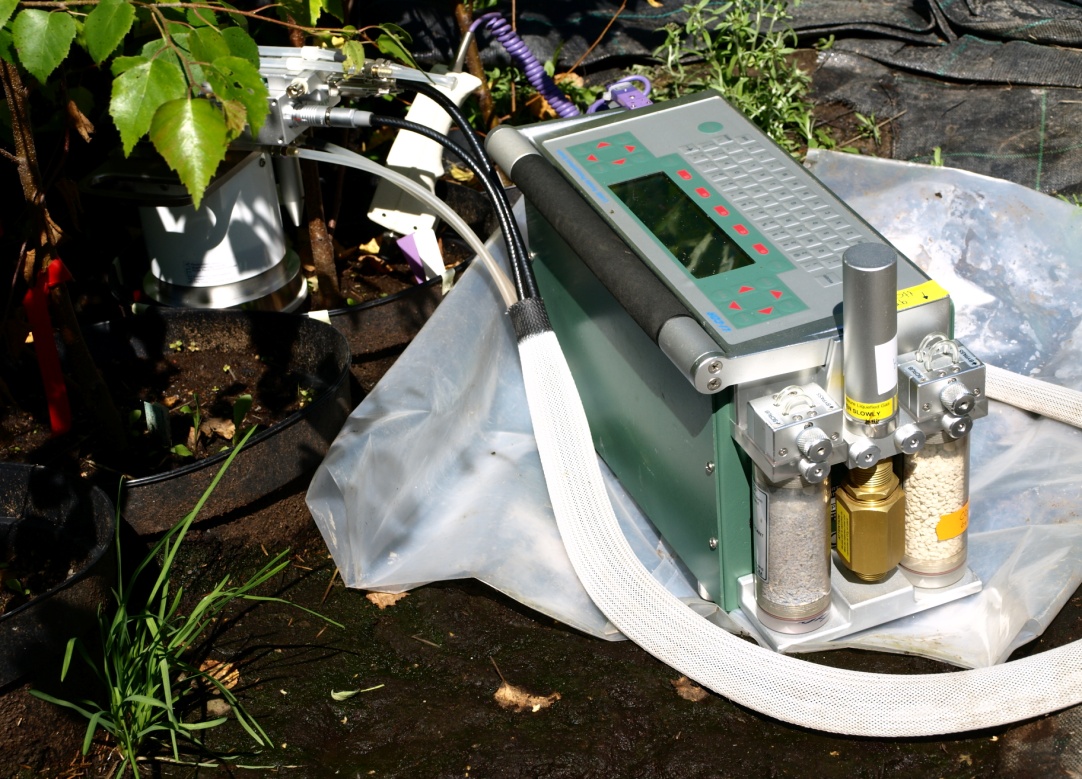
My field work measuring soil CO₂ efflux across different treatment conditions gave me a direct view of how sensitive microbial activity is to environmental variables. The CO₂ coming out of soil is the respiratory output of the microbial community breaking down organic matter. When conditions change the microbial community responds.
What I observed across my treatment plots is that the same environmental inputs produced different responses depending on what was already present in the soil system. Two genotypes of silver birch growing in identical conditions showed different soil respiration profiles. The existing biological context shaped the response to the treatment.
That observation is directly relevant to compost activators. A microbial inoculant added to a compost pile is being introduced into an existing biological system with its own established community. Whether the introduced organisms establish and contribute meaningfully depends enormously on what is already there and what conditions exist.
A well structured compost pile with good carbon to nitrogen ratio, adequate moisture, and regular turning already has a thriving microbial community. Introducing additional microorganisms into that system is like adding a handful of fish to a healthy pond. The existing community is already using the available resources.
Do Microbial Inoculant Compost Activators Work
The research evidence is mixed and context dependent. That should sound familiar if you read my mycorrhizal inoculants article.
In controlled studies using sterile or microbiologically depleted materials microbial inoculants can accelerate decomposition meaningfully. A study using bacterial consortia on common organic waste substrates found that microbial inoculants reduced the carbon to nitrogen ratio to the target range of 25 to 30:1 within 75 to 90 days depending on the substrate (Pan et al., 2011). When there is genuine microbial deficiency introducing active decomposers makes a difference.
In real garden compost piles with diverse organic inputs the evidence is less convincing. Several studies have found no significant difference in decomposition rate between inoculated and uninoculated compost piles when both received adequate turning and moisture management.
The reason is the same as with mycorrhizal inoculants. Introducing organisms into an established biological system with native competition is difficult. The native community has home advantage. It is already adapted to the local conditions.
There are conditions where microbial inoculants are more likely to help. Fresh compost piles with predominantly woody carbon rich materials and low initial microbial diversity. Compost systems using materials that have been treated with preservatives or pesticides that may have suppressed native microbial populations. Cold climate composting where native mesophilic bacteria are less active.
Do Nitrogen Based Compost Activators Work
This category has stronger evidence and clearer logic behind it.
Carbon to nitrogen ratio is one of the most important variables in composting. The ideal ratio for active decomposition is roughly 25 to 30 parts carbon to one part nitrogen by weight. Most garden waste is heavily carbon dominant. Autumn leaves, woody prunings, cardboard, and straw can have carbon to nitrogen ratios of 80 to 1 or higher.
When your compost pile is too carbon rich microbial communities become nitrogen limited. They have plenty of carbon as an energy source but not enough nitrogen to build the proteins they need for growth and reproduction. Decomposition slows dramatically.
Adding a high nitrogen input corrects that imbalance. The microbial community responds quickly because the limiting factor has been removed. This is basic soil biogeochemistry and my MSc covered it directly in the context of carbon and nitrogen cycling in ecosystem systems.
The practical implication is that a nitrogen based compost activator can genuinely accelerate decomposition in a carbon heavy pile. But so can a handful of fresh grass clippings, some coffee grounds, or a layer of kitchen vegetable scraps. These are free high nitrogen inputs that do exactly the same job as a commercial nitrogen based activator.
What You Can Use as a Natural Compost Activator
Based on the biogeochemistry the most effective free or low cost compost activators are high nitrogen materials that correct carbon to nitrogen imbalance.
Fresh grass clippings are one of the best. High nitrogen, already full of active decomposer bacteria, and free if you have a lawn. A layer of grass clippings between carbon rich layers is one of the most effective composting techniques available.
Urine diluted with water is genuinely effective. High nitrogen content. Sterile. Free. The evidence for urine as a compost activator is surprisingly strong and the practice has a long agricultural history. A ratio of roughly ten parts water to one part urine applied to a slow pile often produces visible results within days.
Coffee grounds add nitrogen and introduce diverse microbial communities from the brewing process. Most cafes will give them away free.
Nettles are high in nitrogen and break down rapidly. A layer of fresh nettles in a slow pile adds nitrogen and microbial diversity simultaneously.
Finished compost or garden soil from a well established bed introduces diverse native microbial communities that are already adapted to your local conditions. A shovelful mixed through a new pile is a genuinely effective inoculant because the organisms come pre-adapted to your environment.
How Long Does a Compost Activator Take to Work
This depends more on the underlying conditions than on the activator itself.
A nitrogen based activator added to a genuinely nitrogen deficient pile can show visible results within one to two weeks in warm conditions. The pile heats up, steam may be visible in the morning, and the volume reduces as decomposition accelerates.
A microbial inoculant added to an already active pile may show no measurable difference at all. The existing community is already doing the work efficiently.
Temperature is the biggest variable outside the carbon to nitrogen ratio. Active composting requires temperatures above 15 degrees Celsius for mesophilic bacteria. In cold climates winter composting slows regardless of what you add.
Do You Need a Compost Activator?
For most home composters with a reasonably balanced mix of materials the answer is no.
A compost pile with roughly equal volumes of carbon rich brown materials and nitrogen rich green materials, kept moist but not waterlogged, and turned regularly will decompose efficiently without any commercial input. The microorganisms are already there. The conditions determine whether they thrive.
Where a compost activator might genuinely help is in a pile that is predominantly carbon rich and decomposing slowly. In that specific situation a nitrogen source whether commercial or free will make a real difference. But the nitrogen is the active component not the branded packaging it comes in.
The most honest assessment I can give you is that commercial compost activators are solving a real problem in some cases but charging a premium for something you can get free from your kitchen, lawn, or garden.
Before You Buy a Compost Activator
Check your pile first. Lift the cover and assess what you are working with.
If the pile is predominantly brown materials like dead leaves, cardboard, and woody prunings add a high nitrogen input. Fresh grass clippings, kitchen scraps, or diluted urine. You do not need a commercial product.
If the pile smells bad it is likely too wet and too nitrogen rich already. Add carbon materials and turn it. A compost activator will make things worse not better.
If the pile is just slow but reasonably balanced turn it more frequently to introduce oxygen. Oxygen is the most commonly limiting factor in slow home compost systems. Aerating does more than almost any additive.
If you have genuinely depleted or contaminated soil and are starting a new compost system from scratch a quality microbial inoculant with documented viable organism counts may give you a meaningful head start. That is the most defensible use case for these products.
Summary
Composting is aerobic microbial decomposition driven by carbon to nitrogen ratio, moisture, oxygen, and temperature. Microbial inoculant compost activators have mixed evidence with most benefit in depleted or contaminated systems where native microbial populations are low.
Nitrogen based compost activators have stronger evidence and clearer biological logic but free alternatives like grass clippings, urine, and kitchen scraps do the same job. Getting
carbon to nitrogen ratio, moisture, and aeration right produces better results than any commercial activator in a normally functioning compost pile. Free high nitrogen inputs are as effective as commercial nitrogen based activators for most home composting situations.
Recommended: Check how alive your soil is with my free Soil Life Scorecard, two simple checks with a printable log.
FAQs
Do compost activators work?
It depends on the type and the conditions. Nitrogen based activators genuinely help in carbon heavy piles by correcting the carbon to nitrogen imbalance that limits microbial activity. Microbial inoculants have more variable evidence and show most benefit in depleted or contaminated systems where native microbial populations are low.
What is a compost activator?
Either a microbial inoculant containing decomposer bacteria and fungi or a high nitrogen material like dried blood or feather meal. Some products combine both. The nitrogen source category has stronger evidence for most home composting situations.
Do I need a compost activator?
For most home composters with reasonably balanced materials no. The microorganisms needed for decomposition are already present in your organic materials and garden soil. Getting carbon to nitrogen ratio, moisture, and aeration right produces better results than any commercial additive.
What can I use as a natural compost activator?
Fresh grass clippings, diluted urine, coffee grounds, fresh nettles, and finished compost or garden soil are all effective free alternatives. High nitrogen kitchen scraps including vegetable peelings also correct carbon to nitrogen imbalance effectively.
How fast does a compost accelerator work?
A nitrogen based activator added to a nitrogen deficient pile can show visible results including increased heat and volume reduction within one to two weeks in warm conditions. Microbial inoculants in already active piles may show no measurable difference. Temperature is the biggest variable outside carbon to nitrogen ratio.
Is human urine a good compost activator?
Yes. Urine has high nitrogen content, is sterile, and is free. Applied diluted at roughly ten parts water to one part urine to a slow carbon heavy pile it often produces visible acceleration within days. The evidence and the agricultural history both support it as one of the most effective compost activators available.
What is the best compost activator?
For a carbon heavy slow pile fresh grass clippings or diluted urine are as effective as any commercial product at no cost. For a genuinely depleted system a commercial microbial inoculant with documented viable organism counts gives you the best chance of meaningful improvement over what is already present.