








Which extraction method actually gives you the best plant extract?
Look around and you get a different confident answer everywhere you look. One site calls cold-pressed the gold standard. Another says solvent extraction is the most efficient, full stop. A third claims CO2 extracts are 500 times more potent, with no real number attached to what that is even measured against. They cannot all be right, and none of them explain why they picked their answer.
I do not think there is a single best method. I think “best” depends on what you are actually trying to save from that plant, and I want to show you why, using real comparisons instead of brand claims.
I already went through why size decides whether a compound gets into your skin in does your skin even absorb plant extracts. Extraction comes before all of that. If the extraction damages the compound before it even reaches the bottle, size does not matter anymore.
What each method actually does
Cold pressing squeezes oil out mechanically, no heat, no chemicals. It is gentle, but it does not pull everything out, so yields are usually lower.
Solvent extraction uses a chemical, often hexane, to pull a much higher percentage of the oil out, up to 99 percent in some cases. It is efficient, but it can leave trace solvent behind, and hexane specifically has known health and environmental concerns.
CO2 extraction uses pressurized carbon dioxide instead of a chemical solvent. No heat, no solvent residue. It sits in an interesting spot, gentle like cold pressing but able to pull out more than cold pressing usually can.
None of these are automatically better across the board. Each one changes what actually ends up in the final oil.
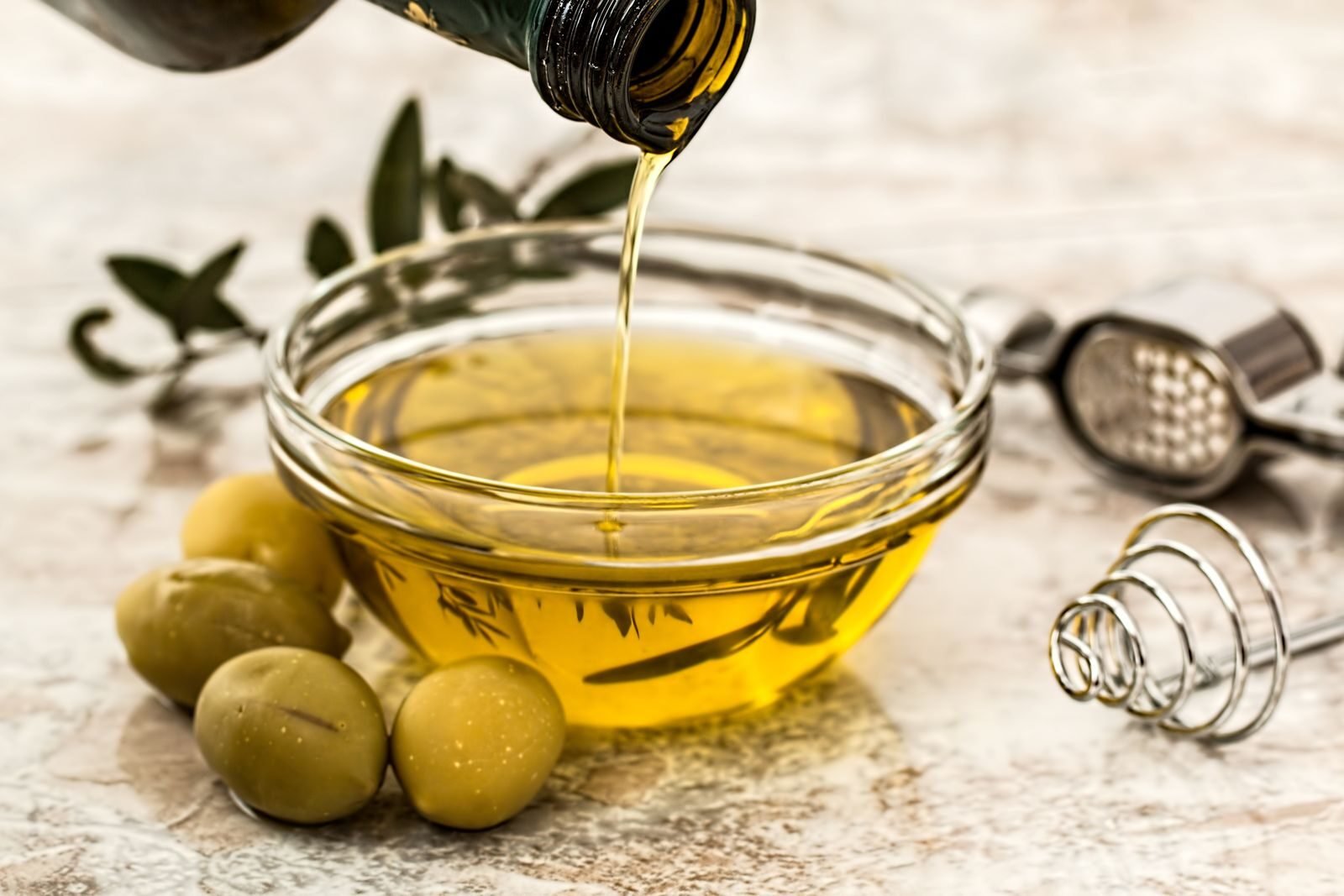
What real comparisons actually found
Here is where I want real data, not a marketing page.
A study compared cold pressing, hexane extraction, and CO2 extraction across six different plant seeds, pumpkin, flax, linden, poppy, apricot, and marigold (Schoss & Kočevar Glavač, 2024). CO2 came out ahead for four of the six seeds, especially ones with lower oil content. But for apricot, a seed with more oil to begin with, cold pressing worked just as well. Fatty acid composition barely differed between methods at all. CO2 did boost certain specific compounds, like squalene and some phytosterols, in some of the seeds, but not in a blanket, applies-to-everything way.
Here is the part that matters most.
The same study says directly that CO2 oils are often marketed as more stable and higher in antioxidants, but that a real, proven link between extraction method and antioxidant activity has not actually been established. A peer-reviewed paper is calling out the exact claim I see repeated on product pages.
A separate look at pomegranate seed oil compared cold pressing against microwave and ultrasound assisted extraction (Gök et al., 2024). Hexane solvent extraction gave the highest yield of all the methods tested. But the same paper points out that hexane cannot legally be used in EU cosmetics regulations at all, so the method that “won” on yield is not even usable for a skincare product in the first place. Efficiency and usability are two different questions, and a method can win one while failing the other completely.
That is the real pattern across this research. No method wins everything. Each one trades one thing for another.
Why “500 times more potent” should make you suspicious
When I see a number like that with nothing to compare it against, my training tells me to ask what exactly was measured, against what baseline, and by whom.
Potency compared to what, measured how, in what compound?
A real study will name the specific compound, the specific comparison method, and the specific baseline it is measuring against. A marketing page just gives you the number and moves on. That gap between a real measurement and a repeated number is exactly what my training in quality control taught me to notice, not the number itself, but whether it can actually be traced back to something measured.
So what should you actually look for
Do not ask which method is best. Ask what the product is trying to preserve.
If a product is built around a fragile, heat-sensitive compound, look for cold pressing or CO2 rather than solvent extraction. If it is built around something more heat-stable, the extraction method matters less than you’d think, and a cheaper solvent-extracted version might work just as well.
Be skeptical of any extraction claim with a number attached and no source. “500 times more potent” is not a fact, it is a sentence with nothing behind it. A brand that tells you which compound was measured, and against what, is giving you something you can actually check.
What to check before you buy
There is no winning extraction method, only a method that fits what is actually in the plant and what the brand is trying to keep intact. Cold pressing is gentle but pulls out less. Solvent extraction pulls out more but can leave residue behind. CO2 sits in between, and it can genuinely help with specific compounds, just not with everything, and not by the wild numbers some brands throw around.
Check what compound the product says it is built on, and whether the extraction claim on the label points to anything you could actually verify. If it does not, treat the claim the same way I do, as marketing until proven otherwise.
FAQs
Is cold-pressed or solvent extraction better?
Neither wins across the board. Cold pressing is gentler and keeps more heat-sensitive compounds intact but produces a lower yield. Solvent extraction pulls out much more oil but can leave trace solvent behind. Which is better depends on the specific plant and compound involved.
Is CO2 extraction actually better than cold pressed?
It depends on the plant and the compound. A real comparison across six plant seeds found CO2 extraction ahead for four of them, especially seeds with lower oil content, while cold pressing matched it for seeds with more oil. Neither method won every time.
Is CO2 extraction safe?
Yes. It uses pressurized carbon dioxide instead of a chemical solvent, so there is no solvent residue left behind, and no heat is needed either. It is generally considered one of the gentler extraction methods available.
Does extraction method affect how potent a plant extract is?
Yes, but not in a blanket way. Real studies show extraction method affects specific compounds differently, some compounds increase with CO2 extraction, others are better preserved by cold pressing, and fatty acid composition barely changes at all between methods. There is no single method that makes everything more potent.
Are marketing claims about extraction methods trustworthy?
Not automatically. A specific claim, like a number attached to potency, should be traceable to what was actually measured and compared. When a peer-reviewed study specifically found no proven link between extraction method and antioxidant activity, despite marketing claims saying otherwise, that is a sign to read extraction claims carefully.