


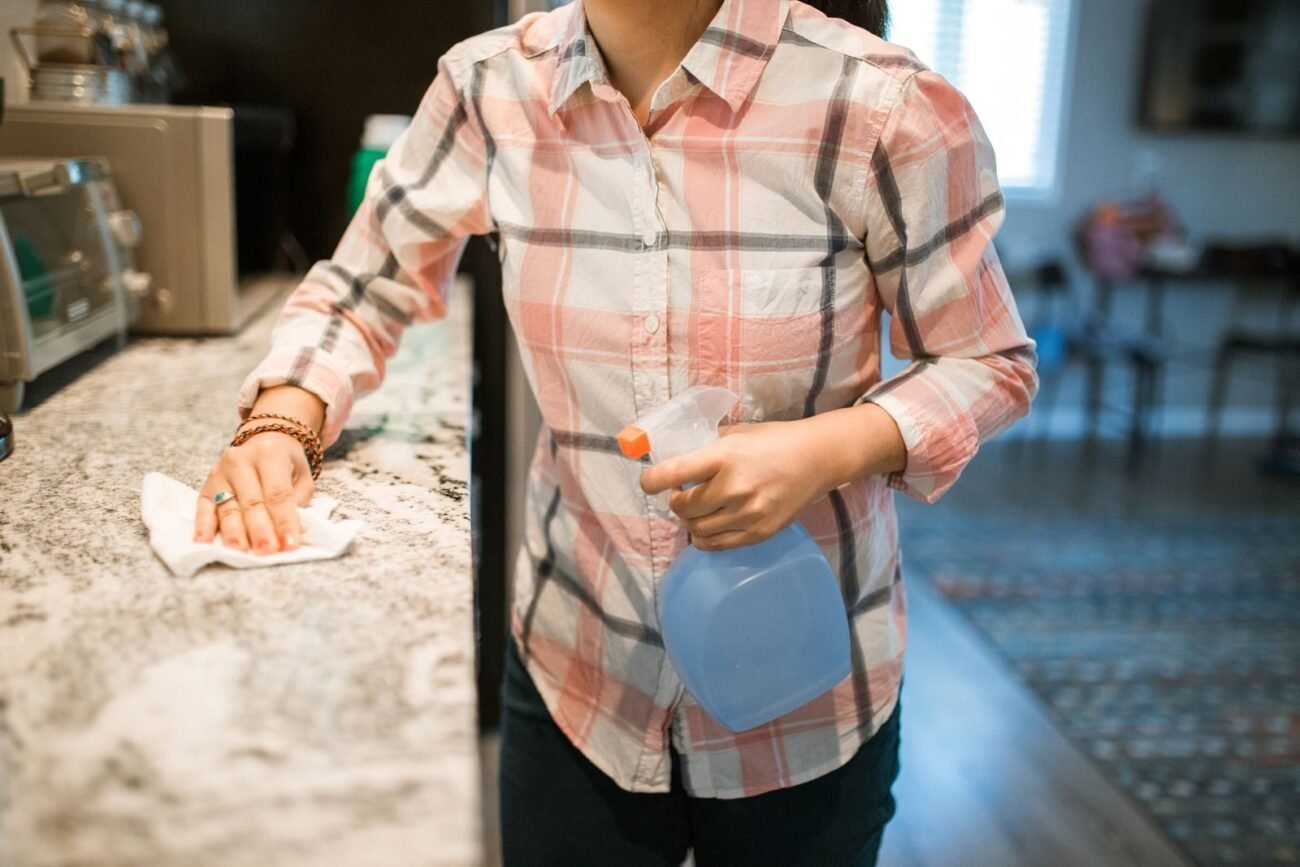
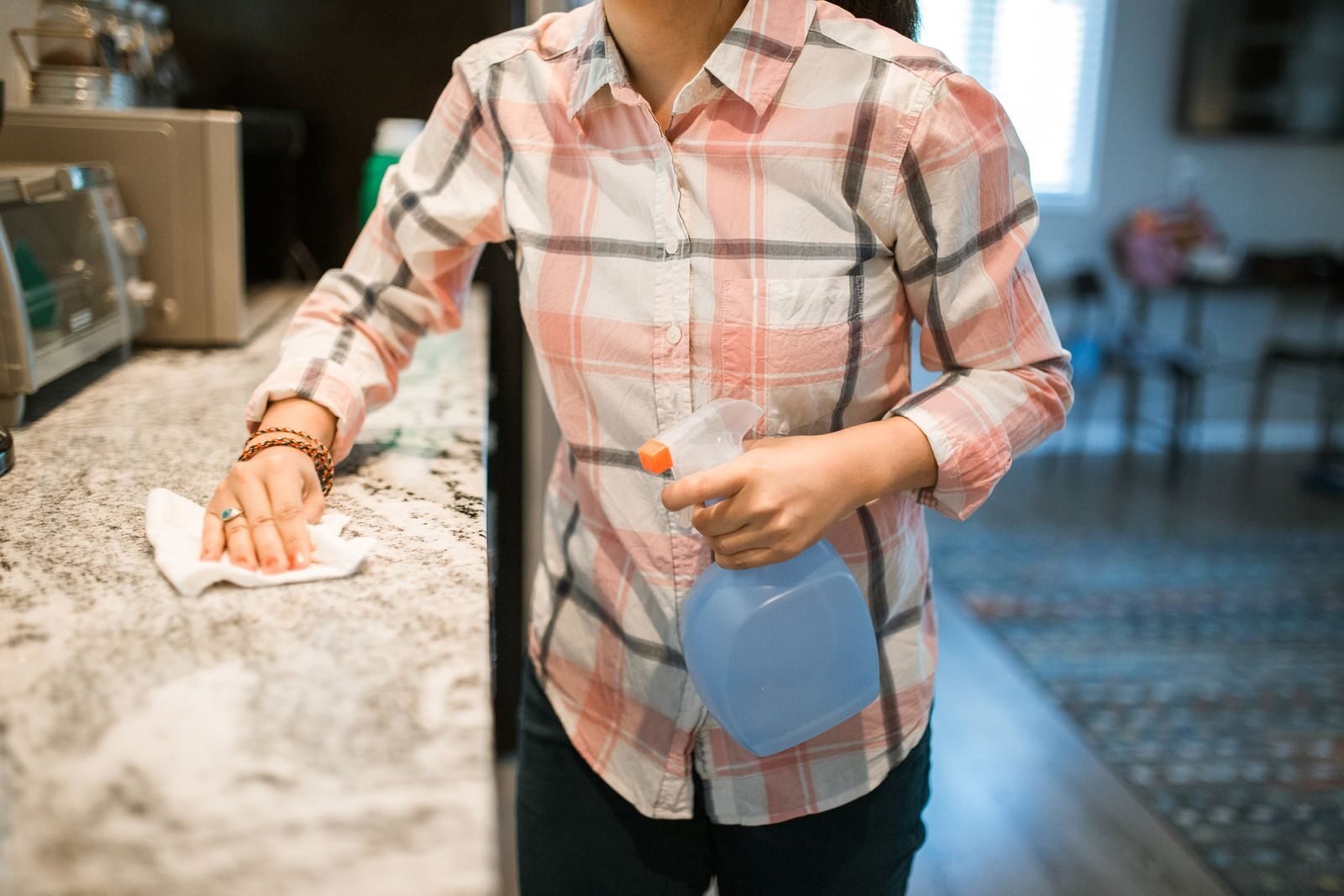
You have swapped to a plant-based cleaner, or you are thinking about it, and a small worry sits at the back of your mind.
Does this gentler-sounding spray truly clean, or have you traded real cleaning power for a nice smell and a green label?
So do plant-based cleaners work, or not?
I want to answer this carefully, because it depends on a distinction most bottles never explain. There are two different jobs here, cleaning and disinfecting, and once you separate them, the whole question becomes clear. As a scientist, keeping those two ideas apart is the first thing I do whenever someone asks me whether a cleaner is any good.
Two different jobs: cleaning and disinfecting
Let me set the two apart, because nearly all the confusion lives in treating them as one.
Cleaning means removing dirt, grease, and grime from a surface, and with it most of the germs, by lifting them off and washing or wiping them away.
Disinfecting means killing germs that are on the surface, to a set level, using a chemical made for that.
The people who study this draw the same line…
The Centers for Disease Control and Prevention describe cleaning as removing germs and dirt from surfaces, which lowers their numbers and the risk of spreading illness, and disinfecting as using chemicals to kill germs. They are two separate steps, and the advice is to clean first, then disinfect only when it is needed.
So “does a cleaner work” splits into two questions…
Does it clean well? And does it disinfect?
A plant-based cleaner can be excellent at the first and do nothing for the second, and that is not a flaw. It is doing the job it was built for.
Do plant-based cleaners clean well? Yes
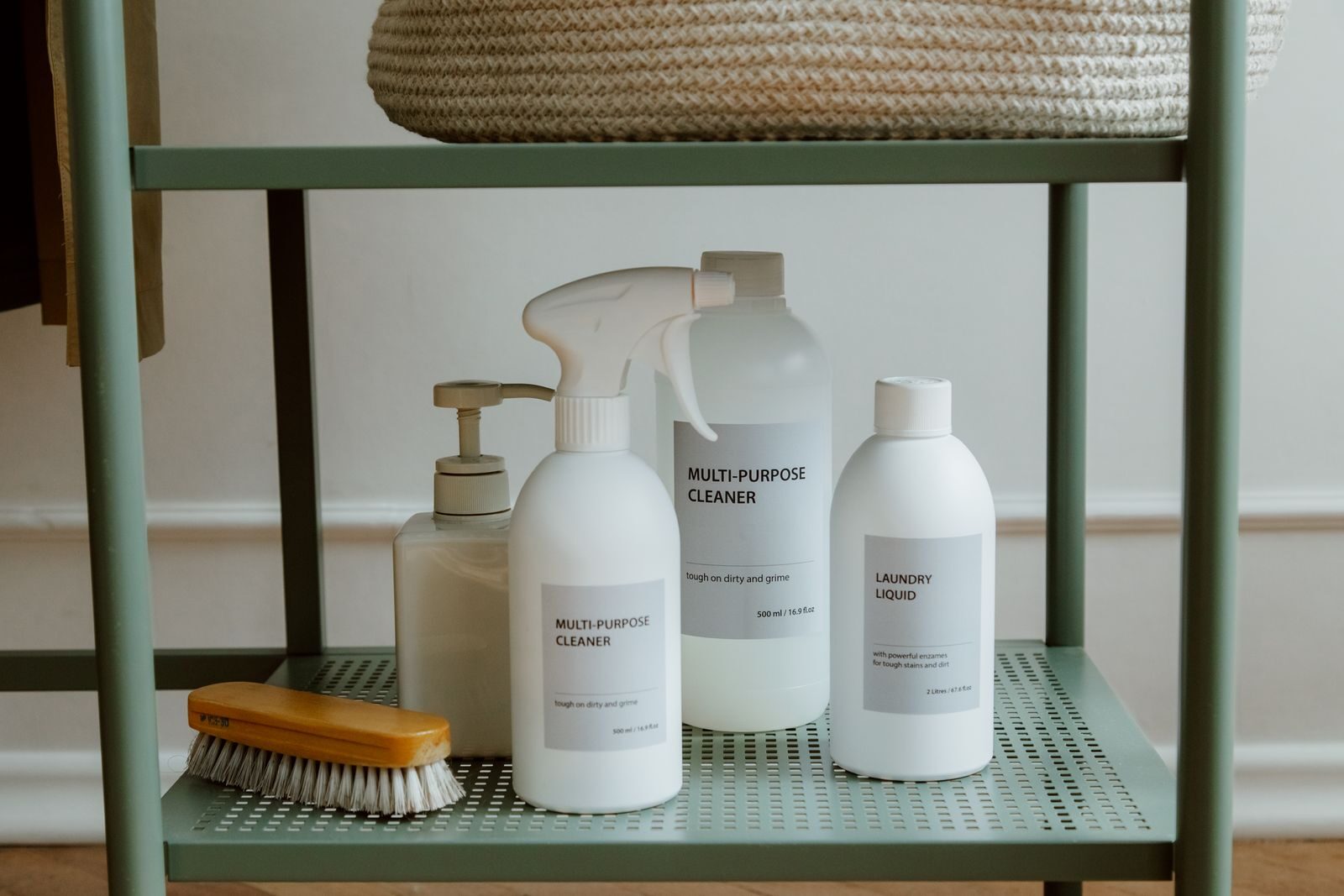
Here is the part I can answer plainly. For everyday cleaning, plant-based cleaners work.
The cleaning comes from surfactants, the molecules that grab grease and lift dirt so you can wipe it away. Plant-based surfactants do this by the same physical action as any other surfactant. There is nothing about coming from a plant that makes them worse at lifting dirt. On an everyday kitchen counter or bathroom sink, a good plant-based cleaner removes grime as well as a conventional one.
And removing dirt does more than you might think. Because germs sit in and on the grime you are wiping off, thorough cleaning physically carries most of them away with it.
Good cleaning alone takes a large share of the microbes off a surface, not by killing them, but by removing them. So for the daily reality of most homes, wiping surfaces with a plant-based cleaner is doing real, useful work.
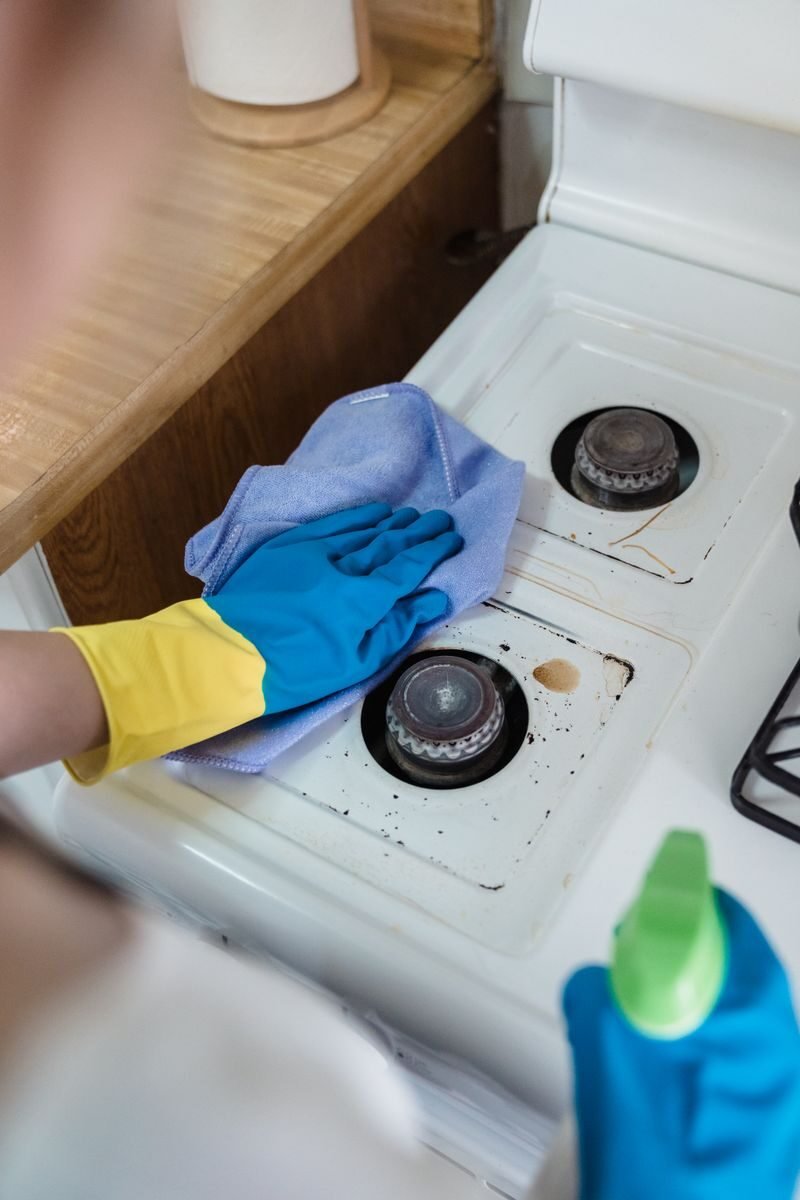
Do plant-based cleaners disinfect? Usually not, and that is the catch
Now the honest limit. Most plant-based cleaners are cleaners, not disinfectants, and “plant-based” on the label tells you nothing about killing germs.
Disinfecting is a higher bar. It means killing a defined share of specific germs within a set contact time, tested and proven. A peer-reviewed study comparing home products found that commercial chemical disinfectants killed pathogens very effectively, while natural products were less effective at outright killing them, with things like vinegar reducing germs far less than a registered disinfectant. So when a true kill is the goal, tested disinfectants clearly do more.
This is where I get firm, because it is where people are misled. A plant-based spray that says nothing about being a disinfectant is almost certainly not one. And the word “plant-based” itself is silent on the matter, since it describes where the ingredients came from, not whether they kill germs. If a plant-based product genuinely disinfects, it will say so and carry a registration to back it, because that claim has to be earned by testing.
No claim, no disinfection. A bold “kills 99.9% of germs” line is one worth checking rather than trusting on sight, which is the sort of claim I built a greenwashing score tool to help you weigh.
So when does the difference actually matter?
Here is the practical part, and it is more reassuring than the fuss around disinfecting suggests.
For most of your home, most of the time, you do not need to disinfect. Cleaning is enough. Wiping the counter after breakfast, the coffee table, the shelves, all of that is a cleaning job, and a plant-based cleaner handles it. Reaching for a strong disinfectant on every surface every day is not necessary, and it is not a better way to live.
Disinfecting earns its place in specific moments: after preparing raw meat, when someone in the house is ill, or on high-touch spots during a bug going round. In those cases, clean the surface first to remove the dirt, then use a product tested and stated to disinfect, used for the contact time on the label.
That product can be plant-based or conventional, what counts is that it is proven to disinfect, not what it is made from. I would not rely on an ordinary plant-based cleaner, or on vinegar, to make a raw-meat surface safe, and I would not want you to either.

How I would choose and use one
So here is what I actually do, and what I would suggest.
For everyday cleaning, I am happy with a good plant-based cleaner, and I judge it on how well it lifts dirt, not on scent or a green label. For the few times a real kill is needed, I keep a tested disinfectant and use it properly, clean first, then let it dwell. And I do not overbuy the “kills 99.9%” promise on a cleaner that is mainly there to wipe up crumbs.
One more small thing that helps: use the right amount. More cleaner does not clean better past the point the job needs, and with concentrates the dilution on the label is there for a reason. If you use a concentrated plant-based cleaner, my dilution calculator can help you mix it at the strength intended rather than guessing.
That is the shape of it. Plant-based cleaners work, for cleaning, which is what most of your home needs. They mostly do not disinfect, and “plant-based” never promised they would. Clean with them freely, disinfect with a tested product when the moment calls for it, and you have the best of both.
Summary
“Do plant-based cleaners work” splits into two questions, because cleaning and disinfecting are different jobs. Cleaning removes dirt and most germs by lifting them off the surface. Disinfecting kills germs to a tested level using a chemical made for it. The CDC treats these as two separate steps.
For everyday cleaning, plant-based cleaners work well. Their surfactants lift dirt by the same physical action as any other, and removing dirt carries most germs away with it, so daily wiping does real work. What they usually do not do is disinfect. Most are cleaners, not disinfectants, and a peer-reviewed comparison found natural products far less effective at killing pathogens than registered disinfectants. The word “plant-based” says nothing about killing germs either way.
For most of the home, cleaning is enough and a plant-based cleaner is a fine choice. For specific moments, after raw meat, during illness, on high-touch spots, clean first, then use a product tested and stated to disinfect, whatever it is made from. Judge a cleaner on how it lifts dirt, treat “kills 99.9%” claims with care, and use the right amount.
Common questions
Do plant-based cleaners work?
For everyday cleaning, yes. Their surfactants lift dirt and grease as well as conventional ones, and removing dirt takes most germs off the surface with it. Where they usually fall short is disinfecting, which is a separate job, so judge a plant-based cleaner on how well it cleans, and use a tested disinfectant for the few times a real germ-kill is needed.
Do plant-based cleaners disinfect or kill germs?
Most do not. Cleaning removes germs by lifting them away, but disinfecting means killing them to a tested level, and most plant-based cleaners are not registered to do that. The label “plant-based” describes the ingredients’ origin, not whether they kill germs. If a product genuinely disinfects, it will say so and carry a registration, so no such claim means no disinfection.
Are plant-based cleaners as effective as chemical ones?
For cleaning, they can be just as effective, since lifting dirt is a physical action any surfactant can do. For disinfecting, a peer-reviewed study found natural products much less effective at killing pathogens than registered chemical disinfectants. So for daily cleaning they hold up well, but for a true kill a tested disinfectant does more.
When do I actually need to disinfect rather than clean?
Not as often as many people think. For most surfaces, cleaning once a day is enough. Disinfecting is worth it after handling raw meat, when someone at home is ill, or on high-touch surfaces during an outbreak. In those cases, clean the surface first, then use a product tested and stated to disinfect, following the contact time on the label.
Can I use a plant-based cleaner after raw meat?
Clean with it, but do not rely on it to make the surface safe. An ordinary plant-based cleaner removes dirt but is unlikely to be a disinfectant, and raw-meat contamination is a moment where a real kill matters. Clean the surface first, then use a product proven and labelled to disinfect, whether it is plant-based or conventional.