






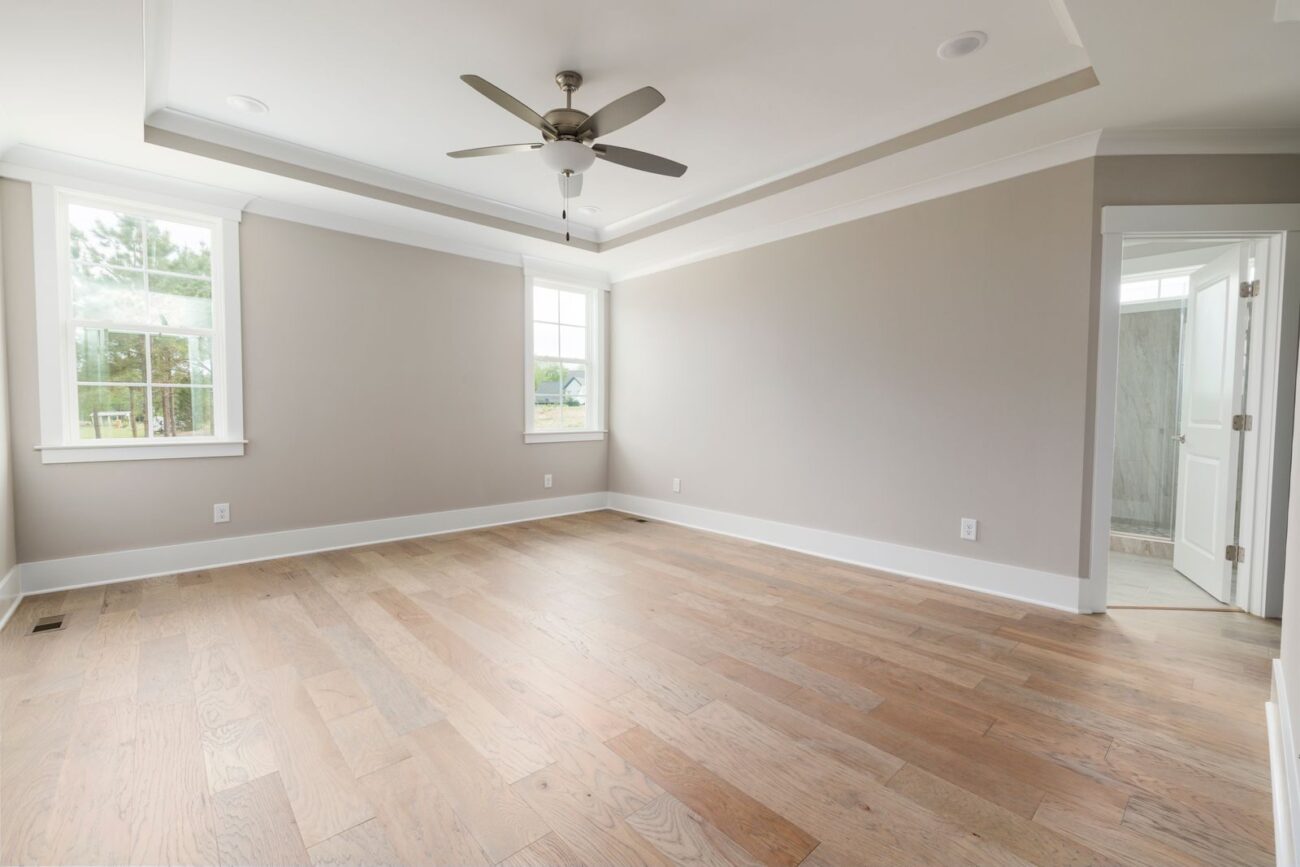
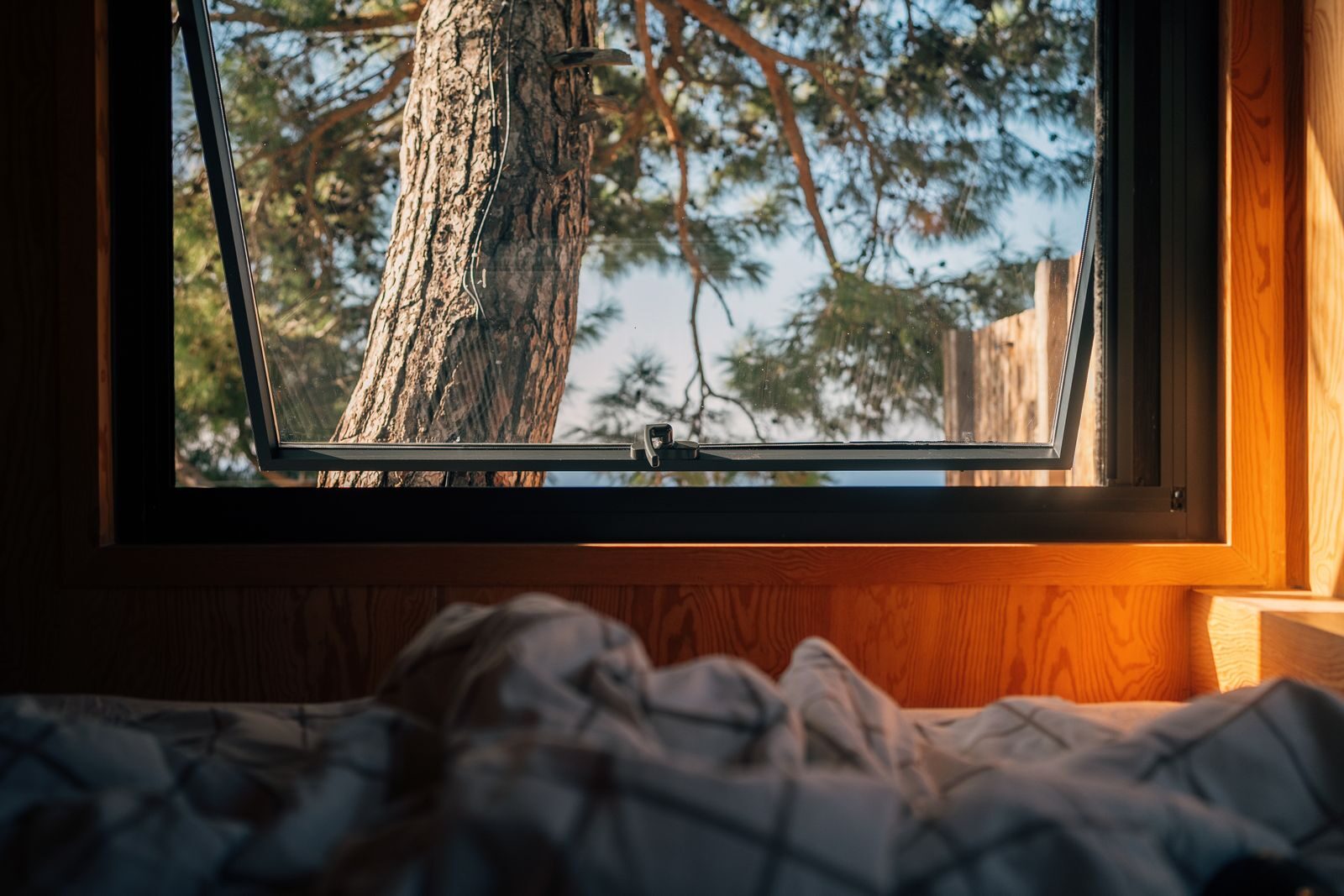
Most summer days where I live climb to around 34 degrees Celsius, dropping to around 23 at night.
That night-time number should feel comfortable, and some nights it does.
Other nights I open the windows, switch on a fan, and somewhere later the room stops feeling fresh and starts feeling muggy instead, heavy and a little sticky, even as the temperature keeps dropping.
For a long time I just closed everything and put up with sweating through it.
There is a real reason for that shift, and I now handle it differently than I used to.
Why your house lags behind the temperature outside.
A house does not track outdoor temperature in real time.
Walls, floors, and furniture hold onto heat and release it slowly, so a home can stay warm well after the air outside has cooled.
This is the same reason a room stays cold for a while after you turn the heating on in winter, just working in the opposite direction here.
Opening windows at night to let that stored heat out, then closing them again before the day heats back up, has a name in building science.
It is sometimes called night purge cooling, or a night flush.
The idea is simple: swap the trapped warm air for cooler outside air while the temperature difference is in your favour, then seal the house before the sun starts working against you again.
It is the summer mirror of something I have written about for winter, where short bursts of airing clear stale air fast without draining the heat from the walls.
Here the goal flips. You want the cool night air reaching the walls and furniture, not just passing through the room.
Why the air can turn muggy instead of cool
This is the part that caught me off guard until I looked into it properly.
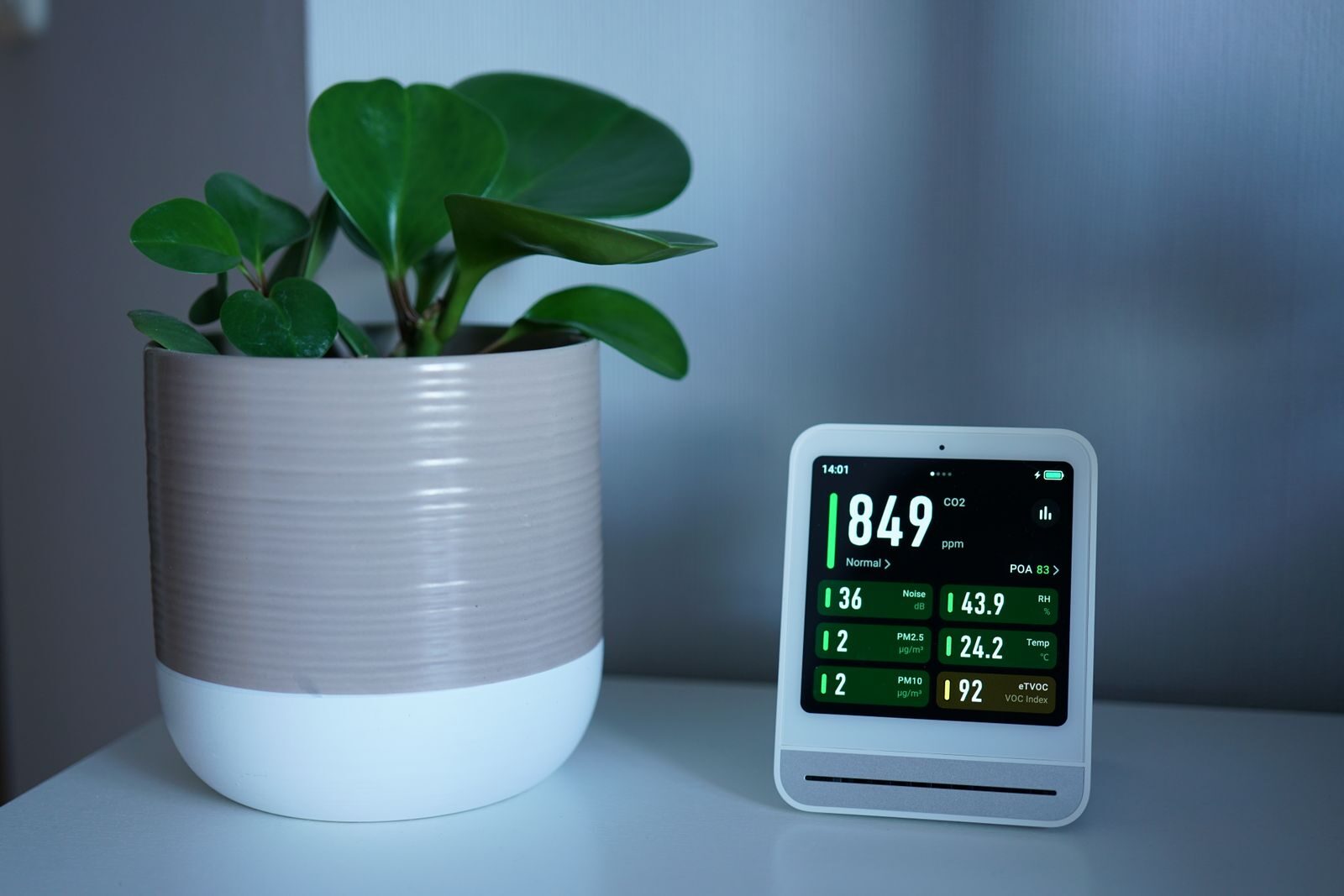
Relative humidity does not stay flat overnight. It climbs as the temperature drops, even if the amount of moisture in the air barely changes.
Air has a shrinking capacity to hold water vapour as it cools, so the same amount of moisture takes up a bigger share of that capacity as the night goes on.
I studied how gases move between a surface and the air above it, and this is the same underlying idea, just showing up here as humidity instead of something like carbon dioxide.
As the air temperature gets closer to the dew point, the specific temperature at which air becomes fully saturated, humidity climbs toward its peak, usually in the early hours before dawn.
The National Weather Service puts a real scale on this, and I find it a useful one to keep in mind: a dew point at or below 55°F feels dry and comfortable, 55 to 65°F starts turning sticky with muggy evenings, and 65°F or higher feels oppressive regardless of the air temperature.
That number, not the temperature reading, is what tells you whether opening the window will help or work against you.
That is why dew forms on grass and windows overnight, and it is the same reason a bedroom that felt pleasantly cool at ten in the evening can feel damp and heavy by two in the morning, even though the thermometer shows a lower number.
So the mugginess is not confusion or a faulty sense of temperature. It is a real shift in the air itself.
In dry climates with big swings between day and night temperatures, night purge cooling works very well, since the air stays comfortable as it cools.
In humid climates, or on humid nights anywhere, that same cooling air can carry rising humidity along with it, and leaving the windows open too long stops helping and starts working against you.
My own rule of thumb now: if I can check a dew point reading before I open anything, I do, and above 65°F I do not bother opening the windows for cooling at all, since I know the air will not reward it.
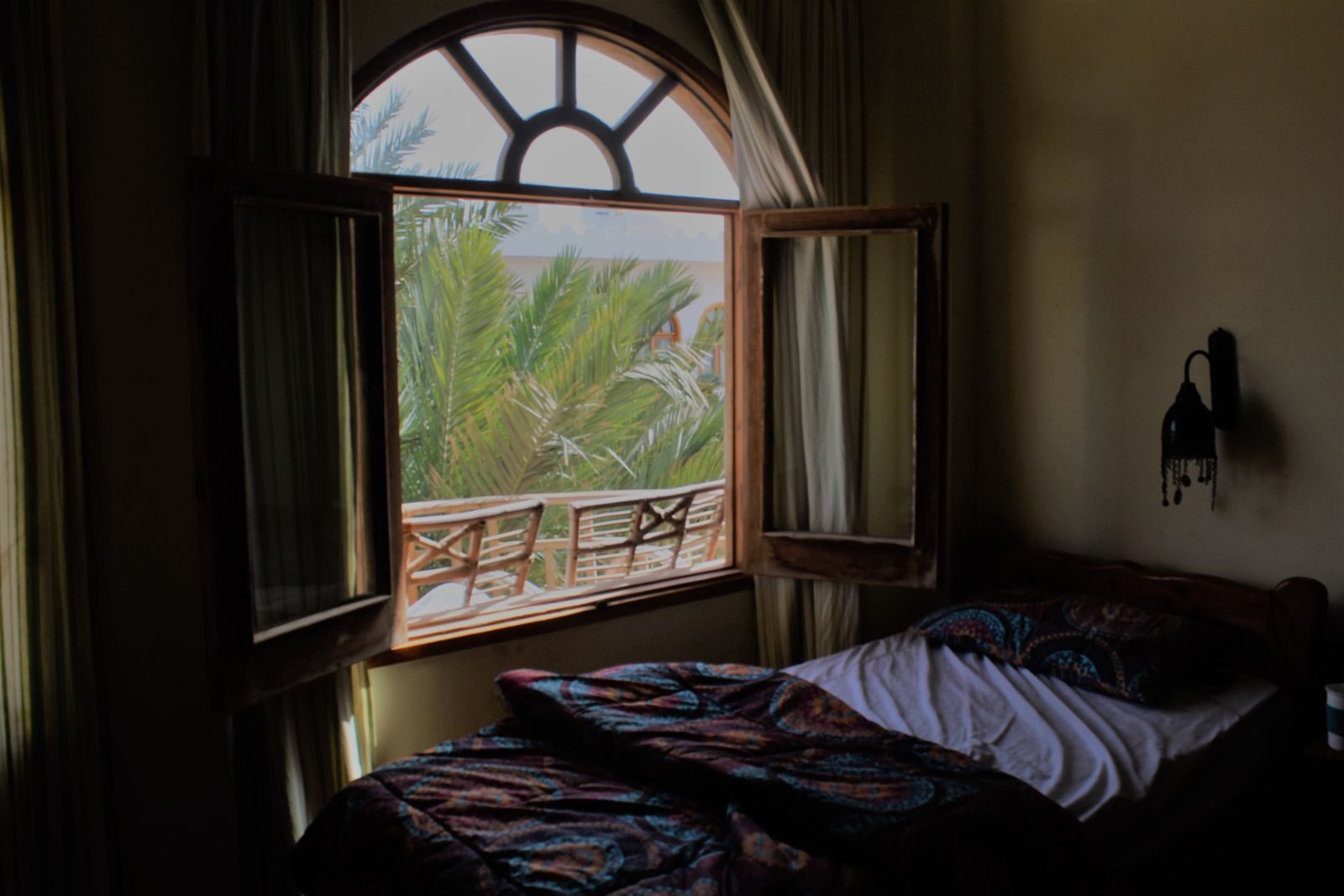
What a fan does once the air turns muggy
My instinct used to be to switch the fan off along with closing the windows, since it felt like there was no point moving humid air around.
That instinct was not quite right, and it is worth knowing why.
A fan does not lower the temperature of a room at all.
It cools you by moving air across your skin, which speeds up the evaporation of sweat, the same mechanism your body already uses to cool itself.
That effect works whether the window is open or shut, since it depends on air movement across your skin, not on bringing in fresh air from outside.
High humidity does reduce how well this works, since sweat evaporates more slowly into air that is already carrying a lot of moisture.
Reduced is not the same as gone, though, and this is the one correction I would make to my own past habit, loudest and clearest of everything here.
Closing the windows once the air turns muggy, but leaving the fan running, keeps the part of the cooling that still works, rather than giving up the whole thing at once the way I used to.
Does closing or opening vents make a difference, and which windows should you open?
Cool air is denser than warm air, so it sinks, while warm air rises.
That single fact is worth using on purpose.
Opening lower windows on the cooler side of the house lets cool night air flow in low, while opening upper windows, or windows on the warmer side, gives the rising warm air somewhere to escape.
That combination moves air through a room rather than just letting it sit near an open window, which is the same cross-ventilation principle behind why two open windows work better than one.

What I do now
I still open the windows and run the fan early in the night, while the air outside is still clearly cooler and drier feeling than the air trapped inside.
Once it starts to feel muggy rather than fresh, I close the windows, but I leave the fan running rather than switching everything off.
On nights that stay humid the whole way through, dew point sitting high from the start, I no longer expect the open-window trick to do much, and I stop fighting it rather than wasting the evening on a method that was never going to work that night.
Of everything here, keeping the fan on instead of turning it off is the change that has made the most real difference to how I sleep.
Summary
A house holds onto heat well after the outside air has cooled, which is the idea behind night purge cooling, opening windows at night and sealing the house again before the day heats up. The catch is that relative humidity rises overnight even when the moisture in the air does not change much, since cooling air has less capacity to hold water vapour as it approaches the dew point.
A dew point at or below 55°F feels dry, 55 to 65°F turns sticky, and above 65°F feels oppressive regardless of the temperature reading, which is why a bedroom can feel muggy rather than fresh later in the night even as the temperature keeps dropping. A fan cools you by moving air across your skin to speed up evaporation, not by lowering room temperature, so it still helps with the windows closed, even if humidity reduces how well it works.
Cool air sinks and warm air rises, so opening lower windows for intake and higher windows for escape moves air through a room more effectively than a single open window.
Questions worth asking
Should you open windows at night in summer?
Usually yes, while the air outside is still clearly cooler than the air trapped indoors. Once the air starts feeling muggy rather than fresh, closing the windows again, while keeping a fan running, tends to help more than leaving everything open.
Why does my house feel hot and muggy at night even as the temperature drops?
Relative humidity rises as air cools, since cooler air can hold less water vapour for the same moisture content. As the temperature nears the dew point overnight, the air can feel damp and heavy even though it is objectively cooler than earlier in the evening.
Does a fan still help if the air is humid?
Yes, though less than in dry conditions. A fan cools by speeding up sweat evaporation from your skin, not by lowering the room’s temperature, so it works with the windows open or closed. High humidity slows that evaporation but does not stop it.
Which windows should you open to cool a house at night?
Cool air sinks and warm air rises, so opening windows lower down on the cooler side of the house, along with windows higher up or on the warmer side, lets air move through the room rather than settling near a single opening.