








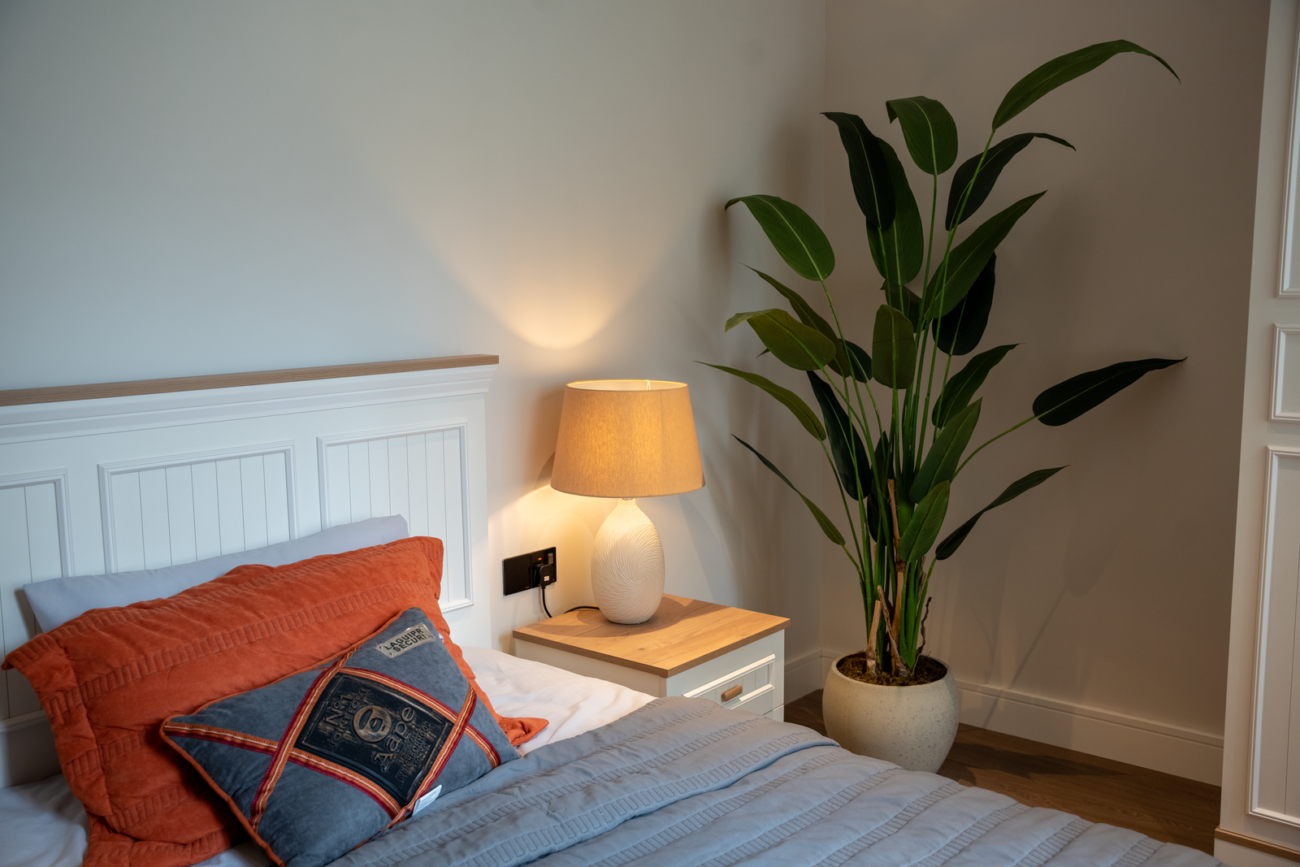
Have you been told not to keep plants in your bedroom because they give off carbon dioxide at night and steal your air while you sleep?
It is one of the oldest plant worries going, and I get why it sounds convincing. So let me put your mind at rest with what really happens, because I have spent a lot of time measuring exactly this kind of thing.
My background is in plant biology, and a big part of my field research was measuring the carbon dioxide that plants and soil give off, the gas that comes out of living things as they use energy. So when someone asks me whether a plant in the bedroom is quietly gassing them at night, this is not a guess for me.
I have watched those numbers come off real plants and real soil, in the light and in the dark. The short version: yes, plants do give off a little carbon dioxide at night, and no, it is not something to worry about. Here is why.
Why plants give off carbon dioxide at night
Plants do two opposite things with air, and the confusion comes from mixing them up.
In daylight, plants photosynthesise. They take in carbon dioxide, use sunlight as energy, and give off oxygen. This is the famous one, and it is why we think of plants as making oxygen.
But plants also respire, just like we do. Respiration is how a living thing turns its stored sugar into energy, and it gives off carbon dioxide as a by-product. Here is the key point: respiration happens all the time, day and night. It never stops.
So in the day, both things happen at once, but photosynthesis is so much stronger that the plant is a clear net producer of oxygen. At night, with no light, photosynthesis switches off. Respiration carries on.
So during the night, a plant is only respiring, which means it takes in a little oxygen and gives off a little carbon dioxide. That part of the worry is true. The plant really does give off CO2 at night.
The myth is not about whether it happens. It is about how much.
How much carbon dioxide are we really talking abou
This is where my work comes in, because the amount is the whole story, and it is tiny.
I have spent a lot of time measuring the carbon dioxide that plants and soil give off. The thing that stays with you is how small it is. You need careful, sensitive equipment just to catch it against the normal air around it. A plant is not pumping out gas. It gives off a tiny trickle that only good instruments can pick up.
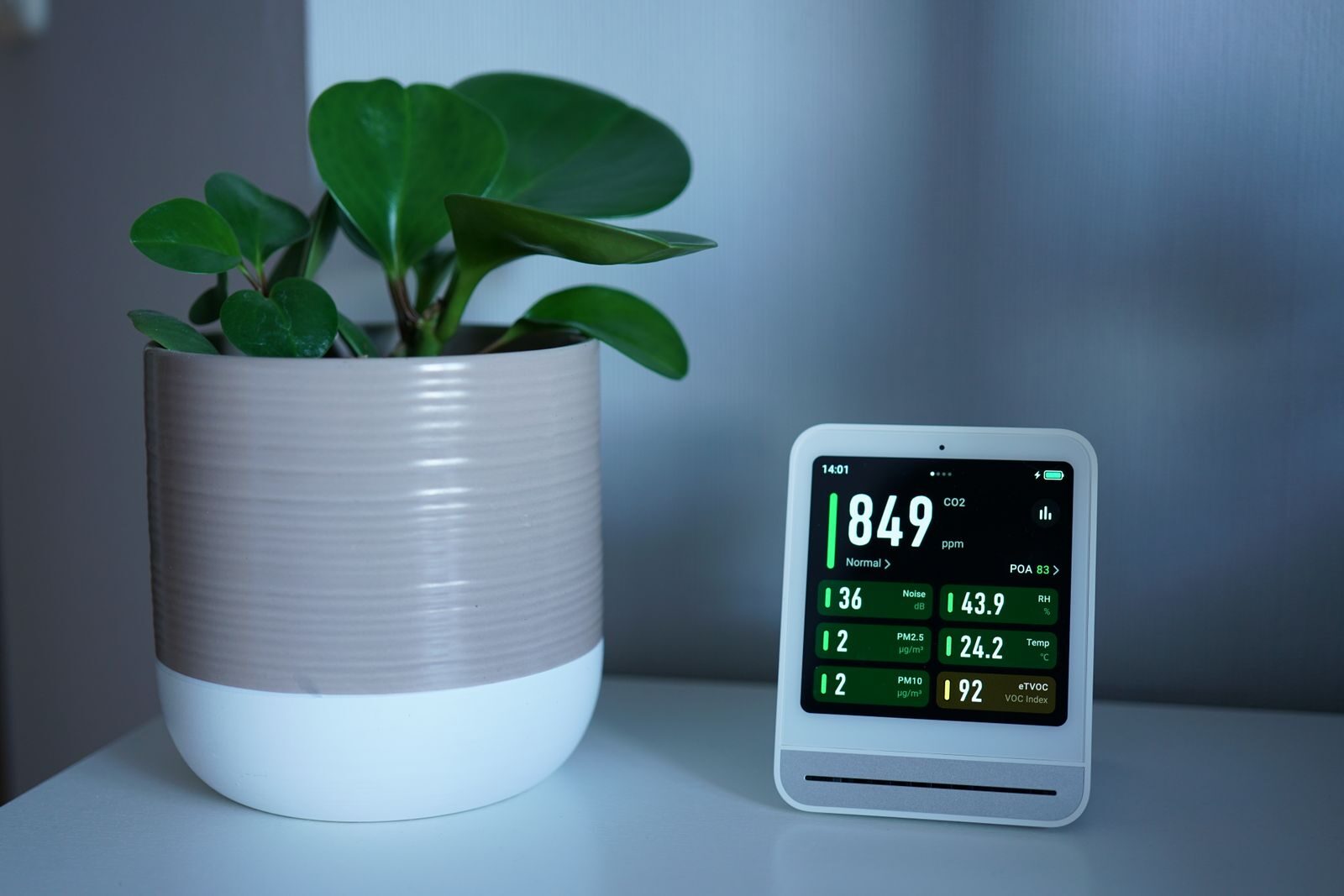
The measured numbers show this clearly. When a houseplant is tracked in a room over a full day and night, a rubber plant raised the room’s carbon dioxide by only about 351 parts per million across the whole night. Now compare that to a person. One human breath out is around 35,000 parts per million. So over eight hours, the plant adds a tiny fraction of what you breathe out in one single breath. You are not competing with the plant for air. Next to your own breathing, the plant is almost nothing.
That is the part the myth leaves out. The carbon dioxide is real, and you can measure it, which is why the scary version sounds true. But the amount is so small that the idea of a few plants pulling the air out of your bedroom does not match the numbers at all.
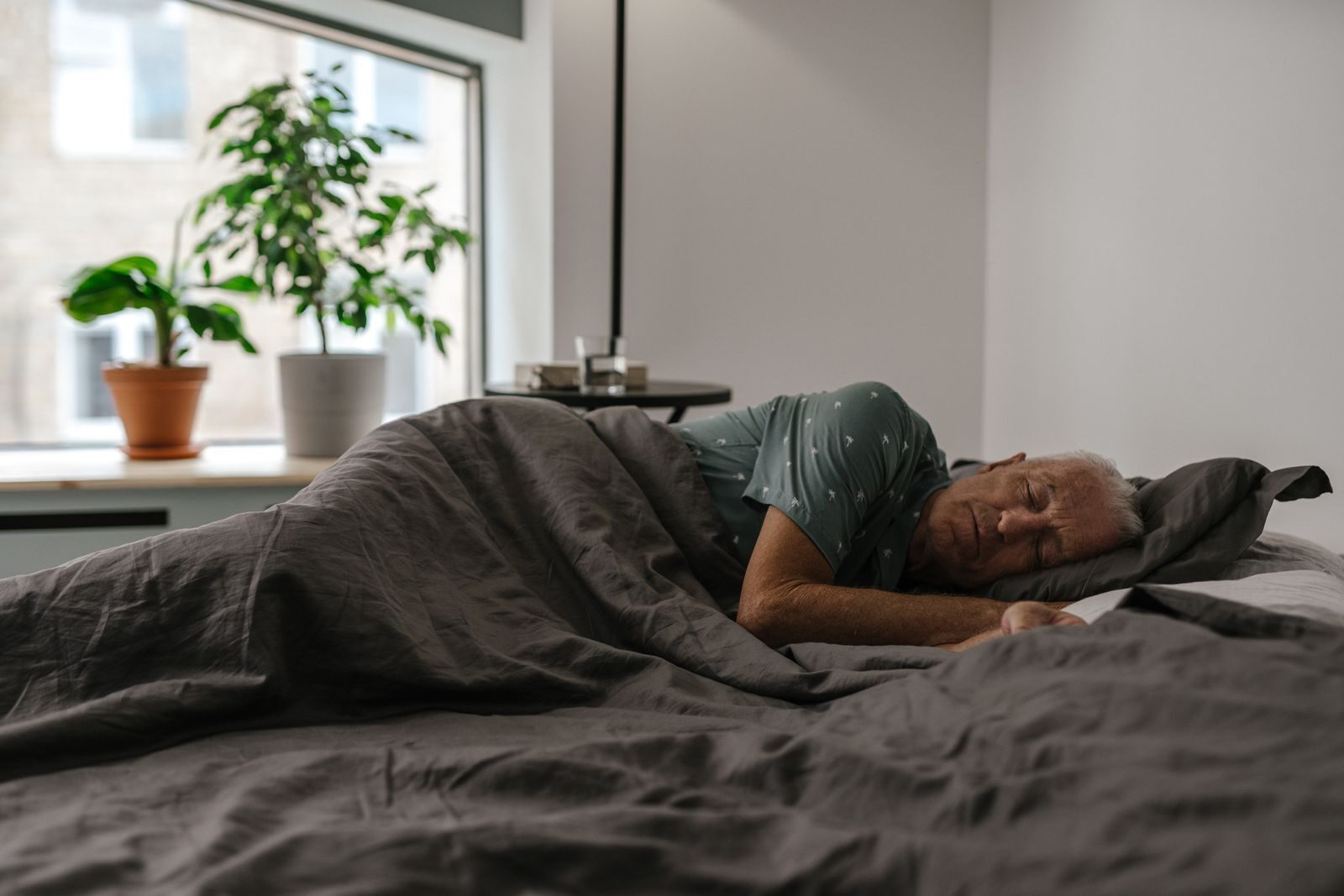
.
So is it safe to sleep with plants in your bedroom?
Yes. Comfortably yes. The idea that plants make a bedroom dangerous at night is a myth, and once you see the numbers it falls apart.
Think about it this way. If a single plant’s night-time carbon dioxide were a real danger, then sharing a bed with another person, who gives off far more, would be far worse, and sharing a room with a pet would be risky too. We do both without a second thought. A plant adds less to the room than a sleeping cat. So if you are happy to share a room with a partner, a child, or a pet, a plant is not the thing to worry about.
People always ask about my own home, so here it is. In winter I keep a plant indoors. In summer I move my plants out to the balcony, not for any safety reason, but because that is where I sit with friends and family, and they make the space beautiful.
So I have lived on both sides of this question, inside and out. If you want a plant in your bedroom, the carbon dioxide is no reason to hold back. Keep them inside or outside as you like. That choice is about what suits your life, not about any danger.
The plants that give off oxygen at night
Here is a nice twist that explains some of what you may have read. A few special plants really do give off oxygen at night, the opposite of the usual pattern.
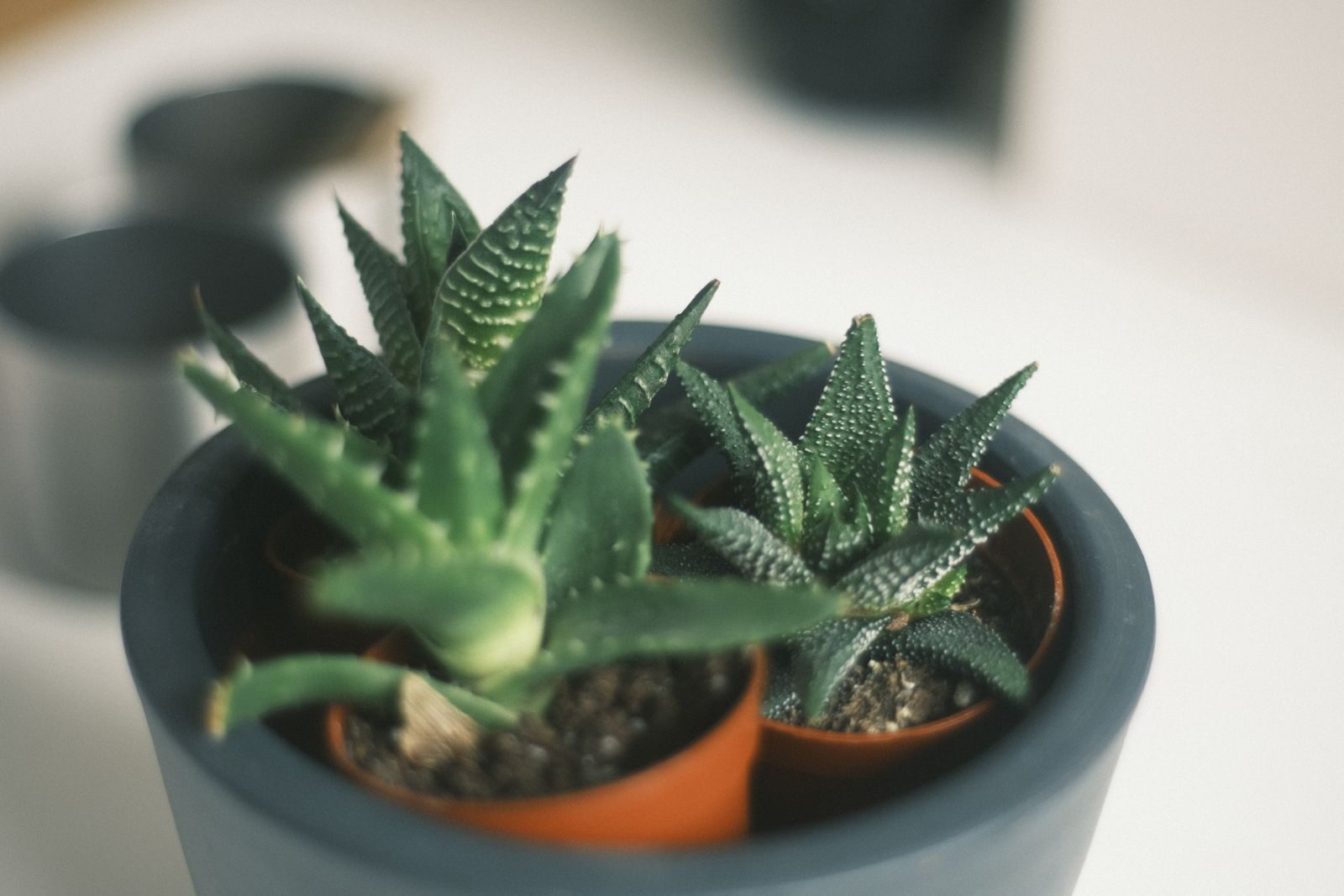
These are called CAM plants, and they include succulents, snake plants, aloe vera, and orchids. They evolved in hot, dry places, and to save water they keep their pores shut during the hot day and open them at night instead. This means they take in carbon dioxide at night, when it is cooler and they lose less water. As a side effect, they can release a little oxygen at night too.
This is why you often see snake plants and aloe recommended as bedroom plants. The claim that they “give oxygen at night” is broadly true for this group. I would not oversell it, the amounts are still small, so a snake plant will not noticeably change the oxygen in your room.
But if you like the idea of a plant that breathes more like you do at night, the CAM plants are a pleasant, real example, and they happen to be tough and easy to keep alive too.
What really counts for plants in the bedroom
So the carbon dioxide worry is settled. If you do want plants where you sleep, here are the things really worth a thought instead.
Pets. Several popular bedroom plants, including peace lily and pothos, are toxic to cats and dogs if chewed. If a pet shares your room, choose pet-safe plants or keep them out of reach.
Damp and mould. A plant that is overwatered sits in damp soil, and damp soil in a warm bedroom can grow mould on the surface. Water sensibly and let the soil dry between waterings, and this is a non-issue.
Strong scent. A few heavily perfumed flowering plants can be too much in a small bedroom for scent-sensitive people. That is about comfort, not safety.
None of those are the carbon dioxide myth. They are the real, small, practical things, and all of them are easy to manage.
Summary
Plants do give off a little carbon dioxide at night. This is true, and it happens because plants respire all the time, while the photosynthesis that produces oxygen only happens in daylight. So at night a plant is only breathing out, not making oxygen.
But the amount is tiny. Measured over a whole night, one plant adds far less carbon dioxide to a room than a single sleeping person gives off. The worry that plants steal your air at night does not match the real numbers.
So it is safe to sleep with plants in your bedroom. If you happily share a room with a partner or a pet, who give off much more carbon dioxide, a plant is nothing to fear.
A few plants, the CAM group like snake plants, aloe, and succulents, even take in carbon dioxide and give off a little oxygen at night, which is why they are popular bedroom choices.
The things actually worth a thought with bedroom plants are pet safety, damp soil and mould, and strong scent, not the carbon dioxide myth.
Common questions
Do plants give off carbon dioxide at night?
Yes, plants respire all the time and give off carbon dioxide as they do, day and night. During the day photosynthesis makes far more oxygen than the plant uses, but at night, with no light, only respiration is happening, so the plant gives off a small amount of carbon dioxide.
Is it safe to sleep with plants in your bedroom?
Yes. The carbon dioxide a plant gives off overnight is tiny, far less than a sleeping person or pet in the same room. The old worry that plants make a bedroom unsafe is a myth.
How much carbon dioxide do plants release at night?
Very little. Studies measuring a houseplant over a full night show it raising room carbon dioxide by only a few hundred parts per million, while a single human breath is around 35,000 parts per million. One plant adds far less than you do simply by breathing in your sleep.
Which plants give off oxygen at night?
The CAM plants, which include snake plants, aloe vera, succulents, and orchids, take in carbon dioxide at night and can release a little oxygen. The amounts are small, so they will not noticeably change your room’s air, but the claim is broadly true for this group.
Why do people say not to keep plants in the bedroom?
The idea comes from the fact that plants give off carbon dioxide at night, which sounds alarming. It became a myth because it leaves out the amount, which is tiny and harmless. The reasoning would also rule out sharing a room with a person or pet, which no one worries about.
What should I really consider with bedroom plants?
Pet safety, since some popular plants are toxic to cats and dogs if chewed; damp soil, since overwatering can grow surface mould in a warm room; and strong scent for sensitive sleepers. These are all easy to manage, and none of them is the carbon dioxide myth.