




Will a dehumidifier get rid of your mould?
It is one of the most common things people ask before buying one, and the answer is yes and no. A dehumidifier can be a real help against mould, but only if you understand what it really does, and what it cannot do.
I look at this through the way I am trained to think about moisture and measurement. So let me give you the clear version: what a dehumidifier does, where it helps, where it does not, and how to use one so it makes a difference.
What a dehumidifier does
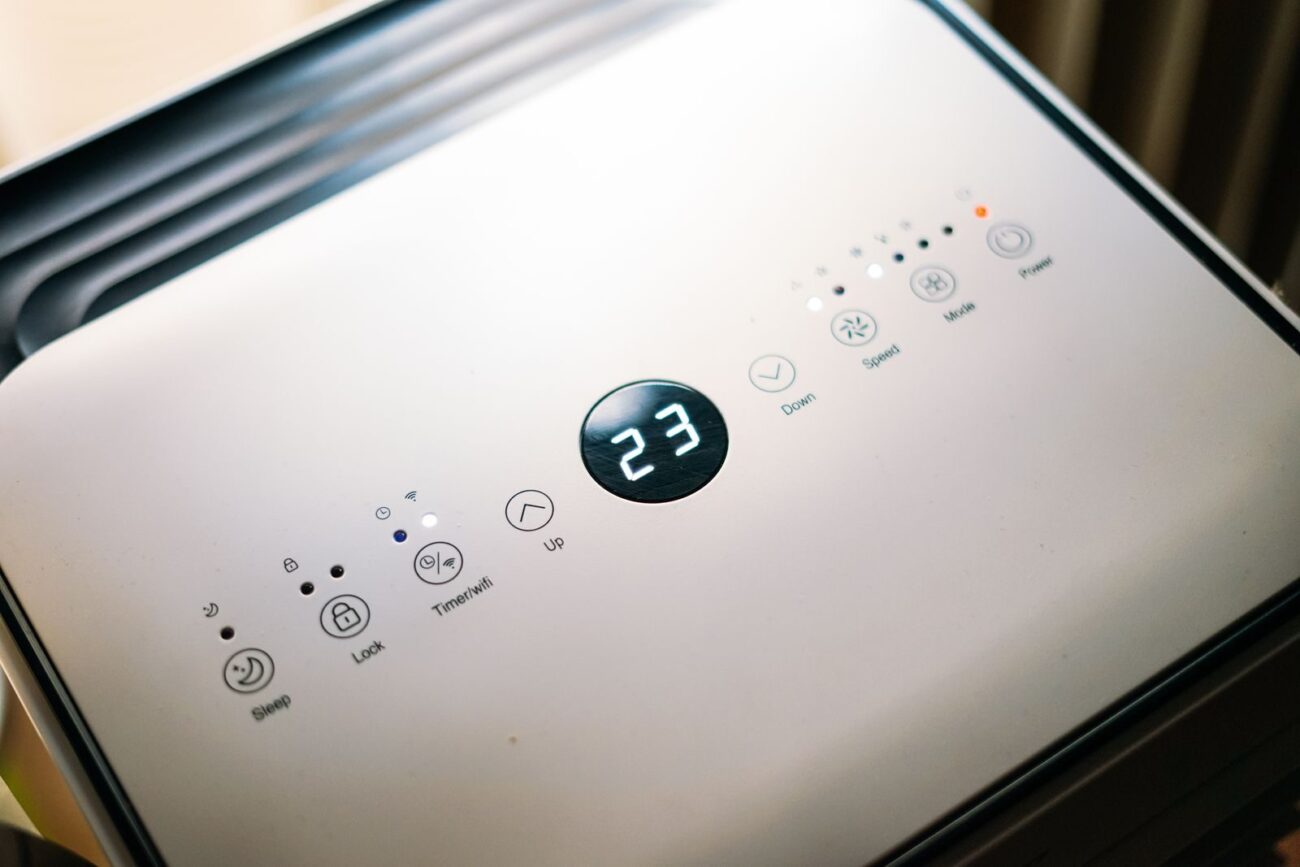
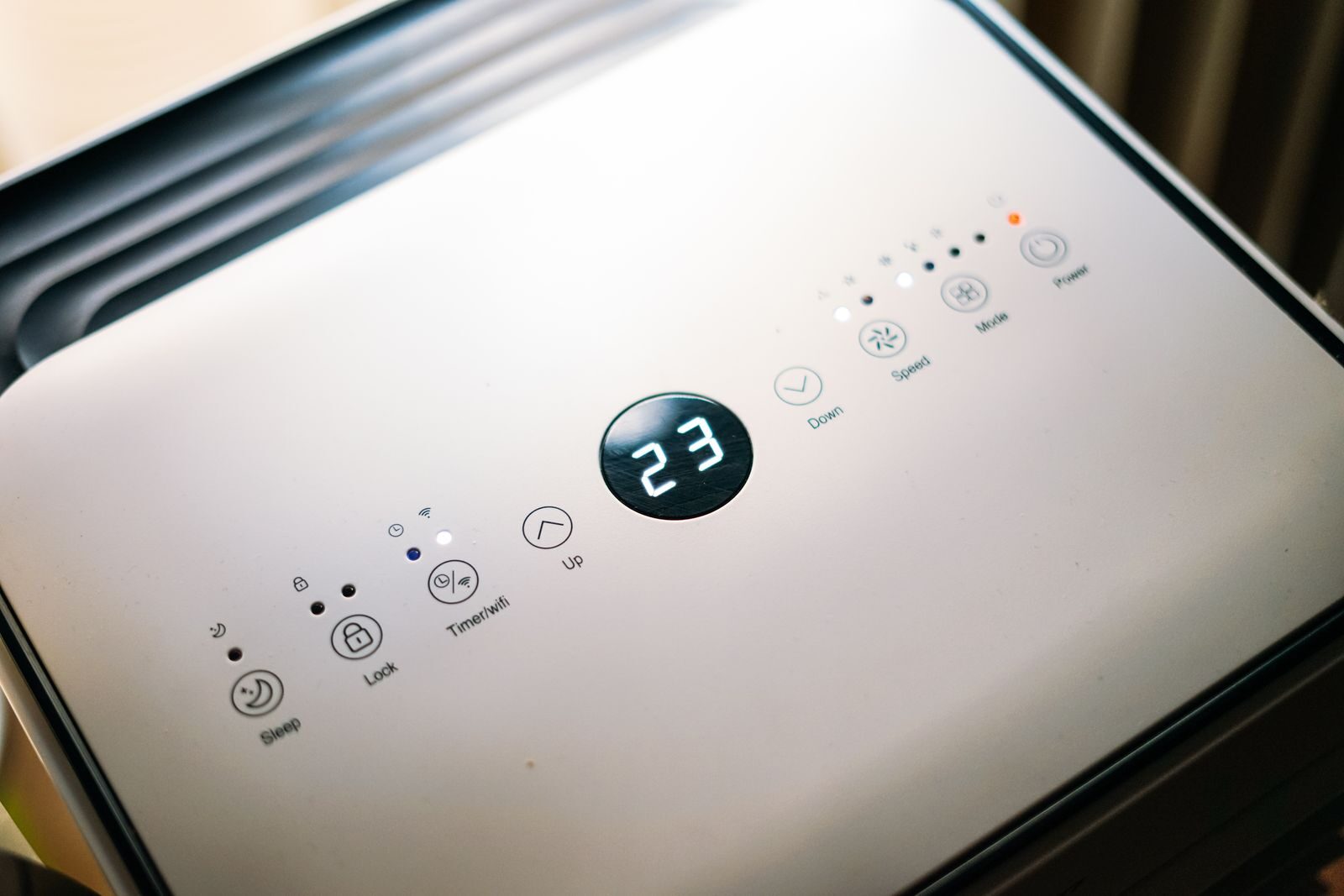
A dehumidifier does one job. It pulls moisture out of the air in a room. It draws in humid air, cools it so the water condenses out, collects that water in a tank, and pushes drier air back into the room.
That is the whole function. It lowers the humidity of the air. It does not clean, it does not kill anything, and it does not touch the surfaces where mould grows. It just makes the air drier.
This is why the answer to “does it stop mould” is not a simple yes. To know whether a drier room helps your mould, you have to know what mould needs to grow.
Why drier air helps against mould
Mould needs moisture to grow. That is the one thing it cannot do without. Spores are floating in the air of every home, but they only grow into a patch when they land on a surface that is wet and stays wet.
So humidity feeds mould. When the air in a room is damp, that moisture settles on surfaces and gives mould what it needs. Lower the humidity, and you take that moisture away.
The numbers are well agreed. According to the US Environmental Protection Agency, indoor humidity should be kept below 60 percent, and ideally between 30 and 50 percent, to discourage mould. A dehumidifier is one of the simplest ways to hold a room in that range. So used well, it really does help prevent mould.
What a dehumidifier cannot do
Here is where I want to save you some disappointment, because this is the part the adverts skip.
A dehumidifier does not kill mould that is already there. If you have a patch on the wall, drying the air will not remove it. The mould is on the surface, and the dehumidifier only works on the air. You still have to clean off and remove the existing growth yourself. The dehumidifier helps stop new mould, it does not undo the old.
A dehumidifier does not fix a leak or rising damp. If the water is coming from a burst pipe, a leaking roof, or damp rising through a wall, a dehumidifier is fighting a losing battle against a source it cannot reach. It might take the edge off the room, but the surface stays wet because the water keeps coming. The repair is the fix, not the machine.
And this is the one my measurement training makes me want you to know. A dehumidifier reads and dries the air in the middle of the room, but mould grows on cold surfaces, and a cold surface can be far wetter than the air reading suggests.
Why the room can read “fine” and still grow mould
This is the part I find most interesting, and it comes straight from how I think about measurement.
When I was reading the research on predicting mould from sensor readings, what struck me was a finding the researchers kept running into. They could predict mould in homes from temperature and humidity, but only when they lowered the humidity threshold well below the usual lab figure. You can read the study here. The reason is simple once you see it, and it changes how you should think about a dehumidifier.
The humidity reading in the middle of a room is not the humidity on a cold wall. When warm, damp air touches a cold surface, a window, an outside wall, a cold corner, the moisture condenses there. So that surface can be soaking wet while the room meter still reads a comfortable 50 percent. The air is fine. The cold spot is not.
A dehumidifier lowers the room air, which helps. But if a wall is cold enough, mould can still grow on it even when your meter says the room is in the safe range. That is why a dehumidifier alone does not always solve a cold-wall or window problem. You also have to warm the cold surface, or improve the airflow over it, or both.

Where I see this in my own home
I notice this every winter. As the humidity climbs, the damp and growth show up first around the kitchen sink and in the bathroom, the coldest, wettest spots. The middle of the room can feel fine while those surfaces stay wet.
I also make it worse without thinking. Bringing in wet jackets and wet shoes adds water to the air, and so does leaving damp things sitting around. All that moisture has to go somewhere, and it collects on the cold surfaces.
A dehumidifier would help with the room air, but it would not change the fact that those cold spots are where the trouble starts. That is why I rely on drying surfaces and airing the room, not on a machine alone.
Does a dehumidifier stop black mould?
The advice is the same for black mould as for any mould. A dehumidifier can help prevent it by keeping humidity low, since black mould, like all mould, needs sustained moisture.
But it will not kill or remove a black mould patch that is already there, and black mould in particular tends to mean a surface has been very wet for a long time, which usually points to a leak or serious damp. So with black mould, finding and fixing the water source counts even more, and the dehumidifier is a support, not the solution.
Dehumidifier or air purifier for mould?
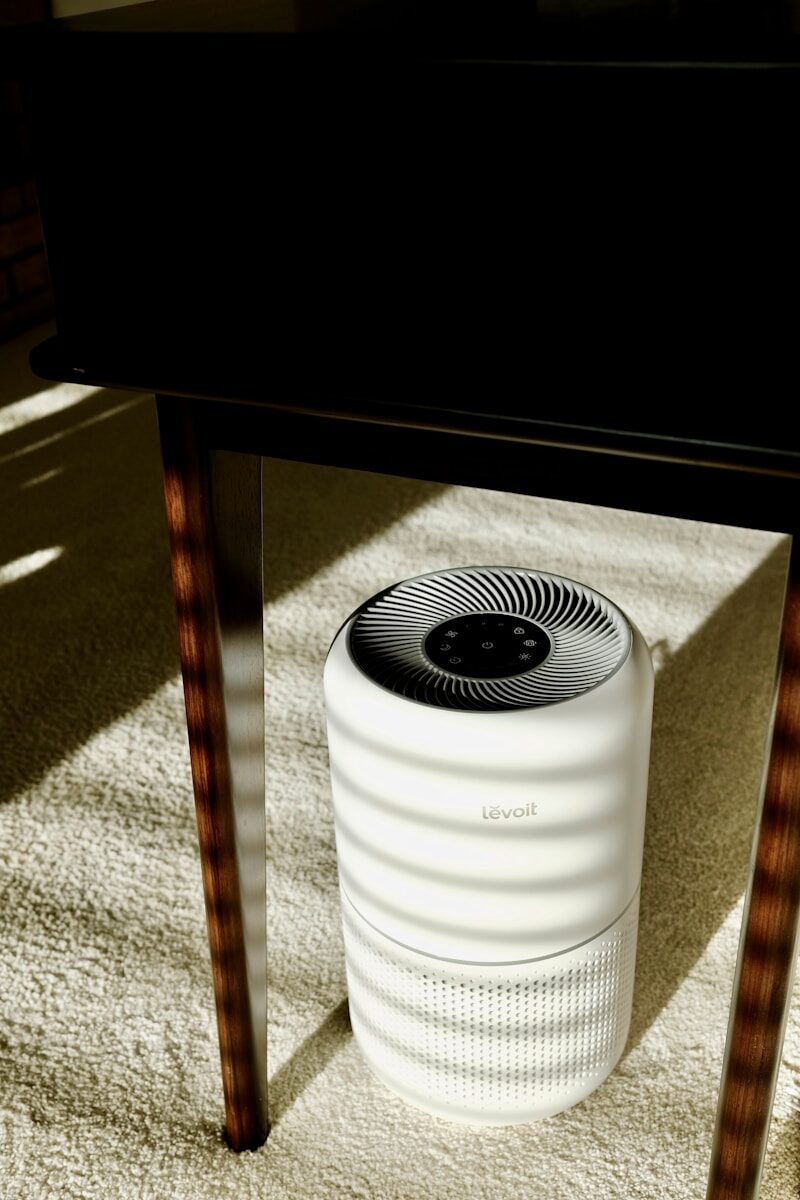
People often ask which to buy. They do different jobs. A dehumidifier removes moisture from the air, which helps prevent mould.
An air purifier removes particles from the air, including some mould spores, but it does nothing about the moisture, so it does not stop mould growing. If your goal is to prevent mould, the dehumidifier is the one that addresses the cause. An air purifier can help with spores and other particles in the air, but it is not a mould-prevention tool.
How to use a dehumidifier for mould properly
If you decide a dehumidifier is right for your room, here is how to get the most from it.
Set it to hold humidity in the safe range, below 60 percent and ideally around 45 to 50. You do not want it bone dry. Too low brings its own problems, like dry skin and irritation.
Get the size right for the room. A small unit in a large damp room will run constantly and never catch up. Match the unit to the space.
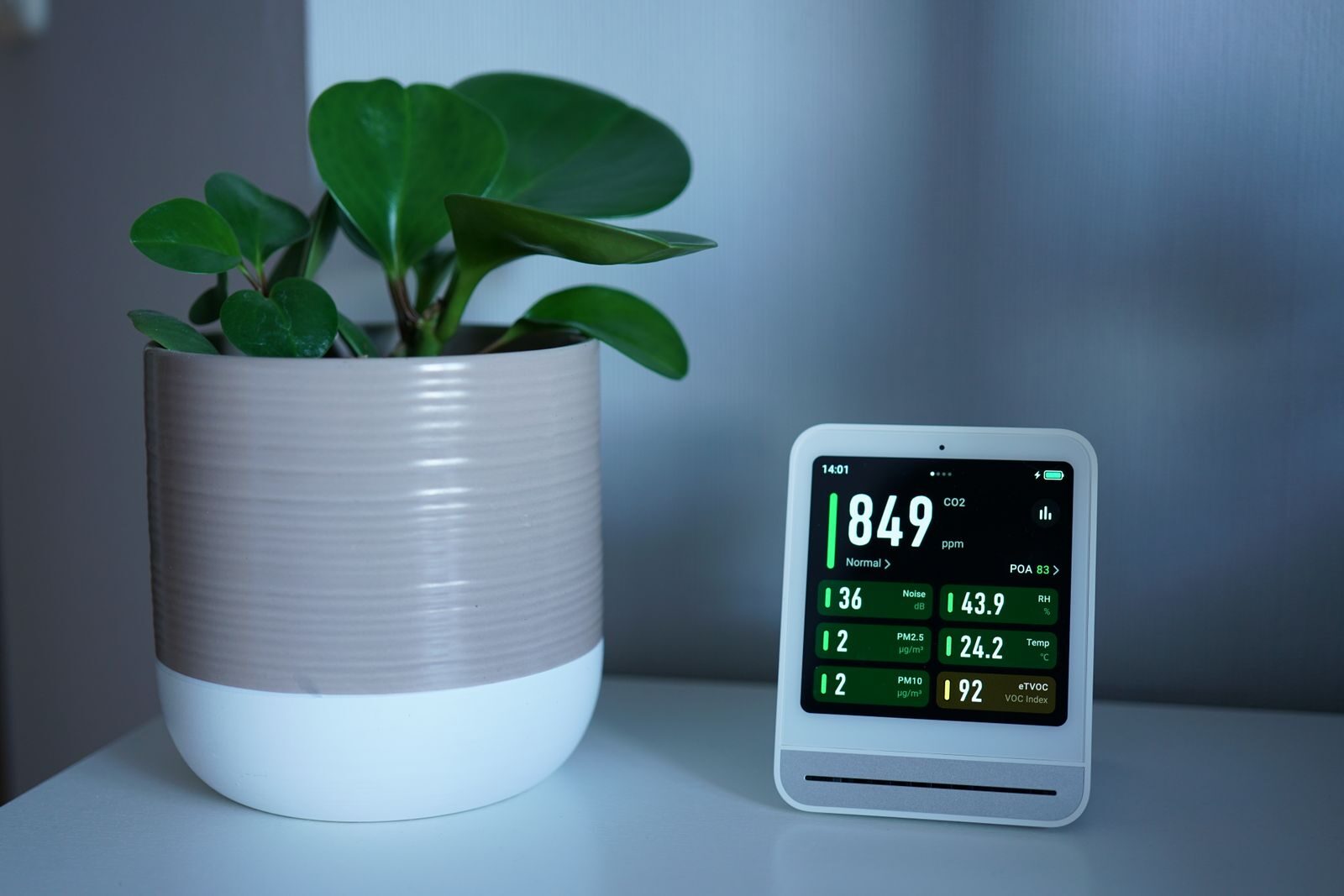
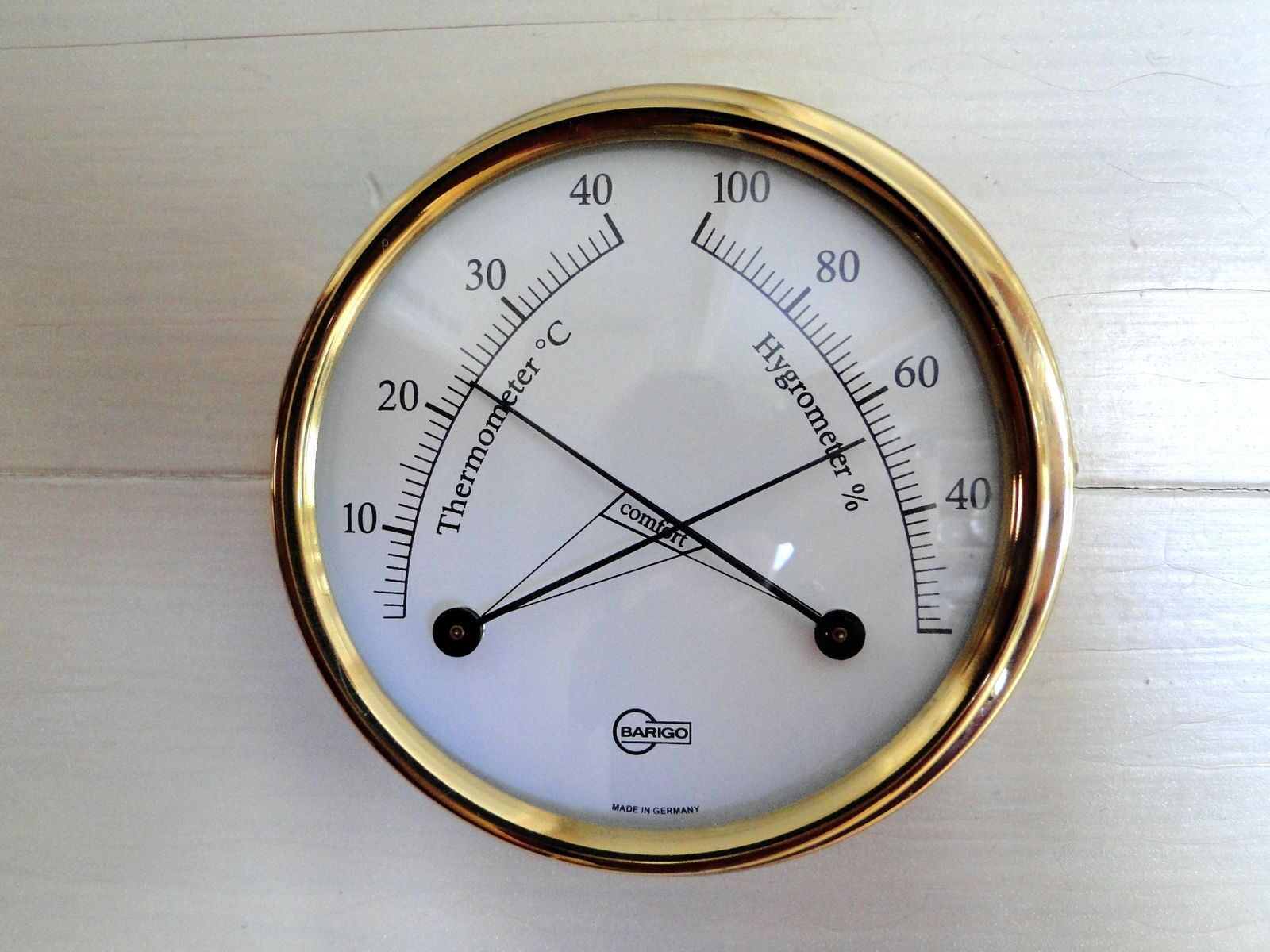
Use a cheap humidity meter so you can see what it is doing. This is the measurement habit I would pass on. A small hygrometer shows you whether the room is staying in range, so you are working from a number, not a guess.
Run it consistently in the damp spot, not once in a while. Mould prevention is about keeping the moisture down over time, not a single blast.
And remember it is one part of the job. Use it alongside the real fixes: clean off any existing mould, fix any leak or damp, air the room, and warm or improve airflow over cold surfaces.
How I would think about a dehumidifier
I would treat a dehumidifier as a useful tool, not a cure. If a room is generally too humid, drying laundry indoors, a damp basement, poor airflow, it is one of the best ways to bring the air back into the safe range and keep mould from getting started.
But I would not expect it to remove a patch I already have, fix a leak, or solve a cold-wall problem on its own. For those, I would clean the mould, fix the water source, and deal with the cold surface, and let the dehumidifier do the part it is good at, holding the room’s air dry so new mould has nothing to grow on.
Used that way, it earns its place. Expected to do everything, it disappoints.
Summary
A dehumidifier removes moisture from the air in a room. Since mould needs moisture, keeping indoor humidity in the safe range, below 60 percent and ideally 30 to 50, helps prevent mould.
But a dehumidifier does not kill or remove mould that is already there. You still have to clean off existing growth yourself.
It also cannot fix a leak or rising damp, because the water keeps coming from a source the machine cannot reach. And it cannot, on its own, solve mould on a cold surface, because a cold wall or window can stay wet enough for mould even when the room air reads a safe humidity.
For black mould, the same applies, and finding the water source counts even more, since black mould usually means a surface has been very wet for a long time.
A dehumidifier prevents, an air purifier filters particles. For stopping mould, the dehumidifier is the one that addresses the cause.
Used well, set to the safe range, sized for the room, run consistently, and paired with cleaning, repairs, and airing, a dehumidifier is a real help. On its own, it is only part of the answer.
Common questions
Does a dehumidifier stop mould?
It helps prevent mould by keeping the air dry, since mould needs moisture to grow. But it does not kill or remove mould that is already there, and it cannot fix a leak or a cold-wall problem on its own. It works best alongside cleaning, repairs, and good airing.
Does a dehumidifier kill existing mould?
No. A dehumidifier only dries the air. It does not touch the surface where mould is growing, so a patch already on the wall stays until you clean and remove it. The dehumidifier helps stop new mould, not the old.
What humidity should I set a dehumidifier to for mould?
Aim to keep the room below 60 percent and ideally around 45 to 50 percent. That takes away the moisture mould needs without making the air uncomfortably dry. A cheap humidity meter helps you check it is holding that range.
Will a dehumidifier stop condensation and mould on windows?
It can help, but not always on its own. A dehumidifier lowers the room air, yet a cold window can still collect condensation because the glass is far colder than the room. To stop window mould you usually also need better airflow and warmer surfaces, not just drier air.
Dehumidifier or air purifier for mould, which is better?
For preventing mould, the dehumidifier, because it removes the moisture that mould needs. An air purifier filters particles, including some spores, but does nothing about moisture, so it does not stop mould growing. They solve different problems.
Does a dehumidifier help with black mould?
It helps prevent it by keeping humidity low, but it will not remove a black mould patch that is already there. Black mould usually means a surface has been very wet for a long time, so the priority is finding and fixing the water source, with the dehumidifier as support.