






Aloe vera is probably the most universally trusted natural skincare ingredient on the planet. It is in everything. Moisturisers. Sunburn gels. Serums. Face masks. Shampoos. The marketing never needs to explain itself because everyone already believes aloe vera is good for skin.
But when I look at an aloe vera product label as someone who understands plant polysaccharide chemistry I see a very different picture from the one the marketing presents.
Let me show you what aloe vera contains, what the chemistry shows for skin applications, and what most products with aloe vera on the label are not telling you.
What Aloe Vera Is
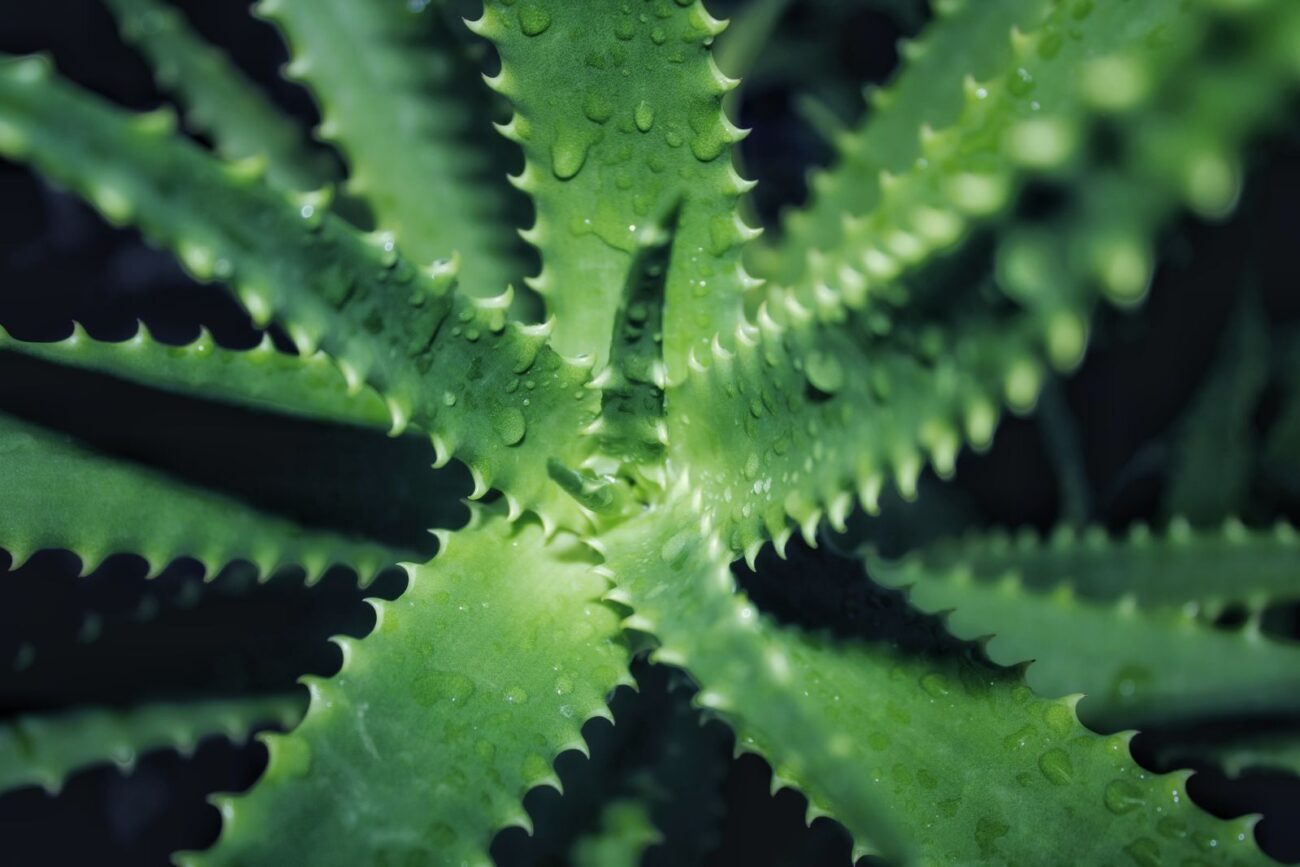
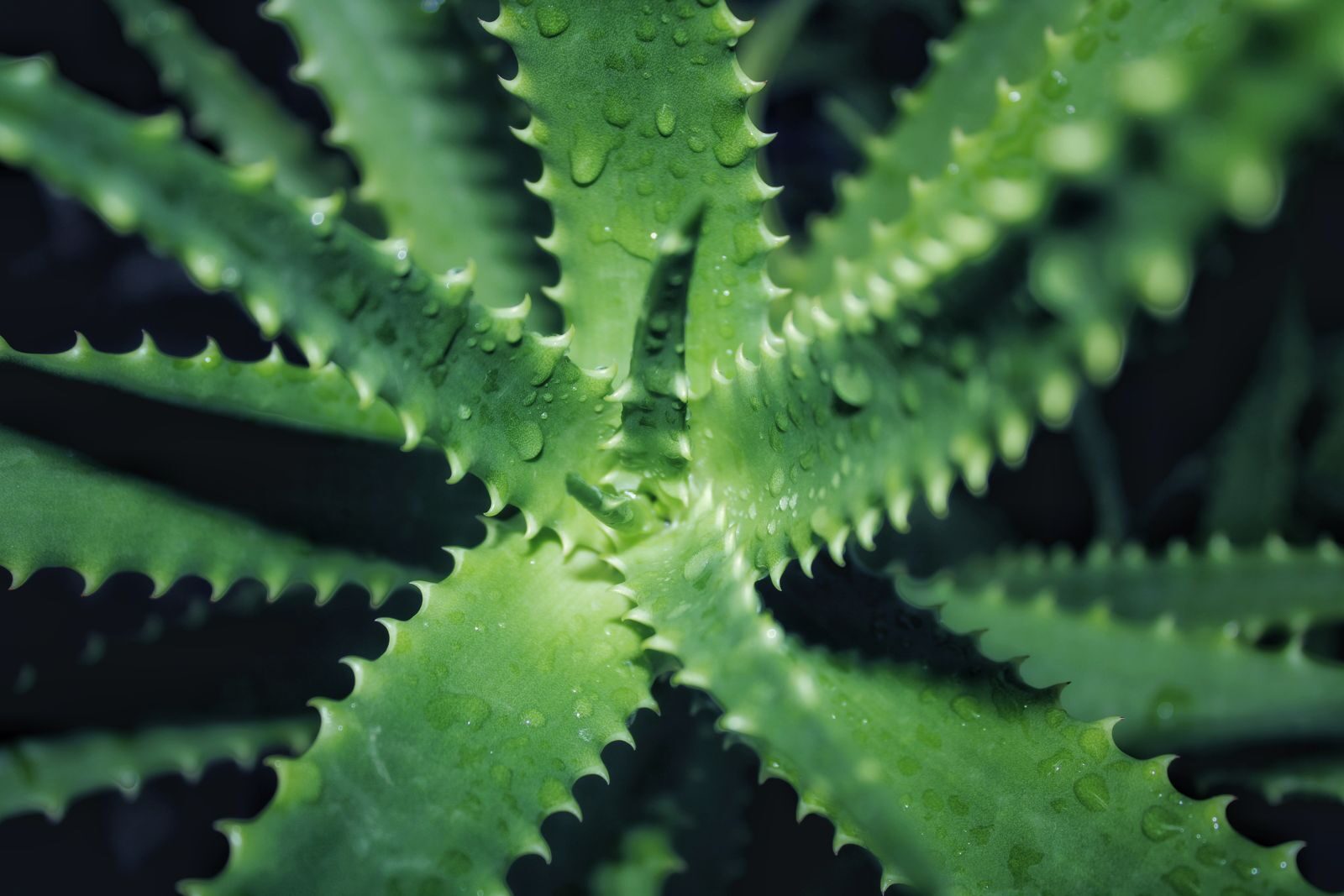
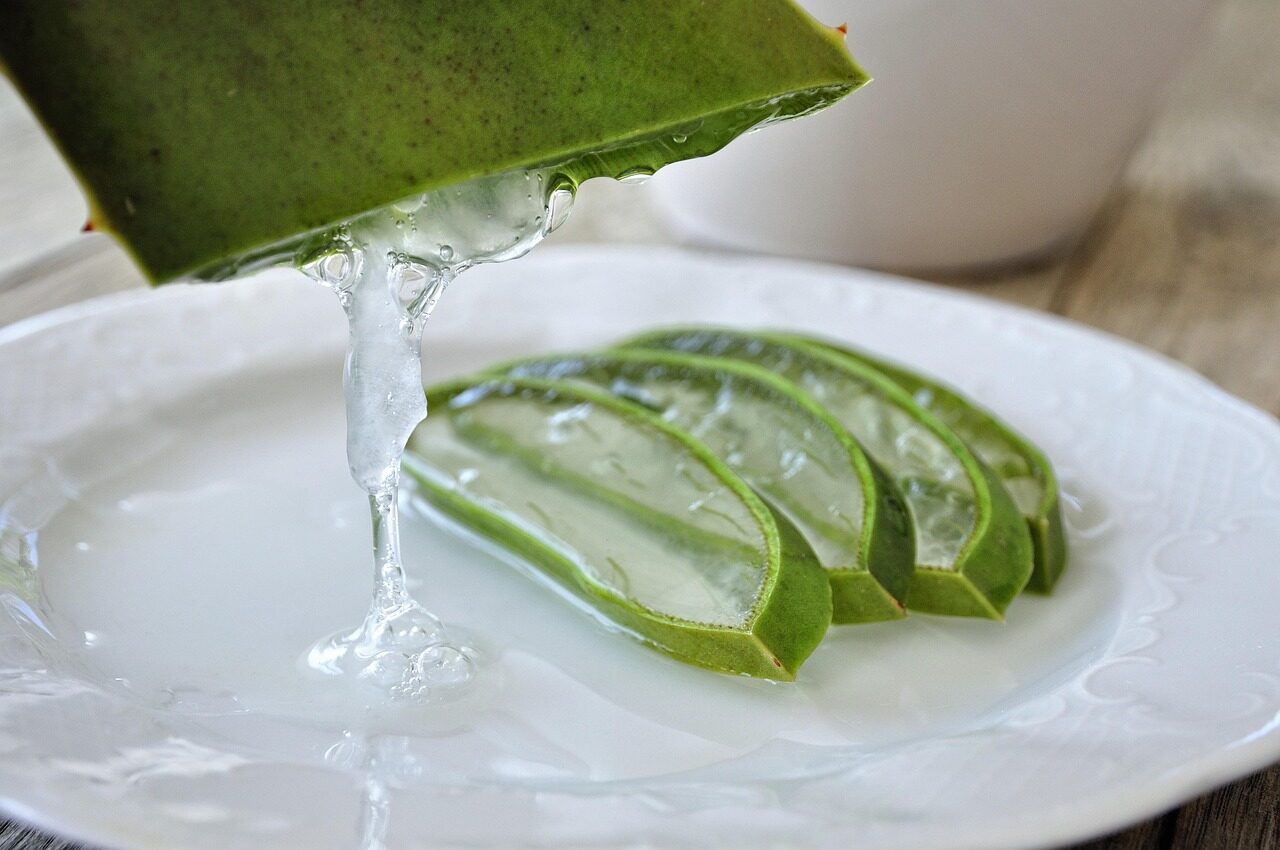
Aloe vera is a succulent plant in the Asphodelaceae family that stores water in its thick fleshy leaves. That water storage is not just water. The inner leaf gel is a complex biological matrix containing polysaccharides, glycoproteins, anthraquinones, vitamins, minerals, and enzymes.
The plant produces this gel as part of its water management system in arid environments. The mucilaginous polysaccharide matrix holds water with remarkable efficiency. Understanding that the gel evolved as a plant survival mechanism rather than a skincare ingredient gives you a different starting point for evaluating what it does in skin applications.
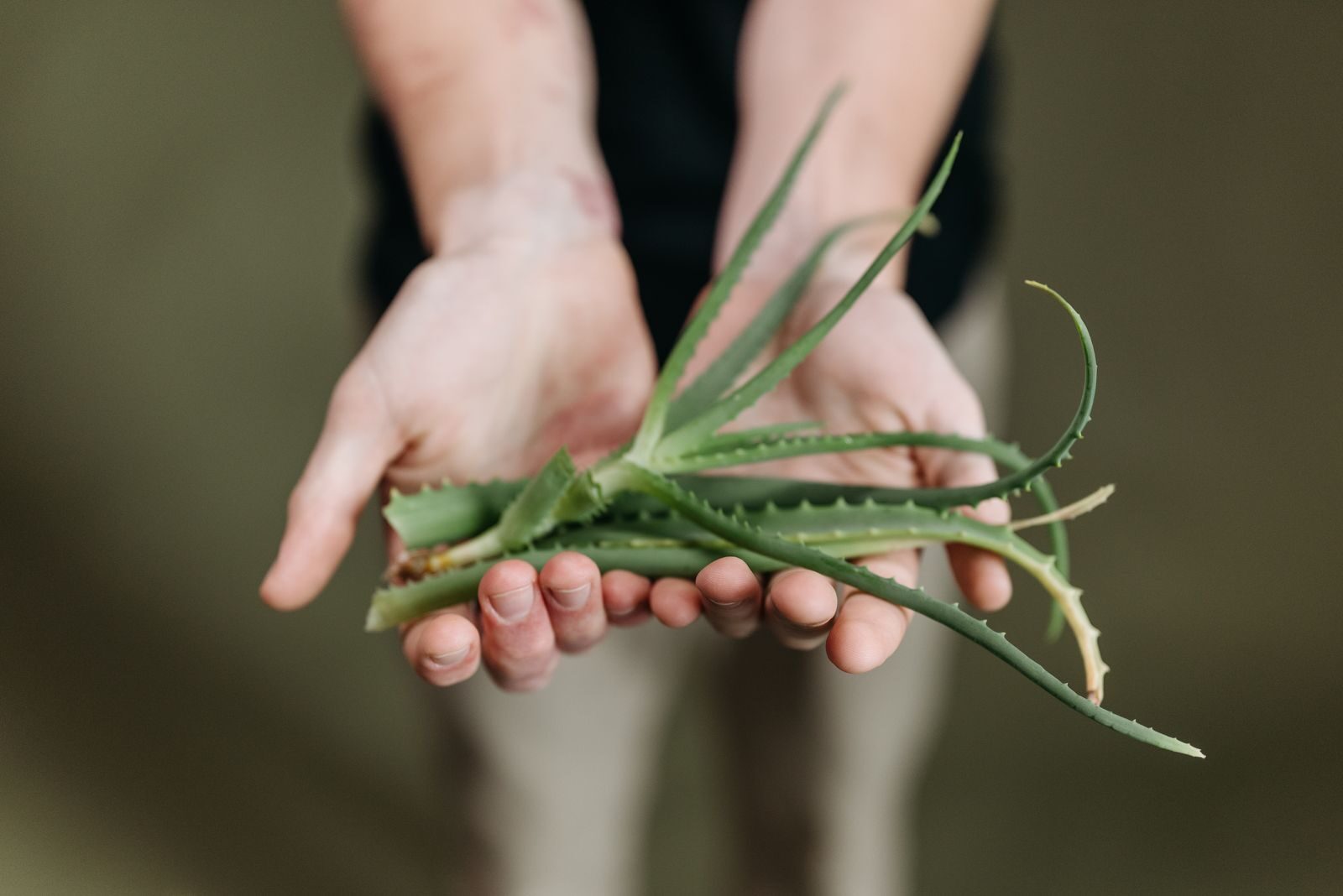
The outer leaf latex is a different material entirely. It contains anthraquinones including aloin which can be a skin irritant. Commercial aloe vera gel for skincare should be processed to remove the latex layer. Products that use whole leaf extract rather than inner leaf gel may contain anthraquinone residues worth knowing about.
The Active Compound: What Acemannan Is
Acemannan is the primary bioactive polysaccharide in aloe vera inner leaf gel. It is a complex acetylated mannose polymer specifically a beta-1,4-linked mannan with acetyl groups attached at regular intervals along the chain.
From a plant biochemistry perspective acemannan is fascinating. It belongs to the hemicellulose family of plant cell wall polysaccharides. The plant synthesises it in the mesophyll cells of the inner leaf and stores it in the parenchyma tissue that makes up the bulk of the gel. The acetyl groups along the mannose backbone give acemannan its distinctive biological properties including its water binding capacity and its interaction with cell surface receptors.
Molecular weight is critical for acemannan activity. High molecular weight acemannan has different biological properties from low molecular weight fragments. Processing affects this significantly. Heat treatment, enzymatic processing, and filtration all affect the molecular weight distribution of acemannan in the final product. A product that has been heavily processed may contain acemannan fragments with very different properties from the intact polysaccharide in fresh gel.
This is worth knowing when evaluating aloe vera skincare products. The acemannan content and its molecular weight distribution are almost never disclosed on product labels. Yet they are the primary determinants of what the ingredient does in your skin.
What Aloe Vera Does in Skin
Here is where it gets interesting. Because aloe vera does not do one thing. It does several different things through completely different mechanisms and most people lumping them all together as aloe vera is good for skin are missing the nuance that tells you when it works and when it does not.
The most consistent thing aloe vera does is hold water. Acemannan and the other polysaccharides in the gel are hygroscopic. They pull water molecules toward them and hold them. On skin that translates to a surface film that slows down transepidermal water loss. That humectant effect is well documented and consistent across studies. A systematic review of 23 clinical trials confirmed that aloe vera retains skin moisture and integrity through its mucopolysaccharide content (Hekmatpou et al., 2019). It is the thing aloe vera does most reliably.
The soothing effect on irritated skin is real too. The C-glucosyl chromone compounds and glycoproteins in the gel have anti-inflammatory activity. Research confirms that acemannan specifically inhibits pro-inflammatory cytokines including TNF-α and IL-6 through multiple cellular pathways (Pal et al., 2024). That is part of why fresh aloe vera on sunburned skin feels good. It is not just the cool wet sensation. There is genuine anti-inflammatory chemistry happening.
What I find less convincing is the antimicrobial claim you see on some products. Yes aloe vera extracts show antimicrobial activity in laboratory conditions. But those studies use raw extracts at controlled concentrations. The commercially processed gel that ends up at position eight in a moisturiser ingredient list is a very different material. Whether it retains meaningful antimicrobial activity at that point is a question most brands are not asking.
The Concentration Problem Nobody Talks About
This is where my product evaluation perspective adds something that most aloe vera skincare content completely ignores.
Aloe vera appears on product ingredient lists at wildly varying concentrations. A product with aloe vera as the second ingredient after water is delivering meaningful acemannan concentrations. A product with aloe vera at position 14 of 16 ingredients is delivering essentially nothing biologically active regardless of how prominently aloe vera appears on the front label.
The INCI name to look for is Aloe Barbadensis Leaf Juice or Aloe Barbadensis Leaf Juice Powder. Where it appears in the ingredient list relative to other ingredients tells you more about its likely concentration than anything on the front of the packaging.
There is also the question of what form of aloe vera is used. Fresh inner leaf gel has the highest acemannan content and molecular weight integrity. Reconstituted aloe vera powder has variable acemannan content depending on the drying process and how the powder is reconstituted. Some products use aloe vera extract which may be concentrated or may be a dilute extraction depending on the process.
A product that says 99 percent aloe vera on the front and lists water as the first ingredient followed by aloe vera at position two is probably using reconstituted powder in water. The acemannan content and molecular weight profile of that preparation may be very different from fresh gel despite the impressive sounding percentage claim.
Can Aloe Vera Replace a Moisturiser
This is one of the most searched questions about aloe vera in skincare and the answer requires understanding what a moisturiser does.
Moisturisers work through three distinct mechanisms. Humectants attract water to the skin surface. Emollients smooth and soften the skin by filling gaps between skin cells. Occlusives form a physical barrier that reduces water loss.
Aloe vera gel is primarily a humectant. It attracts and binds water at the skin surface. It has some emollient properties from its polysaccharide film forming capacity. It has very limited occlusive properties because it is water based and does not form a significant lipid barrier.
For people with oily skin or in humid environments aloe vera gel can function adequately as a light moisturiser because humectancy is the dominant requirement. In dry climates or for people with dry skin it will not provide sufficient occlusion to prevent transepidermal water loss effectively. The water it attracts to the skin surface will evaporate without an occlusive layer to retain it.
Understanding those three mechanisms helps you evaluate whether aloe vera alone meets your skin needs rather than relying on marketing claims about natural hydration.
Can You Use Aloe Vera on Your Face Every Day
For most people yes. But there are two things worth knowing before you commit to daily use.
First check whether your product uses inner leaf gel or whole leaf extract. Whole leaf products retain anthraquinones from the outer latex layer including aloin. With repeated daily application particularly in summer aloin can cause photosensitivity and irritation. Inner leaf gel processed to remove aloin is a different story. Much better tolerance profile for daily use.
Second pay attention to what your skin is telling you. Some people develop contact sensitivity to aloe vera over time. It is not common but it happens. If you start noticing more irritation after a few weeks of daily use rather than less that is the signal to stop. Your skin is adapting in the wrong direction.
One more thing. If you live somewhere dry and you are using aloe vera gel as a standalone moisturiser you may be making things worse. The humectant effect pulls water to the skin surface. Without an occlusive layer on top that water evaporates. In a dry environment you can end up more dehydrated than when you started. Layer aloe vera under a moisturiser that contains an occlusive ingredient and you get the benefit without the problem.
What the Aloe Vera in Most Products Delivers
I want to be direct with you here because this is the part of the aloe vera story that most content skips entirely.
If aloe vera is in the top three ingredients of a product after water you are likely getting meaningful acemannan concentrations. The humectant effect. Some anti-inflammatory activity. Real biology at work.
If aloe vera is sitting at position eleven or twelve in a long ingredient list you are getting marketing. The concentration at that position is too low to deliver the biological activity that makes acemannan interesting. The brand put it there because aloe vera on the label sells products. Not because it does anything at that concentration.
And here is the part that really deserves attention. Some brands put 99 percent aloe vera on the front label and list water first followed by aloe vera powder second. That is reconstituted powder in water. The acemannan molecular weight profile of that preparation can be completely different from fresh inner leaf gel depending on how the powder was processed and dried. The number on the front tells you almost nothing about what is inside.
The only information that tells you what you are getting is the full ingredient list and where aloe vera appears on it.
Before You Reach for the Aloe Vera Product
Aloe vera has real plant biochemistry behind it. Acemannan is a real and interesting polysaccharide with documented humectant, film forming, and anti-inflammatory properties. The evidence for topical hydration and soothing applications is consistent.
The gap between what the ingredient can do and what most products with aloe vera on the label deliver is the concentration and processing question. A product that lists aloe vera prominently on the front but has it at position 12 in the ingredient list is trading on the ingredient reputation not its biochemistry.
Look for inner leaf gel rather than whole leaf extract. Look for aloe vera high in the ingredient list. Look for products that specify the form of aloe vera used. Those details tell you whether you are buying the ingredient or just the marketing.
Summary
Aloe vera inner leaf gel contains acemannan a complex acetylated mannose polysaccharide that functions as a humectant and has documented anti-inflammatory properties. Molecular weight of acemannan affects its biological activity and processing significantly impacts this.
The concentration of aloe vera in a product and its position in the ingredient list determine whether you get meaningful biological activity. Whole leaf extract may contain anthraquinone residues including aloin that can cause irritation and photosensitivity.
Aloe vera functions primarily as a humectant and does not replace the full moisturising function of products containing occlusives. Inner leaf gel products processed to remove aloin have the best safety and efficacy profile for daily use.
FAQs
Is aloe vera good for skincare?
For specific applications yes. Acemannan has documented humectant and anti-inflammatory properties. Effectiveness depends on the concentration in the product and the processing method used.
What does aloe vera do for skin?
Primarily attracts and binds water at the skin surface as a humectant. Also has mild anti-inflammatory properties from C-glucosyl chromone and glycoproteins. Some film forming polysaccharides support the skin barrier. Effects depend on form and concentration.
Can aloe vera replace a moisturiser?
For oily skin in humid conditions possibly. Aloe vera is primarily a humectant with limited occlusive properties. In dry conditions or for dry skin it will not retain enough water without an additional occlusive layer.
Can you use aloe vera on your face every day?
For most people with normal to oily skin yes. Inner leaf gel products processed to remove anthraquinones have a good daily use safety profile. Some people develop contact sensitivity with repeated exposure. Increasing irritation is a signal to stop.
What is acemannan in aloe vera?
The primary bioactive polysaccharide in aloe vera inner leaf gel. A complex acetylated mannose polymer responsible for water binding and anti-inflammatory properties. Molecular weight affects biological activity and processing can degrade its integrity.
What is the difference between whole leaf and inner leaf aloe vera?
Inner leaf gel contains the acemannan matrix with good skin compatibility. Whole leaf extract includes outer leaf latex containing anthraquinones including aloin which can cause irritation and photosensitivity. Inner leaf is preferable for skincare.
Is aloe vera antibacterial?
Aloe vera extracts show antimicrobial activity in laboratory conditions. Whether commercially processed gel retains meaningful activity at concentrations used in finished skincare products is less certain.