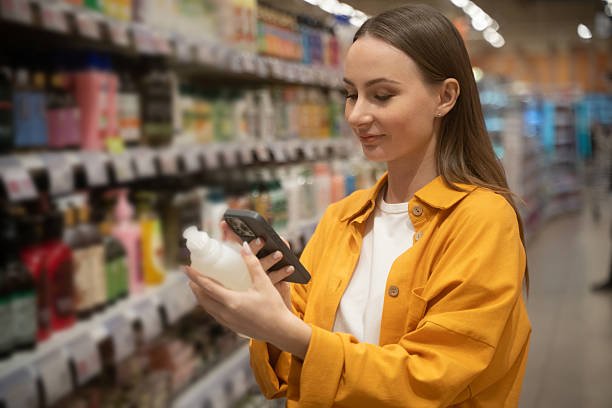

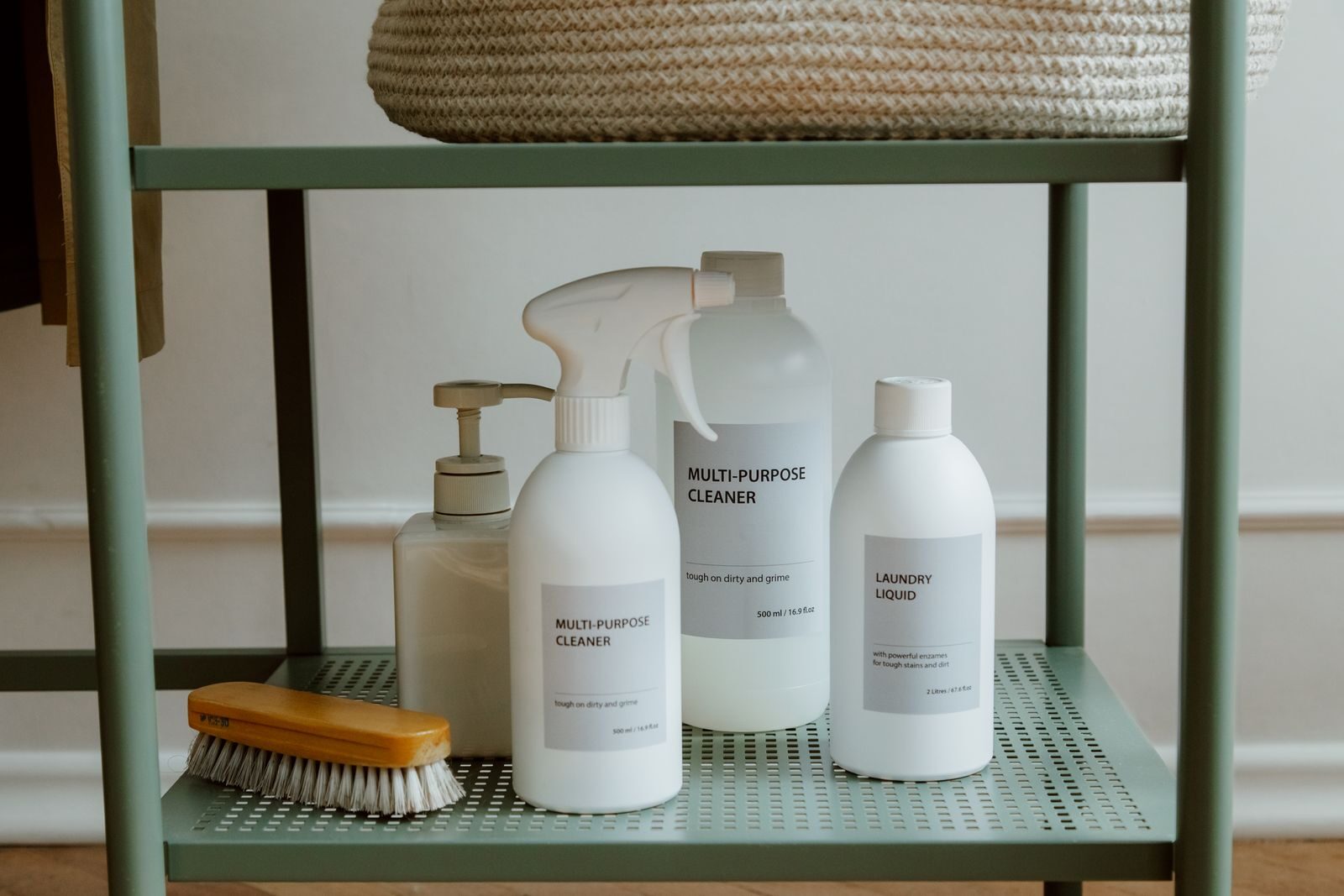
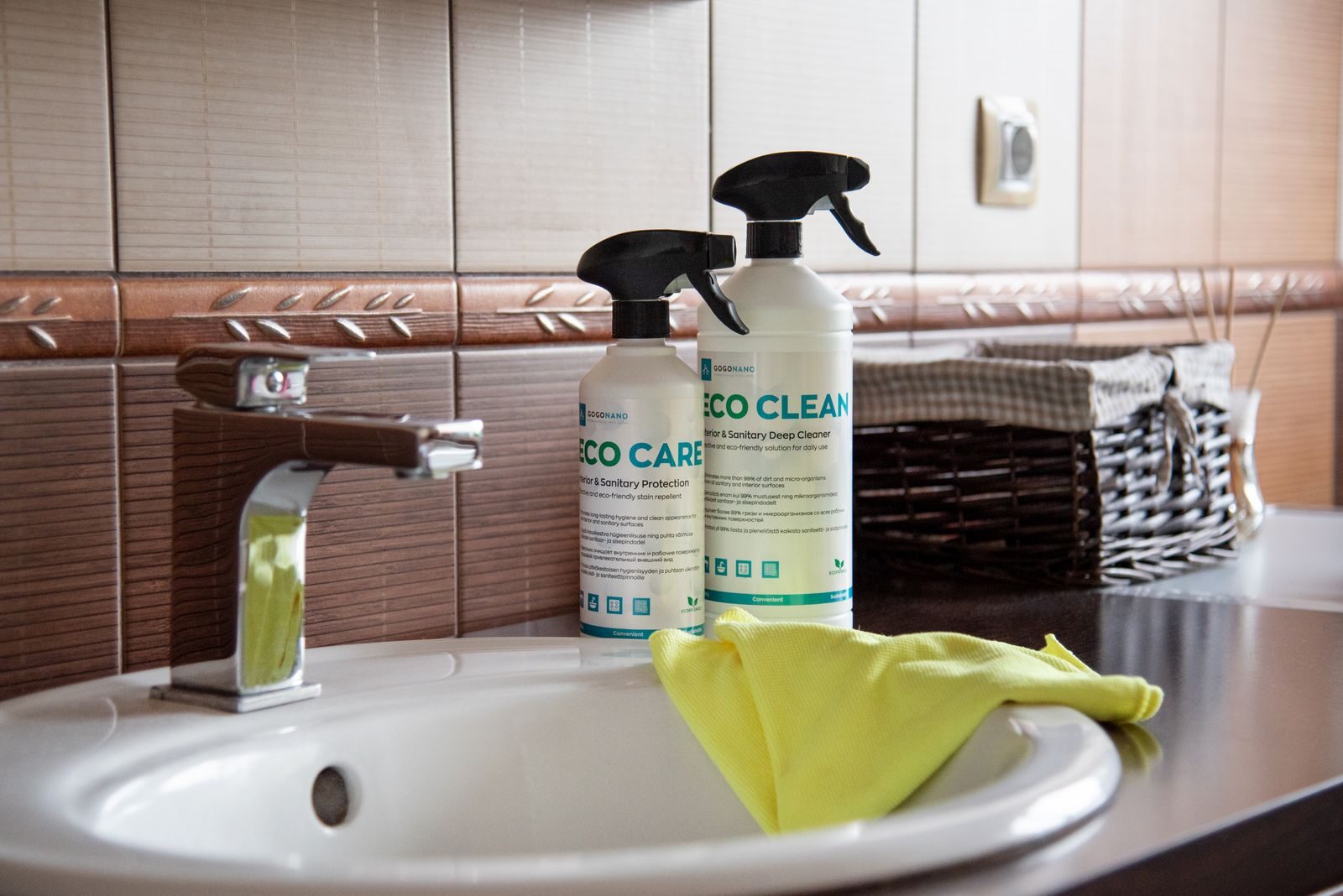


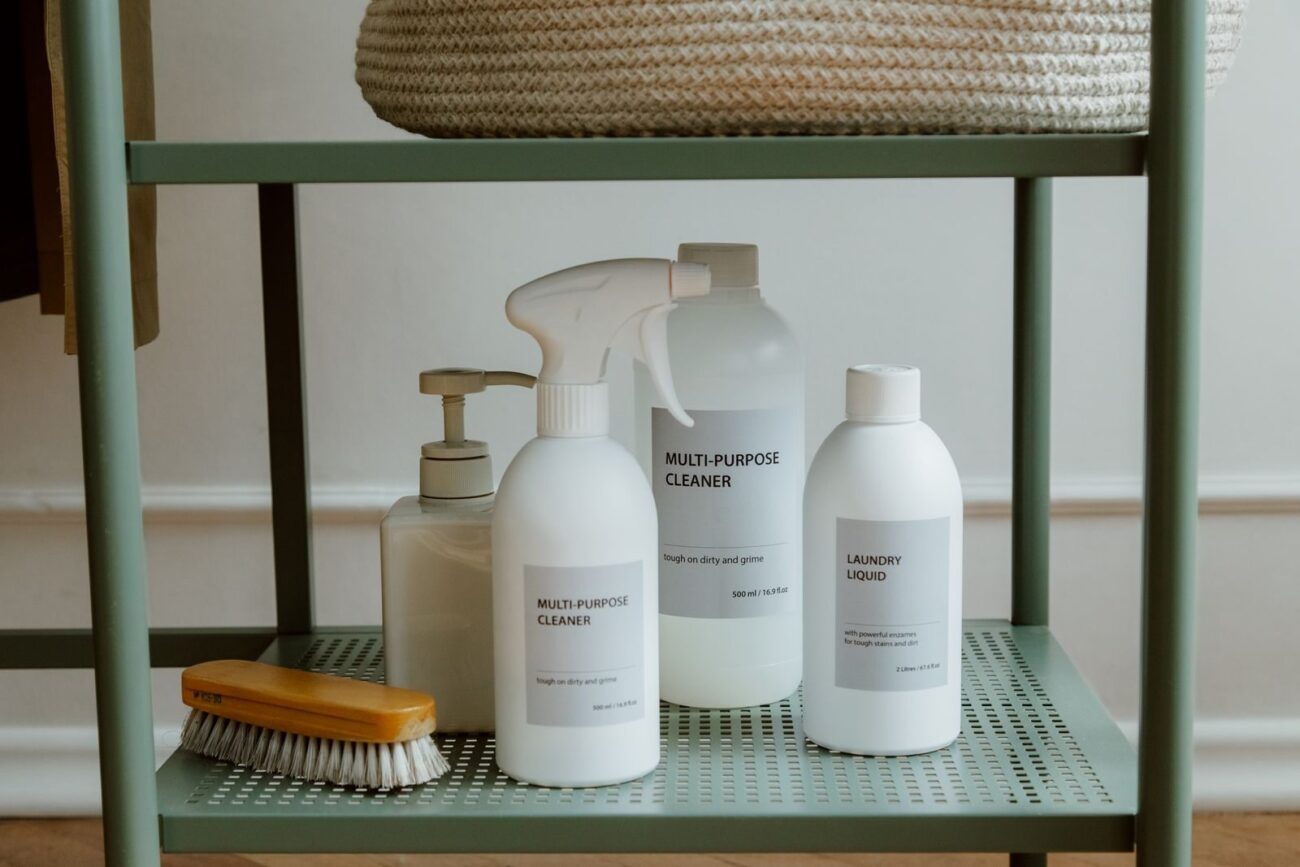
You picked up a natural cleaning product. The label says biodegradable. You felt good about that choice.
But here is something worth knowing. That word on the label may mean very little depending on how it got there.
I want to show you exactly how to tell the difference between a biodegradable claim that is backed by real chemistry and one that is just marketing. My ecotoxicology training covers this directly and I find it genuinely useful knowledge to share because it changes how you shop.
What Biodegradable Means
Biodegradable means microorganisms can break a substance down into simpler compounds. Water. Carbon dioxide. Mineral salts. That is the end point of complete biodegradation and it is what the word implies on a label.
Here is what the label does not tell you.
Biodegradability is not yes or no. It is a spectrum. A compound can biodegrade in a warm well oxygenated laboratory test system and persist much longer in cold river water or in the sediment of a wastewater treatment plant.
I spent time during my ecotoxicology training working through exactly this gap between laboratory biodegradation data and real world environmental fate. It is one of the most important and least discussed issues in green product marketing. The compound disappears in the test. What happens in your local river is a different question.
The Test That Actually Matters
When I evaluate a biodegradability claim the first thing I look for is whether a specific test method is cited.
The standard biodegradability tests used in Europe and internationally are the OECD 301 series (OECD Test No. 301, 1992). The most commonly cited variants are OECD 301B and OECD 301F. These are ready biodegradability tests.
To pass ready biodegradability a compound must achieve 60 percent or more degradation of its theoretical oxygen demand within 28 days. Under standardised conditions. Specific temperature. Specific microbial inoculum. Aerobic conditions.
A pass result means something real. It means the compound has strong evidence for rapid biodegradation under favourable conditions. That is genuinely better than a compound that fails or has never been tested.
But here is what a pass result does not tell you. It does not tell you what happens in cold anaerobic conditions. It does not tell you about the toxicity of the breakdown products. It does not tell you about behaviour in marine environments.
My quality control training taught me to always ask one question when I see any analytical claim. What test was used and under what conditions. That question cuts through a lot of marketing noise fast.
What Biodegradable on a Label Actually Tells You
I want to be direct with you here because this is where most natural cleaning content stops short.
Biodegradable with no further specification on a cleaning product label tells you almost nothing useful.
In most markets there is no regulatory requirement for a cleaning product to meet any specific biodegradability standard before printing biodegradable on the label. A brand can make that claim without any testing at all.
The claim only becomes meaningful when accompanied by specific test method references. A product that states passes OECD 301B ready biodegradability testing is making a verifiable claim you can actually evaluate. A product that just says biodegradable is making a marketing statement dressed up as a scientific one.
I see the second type constantly. The first type is rare.
Are Biodegradable Products Sometimes Bad? Yes and Here Is Why
This question comes up in search data and I think the scepticism behind it is completely valid.
Some biodegradable claims are genuinely misleading and I want to explain exactly how.
A compound can be technically biodegradable but degrade so slowly it accumulates in aquatic systems before microorganisms can process it. A compound can biodegrade rapidly into metabolites that are themselves toxic to fish or aquatic invertebrates. The parent compound disappears from the test but the damage happens downstream.
This is the kind of nuance ecotoxicology covers directly. You are not just asking does this biodegrade. You are asking how fast, into what compounds, and with what consequences for the organisms living in the receiving water body.
Some anionic surfactants biodegrade more slowly than plant derived glucoside surfactants and have higher aquatic toxicity endpoints. Some fragrance compounds persist in sediment well beyond what you would expect from a natural ingredient. Some preservatives accumulate in aquatic organisms even when their parent compound technically biodegrades.
So yes. Some biodegradable claims are bad. Not because biodegradability is a bad property to look for. Because the label is being used without the substance behind it.
Which Cleaning Ingredients Have the Strongest Evidence
Let me give you the practical breakdown based on what the published literature actually shows.
Alkyl polyglucosides are among the best evidenced plant derived surfactants for biodegradability. They pass ready biodegradability tests consistently and show low aquatic toxicity for both parent compounds and breakdown products.
Sodium bicarbonate biodegrades rapidly and completely. It is one of the most environmentally benign cleaning ingredients available full stop.
Citric acid is readily biodegradable with low aquatic toxicity. Microorganisms encounter citric acid constantly in natural systems so they process it efficiently.
Soap based on saponified natural oils performs well under typical wastewater treatment conditions. In hard water it can form calcium soap deposits that are less easily degraded but under aerobic conditions in treatment systems it performs well.
Essential oil components are where I want you to pay attention. Some monoterpenes biodegrade quickly. Some fragrance compounds are significantly more persistent. The natural origin of an essential oil does not guarantee rapid environmental degradation. I see this claim made constantly and it is not always supported by the data.
What Does Not Biodegrade Well Even in Natural Products
This is the part of the conversation most natural cleaning content skips entirely. I am not going to skip it.
Some natural preservatives including certain essential oil components and plant derived antimicrobials show moderate aquatic toxicity and slower biodegradation than the surfactant base they protect. The preservative system in a natural cleaning product is often its least environmentally benign component.
Fragrance compounds whether natural or synthetic are frequently the most environmentally problematic ingredient in cleaning products. Many fragrance molecules are lipophilic meaning they accumulate in aquatic organisms rather than dispersing. Some show endocrine disrupting activity at low concentrations in water. Natural origin does not exempt a fragrance compound from these concerns.
Some chelating agents used to boost cleaning performance have variable biodegradation profiles. GLDA and MGDA which appear in some eco cleaning formulations have reasonable data. Others are less well evidenced.
How to Evaluate a Biodegradable Cleaning Product Claim
Here is the framework I use. You can apply it to any product in about two minutes.
Look for specific test method references first. OECD 301B or 301F pass results are the standard I look for. No test reference means the claim is unverified regardless of how prominently it is displayed.
Check which surfactant is doing the cleaning work. The surfactant is usually the largest active ingredient and has the most environmental impact. Alkyl polyglucosides and sodium cocoyl glutamate have strong biodegradation evidence. They should be near the top of the ingredient list for a genuinely well formulated eco cleaner.
Look at the fragrance disclosure. A product listing fragrance or parfum without specifying compounds is using a blanket term that can cover dozens of molecules with variable environmental profiles. Fragrance free or specifically disclosed fragrance compounds give you more meaningful information.
Check for third party certifications. EU Ecolabel, Nordic Swan, and Cradle to Cradle certification all require specific biodegradability standards. These are more reliable than a brand’s own biodegradable claim because an independent body verified them.
Before You Reach for the Eco Cleaner
Natural cleaning products can have genuinely better environmental profiles than conventional alternatives. The evidence for well formulated plant derived surfactant based products supports that.
But biodegradable is one of the most overused and least substantiated claims in the natural cleaning market. The gap between what the label implies and what the chemistry actually shows is significant for many products.
You now have the framework to close that gap yourself. Test method reference. Surfactant identity. Fragrance disclosure. Third party certification. Four checks that take two minutes and tell you more than anything on the front of the packaging.
Summary
Biodegradable means microorganisms can break a substance down but rate and completeness vary significantly between laboratory conditions and real environments.
Ready biodegradability tests like OECD 301B require 60 percent degradation within 28 days under standardised conditions and a pass result is a meaningful standard. Biodegradable on a label without a test method reference is an unverified claim in most markets. Alkyl polyglucosides, sodium bicarbonate, and citric acid have the strongest biodegradability evidence among common natural cleaning ingredients.
Fragrance compounds whether natural or synthetic are often the most environmentally problematic component of natural cleaning products. Third party certifications like EU Ecolabel require specific biodegradability standards and are more reliable signals than brand own claims.
FAQs
What does biodegradable mean in cleaning products?
It means the ingredients can be broken down by microorganisms into simpler compounds like water, carbon dioxide, and mineral salts. The meaningful question is how fast, under what conditions, and into what breakdown products. Biodegradable without test method specification is an unverified marketing claim in most markets.
Are natural cleaning products biodegradable?
Some are well evidenced for biodegradability. Alkyl polyglucoside surfactants, sodium bicarbonate, and citric acid have strong biodegradation data. Others including some fragrance compounds and preservatives have more variable environmental profiles regardless of natural origin.
Are biodegradable products bad for the environment?
Some biodegradable claims are misleading. A compound can biodegrade slowly enough to accumulate in aquatic systems or break down into toxic metabolites. The parent compound disappearing does not automatically mean the environmental impact is benign. Test method evidence matters more than the label claim.
What is the difference between biodegradable and eco friendly?
Biodegradable refers specifically to how a compound breaks down in the environment. Eco friendly is a broader and less regulated term. A product can be biodegradable but have significant environmental impact from its manufacturing process or packaging.
How do I know if a cleaning product is really biodegradable?
Look for specific OECD 301 test method pass results. Check for third party certifications like EU Ecolabel or Nordic Swan. A brand that cites test methods is making a verifiable claim. A brand that just says biodegradable is not.
Are eco friendly cleaning products more expensive?
Often slightly more at point of purchase. The price gap has narrowed as plant derived surfactants have become more widely produced. Concentrated formats reduce cost per use significantly.
Why are biodegradable products better for the environment?
When genuinely evidenced they reduce persistence of chemical compounds in waterways, lower bioaccumulation in aquatic organisms, and reduce burden on wastewater treatment systems. The benefit is real when the claim is backed by test evidence. It is marketing when it is not.