







Don’t just take an air purifier’s box at its word. Here’s what really holds up when I dig into the certifications and the numbers myself, so you’re looking at what a unit clears in a room, not the biggest square-footage claim on the label.
I’m an environmental scientist, and indoor air and how tiny particles affect our health is what I actually study. So I judge an air brand on the one number that counts, the AHAM Verifide CADR that an outside lab has checked, not the marketing. Every brand here got in the same way: a real certification you can look up, and the catch worth knowing before you buy. Have a look at my picks below.
Indoor Air Quality
1. Levoit
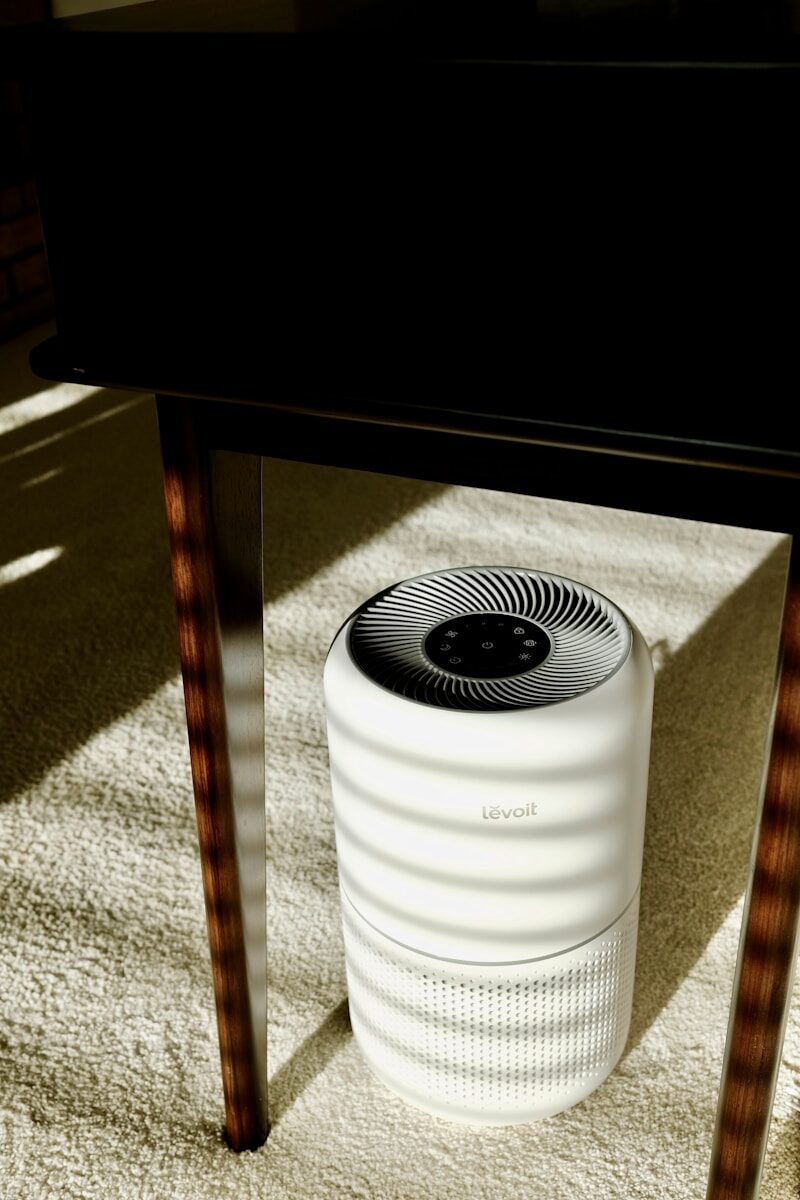
What I like about Levoit is that you can check its homework. Its Core 300 is one of the best-selling purifiers going, but the part that wins me over is the AHAM Verifide seal on most of its range. That means an independent, accredited body has tested the unit and published its CADR, the real measure of how much clean air it delivers. A lot of models are Energy Star certified and CARB compliant for ozone too, so these are claims you can look up, not just trust.
Here’s what I’d keep an eye on. The marketing leans hard on “H13 True HEPA” and “removes 99.97 percent,” and those describe the filter in a lab, not how fast the thing cleans your own room. The number I’d compare across models is the AHAM CADR matched to your room size. That tells the real story, the HEPA label doesn’t.
Check the Levoit Core 300 on Amazon →
2. Coway
Coway is the one I reach for when someone wants a purifier they can just set and forget. Its Airmega Mighty has been a Consumer Reports and New York Times favourite for years, and that reputation holds up when you check the numbers. Its clean-air delivery rate, 233 for smoke, 246 for dust, 240 for pollen, is AHAM Verifide, so an outside lab tested it rather than the brand grading its own work. Add Energy Star, CARB compliance for ozone, a washable pre-filter, and cheap replacements, and it becomes an easy long-term pick.
There are a couple of things I’d flag, though. That “up to 1,748 square feet” on the box only works out to one weak air swap an hour, so for real relief from smoke or pollen, treat it as a 361 square foot machine and size your room to that. And it has a built-in ioniser I’d just leave off, it’s CARB-certified and safe, but it does very little and isn’t the reason the Coway cleans well.
Check the Coway Airmega Mighty on Amazon →
3. Blueair
Blueair is my premium pick here, the Swedish one, and the Blue Pure 211i Max is the one I’d grab if I needed a big room cleared quick. Its clean-air rate sits near 410, which is well ahead of most, and I like that the speed is AHAM Verifide, so it’s an outside lab saying so, not the brand. It also hits Energy Star‘s top tier and barely sips power.
The bit I really rate is how it handles ozone. It charges particles to grab them, which normally makes me nervous, but Blueair backs it with CARB and a separate Intertek zero-ozone certificate, so I’m not left guessing.
One word I’d get my head around is HEPASilent, it’s not a normal HEPA filter, it’s their hybrid that zaps particles and catches them on a lighter mesh, and that’s why it’s so quiet and cheap to run. My one gripe: it’s the dearest on this list, and that “3,235 square feet” is one lazy air swap, so I’d plan on more like 674 for a proper clean.
Check the Blueair Blue Pure 211i Max on Amazon →
4. Airthings
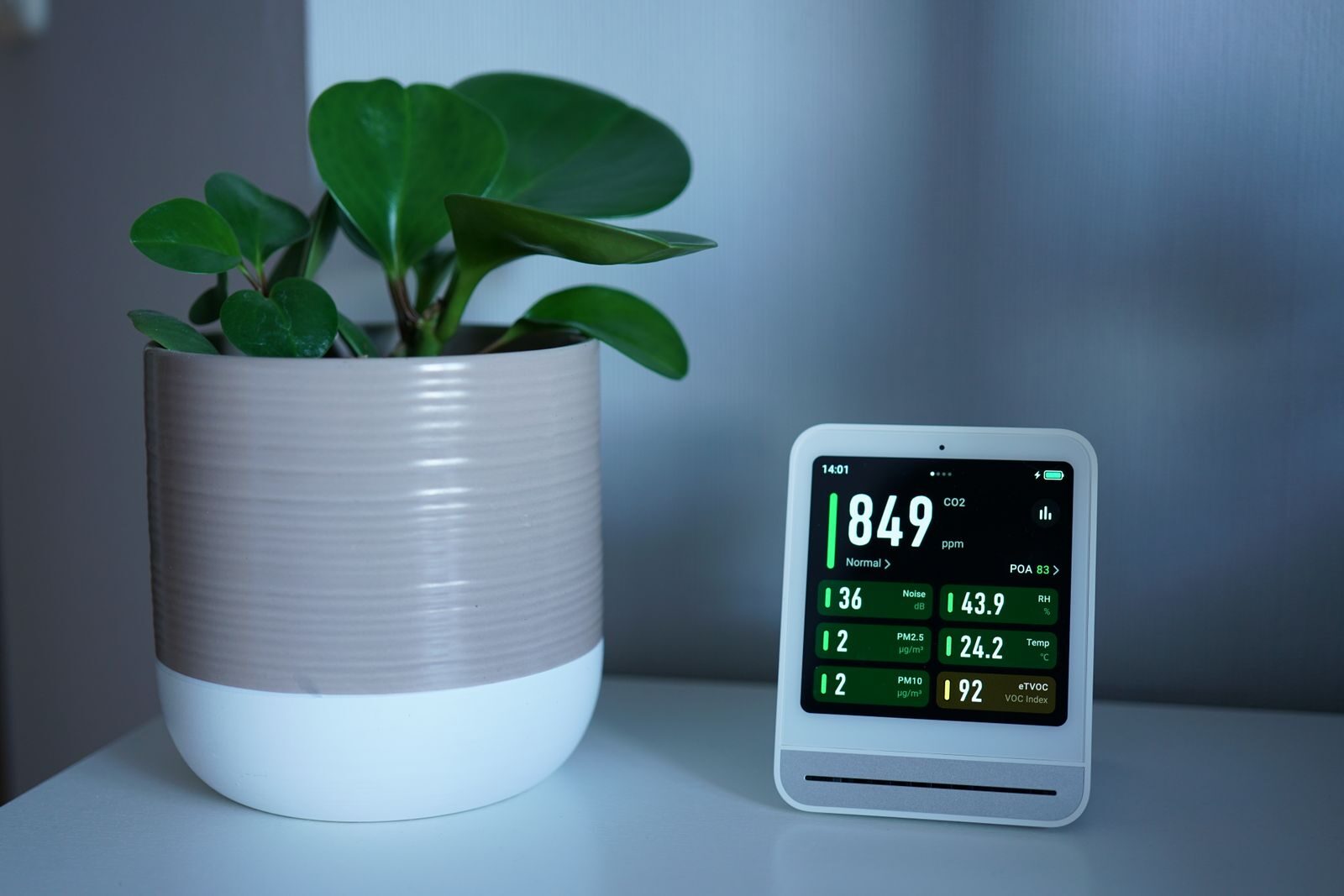
Airthings is the odd one out here, it doesn’t clean your air, it shows you what’s in it. I like it because you can’t fix what you can’t see, and its View Plus tracks seven things at once: radon, fine particles, CO2, VOCs, humidity, and more. The radon side is what makes it stand out, it’s the one home monitor that tracks radon credibly, the second biggest cause of lung cancer, and in independent tests its sensors came within about 5 to 10 percent of proper lab gear.
Just know its limits. These are home sensors, not lab machines, so give them a few days to settle, and radon needs about a month of readings before the number means much. It’s great for spotting trends and problems, but if you want an official, regulator-grade radon figure, back it up with a proper test kit. Treat it as your early warning, then let your purifier do the cleanup.
Check the Airthings View Plus on Amazon →
5. Frigidaire
Frigidaire makes a lot of things, but the one I care about here is their dehumidifiers. When the problem isn’t dust, it’s damp, a purifier won’t touch a muggy, mouldy room, but a dehumidifier pulls the water out of the air. Their 50-pint unit is cheap, common, and typically Energy Star certified, and it comes with a washable filter, a continuous-drain option so you’re not forever emptying a bucket, and auto shut-off when it’s full.
What trips most people up is sizing. Pick for your room and how damp it is, not just the biggest number, because most dehumidifiers that seem broken are simply too small for the space. So a 50-pint unit suits a large or properly damp room, not a small one. And even the best dehumidifier is a struggle in a truly freezing space, that’s a limit of the tech, not the brand.
Check the Frigidaire 50 Pint Dehumidifier on Amazon →
6. Govee
Govee is the cheap little tool that makes the rest of this make sense. Before you buy a dehumidifier or fret about damp, you need to know your humidity, and a Govee H5075 tells you in seconds. What surprised me is the quality: it runs a Swiss-made Sensirion sensor, accurate to about 3 percent, the same class of chip that sits in monitors costing five times more. It logs the readings in an app too, so you can watch a room over days instead of guessing.
A couple of limits to know. It’s a home sensor, not a lab one, so it can drift a little at very high or low humidity, and I’d give it a quick calibration when it’s new. And this version is Bluetooth only, so if you want to read your basement from upstairs, grab the WiFi model instead. Small stuff, for the price it’s the easiest way to stop guessing about damp.
Check the Govee H5075 Hygrometer on Amazon →
7. TempPro
TempPro is the pick for anyone who doesn’t want another app on their phone. It’s the same folks as ThermoPro, the cooking-thermometer brand that’s sold millions, and their little TP49 just sits on a shelf and shows you the temperature, the humidity, and a happy or sad face for dry, comfy, or damp. No pairing, no setup, you glance at it and you know. It reads humidity to within about 2 to 3 percent, which is all you need to tell if a room’s too damp, and you can buy them in cheap multipacks to dot around the house.
The trade against something like the Govee is simple: no app, so no history, no phone alerts, no checking the basement from upstairs. It’s a plain screen you read in person, and the sensor is a basic one, so give it the salt-in-a-bag calibration when it’s new and don’t expect lab numbers. But if you just want to know your humidity without fuss, and to cover a few rooms cheaply, this is the easy one.