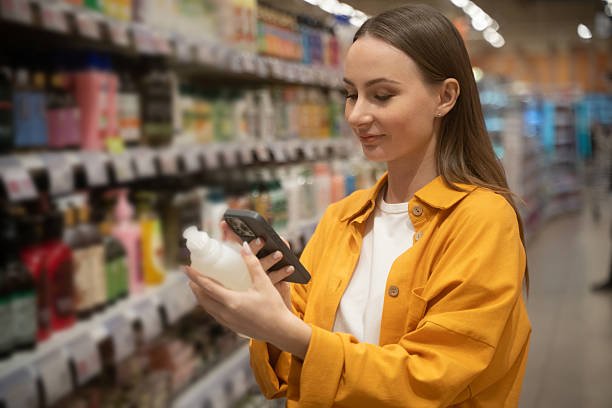







Ever stopped mid-aisle and wondered what that little green bunny or leaf logo proved?
I didn’t, not for years. I’d see a badge, feel better about the bottle, and put it in the basket. Never once asked who checked it, or how.
So I did. I went through the four you see most, and asked one plain question about each: what did this logo have to prove to get printed on the bottle? The answers split into two very different piles.
USDA Organic: the real one
This one’s the strongest of the bunch, and it’s not close. ..
To wear the full USDA Organic seal, a product needs at least 95 percent certified organic ingredients by weight. There’s a weaker version too, “made with organic ingredients,” which only needs 70 percent, and I check which one I’m actually looking at before assuming both bottles mean the same thing.
Here’s what tells me this one’s different from a brand just printing a leaf on a bottle…
A USDA-accredited certifying agent, someone outside the company, has to inspect the supply chain, check the paperwork on every organic ingredient, and sign off before the seal goes on. Then they come back and check again, on a schedule, not once and done. If a brand gets caught cutting corners, they lose the seal, and I can find that out.
The one thing I keep in mind: this seal checks ingredient sourcing, not whether the formula works, or whether it’s gentle on my skin. Organic and effective are two separate questions, and this certification only answers the first one, with a real, audited number behind it. That’s a real check, done by someone outside the brand. I trust it.
Leaping Bunny: small job, done right
Leaping Bunny only promises one thing: no animal testing, at any stage. Not just the finished cream tested on an animal, but every individual raw ingredient too, traced back through the supply chain. A brand can’t just tell me “we don’t test on animals” and get the logo, they have to prove their suppliers don’t either, and someone audits that.
This is the part that changed how I read a “cruelty-free” claim. A company can say its own labs never tested on animals, while quietly buying ingredients from a supplier who did the testing for them. Leaping Bunny is built specifically to catch that gap, which is why I trust it more than a brand’s own cruelty-free claim with nobody checking behind it.
What it won’t tell me: anything about safety, sourcing, or how “clean” a formula is. It’s not checking the plant or the chemistry, just the testing history. But for the one job it does, tracing testing all the way through the supply chain, I trust it completely.
COSMOS Organic: another real one
COSMOS needs at least 95 percent of the plant ingredients to be organically grown, plus a minimum share of organic content overall. Same story as USDA, documented audits, months to earn, can’t just be printed on because a brand feels like it.
This is the one I understand from the inside best. Checking whether a plant was grown the way it claims to be, whether the farming practices behind an ingredient hold up, that’s the exact kind of question my plant biology background trained me to ask, just aimed at a jar instead of a field.
What COSMOS doesn’t touch: animal testing, or overall product safety. It’s a sourcing standard, not a safety or ethics one, so I don’t stretch it to cover ground it was never built for. For what it does check, real organic farming behind the plant material, I trust the number.
EWG Verified: this one’s messy
Now the complicated one…
Search “is EWG reliable” and you fall into years of arguing, brands publicly explaining why they picked a different badge instead, forum threads with dozens of people on both sides. So what’s going on?
EWG Verified does real things. Full ingredient disclosure, even the fragrance part most labels never break down. Nothing from their own “unacceptable” list. That’s more than most brands hand over willingly.
But here’s the question nobody asks about the score itself: is it measuring how dangerous something could be, or how dangerous it is at the amount used?
Those are two different questions. EWG scores hazard, could this cause harm under any conditions, not risk, does the amount in this bottle pose a risk. EWG says so themselves, right there in their own methodology page: their ratings “do not account for the level of exposure or individual susceptibility, factors that determine actual health risks” (EWG).
Stop and think about that for a second. That’s the exact gap I keep running into on this site. I hit it with rosemary extract, where the role and the amount changed everything about what a compound does. I hit it with willow bark, where I went looking for the source behind a claim everyone repeats and never found one. Same pattern here. A number without a dose attached is only half an answer.
And this isn’t just me being suspicious. In 2009, George Mason University asked 937 professional toxicologists, people who study dose for a living, how well different groups portray chemical risk. 79 percent said EWG overstates it (CBS News). That poll is old, and EWG has tweaked things since. But it’s a real gap between how this group talks about risk and how the field that studies risk sees it.
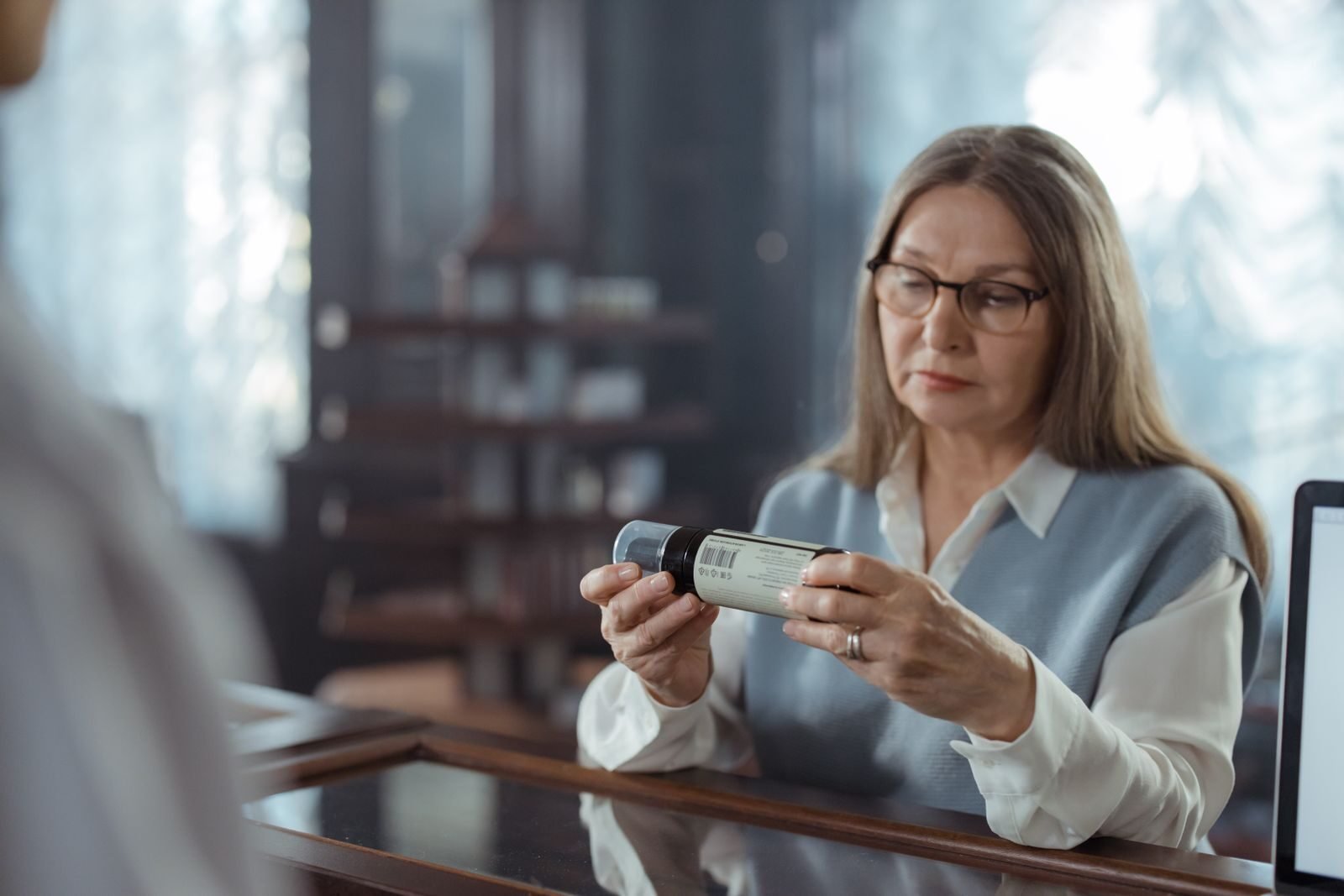
So what do I check now?
Next time you’re holding a bottle, skip the logo for a second and flip it over. Find where the certification is explained on the brand’s own site, or search the certifying body directly, EWG’s own page will tell you their scoring method in plain language if you look for it. That two minute check tells you more than the badge ever will.
Organic sourcing, trust USDA and COSMOS at face value. Animal testing, trust Leaping Bunny outright. Overall safety, read the disclosure, question the score.
The badge got me to look. Reading the rest is what got me the answer.
FAQs
Is EWG Verified a reliable certification?
It does real things, full ingredient disclosure and a ban on ingredients from EWG’s own “unacceptable” list. But its hazard scoring doesn’t account for actual exposure levels, a limitation EWG states plainly in its own methodology documentation. Treat it as one input, not a final verdict.
What’s the difference between hazard and risk in cosmetic safety?
Hazard asks whether something could cause harm under any conditions. Risk asks whether the amount you’re exposed to could realistically cause harm. A compound can score high on hazard in a lab test while doing nothing at the trace amount used in your cream.
Is USDA Organic a trustworthy certification for skincare?
Yes. The full “organic” claim needs at least 95 percent certified organic ingredients by weight, checked through ongoing government audits. The weaker “made with organic ingredients” claim only needs 70 percent, so check which one is printed on the label.
Does Leaping Bunny mean a product is natural or organic?
No. It only certifies no animal testing at any stage, including on individual ingredients, and it audits the supply chain to prove it. It says nothing about safety, organic content, or anything else.
What does COSMOS Organic require?
At least 95 percent of the plant-based ingredients need to be organically grown, plus a minimum share of organic content overall, backed by real audits. A real, checkable standard for how the plants were sourced, but it doesn’t touch testing or overall product safety.
Where this leaves your next purchase
I don’t stop at the logo anymore. I ask what it was built to check. Organic sourcing, USDA Organic or COSMOS give me a real number. Animal testing, Leaping Bunny is precise and audited.
Overall safety, EWG gives me useful disclosure, but I read the score as one side of a real argument among scientists, not the last word.
That’s the shift. From trusting the badge to asking what the badge did.