







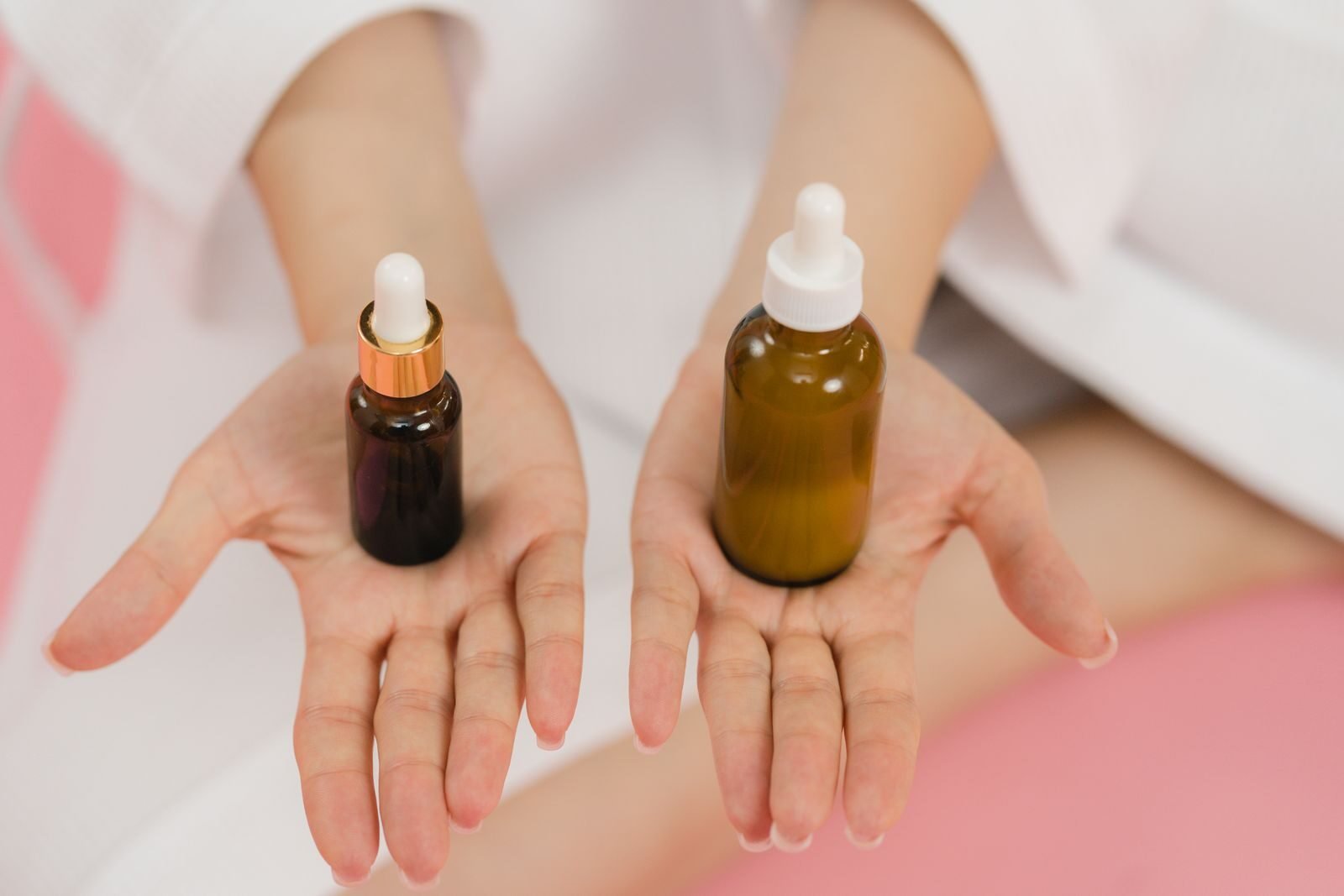
Can you still use vitamin C serum after it turns brown?
That’s the question everyone is actually asking, more than “why did this happen.” I want to answer both properly, because the color is not random, it is a direct readout of a chemical reaction, and once you understand the reaction, the color tells you exactly where things stand.
This is the third piece of a pattern I’ve been circling in this series…
I wrote about whether a compound is even small enough to get into skin in does your skin even absorb plant extracts, and about whether it survives being pulled out of the plant in one piece in cold pressed, solvent, or CO2 extraction. This is the third gate. A compound can be small enough, extracted properly, and still be sitting there dead by the time you apply it, because it broke down in the bottle after all that.
The paradox behind why it happens at all
Here’s the part nobody puts plainly. The reason vitamin C works on your skin is the exact same reason it falls apart in the bottle.
Ascorbic acid, the active form of vitamin C, works as an antioxidant because it gives up electrons easily. That’s what neutralizing a free radical means, handing over an electron to stabilize it. On your skin, that’s useful. In the bottle, sitting in a liquid exposed to air, that same electron-giving habit means ascorbic acid reacts with oxygen constantly, whether there’s a free radical around to neutralize or not.
So it’s not a flaw in a badly made serum. It’s the same chemistry running in two different places. A molecule built to donate electrons easily is going to donate them to oxygen too, given enough time.
The actual chemistry, step by step
Ascorbic acid oxidizes first to dehydroascorbic acid. At this early stage, the reaction can still run in reverse, dehydroascorbic acid can convert back to ascorbic acid under the right conditions, so a very lightly discolored serum may still hold some activity.
From there, dehydroascorbic acid breaks down further into diketogulonic acid, and this step doesn’t reverse. Diketogulonic acid and the other breakdown compounds that form alongside it are what actually produce the yellow, orange, and brown color you see. This is a documented, staged degradation pathway, not a vague “it went off” (Sheraz et al., 2015).
So the color is genuinely a timeline. Pale yellow means you’re still early, mostly reversible. Orange or brown means you’re past the point of no return, the antioxidant activity that made you buy the serum in the first place is largely gone.
What actually speeds this up
Four things drive the reaction, and they’re not evenly weighted.
Metal ions are the biggest catalyst most people never hear about. Copper, iron, and zinc ions specifically speed up the reaction with oxygen. This is part of why packaging and even water quality in a formula matter more than people assume.
pH matters a lot. The reaction is slowest around pH 2.5 to 3.0 and speeds up as pH rises. This is also roughly the pH range that helps ascorbic acid actually penetrate skin, so a well-formulated serum sitting at that low pH is fighting oxidation and doing its job at the same time, not by coincidence.
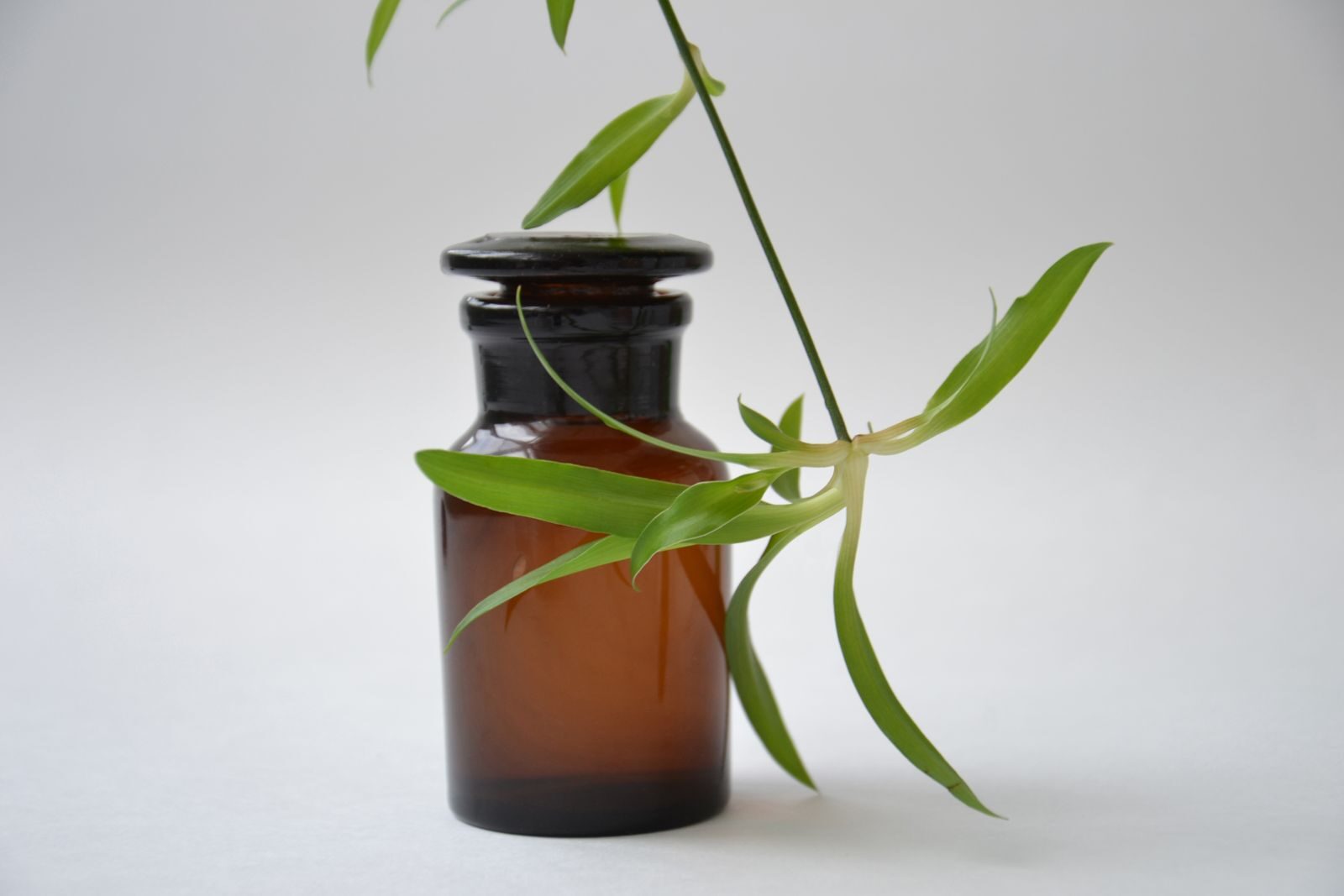
Light and heat both accelerate the reaction, which is why opaque bottles and cool storage aren’t just marketing gestures, they’re doing real chemistry.
Water is a factor too. Ascorbic acid degrades faster in an aqueous formula than in an anhydrous or oil-based one, which is part of why some brands formulate vitamin C in powder form you mix fresh, or in non-water bases.
So what do you actually do
Read the color like the timeline it is. Pale yellow, still early, probably worth finishing up. Amber, orange, or brown, the antioxidant activity is largely gone, and continuing to apply it is mostly just applying an inactive, mildly acidic liquid to your face.
A smell change, sour, metallic, or off, on top of the color change is a separate warning sign and worth taking seriously regardless of the color.
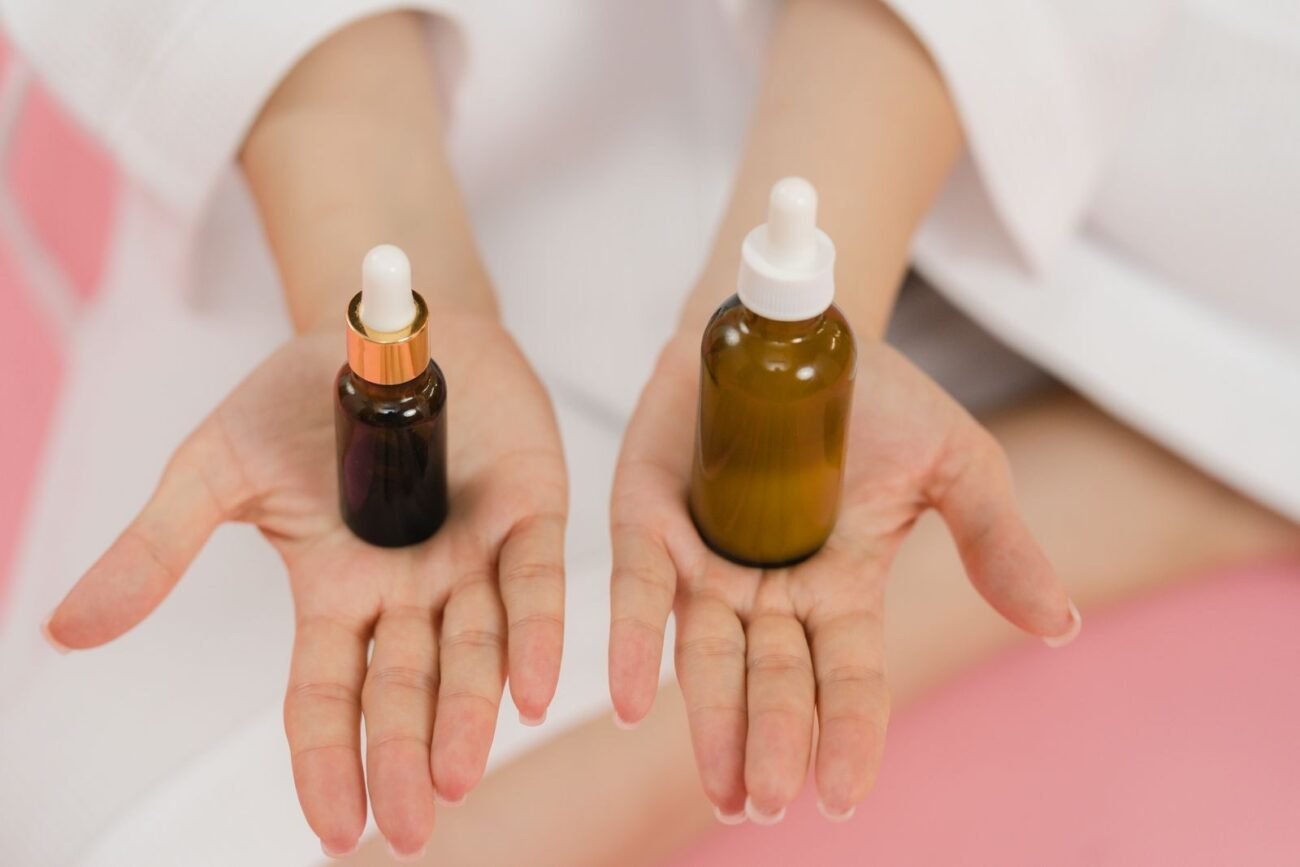
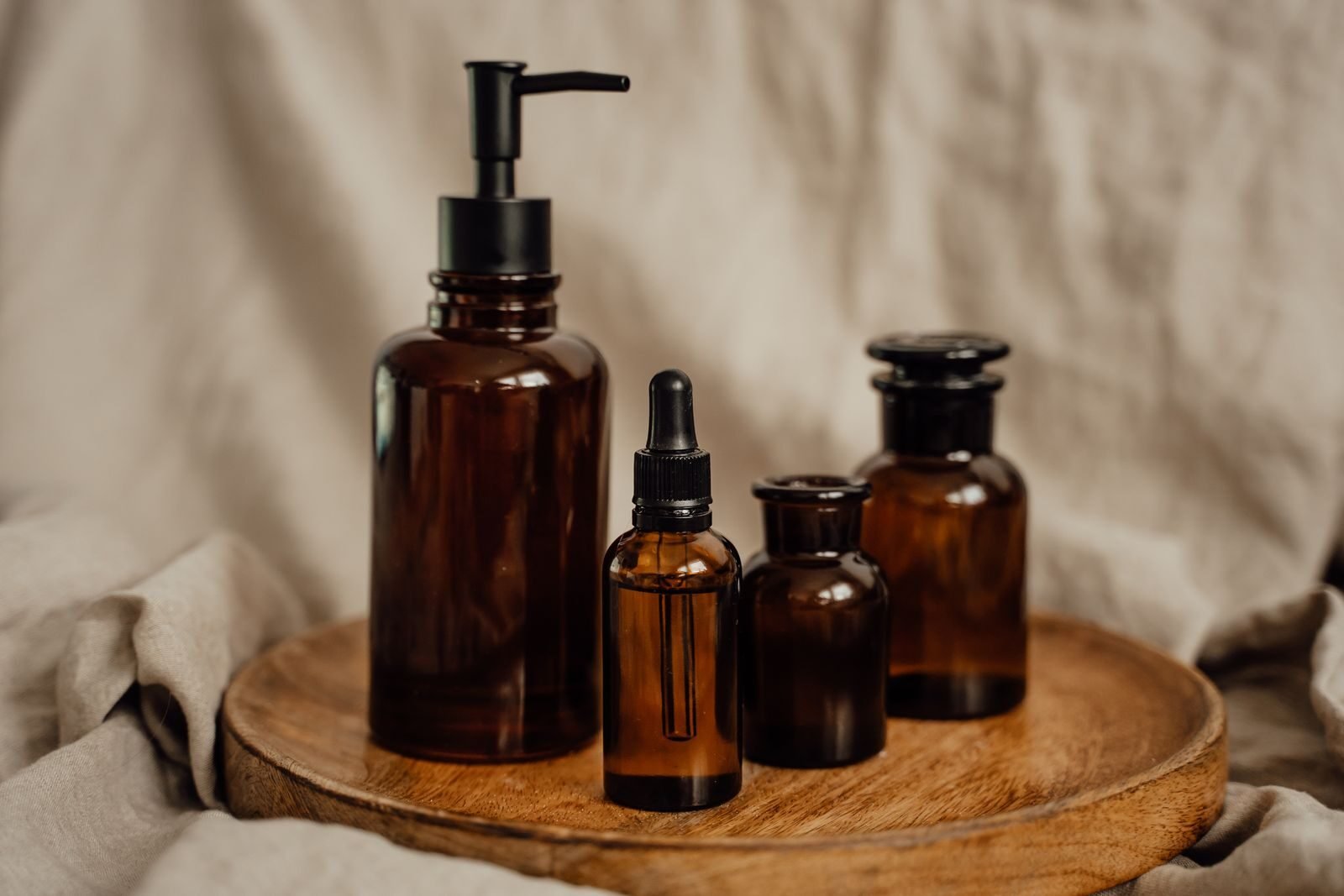
If you want a serum to actually last, check for three things before you buy: an opaque or dark bottle, an airless pump rather than a jar or dropper that lets air in constantly, and a stated pH, or at minimum, ingredients suggesting a properly acidic formula. None of that guarantees the product will outlast the oxidation reaction forever, since that reaction is baked into the chemistry of the molecule itself. It just slows the clock.
FAQs
Can I still use my vitamin C serum after it turns brown?
It depends how far the color has gone. A pale yellow serum has likely only partly oxidized and may retain some activity. Orange or brown means the ascorbic acid has broken down past the point of reversal, into inactive compounds, so continuing to use it delivers little to no antioxidant benefit.
Why does vitamin C serum turn brown?
Ascorbic acid oxidizes when exposed to oxygen, light, and heat, converting first to dehydroascorbic acid and then breaking down further into diketogulonic acid and other compounds that produce the yellow, orange, and brown colors. This is the same electron-donating property that makes vitamin C work as an antioxidant on skin.
Is oxidized vitamin C serum dangerous?
Generally not dangerous, but it is ineffective. The main issue is that you’re applying a product that no longer delivers the antioxidant benefit you bought it for, not that the breakdown compounds themselves are typically harmful, though a strong sour or metallic smell alongside discoloration can signal the product has gone bad in other ways too.
How can I stop my vitamin C serum from oxidizing so fast?
Store it away from light and heat, keep the cap tightly closed to limit air exposure, and consider refrigeration, since both light and temperature measurably speed up the reaction. Choosing a product in an opaque, airless pump bottle from the start also slows the process considerably.
Does pH affect how fast vitamin C oxidizes?
Yes. The reaction is slowest around pH 2.5 to 3.0 and speeds up as pH rises. This is also close to the pH range that helps ascorbic acid penetrate skin effectively, so a properly formulated low pH serum is fighting oxidation and doing its job at the same time.