



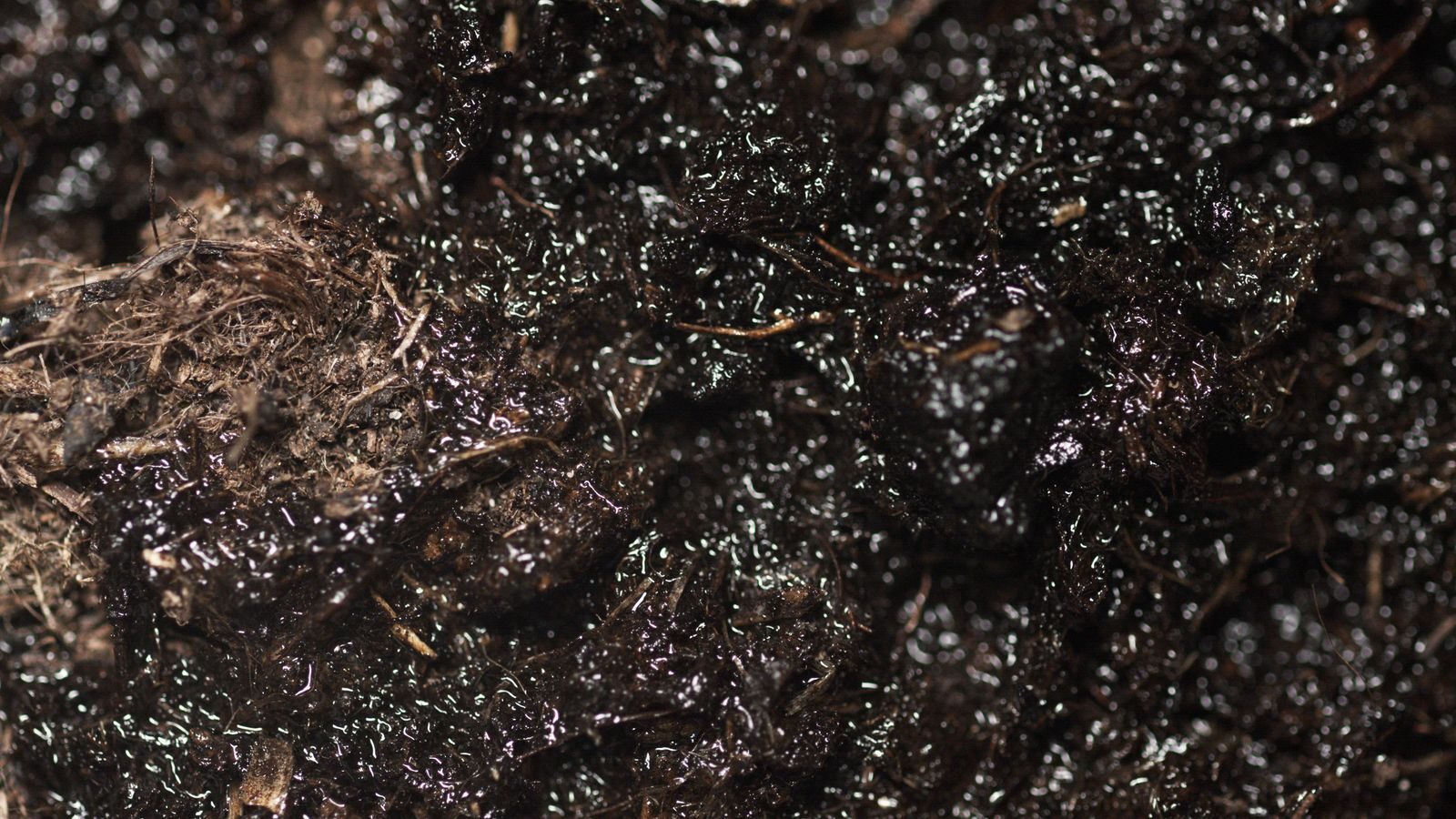
You water your houseplant, leave it a few days, and come back to a patch of white mould on the soil. It is a horrible little surprise. The word “mould” alone is enough to worry most people, both for the plant and for themselves.
So let me put your mind at ease. This is something I know well. I studied soil life in my research, and later I trained in indoor microbes and how they affect the air we breathe. That white patch sits right between those two things.
And the news is good. White mould on plant soil is almost always harmless. It is a normal soil fungus doing a normal job. Your plant is not dying, and your home is not in danger. The mould is even useful, in a way, because it tells you something about how the plant is being looked after. Let me walk you through what it is, whether it can harm you, and how to clear it.
What the white mould is
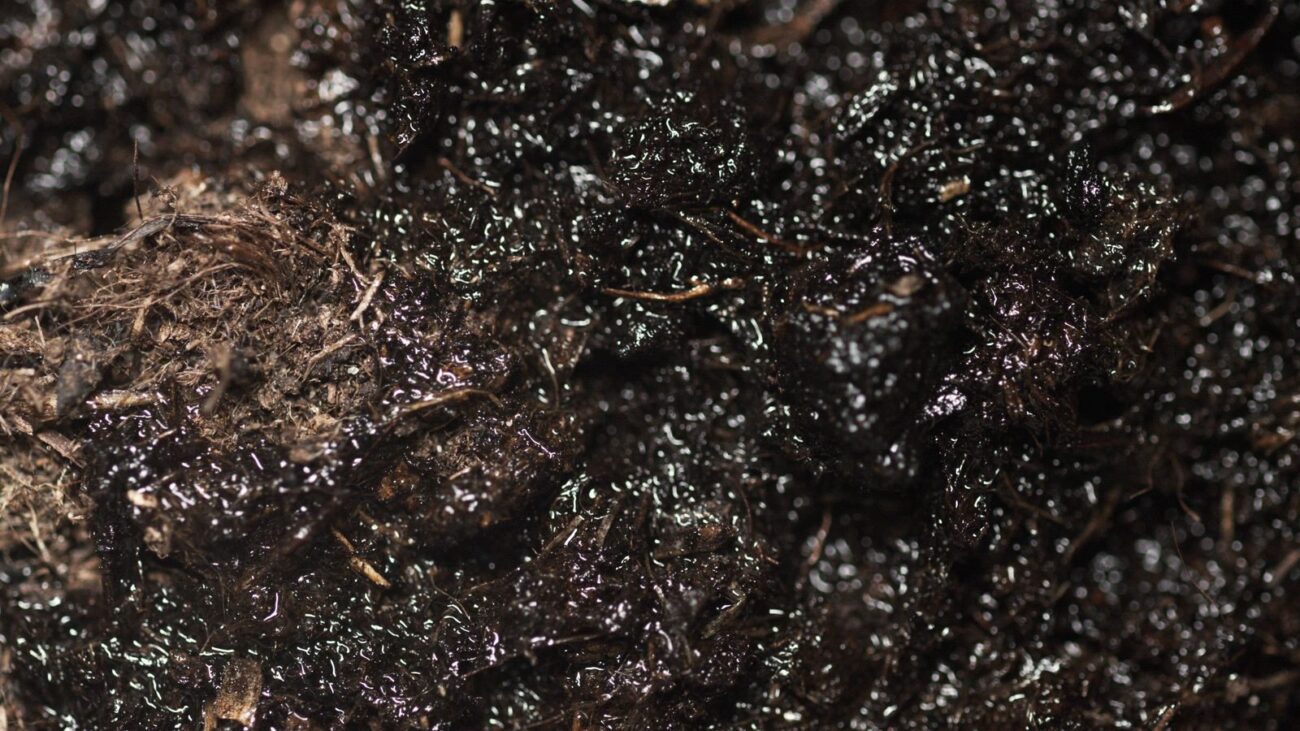
It is a fungus. To be specific, a saprophytic one, which is just a fungus that feeds on dead material rather than living things.
So here is the part that should settle your nerves. That fungus is eating the dead bits in your potting mix, the old bark, the peat, the bits of broken-down plant. It is not eating your plant. It is not going after the roots. It has no interest in the living plant at all.
My soil work taught me to see soil differently, and it helps here. Soil is not dead stuff that you stick a plant into. Good soil is alive, packed with fungi and microbes, and that is exactly how it should be.
The fungi behind that white patch were in the pot all along, as tiny spores in the mix and in the air of your room. They did not arrive from outside. They were always there, waiting. When the conditions turned right, they simply grew enough for you to see them.
Can it make you sick?
This is the question people ask me first, and since indoor microbes are my area, I want to answer it properly rather than just say “do not worry.”
For most people, a small patch of soil mould is not a health problem. Fungal spores are in the air of every home anyway, all the time, indoors and out. A bit of mould on one pot is nothing like a damp wall covered in the stuff, which is a far bigger source. The amount drifting off a plant pot is tiny.
But I will not brush the question aside either. If you have a mould allergy, asthma, or a weak immune system, you react to spores more than most people do, so clear it sooner rather than later, and do not put your face right over it. And nobody, however healthy, wants a steady little spore factory sitting in the living room for months. So: fine for most people in the short term, worth clearing for everyone, and worth clearing fast if someone in the house has allergies or breathing trouble. If you are truly worried about mould affecting your health, that is one for your doctor, not a plant article.
One more thing, because people muddle the two. This white soil mould is not the black or dark green mould you get on a constantly damp wall. That wall mould is a bigger, more serious problem. The white stuff on your plant is the mild, everyday kind. Do not let the word “mould” scare you into treating a plant pot like a damp wall.
Why it showed up
The mould is worth a moment’s thought, because it is telling you something. To grow where you can see it, this fungus needs three things: moisture, warmth, and still air. Your warm room covers the warmth. The other two come down to how the plant is being kept.
Nearly always, the real culprit is water. Too much of it. If you water too often, or the pot drains badly, the soil stays wet far too long, and wet soil is where this fungus thrives. This is the number one cause, and it is the first thing to put right.
Next is stale, still air. A plant shoved in a quiet corner with no air moving past it sits in damp, motionless air, and the soil top never gets a chance to dry. A bit of airflow dries that surface and the fungus struggles to take hold.
Last is very rich soil, full of organic matter, which simply gives the fungus more to eat. That alone is not a problem, it just means the wet-and-still part counts for more.
So really, the white patch is a little report on your plant’s conditions. It is saying the soil is too wet, too warm, too still. Sort those out and the fungus has nothing left to live on.
How to get rid of it
Here is what to do, in order. None of it is hard.
Scrape it off first. Take a spoon, lift off the top layer of soil with the mould in it, and bin it. The fungus mostly sits on the surface, so taking off that top layer takes most of it with it. If mould bothers your chest, do this gently so you are not flicking spores into the air, and pop a mask on if you like.
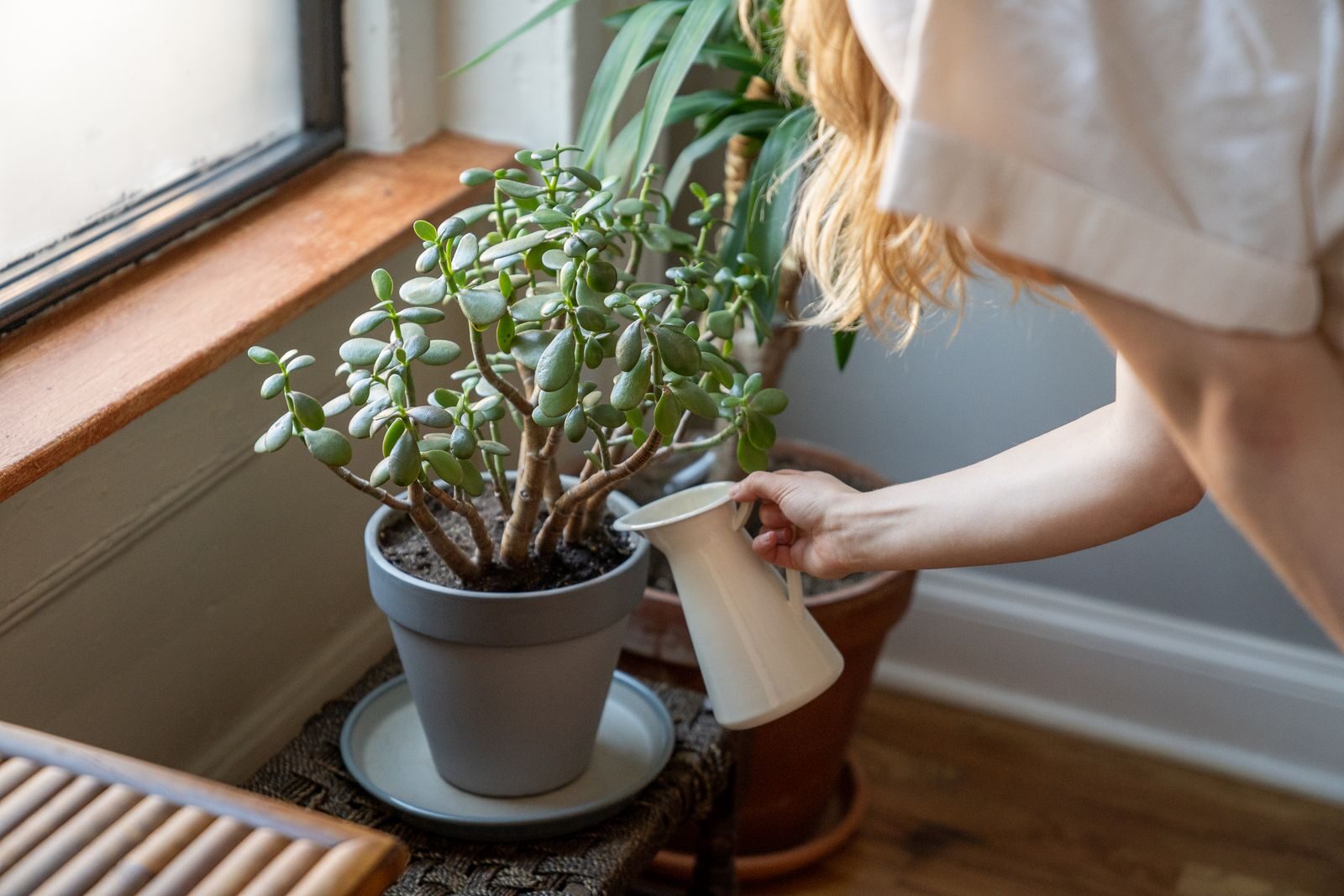
Then let the soil dry out, and this is the part that really fixes it. Hold off watering until the top few centimetres feel properly dry. Most houseplants would much rather be a bit dry than sitting in a swamp, and letting the soil dry between drinks is the best habit for keeping the mould gone. The overwatering caused it, so easing off the water cures it.
Give it more air and light too. Move the plant somewhere with a bit of airflow and a little more brightness. Both dry the surface and make it harder for the fungus to come back.
And if it keeps returning, repot it. Mould that will not quit usually means the mix is holding too much water, so fresh, free-draining soil in a pot with proper drainage holes resets everything. Mix in something gritty to help the water run through instead of pooling.
You will see people online sprinkling cinnamon on the soil. It does have a mild antifungal effect, so it can help as a finishing touch. Just do not let it fool you into thinking it is the answer. Cinnamon dabs at the symptom. Drying the soil out deals with the cause.
Can you still use mouldy soil?
Usually, yes. If a bag of potting soil has gone a bit mouldy or smells musty from sitting damp, it is generally still fine once you tip it out, let it dry, and air it off. The fungus is not poison. Drying and turning the soil usually sorts it.
Same with the plant in the pot. You do not need to throw the whole thing out over a bit of surface mould. Scrape the top, dry it out, fix how you water, and the plant and most of its soil carry on fine. It is only when the soil is soaking, smells sour, and the roots have started to rot that you need to replace more of it, and that, again, is a watering problem, not a mould one.
Summary
White mould on plant soil is nearly always a harmless fungus that feeds on the dead matter in your potting mix, not on the plant. Its spores are already in the soil and the air, and they only show up when the conditions let them grow.
For most people it is no health threat, since these spores are part of normal household air, and a plant pot is a tiny source next to a damp wall. Still worth clearing, and worth clearing quickly if anyone at home has allergies, asthma, or a weak immune system.
It grows because the soil is too wet, too warm, and too still, and the usual cause is overwatering or poor drainage, with stale air making it worse.
To clear it: scrape off the top, let the soil dry, give it more air and light, and repot into fresh draining soil if it keeps coming back. Sorting the watering does far more than any spray or powder.
Common questions
Is mould on plant soil harmful to the plant?
Usually not. It is a fungus feeding on dead matter in the soil, not on the plant, so it does not attack healthy roots. It mostly just warns you the soil is too wet, which could lead to root rot over time if you ignore it.
Can mould on plant soil make you sick?
For most people, no. A small patch of soil mould is not a real health threat, since these spores are already in normal household air. People with mould allergies, asthma, or weak immune systems are more sensitive and should clear it promptly. For a real health worry, ask a doctor.
What causes white mould on houseplant soil?
Too much water is the main cause, from overwatering or poor drainage that keeps the soil wet too long. Still air and low light make it worse by stopping the surface from drying, and rich soil gives the fungus more to feed on.
How do I get rid of mould on plant soil?
Scrape off the top layer with the mould, then let the soil dry out before watering again. Improve the airflow and light, and if it keeps returning, repot into fresh, free-draining soil. Fixing how you water is the real cure.
Can I still use potting soil that has mould on it?
Usually yes. Soil that went mouldy from damp storage is generally fine once you spread it out, let it dry, and air it. The fungus is not poison, so dried-out soil works normally.
Is white mould on soil the same as black mould on walls?
No. The white mould on plant soil is a mild soil fungus. The black or dark green mould on constantly damp walls is a different, more serious household problem. They just share the word “mould”.