








Why does your house feel stuffy all winter, yet the moment you crack a window you can feel your heating money flying out of it?
You are stuck in the winter trap. Open up and freeze. Seal up and breathe stale, damp air. Most people just seal up and hope.
Here is the problem with sealing up.
A closed winter home is where damp and mould are born.
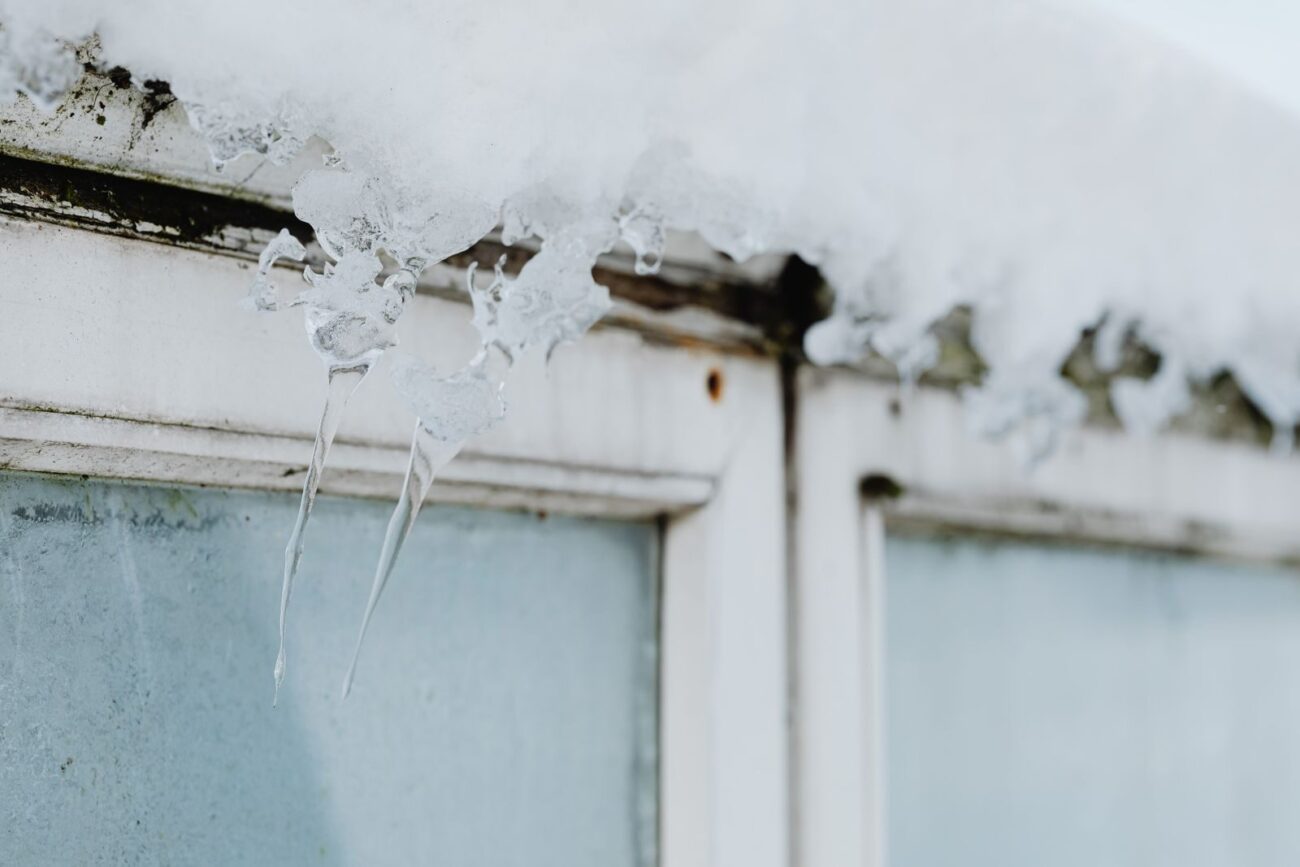
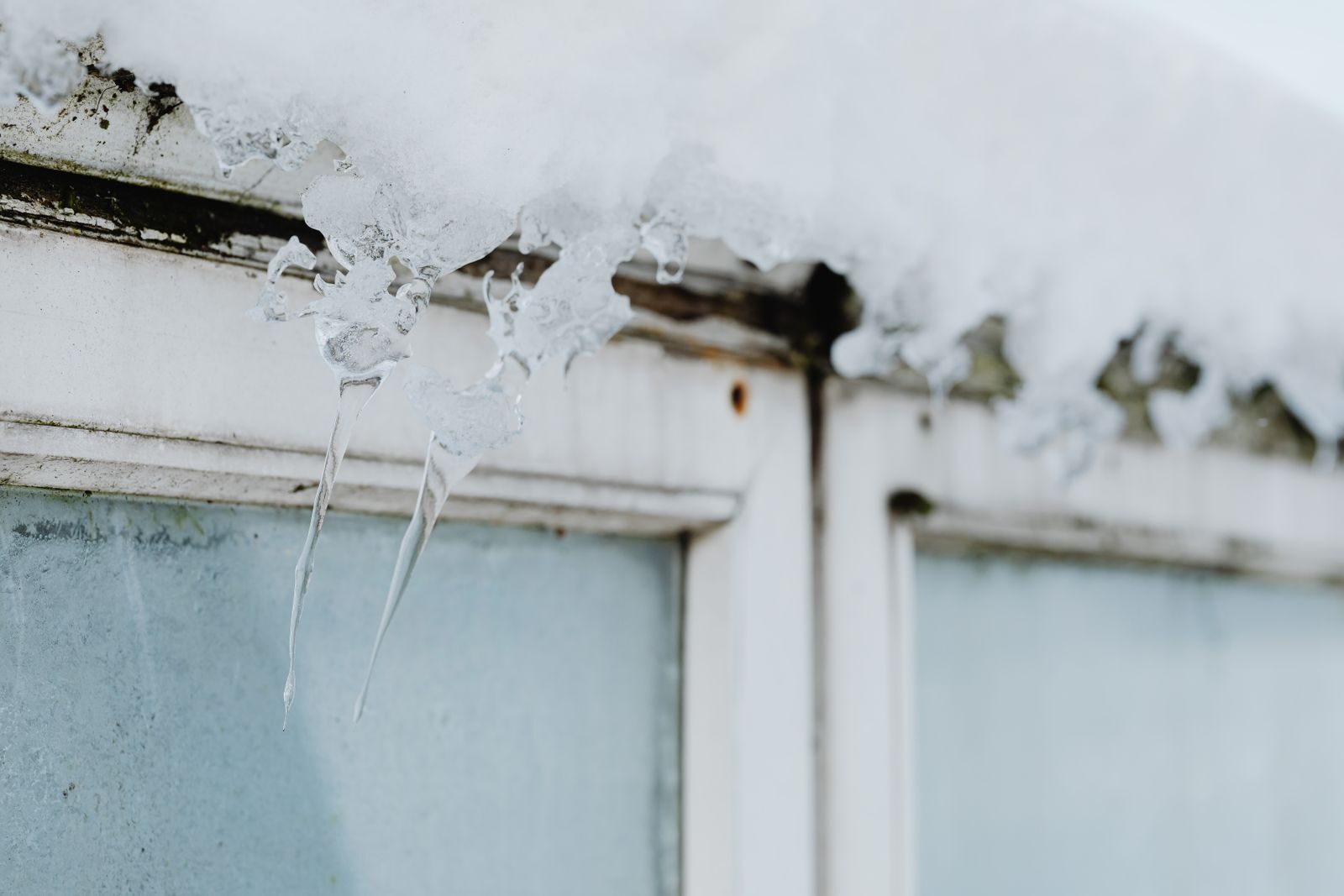
Those weeping windows every morning?
That musty smell in the back bedroom?
That dark patch creeping in behind the wardrobe?
That is trapped moist air with nowhere to go.
I am a biologist, not a builder. So I am not here to sell you a system. I am here to tell you what is building up in your sealed winter air, why it turns into damp and mould, and how to clear it in a couple of minutes a day without freezing or running up your heating bill.
There is a simple trick, and once you know it you will never leave a window cracked all day again.
Why winter air goes bad so fast
Let me ask you something. Where does all the water go?
You breathe it out all night. You boil pasta, you run hot showers, you dry laundry on the radiator. Every one of those pumps water vapour into your home air. In summer it drifts out through open windows. In winter, with everything sealed tight, it has nowhere to go.
This is the part I care about, because I studied how the indoor microbial world forms and what it does to your health. Here is the chain, and it is short. Trapped moist air finds the coldest surface, usually a window or an outside wall, and turns back into water. That surface stays damp. Damp surfaces grow mould and bacteria. So your sealed, cosy winter room is quietly turning into a place where things grow.
This is not a small problem.
A large review of the research linked poorly ventilated homes to more breathing trouble, more infections, and more of those vague unwell-in-your-own-house symptoms. Damp winter air is not just uncomfortable. It has a cost you breathe in.
I live with this every winter, so it is not theory for me. I knock the snow off my shoes before I come in, because melted snow on the carpet is just more water in the air. I keep the bathroom wiped down and dry, sometimes with a bit of heat to finish the job. And when I open the windows, it is for a few minutes, never all day. Small habits, but they stop the damp before it ever gets started.

So why not just leave a window open?
Easy, you think. Crack a window, let the room breathe, done. Two problems.
First, heat. Leave a window open all day in winter and you are paying to heat air that escapes straight outside. Your boiler works harder, your bill climbs, and the room never feels warm. That is the fear that makes people seal up in the first place, and it is a fair fear.
Second, and people miss this one, a single cracked window barely ventilates anyway. I spent years studying how gases move between a surface and the air above it, and the rule is blunt. Air needs a push to flow, and one small opening gives it almost nothing. So a cracked window does the worst of both worlds. It leaks heat slowly and clears the air slowly. Lose, lose.
So the goal is the opposite. Move a lot of air fast, then stop. Swap the stale wet air for fresh, and shut the window before the room loses its warmth. That is the whole game in winter.
The trick: short, sharp airing
Here is the method that does it. It has a name in colder countries, where people have done it for generations. Short, sharp airing.
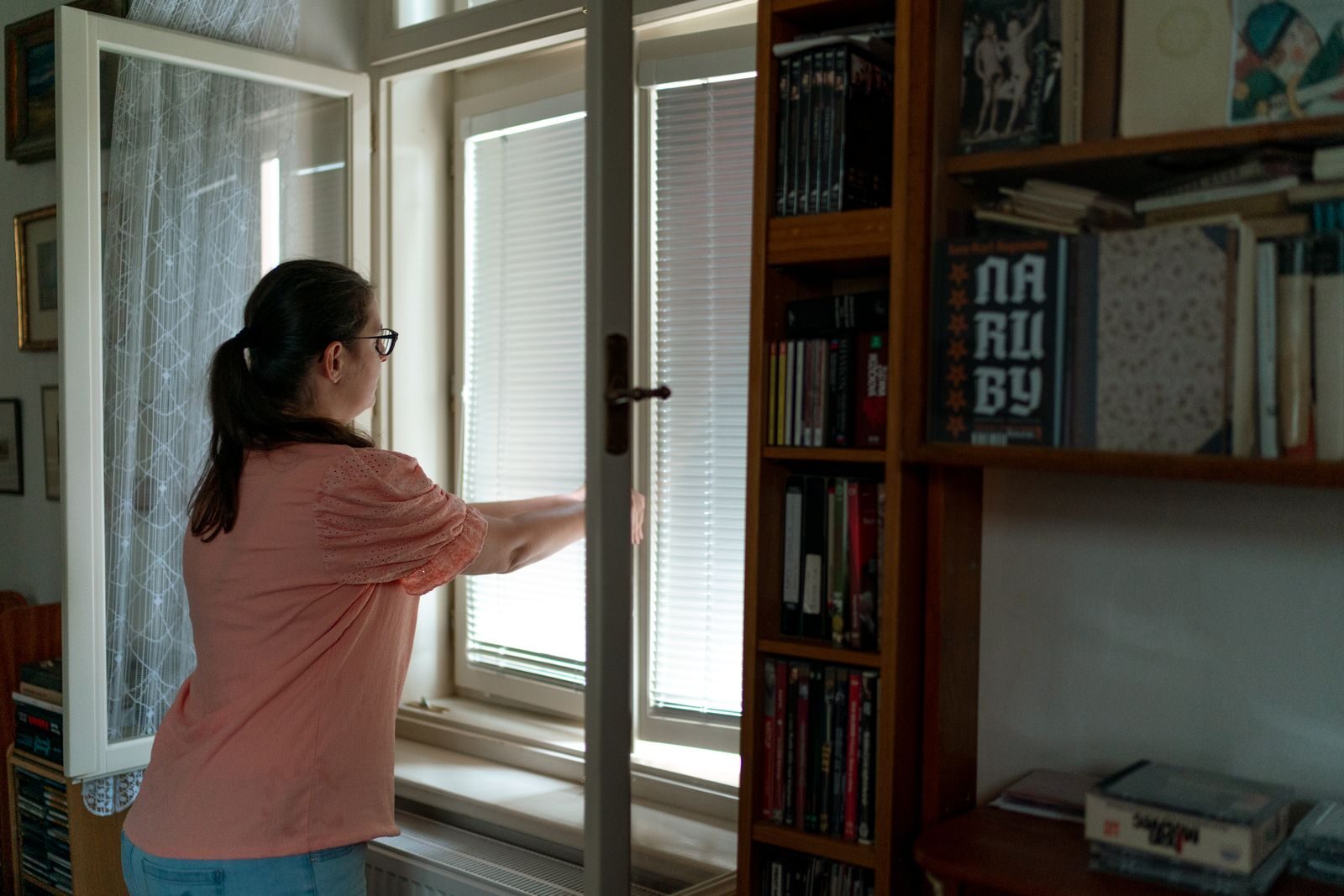
Do this. Open two windows wide, on opposite sides of the home if you can. Leave them for five to ten minutes. Then close them.
That is it. In those few minutes, the stale, moist air rushes out and fresh air rushes in. But here is the clever part. The walls, floor, and furniture stay warm, because solid things hold heat far longer than air does. So when you shut the windows, the fresh cold air warms back up in minutes, drawing that stored heat from the room around it. You barely feel the dip.
Compare that to a window cracked for eight hours, which slowly drains heat the whole time and never properly clears the air. Short and sharp wins on both counts. Do it once in the morning, once in the evening, and your winter air stays fresh and dry.
Air the wet rooms hardest
If you do nothing else, target the two rooms that make the most water. Your kitchen and your bathroom.
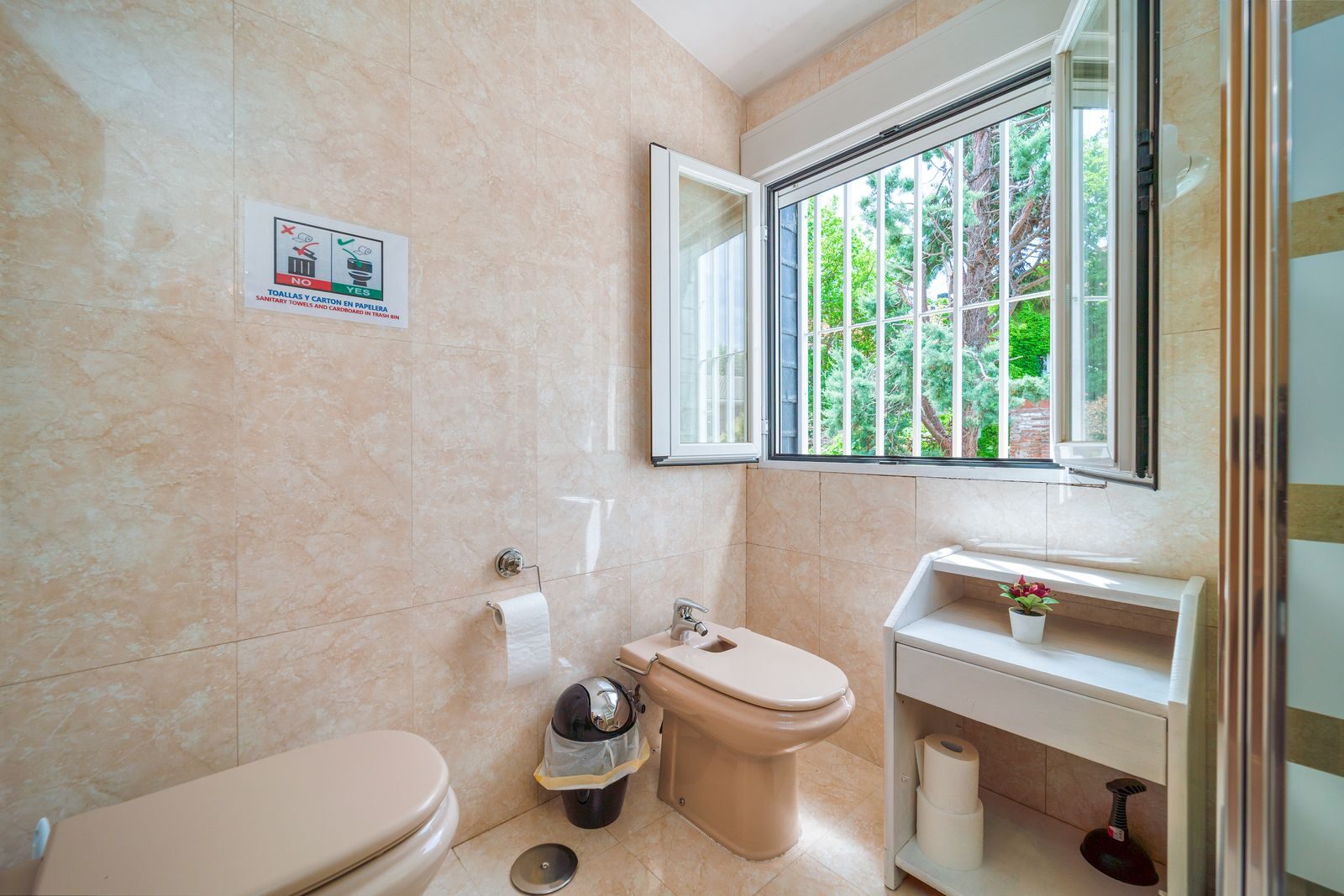
Open the window while you cook, not after. Open it while you shower and for a few minutes after, so the steam leaves before it spreads. If those rooms have an extractor fan, use it, and still crack the window. Most winter damp and mould starts in these two rooms, then drifts to colder corners of the home. Stop it at the source.
Do not block your vents to stay warm
Now a winter warning. Look for the small permanent vents in your home. Air bricks in the walls. Round wall vents. Thin slot vents along the top of your window frames. In winter, the temptation to block them is strong, because they let in a cold draught and you want to save heat.
Please do not. Those vents give your home a slow, steady trickle of fresh air all day with no effort from you, and in winter that trickle is doing real work against the damp. Block them and you trap the exact moist air that turns into mould. The little heat you save is not worth the damp you create. Find them, and leave them open.
When airing is not enough
For most homes, short sharp airing plus open vents is enough to keep winter air fresh and dry. But not every home.
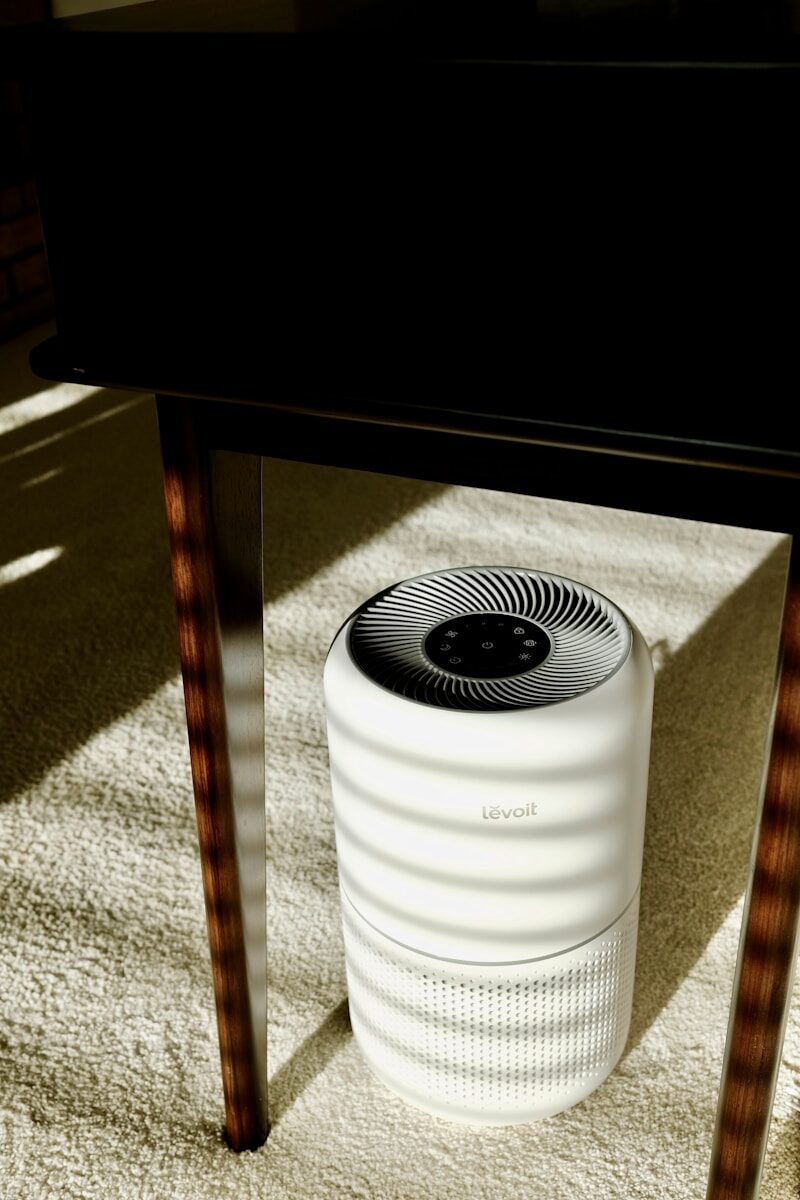
Tightly sealed modern homes are built to lose almost no air, which is good for heating bills and bad for moisture. If yours stays damp no matter how you air it, or you cannot face opening windows in deep cold, there is a machine made for exactly this. It is called heat recovery ventilation.
It pulls stale air out and fresh air in through the same unit, and it takes the heat from the outgoing air to warm the incoming air. So you get constant fresh air and keep most of your heat. It costs money to fit, but for a sealed, damp-prone home it solves the winter problem properly.
What I would do in your home this winter
If you take one thing from all this, take the airing trick.
Twice a day, open two windows wide for five to ten minutes, then close them. Air the kitchen and bathroom while they are steamy. Leave your wall and window vents open, even when it is cold. Do that, and your winter air stays fresh, your windows stop weeping, and the mould has nowhere to start.
No open window draining heat all day. No sealed, damp box. Just a few minutes of strong airing and a warm, dry home. That is the trick the cold countries have known for years.
Summary
Ventilating your home in winter sounds like a way to lose all your heat, but done right it keeps your home both fresh and warm. Sealed winter homes trap the moisture you make from breathing, cooking, and showering, and that trapped moisture turns into condensation, damp, and mould on cold surfaces.
A window cracked all day is the worst answer, since it slowly bleeds heat and barely clears the air. The fix is short, sharp airing: open two windows wide for five to ten minutes, then close them, so the air swaps fast while your walls and furniture stay warm. Air the kitchen and bathroom hardest, since they make the most moisture, and never block the small wall and window vents that keep a steady trickle of fresh air moving.
For tightly sealed or damp-prone homes, a heat recovery ventilation system gives constant fresh air while keeping most of the heat. A few minutes of the right airing each day keeps winter air dry and healthy without the heating bill.
Questions you might have
Should you ventilate your home in winter?
Yes. Sealed winter homes trap the moisture from breathing, cooking, and showering, which is why condensation and mould often appear in cold months. You do not need to lose much heat to fix it. Short bursts of strong airing clear the damp air without cooling the whole house.
How do you ventilate in winter without losing heat?
Open two windows wide for five to ten minutes, then close them. The air swaps fast while your walls, floor, and furniture stay warm, so the room heats back up quickly once the windows are shut. This loses far less heat than leaving one window cracked all day.
Will opening windows get rid of mould in winter?
It is a big part of the answer. Mould grows on damp surfaces, and winter condensation keeps those surfaces wet. Regular short airings remove the moist air before it settles, but you also need to fix any leak or cold spot that keeps a surface damp.
Why do my windows have condensation in the morning?
Because moist indoor air met a cold pane overnight and turned back into water. You add that moisture just by breathing, and a closed bedroom traps it. Airing the room in the morning, plus a short airing before bed, cuts the condensation down.
Should I block wall vents in winter to stay warm?
No. Air bricks, wall vents, and trickle vents keep a steady supply of fresh air moving, which fights winter damp. Blocking them traps moisture and invites mould. Keep them open and handle the cold another way, such as draught-proofing your doors instead.
How often should I air my home in winter?
Once in the morning and once in the evening is enough for most homes, with extra airing of the kitchen and bathroom when you use them. Each airing only needs a few minutes. Short and regular beats long and constant.