



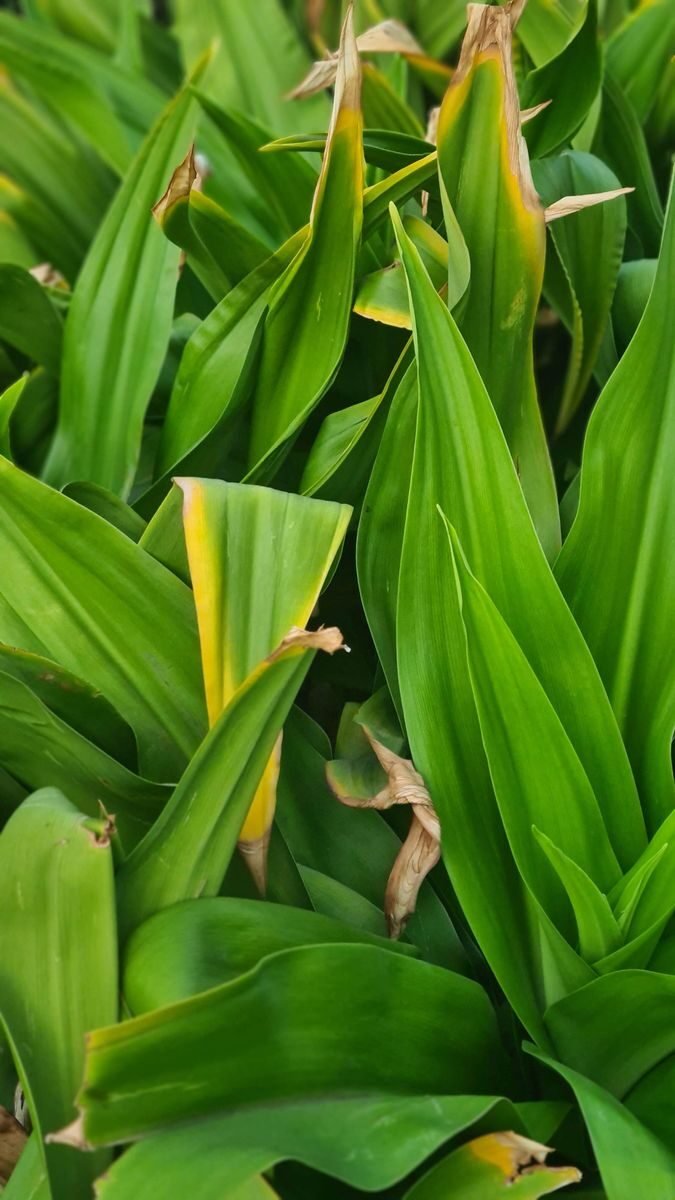
Brown tips on your houseplant mean you are watering it wrong.
Are you sure about that?
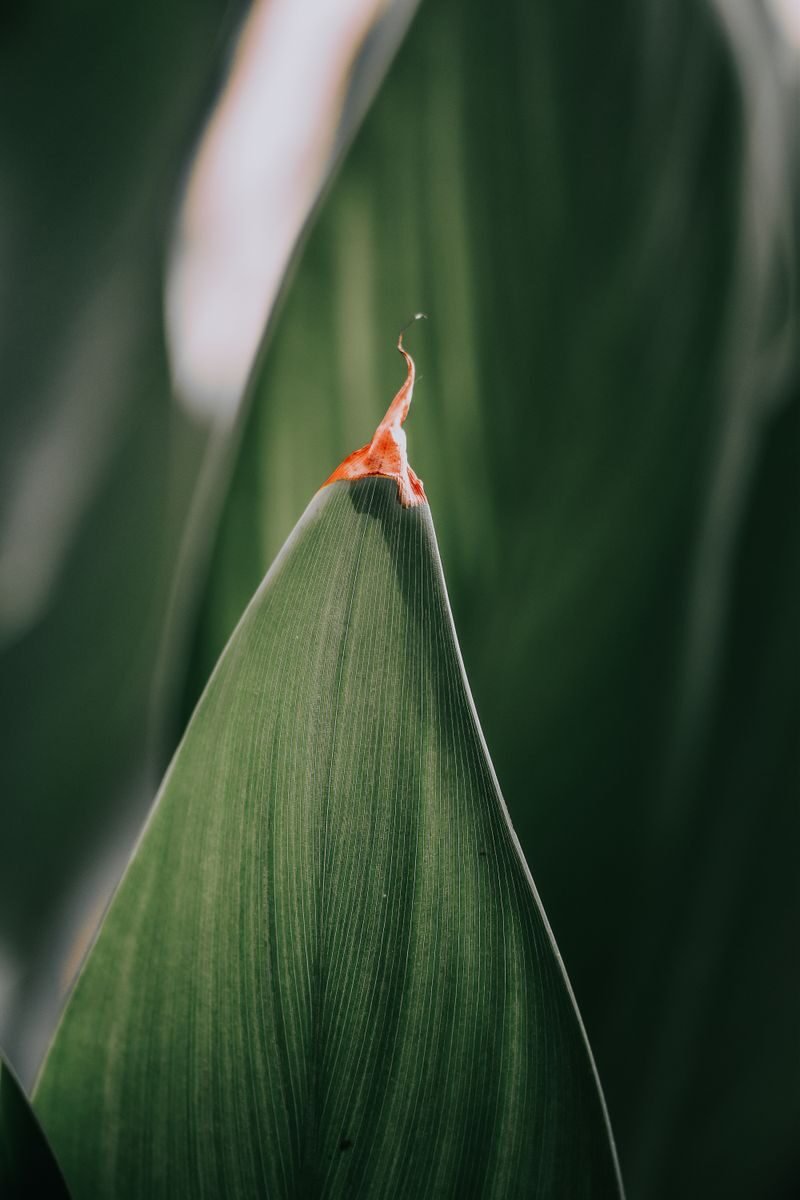
Brown tips usually mean the tip is losing water faster than it receives it, or that salts have built up there. The four common causes are soil that dries out too much between waterings, dry air, too much fertiliser, and chlorine or fluoride in tap water. Cutting off the brown part does not fix any of them.
Brown tips, too much water or too little, right? That is what most websites say, and it is sometimes true. But it is only one of four common causes, and the other three have nothing to do with how often you water.
I studied plant mineral nutrition and plant stress physiology, and brown tips come up in both. I have not run my own experiment on houseplants, so I do not claim results of my own here. What I do is explain the plant physiology behind a brown tip and check it against what university extension guides say. Once you know why the tip goes brown first, the cause is much easier to work out. Let me show you.
Why is it always the tip?
Think about how water moves through a plant. It goes up from the roots, through the stem, and out to the leaf. At the leaf, most of it evaporates into the air. The tip is the last stop on that trip, the part furthest from the roots.
So the tip is the first place to run short when water supply falls behind. It is also where anything dissolved in the water ends up. Water evaporates, but salts and other dissolved chemicals do not, so they pile up at the end of the line.
When the dose gets too high, the cells there die and turn brown. That is how I learned it in my courses. It means a brown tip is not a disease. It is a message about the water, the salts or the air.
Cause 1: the soil dries out too much, too often
The Iowa State University Extension, in its guide to brown leaf tips and edges on houseplants, says that letting a plant dry out for too long between waterings will cause the edges and tips to turn brown.
Does that sound like you? Many of us water a lot for a week, forget for a week, then water a lot again. The plant never gets a steady supply, and the tips pay for it!
The fix is a steady routine. Push a finger two or three centimetres into the soil. If it feels dry, water. If it is damp, wait.
Cause 2: the air is too dry
The same guide says low humidity is the most likely cause of brown tips. Dry air pulls water out of leaves faster, and the tip loses the race first.
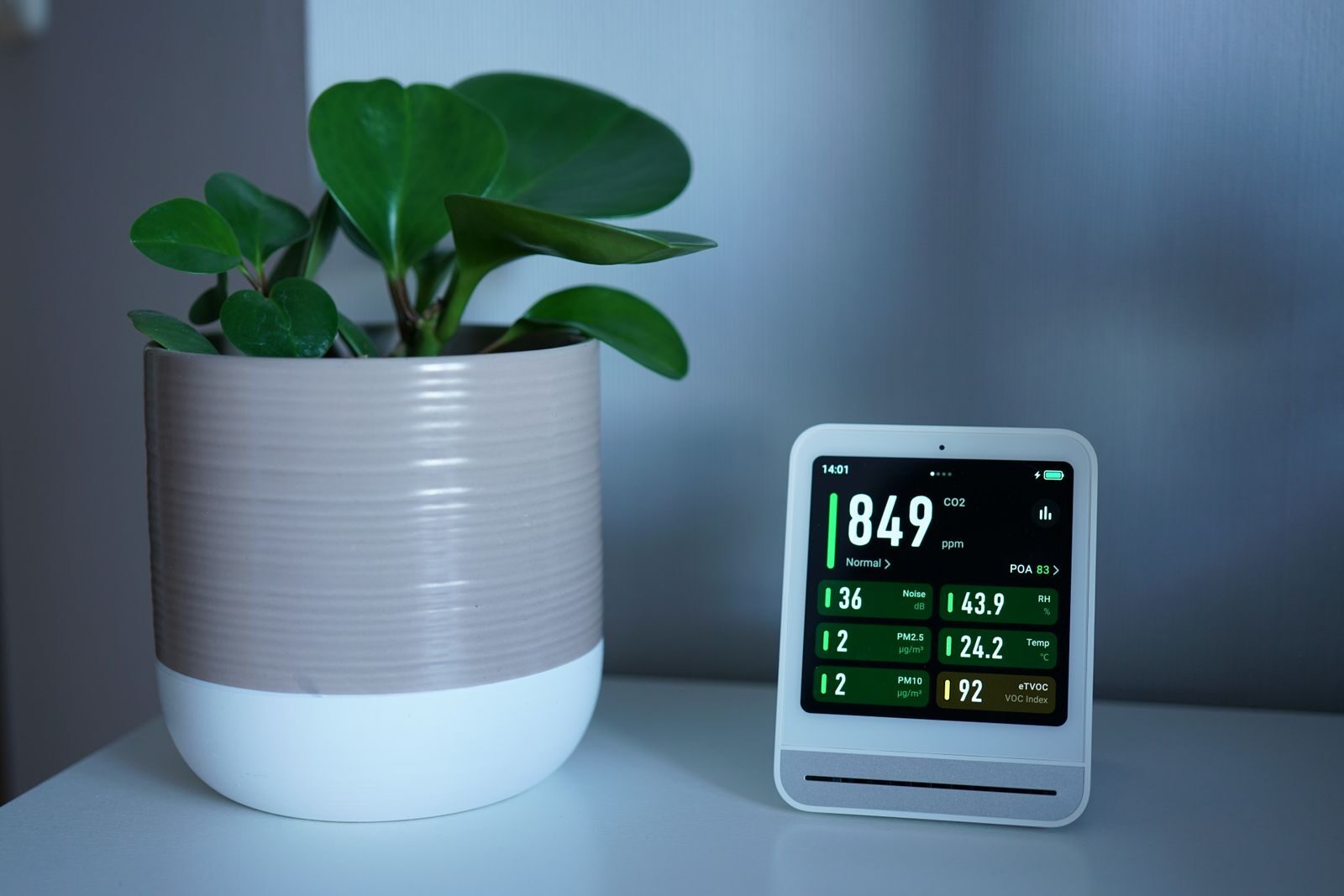
This is common in winter, when heating dries the air. I explain how much plants change humidity, and how little a few plants do, in do indoor plants increase humidity. If you want to check your room, a small hygrometer is enough, and my Humidity & Mold Risk Calculator shows you where the comfortable range ends and the mould risk begins.
Be careful here. Pushing humidity too high to save a leaf tip can create a mould problem on your walls, which I describe in why mould keeps coming back.
Cause 3: too much fertiliser
This one surprises people. The Iowa State guide says that excess salts can build up in the soil when too much fertiliser is applied. And remember, salts travel up with the water and end up in the tip.
I remember how much this stood out in my plant nutrition courses. Plants need nutrients, but there is a limit, and more is not better. Fertiliser is made of salts, after all. If you want to understand what is in the bag, see organic fertiliser chemistry and NPK labels.
A simple fix is to flush the pot. Take the plant to the sink and let water run slowly through the soil until it comes out of the drainage holes. Then let it drain well. That washes out some of the salts. After that, feed less often and at the dose on the pack, or lower.
Cause 4: what is in your tap water
The same guide also says that too much chlorine, and other chemicals such as fluoride, in the water can cause brown tips. Some plants are known for being more sensitive than others, and spider plants are the one people complain about most.
If you think this is your case, try a different water source, for example rainwater or filtered water, and see if new leaves stay green. Be patient, because old brown tips will not turn green again. Only the new leaves tell you whether the change worked.
A tip I like: leaving water in a jug overnight lets some chlorine escape. It does not remove fluoride or the minerals, so do not expect it to fix everything.
How I work out which cause it is
You do not need a lab for this. Four quick looks tell you most of what you need, and I suggest doing them in this order.
| What you see | Likely cause | What I would check |
|---|---|---|
| Soil is dry and pulling away from the pot | Plant dries out too much between waterings, or the pot is too small | Finger test, and whether roots fill the pot |
| Many plants brown at the tips in winter, soil is fine | Dry air | Room humidity with a small hygrometer |
| You feed often, or the plant has been in the same soil for years | Salts building up in the soil | Feeding routine, then flush the pot |
| Only spider plant, dracaena or calathea browns, others in the room look fine | Chlorine or fluoride in the water | Switch water source and watch new leaves |
| Soil is always wet, plant wilts, tips brown | Damaged roots | Drainage holes, and whether the roots look healthy or mushy |
The table is my own way of organising what the Iowa State guides say, so use it as a starting point and not as a diagnosis. Several causes can happen together, which is why I change one factor at a time.
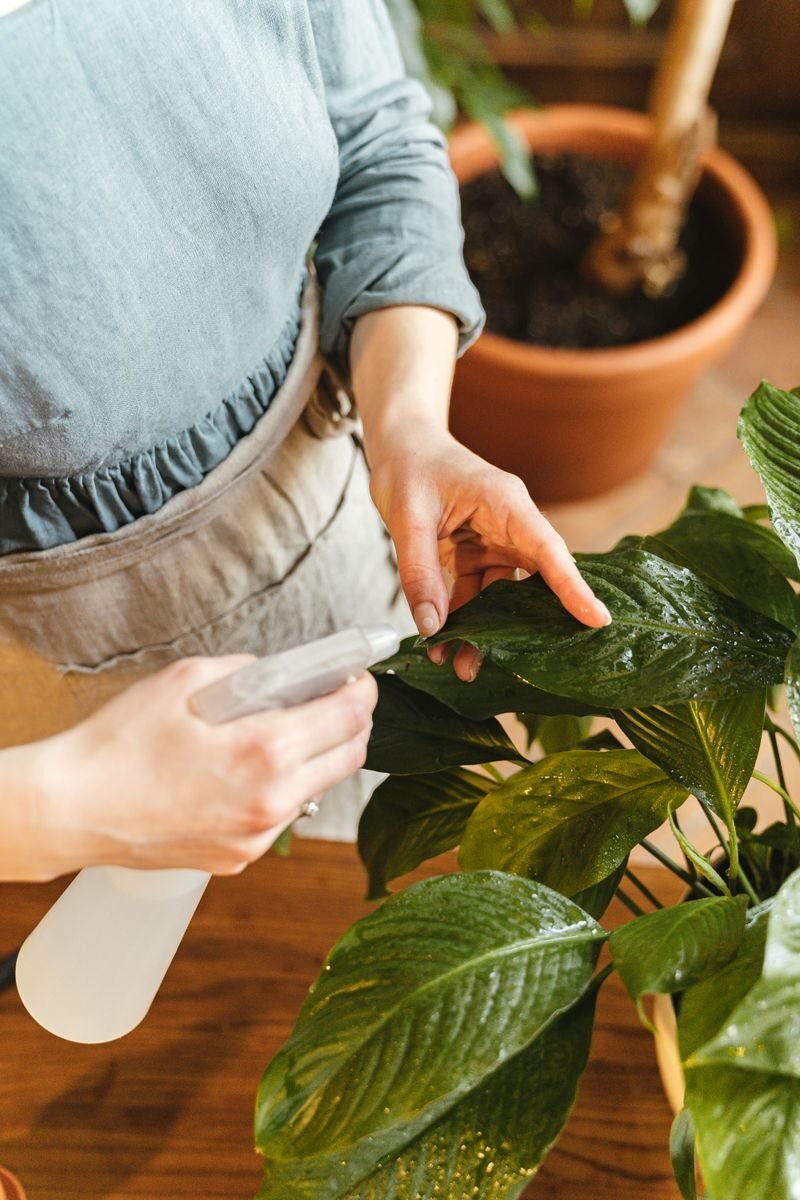
Does misting stop brown tips?
No, and this is a good thing to know before you spend months misting. The Iowa State University Extension answer on misting houseplants says misting is not an effective way to raise the relative humidity, because the foliage dries quickly. It would have to be done several times a day to work.
What does work, according to the same extension, is a humidifier, grouping plants together, or setting pots on a tray of pebbles and water, as long as the water stays below the bottom of the pots. I would add that the humidifier needs a hygrometer next to it, so you do not push the room into mould territory. The calculator I linked in Cause 2 helps with that.
Which plants get brown tips most often?
The Iowa State guide names spider plant, dracaena and calathea as the plants most affected by chemicals in tap water. The corn plant is a type of dracaena, so if you have one, the same advice applies.
For palms, ZZ plant, zebra plant and peace lily, I did not find a university source that lists them, so I will not claim they are special cases. The water movement inside the leaf is the same in all of them, so the same four causes are where I would start. If you grow one of these and the tips brown, run through the table above.
Should I water more often or less?
Neither, until you have checked the soil. Watering on a fixed calendar is the habit I would drop first. Push a finger two or three centimetres into the soil, as described above, and water when it is dry there.
Two other things can make a pot dry out too fast. The Iowa State diagnosing guide lists a pot-bound plant and a container that is too small as causes of dry roots. For old, compacted soil it recommends repotting in fresh, well-drained soil. So if water runs straight through and the roots are circling the pot, repotting is a reasonable step. If the plant is not pot-bound, repotting will not fix a dry-air problem.
Tap water, filtered water, distilled water or rainwater?
The Iowa State guide only says to try a different water source if you suspect chlorine or fluoride. It does not rank the options. From basic chemistry I can add that distilled water has had dissolved minerals and fluoride removed, and rainwater collected cleanly is low in them too. That is my reasoning, not a finding from the guide. I explain how to judge collected rainwater in is rainwater safe for plants.
I do not review or recommend water filters or brand products. If you test a different water, use one plant, keep everything else the same, and look at the new leaves after a few weeks.
What it is probably not
People often ask me if brown tips come from polluted air. Well, in a normal home it is very unlikely. Ozone injury looks different, with small flecks on the upper surface of older leaves, not a brown tip, and I describe it in does ozone damage houseplants. Chemicals from plants, paint and cleaning products are not a usual cause either, see do houseplants give off VOCs.
Overwatering can also cause brown tips, but in a different way. Roots sitting in wet soil get damaged, and damaged roots cannot supply enough water to the leaf. So the tips can brown even though the soil is soaking wet!
The Iowa State guide to diagnosing houseplant problems describes root rot in always-wet soil under wilting, not under brown tips, so I treat this as a likely cause only when the soil is also wet all the time. A soil that stays wet also attracts gnats and mould, see fungus gnats in houseplants and white mould on plant soil.
Brown spots in the middle of a leaf, rather than at the tip or edge, are a different pattern, and I did not find an extension source that sorts them out here.
If your leaves show spots and not tips, treat this guide as covering only the tip and edge problem. And if your plant sits in a dim corner, it uses much less water than you think, so the same watering routine becomes too much. I explain what low light does to plants in low light indoor plants and what it means.
What I would do at home
Check the soil first. It takes ten seconds. Is it bone dry or soaking wet? That alone sorts out a lot of cases.
Change one factor at a time. If you change the water, the fertiliser and the humidity all together, you will never know what worked.
Look at the new leaves, not the old ones. Brown tips do not heal. If the new growth comes in green, you fixed it.
Trim only for looks. The Iowa State guide says you can cut off brown sections for appearance, but new browning will return if you do not deal with the cause. Cut along the natural shape of the leaf with clean scissors.
Do not expect a plant to fix your air. That is a separate question, see do indoor plants clean the air.
Summary
Brown tips happen because the tip is the end of the water path. It runs short first when water supply falls behind, and it collects dissolved salts. The four common causes are soil drying out too much, dry air, too much fertiliser and chemicals in tap water. Overwatering can also cause it by damaging roots.
Check the soil, flush the pot if you fertilise a lot, change one factor at a time and judge the result by the new leaves. Misting does not fix dry air, and trimming the brown part only helps the looks.
FAQs
Why are the tips of my houseplant leaves turning brown?
The most common causes are low humidity, soil that dries out too much between waterings, too much fertiliser and chlorine or fluoride in tap water. Overwatering can also cause it by damaging roots.
Should I cut off brown leaf tips?
You can, for looks. It will not fix the cause, so new browning will return unless you deal with the water, fertiliser or humidity. Use clean scissors and follow the shape of the leaf.
Will brown tips turn green again?
No. Dead tissue does not recover. Check the new leaves. If they grow in green, your change worked.
Can tap water cause brown tips?
Yes. Chlorine, fluoride and dissolved minerals can all cause it, and some plants such as spider plants are more sensitive. Try rainwater or filtered water and watch the new leaves.
Does misting stop brown tips?
No. The Iowa State University Extension says misting is not an effective way to raise humidity, because the leaves dry within minutes. I would use a humidifier, group plants together or use a pebble tray, and measure the room with a hygrometer.
Should I water more often if the tips are brown?
Not before checking the soil. I push a finger two or three centimetres into the soil and water only if it is dry there. If it is already wet, more water makes the problem worse.
Is it overwatering or underwatering?
The soil tells you. Bone dry and pulling from the pot points to underwatering or a pot that is too small. Wet all the time with a wilting plant points to root damage. The Iowa State guide describes root rot in always-wet soil under wilting.
Why does my spider plant keep getting brown tips?
Spider plants are one of the plants the Iowa State guide names as sensitive to chlorine and fluoride in tap water. I would try a different water source on that plant and look at the new leaves after a few weeks. Dry air and salt build-up from fertiliser are the other usual causes.
Is distilled water better than tap water for houseplants?
Distilled water has the dissolved minerals and fluoride removed, so for a sensitive plant it removes that possible cause. That is chemistry, not a finding from the Iowa State guide, which only says to try a different source. I do not recommend products.
Should I repot a plant with brown tips?
Only if the roots show it. The Iowa State guide lists a pot-bound plant, a pot that is too small and old compacted soil as reasons soil dries out, and recommends fresh, well-drained soil in that case. Repotting does not fix dry air or tap water.
How do I flush salts out of a pot?
I take the plant to the sink and let water run slowly through the soil until it drains from the holes, then let it drain well. After that I feed less often and at or below the dose on the pack.
Can brown edges and tips on a palm, ZZ plant or peace lily have the same causes?
Probably, since water moves through the leaf in the same way. I did not find a university source that lists these plants, so I start with the same four causes: soil drying out, dry air, too much fertiliser and tap water chemistry.